
Grey Paper Artwork
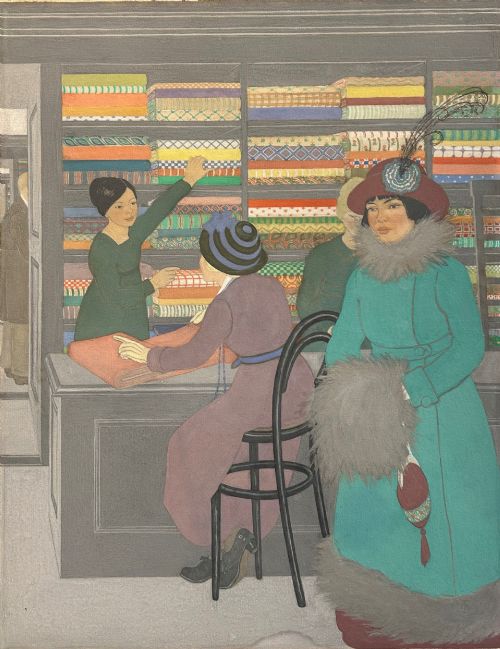
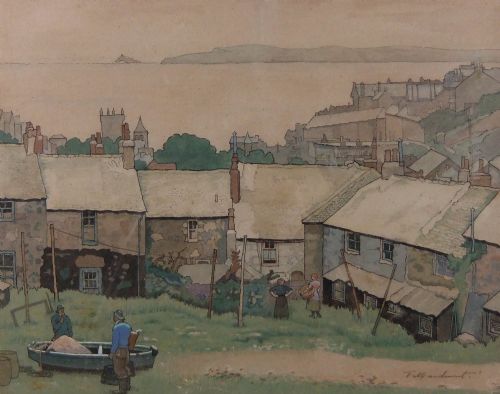
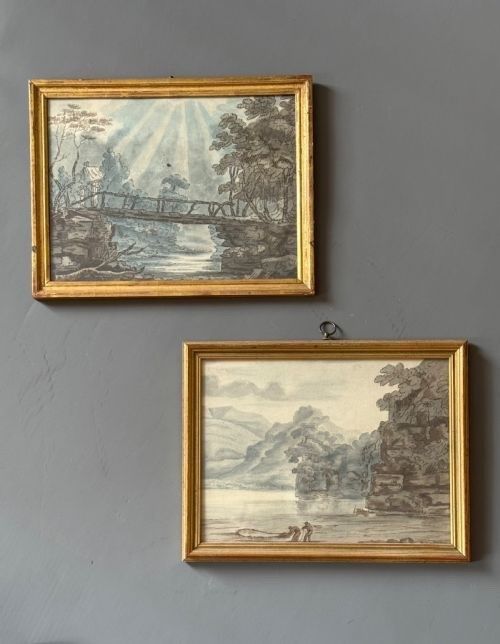
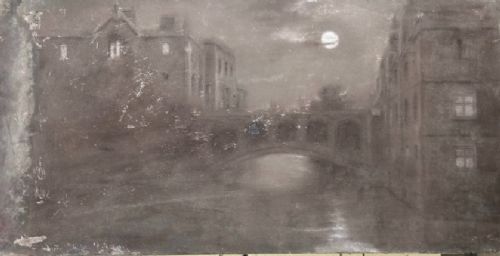
Grey paper artwork brings together centuries of drawings and watercolours where the toned support plays a direct part in the composition.
Grey Paper Artwork
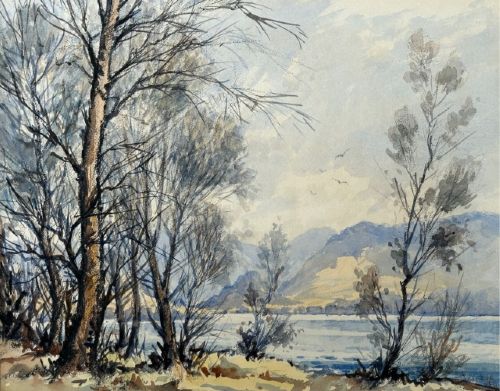
When you search for grey paper artwork, you are looking at historical works on paper where artists utilised the tinted ground rather than plain white sheets. These pieces span from the 18th century through to the mid 20th century, encompassing styles from Georgian and Victorian periods to Mid-Century Modern.
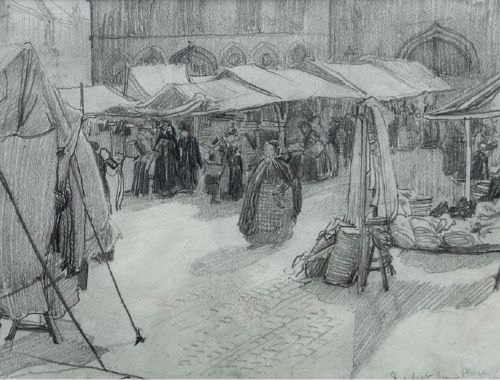
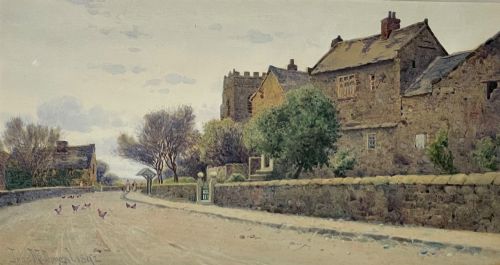
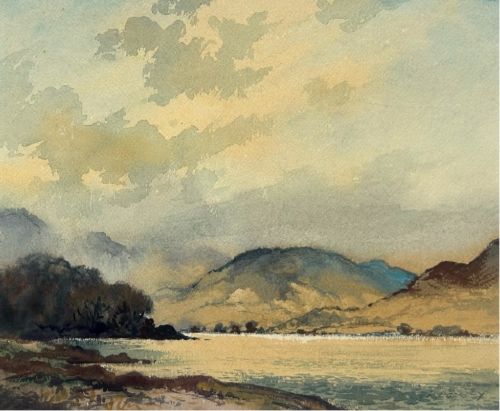
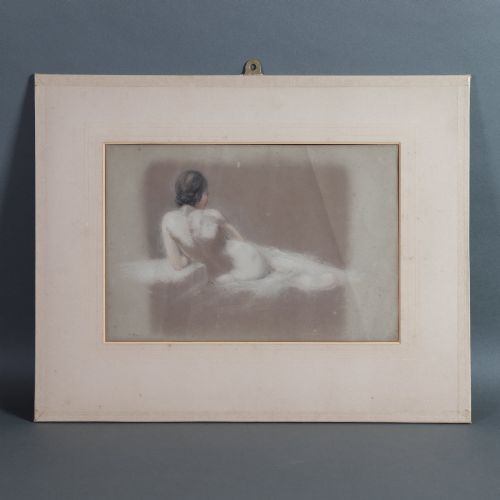
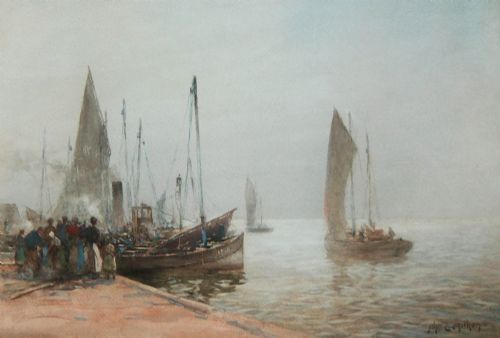
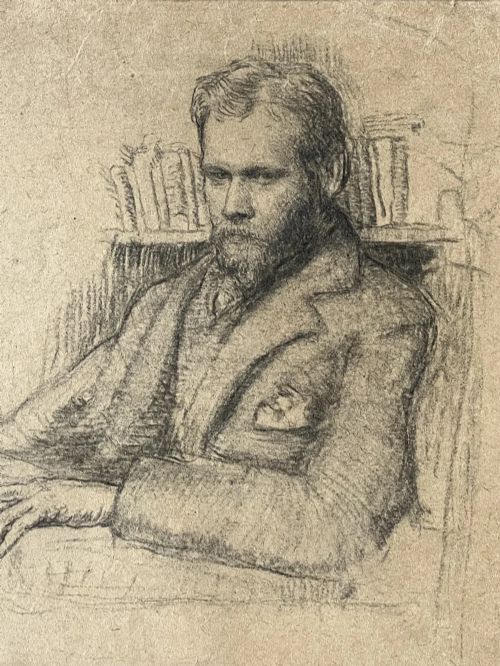
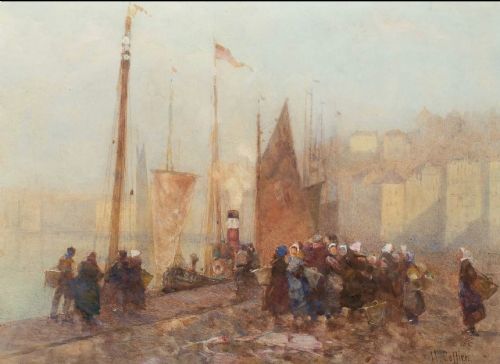
The most common examples encountered on this page are original watercolours, pencil drawings, charcoal sketches, and mixed media studies on tinted paper. Subjects range from British landscapes and coastal scenes to portrait studies and architectural views.
Makers and artists represented across these listings include notable names such as William Etty, Augustus John, and Cecil Beaton, alongside period works by less widely known hands.
Materials and techniques
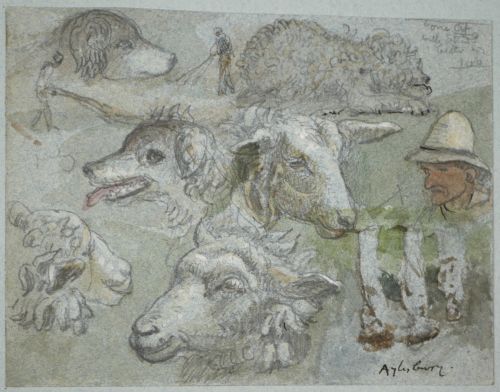
These works rely on the interaction between watercolours, gouache, ink, or charcoal applied directly to a grey paper or card support. Artists often used white bodycolour highlights to pop against the dark ground, creating depth and tonal contrast.
Paper manufacturing in the 18th, 19th, and early 20th centuries yielded various fibre compositions and shades of grey, which aged naturally over time depending on storage conditions and exposure to light.
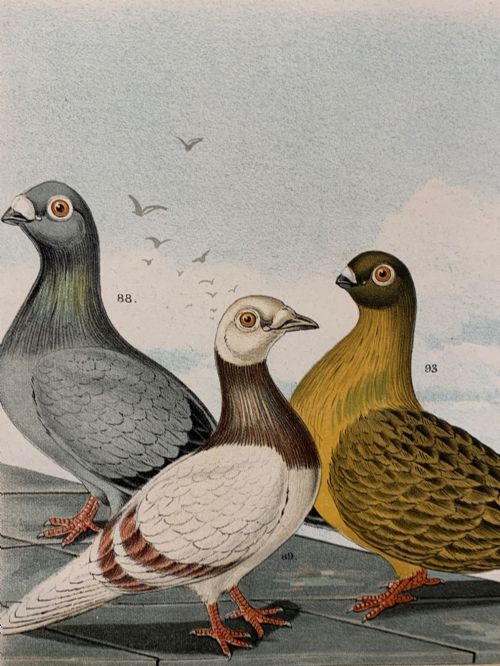
Among the historical subjects preserved on grey paper is a detailed study of various pigeon breeds recorded around eighteen eighty-six.
Assessing quality
Quality in these works rests upon the confident handling of the medium and how effectively the artist integrates the grey paper into the highlights and shadows of the composition. Strong draughtsmanship and well-preserved pigment vibrancy elevate an example.
Condition plays a central role, particularly regarding paper stability, foxing, or fading caused by past exposure to sunlight, which alters the balance between the pigment and the tinted background.
Henry Percy Huggill·James Smetham·John McDougal·Robert Leslie Howey·William Etty·James E Aitken·Augustus John·Marc Chagall·Hector Caffieri·Beatrice Saunders·Thomas Maidment·Cecil Beaton·Albert Ludovici Jnr·Michael Healy·Shiro Katamatsu·Warwick Goble·John Rattenbury Skeaping·Commander Eric Tufnell·Fred Lawson·Arthur Reginald Smith·Cuthbert Crossley·Thomas Bush Hardy·Edward Seago·Tom Clough·Rowland Henry Hill
The Grey Paper Artwork Glossary
- Watercolour
- A painting method where fine pigment is suspended in a water-soluble binder. It is traditionally applied in transparent washes to let the underlying paper show through.
- Charcoal
- A dry drawing medium made from slowly burned organic material. It produces rich, dark black lines that blend easily on textured paper.
- Gouache
- An opaque water-based paint containing pigment and a binding agent, often mixed with white to create solid highlights on toned paper.
- Lithograph
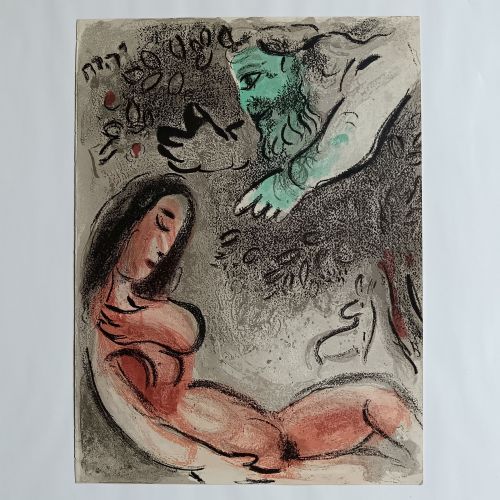
- A printmaking process based on the repulsion of oil and water on a flat limestone or metal plate. It allows for multiple exact reproductions of original drawings.
- Mixed media
- An artwork combining two or more different materials, such as watercolour, ink, and pencil used together on the same sheet.
Grey Paper Artwork: Frequently Asked Questions
What is grey paper artwork?
Grey paper artwork refers to historical drawings and paintings created on a tinted grey paper or card support rather than standard white paper. The grey tone acts as an intermediate shade, allowing artists to build both dark shadows and opaque white highlights.
This category includes works across multiple centuries, featuring landscapes, portraits, and architectural studies by various British and European artists.
How should I frame these pieces?
Framing historical works on paper requires conservation-grade materials to protect the delicate media and the tinted paper from environmental damage. Acid-free mounts and UV-filtering glass prevent the paper from yellowing and keep the pigments stable.
Keeping the artwork slightly separated from the glass with a window mount ensures the paper surface does not stick or collect moisture over time.
How do I date these drawings?
Dating drawings on grey paper involves examining the paper type, watermark, stylistic markers, and any inscribed signatures or dates left by the artist. Comparing the handling of the medium to known dated works by the same maker helps narrow the period.
Framing remnants, old gallery labels, and ink types also provide reliable clues regarding the decade or century of creation.
How were these works stored previously?
Many of these pieces spent decades tucked inside artist portfolios, sketchbooks, or private library collections before reaching the art market. Sketchbooks preserved the paper surfaces from light exposure, keeping the original charcoal and watercolour tones intact.
Individual sheets were often framed later in their history, which accounts for the varying states of paper preservation seen today.