







Architectural Giltwood Mirror
An architectural giltwood mirror brings scale and reflected light to a room, drawing the eye with carved detail and gleaming leaf.
Architectural Giltwood Mirror
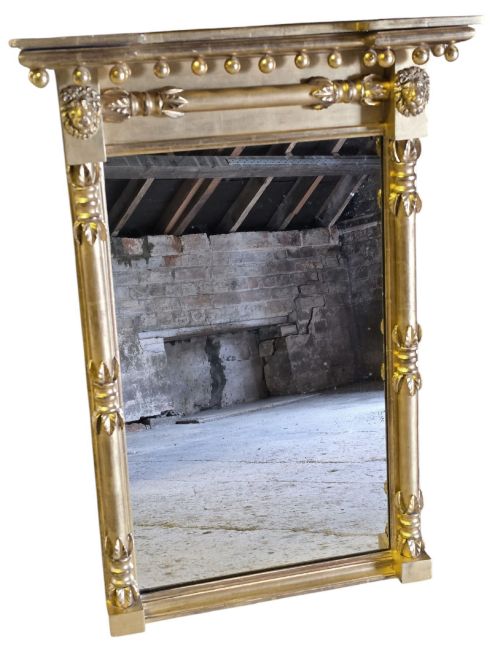
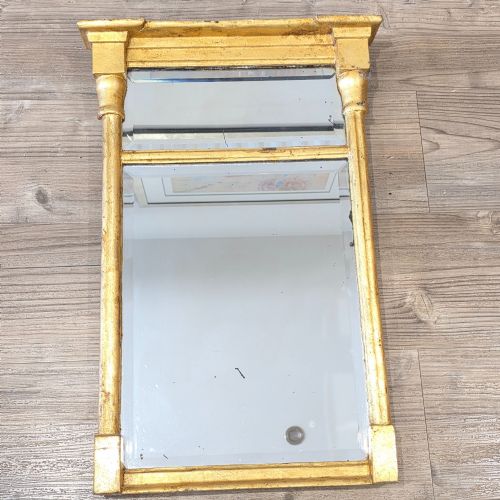
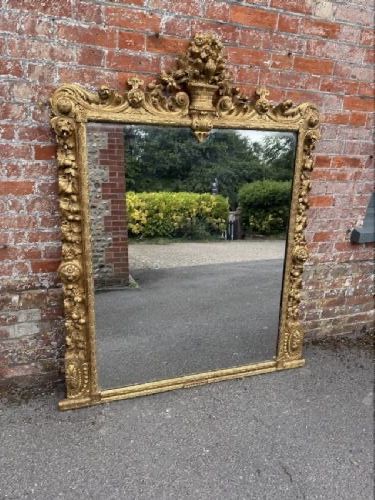
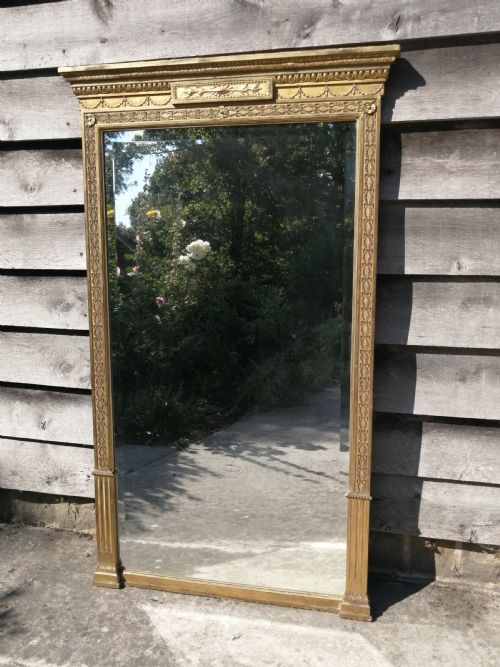
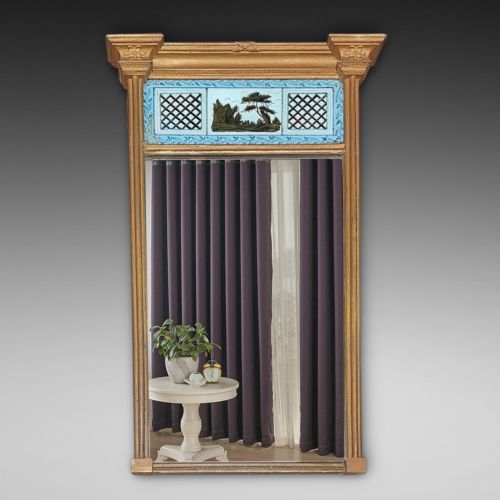
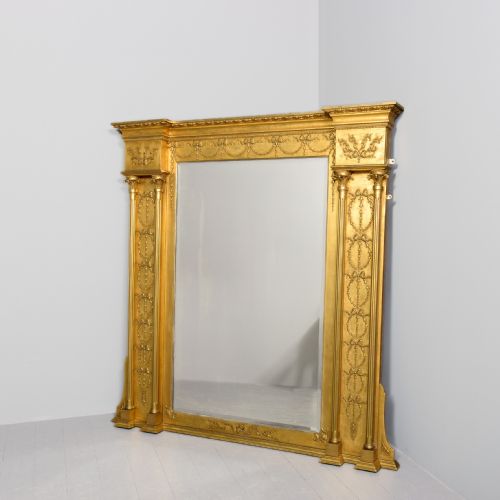
An architectural giltwood mirror functions as a focal point in a room, combining substantial timber frames with classical proportions and reflective glass. When searching this phrase, buyers most frequently encounter substantial overmantel mirrors and pier mirrors designed to anchor large wall spaces above fireplaces or between windows.
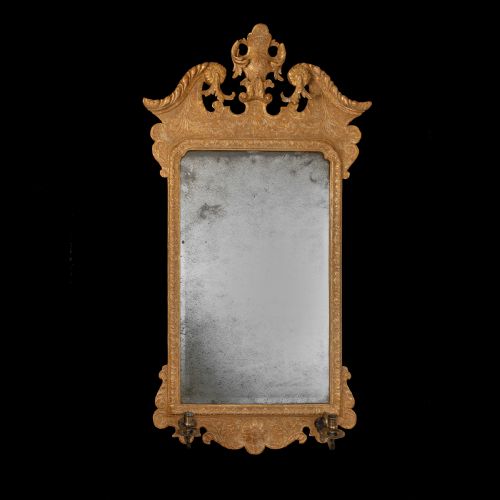
The selection spans centuries of design, ranging from 18th century George II Palladian and walnut examples to robust 19th century Victorian, Regency, and Empire pieces. Makers and workshops drew inspiration from neoclassical, rococo revival, and Renaissance styles, resulting in frames adorned with architectural elements like columns, pediments, and friezes.
Forms vary from grand landscape formats intended for mantelpieces to tall vertical pier glasses designed to reflect light deep into period interiors. Surviving examples demonstrate how deeply these decorative objects shaped the aesthetic of formal rooms through different eras.
Materials and construction
Craftsmen shaped these frames from solid timbers such as pine, walnut, and carved wood, building up surface detail with layers of gesso. This fine plaster mixture allowed carvers to crisp up intricate mouldings, floral swags, and classical motifs before gilding.
The golden finish relies upon delicate gold leaf applied over bole, alongside composition ornaments moulded from putty and resin for repetitive details like egg-and-dart borders. Many pieces retain their original mirror plates, which show the subtle imperfections, foxing, and wavy reflections characteristic of early manufacturing methods.
Listings feature architectural giltwood mirrors spanning the Georgian, Regency, Victorian, and Edwardian periods, utilising both walnut and carved gesso.
Assessing craftsmanship and condition
Quality rests in the crispness of the hand-carved wooden elements versus moulded composition plaster, and in the depth of the gesso preparation beneath the gold leaf. Deeper carving and sharper architectural details distinguish superior workshop output from simpler decorative pieces.
The integrity of the original gilt surface and the presence of period or original mirror plates elevate a piece significantly. Frames that retain their original structural joinery and untouched surface patination hold greater authenticity for collectors of period furnishings.
Nosotti s
The Architectural Giltwood Mirror Glossary
- Giltwood
- Timber coated with gold leaf over a prepared gesso ground. This technique provides the signature metallic brilliance seen on period frames.
- Gesso
- A plaster mixture applied to wood frames and carved or smoothed to receive gold leaf. It creates a seamless base for intricate ornamentation.
- Pier Mirror
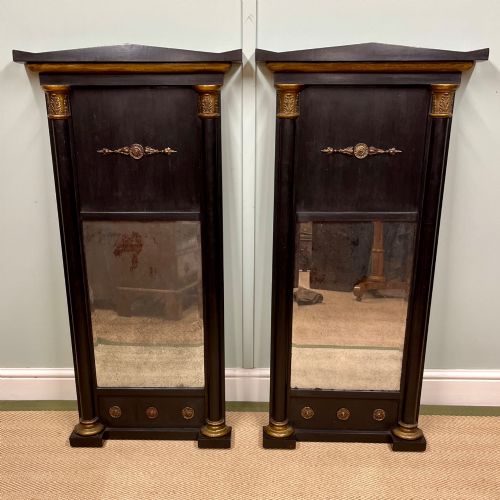
- A tall mirror designed specifically to hang on the wall space between two windows. They often sat above small console tables in formal reception rooms.
- Overmantel Mirror
- A wide landscape mirror scaled to fit the mantelpiece above a fireplace. These dominated Victorian and Georgian drawing rooms.
- Verre Eglomise
- A cold decoration technique where design elements are painted and gilded on the reverse side of glass. It appears in neoclassical and Regency mirror panels.
- Palladian
- A classical architectural style drawing from Andrea Palladio, featuring strict symmetry and formal pediments. George II mirrors frequently adopt this vocabulary.
Architectural Giltwood Mirror: Frequently Asked Questions
Where should I hang an architectural giltwood mirror?
These pieces traditionally anchor large wall expanses, working best centered above a fireplace mantel or mounted on a drawing room wall between windows.
Their substantial scale and reflective plates amplify natural daylight, making them ideal for brightening darker reception rooms and adding vertical height.
How do I identify a Regency period mirror?
Regency pieces often incorporate neoclassical motifs, verre eglomise panels, and bold architectural frames inspired by ancient Rome and Egypt.
Look for classical columns, black-and-gold colour schemes, and convex or pier glass formats dating from the early nineteenth century.
Are the mirror plates original?
Many antique mirrors retain their original silvered glass plates, which frequently exhibit subtle foxing, minor speckling, and gentle distortion.
Original plates contribute historical authenticity to the piece, offering a softer, more atmospheric reflection than modern manufactured glass.
What is the difference between gesso and carved wood?
Carved wood involves shaping the actual timber frame by hand with chisels and gouges, creating unique and deep sculptural relief.
Gesso is a plaster-like substance built up over wood to create a smooth surface for gilding, sometimes moulded with composition ornaments for repetitive patterns.