
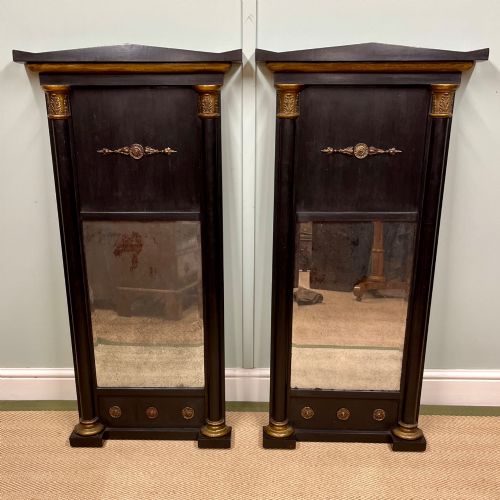


Architectural Column Mirror
An architectural column mirror brings monumental presence to a room, framing reflections with classical columns and pilasters.
Architectural Column Mirror
An architectural column mirror uses classical structural elements to frame reflective glass, drawing on ancient design to anchor a room. When you search for an architectural column mirror, you encounter pieces that function simultaneously as mirrors and as significant decorative woodwork.
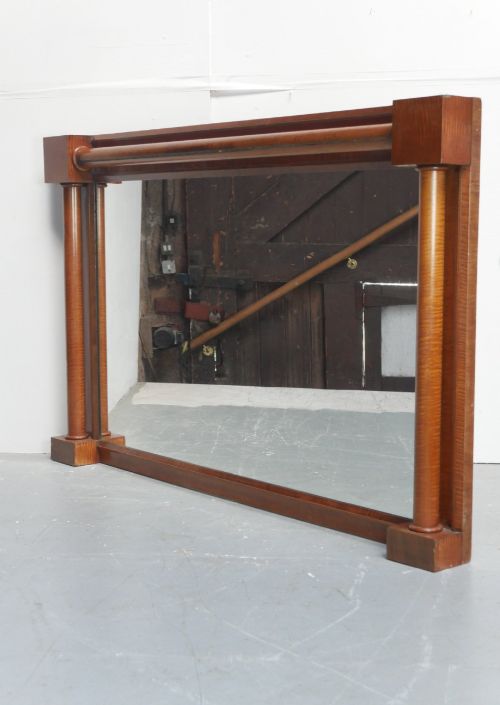
The pieces appearing on this page span several distinct periods, most notably the Regency era and the nineteenth century, alongside later examples from the early twentieth century. You will find that wall mirrors, overmantel mirrors, and pier mirrors dominate the selection.
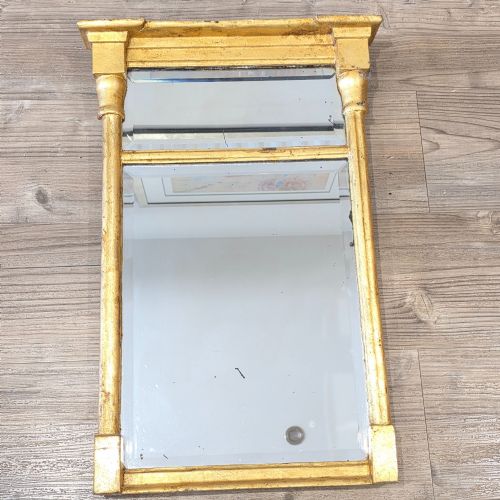
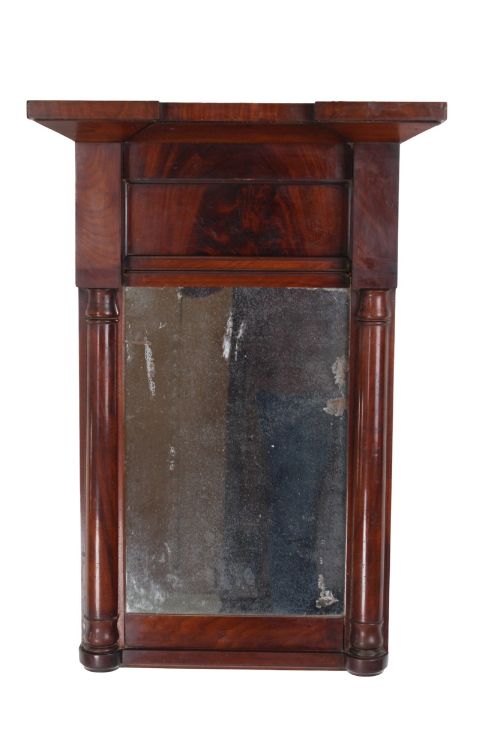
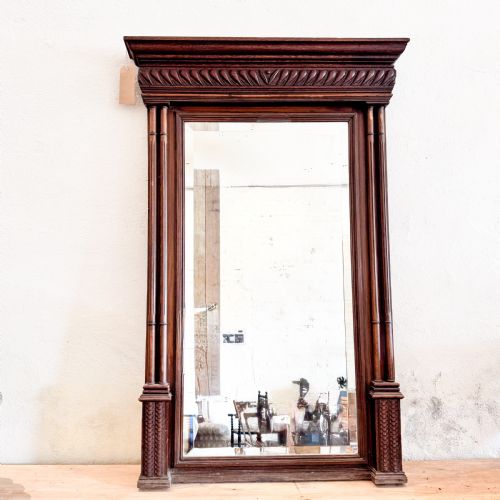
Makers drew heavily on Regency, Victorian, Empire, and French Renaissance Revival styles to create these works. The forms range from small mahogany pier mirrors to very tall Italian wall mirrors framed in walnut and marble.
What varies in quality
The standard of carving on the columns and capitals dictates much of the distinction between pieces, with deeply undercut foliage and crisp fluting marking out superior execution. The integration of structural architectural elements into the frame requires careful proportion so that the columns appear to support the pediment naturally.
Surface finish also differentiates the range, as hand-applied gesso and fine gilding demonstrate greater artisan skill than flat painted surfaces. The selection of timber, such as well-figured mahogany or dense walnut, adds substance and visual depth to the finished frame.
One towering Italian specimen reaches eight feet tall, ensuring your reflection comes with architectural authority.
The Architectural Column Mirror Glossary
- Pier mirror
- A tall, narrow mirror designed to hang on the wall space between windows. These pieces often feature columns flanking the glass.
- Overmantel mirror
- A wide mirror specifically proportioned to sit above a fireplace mantelpiece. They frequently incorporate architectural framing.
- Gesso
- A plaster-like mixture applied to wood frames to create a smooth surface for gilding or painting. It accepts fine detail work from carving tools.
- Pilaster
- A rectangular column that projects slightly from the wall or frame surface. It provides architectural structure without functioning as a true support.
Architectural Column Mirror: Frequently Asked Questions
Where should I hang an architectural column mirror?
These mirrors suit rooms with generous wall space or high ceilings where their vertical proportions can command the room. Placing one above a fireplace mantel or between tall windows allows the piece to function as a focal point.
The substantial frames and column details require solid wall fixings to support the weight safely. Pairing them with appropriate furniture, such as a pier table or sideboard, completes the classical arrangement.
How do I identify a Regency column mirror?
Regency pieces often display crisp Neoclassical details, including reeded pilasters, giltwood finishes, and bullseye corner blocks. The proportions tend to be rigorous and balanced, reflecting the classical revival of the early nineteenth century.
Looking closely at the timber construction behind any gilding reveals secondary woods characteristic of the period. The presence of original mercury glass, though uncommon, further points to authentic early manufacture.
What is the difference between a wall mirror and an overmantel mirror?
Wall mirrors are generally vertical and designed to hang independently on any flat wall surface to brighten a room. Overmantel mirrors are typically broader and lower, engineered to span the horizontal space directly above a fireplace.
While both can feature architectural columns, their differing proportions reflect their original domestic placement. Overmantel mirrors often include heavier base mouldings to rest securely upon the mantel shelf.
How do I care for antique giltwood frames?
Giltwood surfaces require gentle treatment using a soft, dry brush to remove dust from the carved column details and crevices. Moisture can damage fragile gesso and lift the gold leaf, so liquids should be avoided entirely during cleaning.
Keeping the mirror away from direct sunlight and damp environments preserves both the timber substrate and the delicate metallic finish. Professional conservation is recommended for any structural repairs or restoration of the gilding.