


Arched Top Gold Mirror
When you search for an arched top gold mirror, you are looking at substantial wall and overmantel pieces designed to bounce light and anchor a room.
Arched Top Gold Mirror
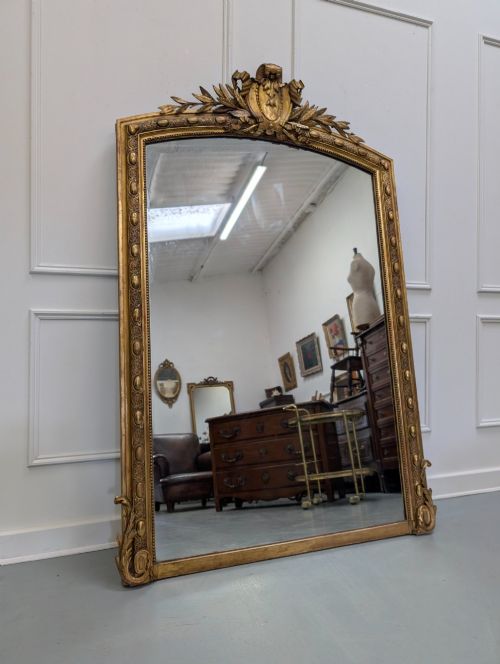
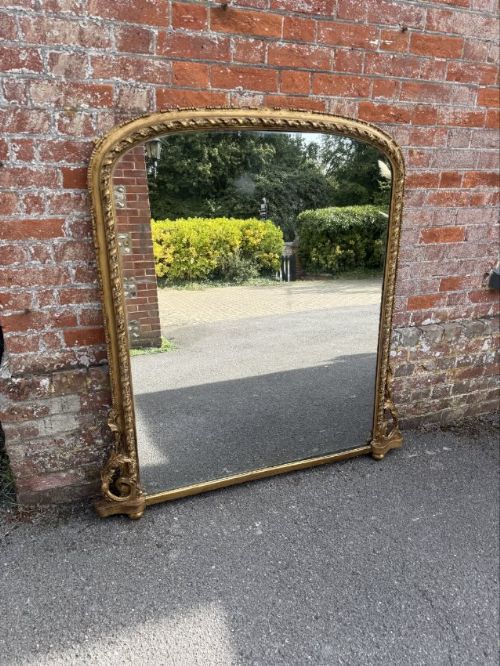
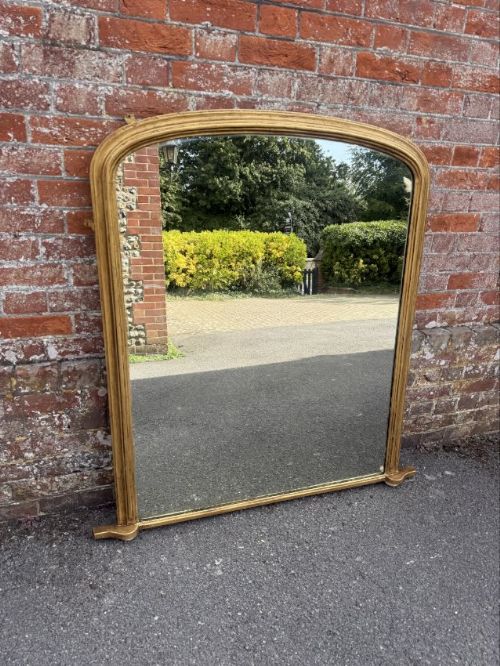
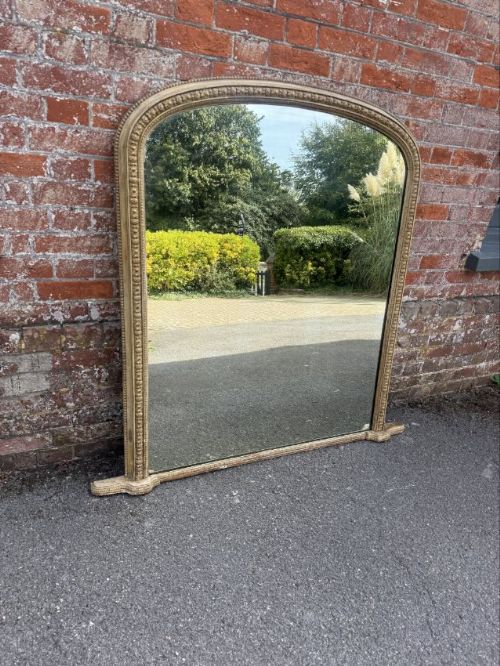
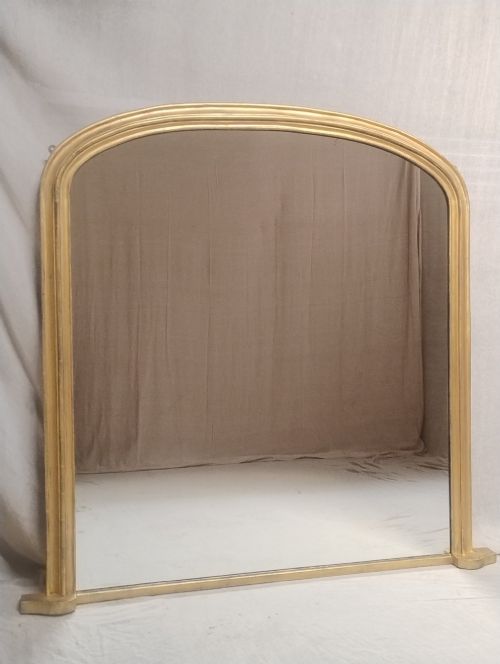
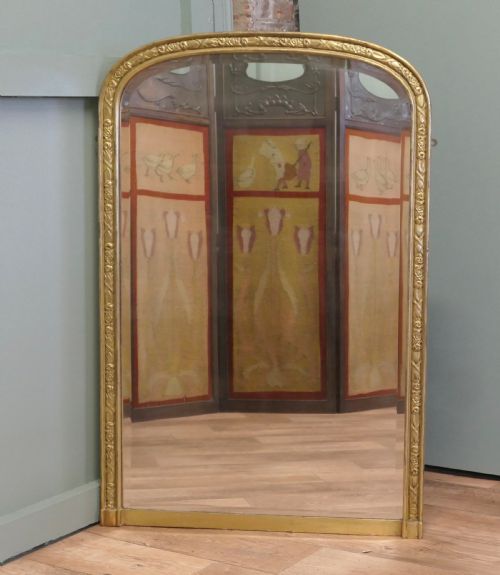
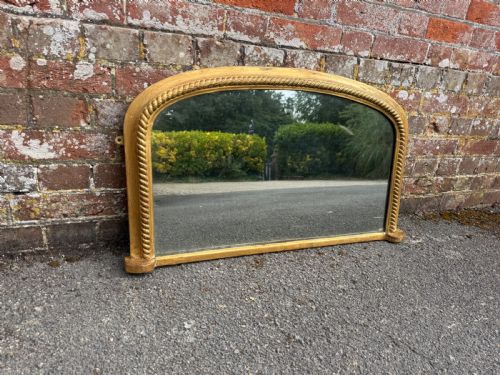
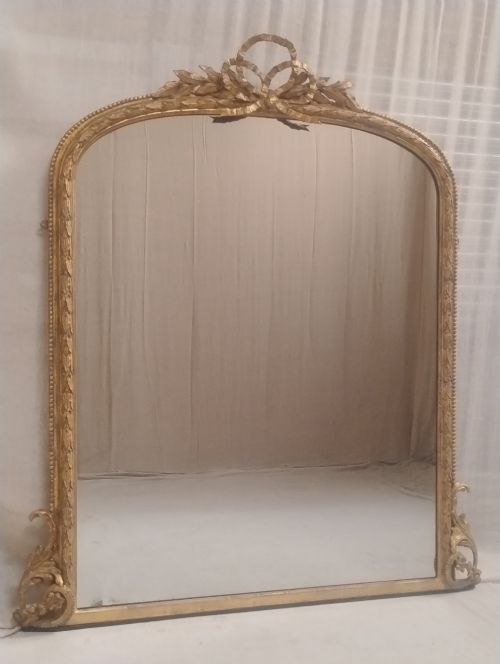
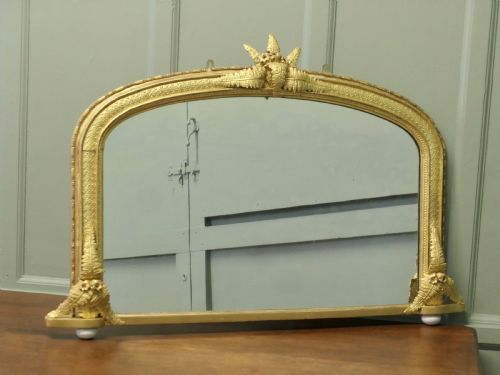
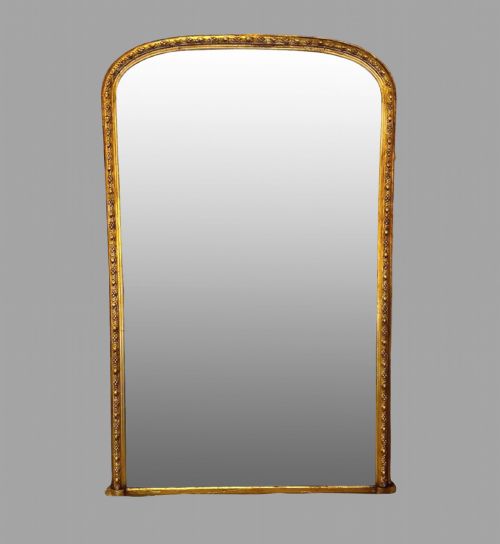
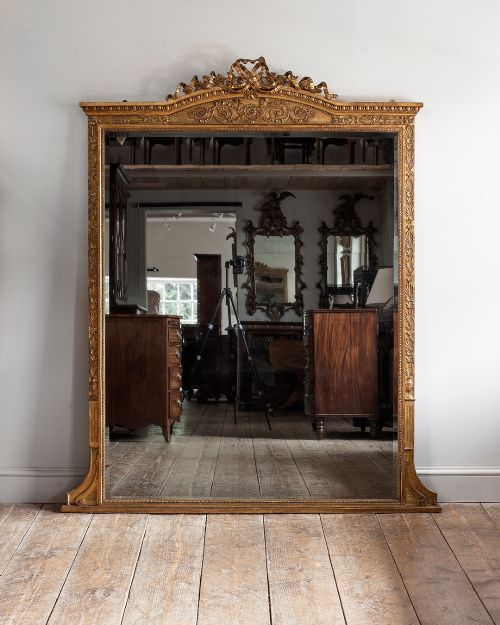
An arched top gold mirror brings scale and vertical lift to an interior, most commonly appearing in nineteenth-century English and French formats. The selection centres heavily on overmantel mirrors intended to sit above a fireplace, alongside tall wall mirrors and pier mirrors.
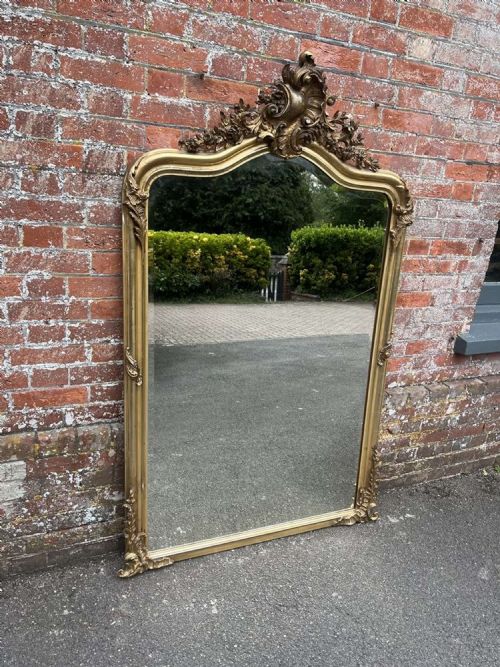
Makers and craftsmen produced these items through the Victorian and Georgian eras, spanning the decades from eighteen-fifty to eighteen-ninety. They take the form of large, gilt-framed glasses with shaped or rounded crowns, often carrying decorative details like central cartouches or ribbed mouldings.
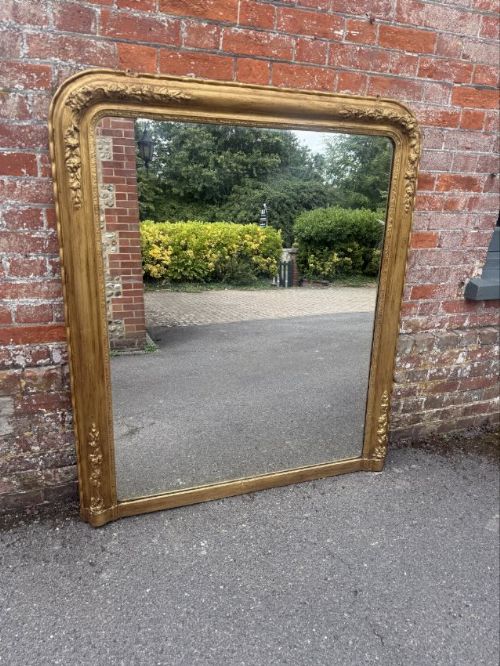
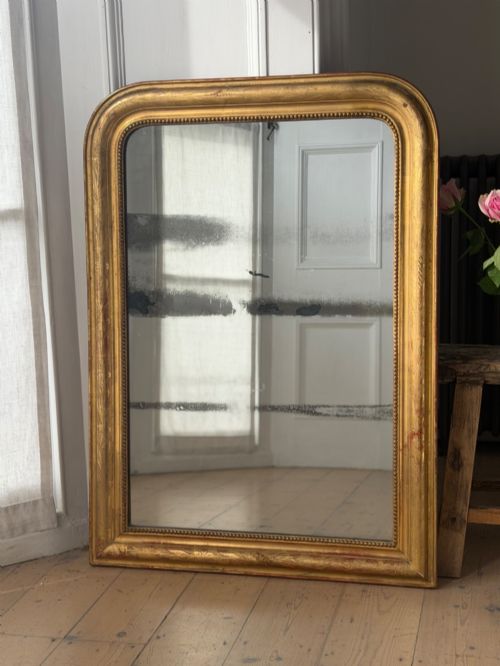
English examples from this group lean towards robust carved wood and gesso overmantel designs, while French equivalents frequently adopt the cleaner lines of the Louis Philippe style or the ornate flourishes of Rococo revival. Both origins utilise gilt surfaces to create a commanding visual presence in a drawing room or hallway.
How they were made
Construction relies upon a wooden structural base, typically carved timber, which receives layers of gesso to build up the relief work before gilding. Artisans applied gold leaf or composition leaf to the prepared surfaces, creating the characteristic bright metallic finish seen on these frames.
The reflective elements consist of mirror glass held within the timber rebates, occasionally featuring older treatments such as foxed mercury glass on early French pieces. Frames incorporate structural joinery suited to heavy overmantels, with applied decorative motifs fixed securely to the arched headers.
Materials recorded across the inventory include giltwood, gesso, composition, and original mirror glass.
What varies in quality
The standard of the carving and the crispness of the gesso mouldings set the structural hierarchy among these frames. Finer pieces display deep, hand-carved wooden enrichment and carefully burnished gold leaf, whereas lesser examples rely more heavily on moulded composition ornament.
Originality of the gilding and the glass plate heavily influence the character of an antique mirror. Surfaces retaining their first gold leaf layer and authentic mirror glass hold greater historical integrity than those re-gilded or reglazed during later restorations.
The Arched Top Gold Mirror Glossary
- Gesso
- A plaster-like mixture applied to wood frames as a base for gilding. It provides a smooth surface that can be moulded or carved into intricate decorative details.
- Giltwood
- Timber that has been coated with gold leaf. This material forms the primary golden framework for the majority of nineteenth-century mirrors.
- Overmantel Mirror
- A large horizontal or vertical mirror specifically proportioned to hang on the wall above a fireplace mantelpiece. They often feature an arched top to draw the eye upward.
- Louis Philippe
- A French nineteenth-century style characterised by restrained neoclassical restraint, clean arched top profiles, and minimal ornamentation compared to heavier rococo designs.
- Pier Mirror
- A tall, narrow mirror designed to fit on the wall space or pier between two windows. They make efficient use of restricted wall areas while reflecting incoming light.
Arched Top Gold Mirror: Frequently Asked Questions
How do I hang an overmantel mirror?
These pieces carry substantial weight due to their timber frames and thick glass plates. Secure fixings into wall studs or masonry are essential to support the load safely.
Professional mirror hangers often utilise heavy-duty strap brackets screwed directly into the structural frame rather than relying on standard picture wire.
What is foxed glass?
Foxing refers to the natural ageing process of the silvering behind the mirror glass, resulting in dark spots and mottled patches. This patina develops over decades of exposure to air and humidity.
Many collectors value foxed glass because it confirms the genuine antique age of the mirror plate and adds visual depth.
How do I clean a gilt frame?
Giltwood and gesso surfaces require gentle maintenance to avoid damaging the delicate gold leaf layer. Dusting with a soft, dry brush prevents dirt accumulation without moisture.
Water and chemical cleaning agents must be avoided entirely, as they can strip the gold leaf and dissolve the underlying gesso preparation.
Are French and English mirrors different?
English nineteenth-century mirrors in this category tend to be heavy overmantels with robust carved wood and gesso enrichment. French pieces often feature softer profiles, such as the curved shoulders typical of Louis Philippe designs.
Both traditions utilise gold leaf finishes, but the decorative vocabulary reflects the distinct regional tastes of the period.