


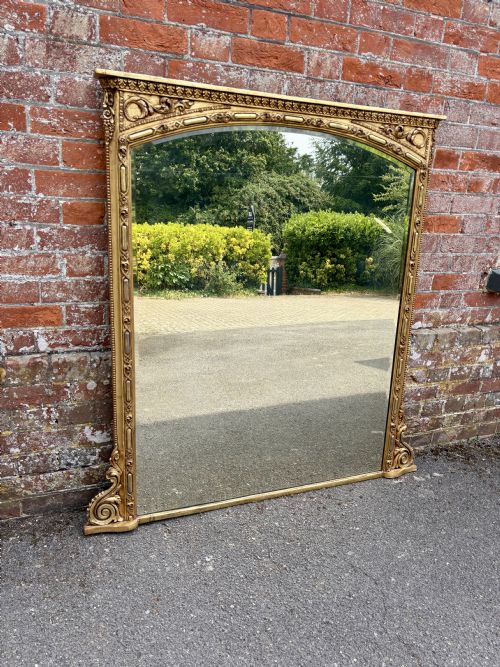
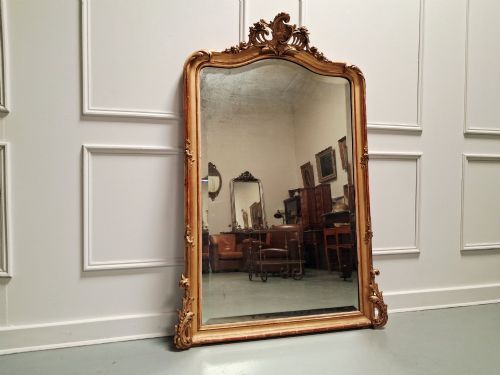
French Arched Mantle Mirror
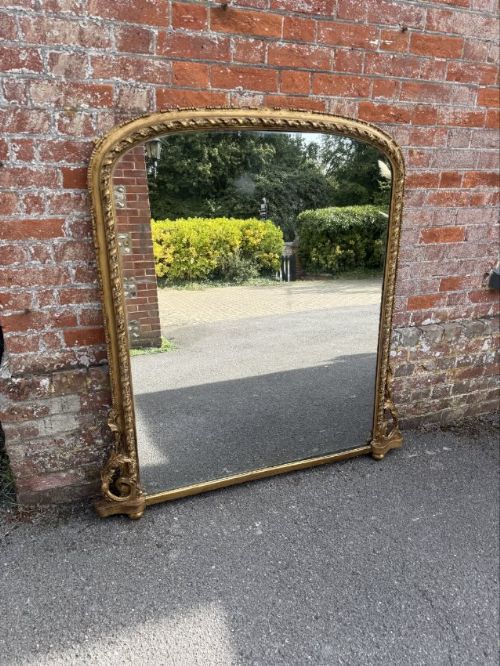
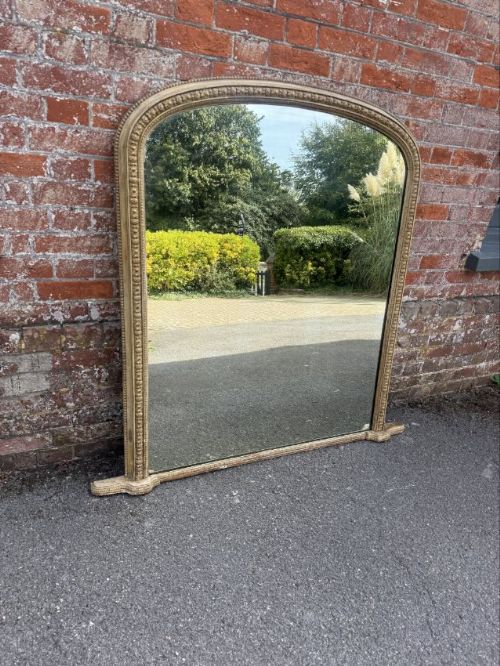
A french arched mantle mirror brings architectural curve and reflected light into a room, most often arriving from the nineteenth century in gilded wood and gesso.
French Arched Mantle Mirror
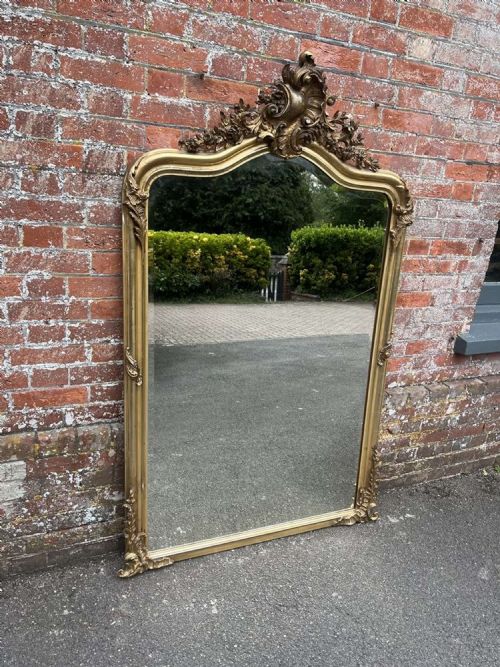
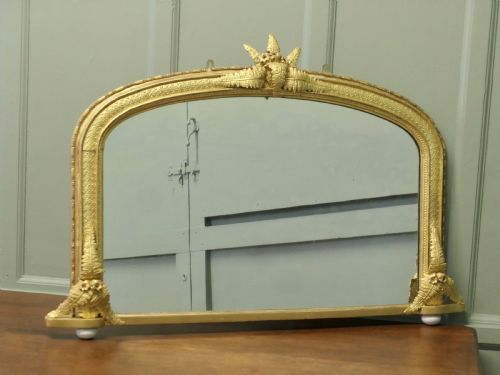
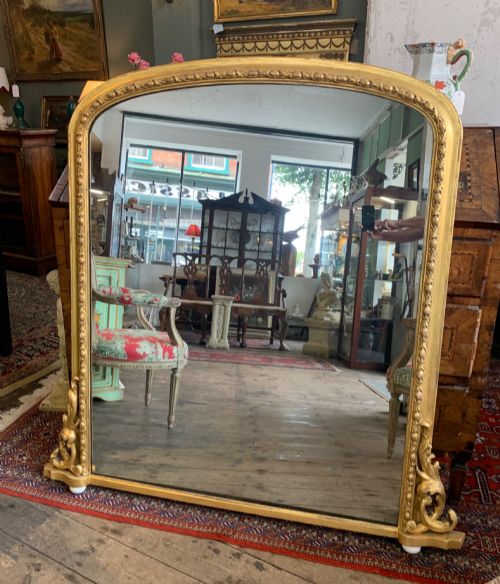
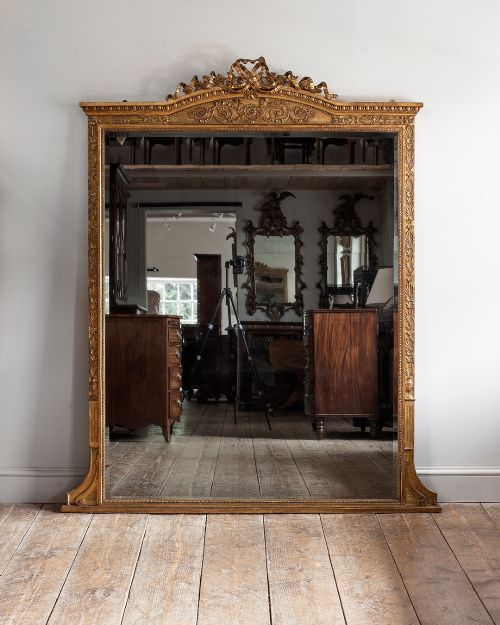
When you search for a french arched mantle mirror, you encounter large wall and overmantel pieces designed to sit above a fireplace or anchor a principal wall. These items emerge primarily from nineteenth century French and Victorian workshops, spanning Louis Philippe, Rococo, and chateau styles.
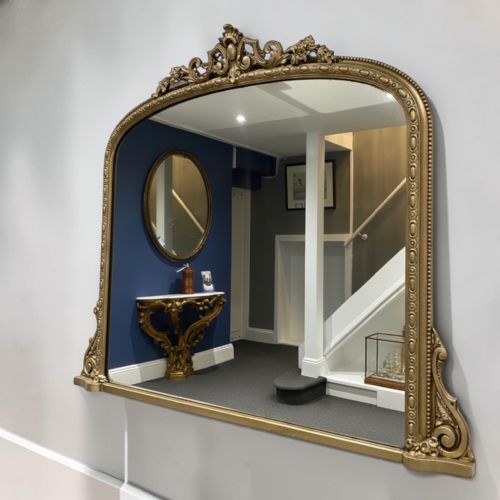
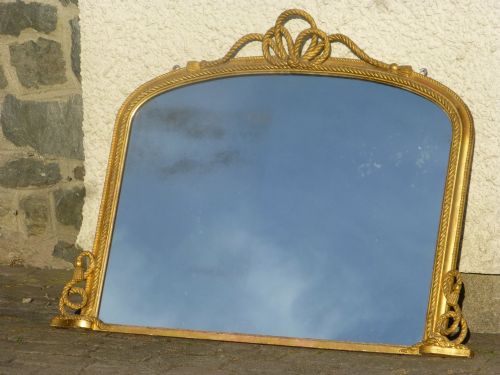
The format relies on a curved upper arch that softens the rectangular proportions of a room. Most examples found here combine substantial scale with decorative crests, central cartouches, or rope twist details.
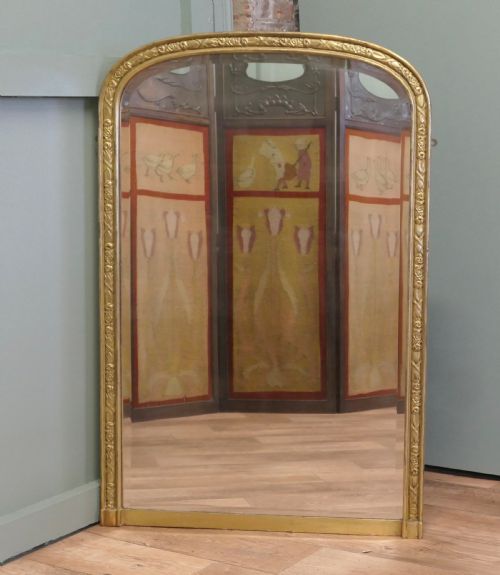
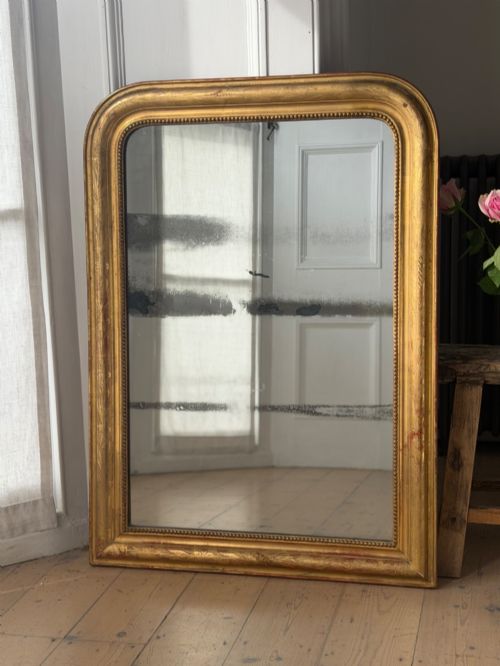
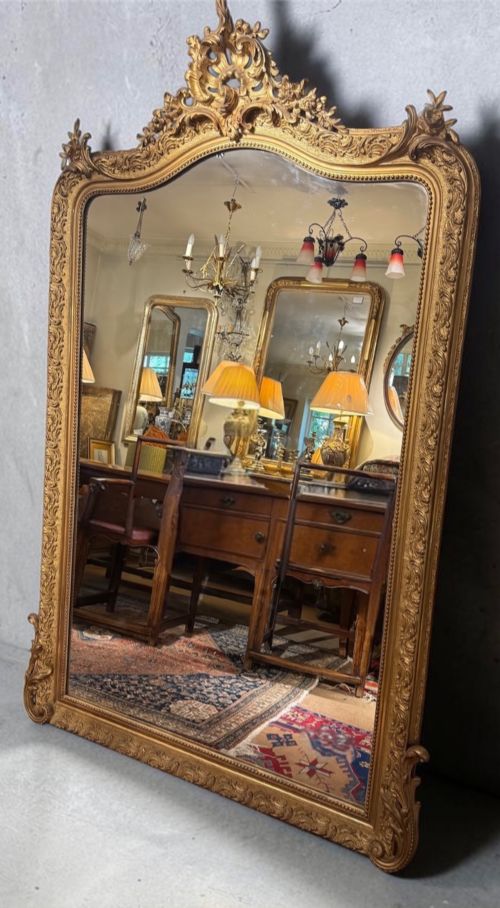
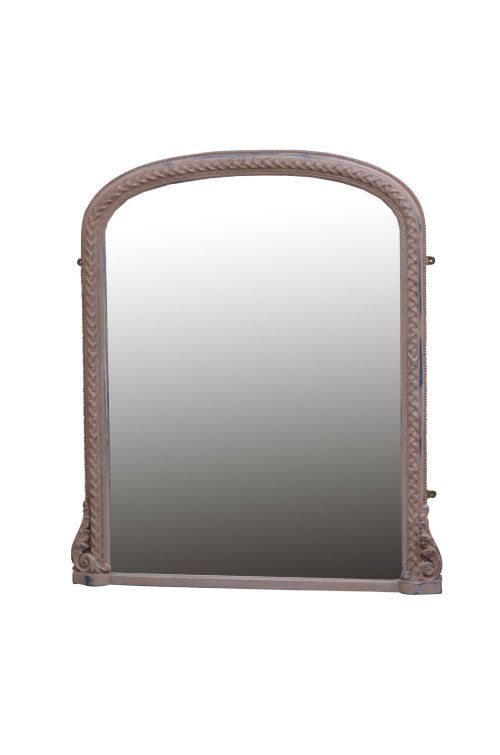
The selection ranges from restrained Louis Philippe frames with subtle wooden moulding to ornate Rococo Revival pieces featuring elaborate gesso ornamentation. These mirrors function as both practical glass panels and major decorative statements.
Materials and construction methods
Makers built the structural frames from carved wood, utilising walnut, gesso, and giltwood to achieve durable yet decorative supports. Gesso was applied over carved wooden bases to build up intricate relief patterns and curves before gilding.
Surfaces received finishes of gold leaf, silver leaf, or paint palettes including layered lilac, ink blue, and traditional gilt. Mirror glass plates were set within these frames, occasionally showing historical foxed mercury characteristics from early production methods.
Object forms span wall mirrors and overmantel mirrors, executed in styles ranging from early Victorian and French Rococo to Louis Philippe.
Distinctions in craftsmanship and preservation
The division between standard production and exceptional work rests on the depth and crispness of the carved wood and gesso relief. Superior examples exhibit hand-carved detailing on the central cartouche and frame edges rather than repetitive moulded composition ornaments.
Preservation of the original gilding and the character of the mirror glass dictate the standing of a piece. Retaining period surfaces, such as foxed mercury glass paired with untouched giltwood, preserves the integrity of the antique.
The French Arched Mantle Mirror Glossary
- Gesso
- A plaster-like mixture applied to wood frames to create a smooth surface for carving and gilding. This material allows artisans to build up high-relief decorative motifs.
- Giltwood
- Wood that has been coated with gold leaf or a gold-coloured metallic finish. It provides a luminous surface that catches and reflects ambient room light.
- Overmantel mirror
- A large wall mirror specifically proportioned to hang on the wall above a fireplace mantel. These pieces dominate the chimney breast and expand visual space.
- Cartouche
- An ornamental tablet or oval frame design, often placed centrally at the crest of a mirror. It serves as a focal point for carved decoration.
- Foxed glass
- Mirror glass that has developed dark spots and degradation behind the reflective coating over time. This ageing process indicates the historical use of mercury backing.
French Arched Mantle Mirror: Frequently Asked Questions
How do I style a mantle mirror?
Position the mirror centrally above a fireplace mantel, allowing the arched top to break the horizontal line of the shelf. Keep surrounding decor minimal to let the frame act as the primary focal point.
Pair the piece with simple candlesticks or small objects that do not obscure the lower glass or carved details of the frame.
What is Louis Philippe style?
Louis Philippe style refers to nineteenth-century French pieces characterised by clean, understated lines and gentle curves. These frames typically feature rounded top corners and subtle wooden moulding.
This aesthetic avoids excessive ornamentation, relying instead on pleasing proportions and quality timber or simple gilding.
How can I date an antique mirror?
Examine the construction of the wooden frame, the composition of the gesso, and the backboards for signs of age and hand-tooling. Nineteenth-century pieces often display hand-carved elements and older joinery techniques.
Check the glass itself for historical manufacturing traits, such as foxing or irregularities within the reflective surface.
Are these mirrors heavy to hang?
These large wall and overmantel mirrors carry significant weight due to the solid wood frames and thick glass panels. Secure mounting into structural wall studs is essential for safe installation.
Professional wall fixings rated for heavy loads should be utilised to support the substantial mass of nineteenth-century frames.