
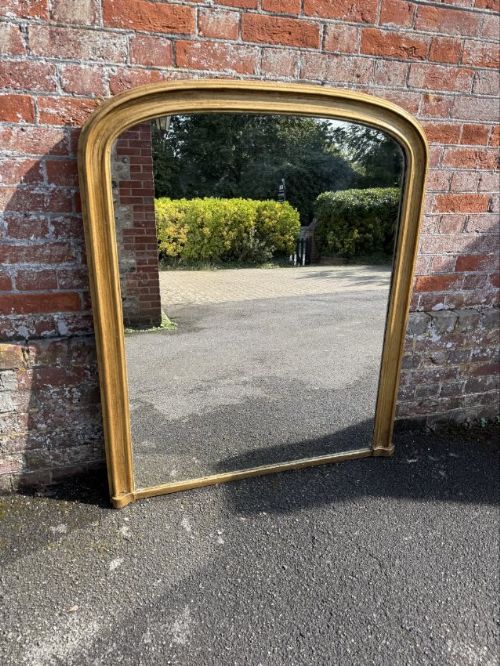
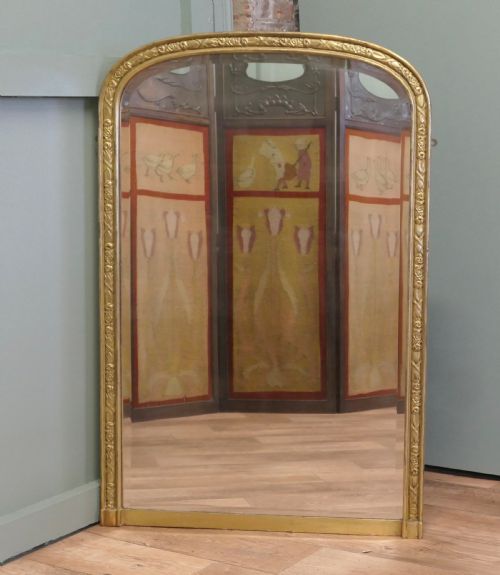

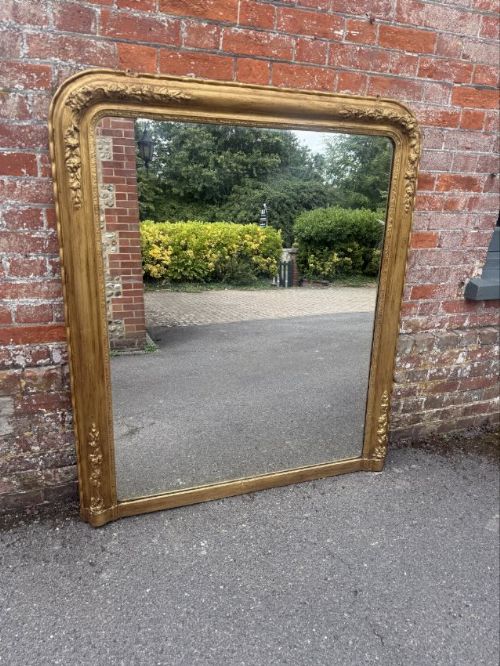
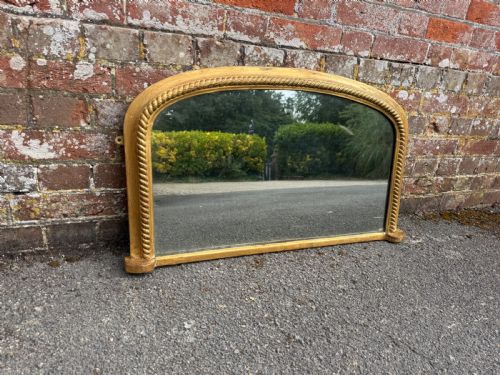
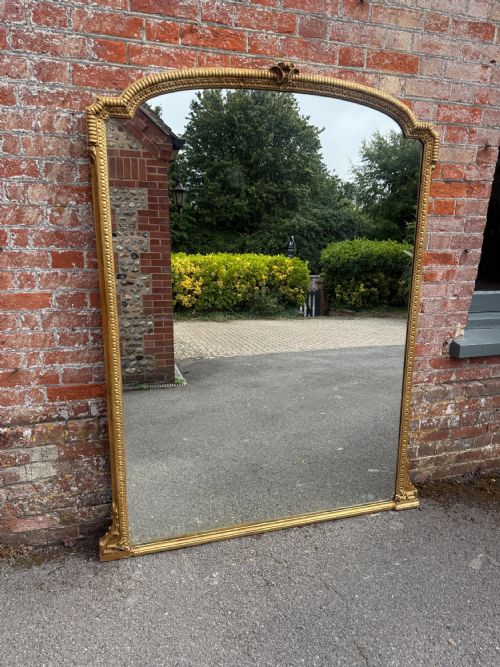
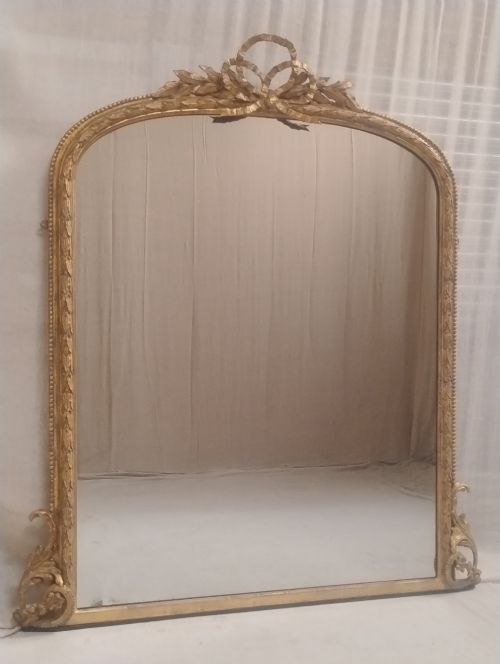
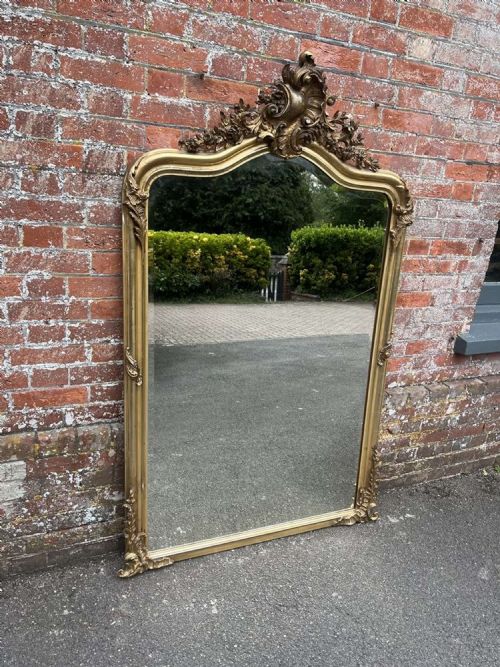
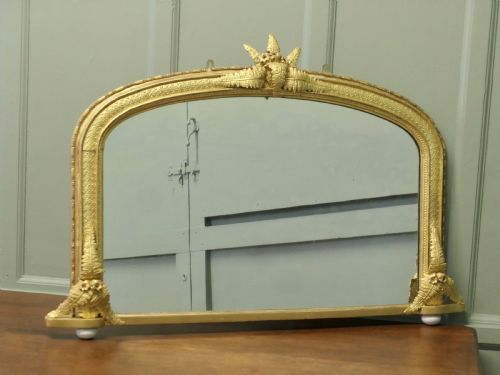
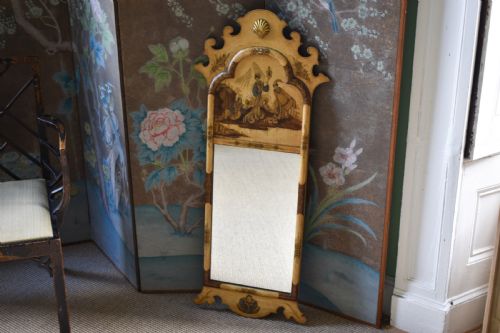


Arched Top Gilt Mirror
An arched top gilt mirror brings instant scale and reflected light to a room, drawing the eye upwards with its curved silhouette.
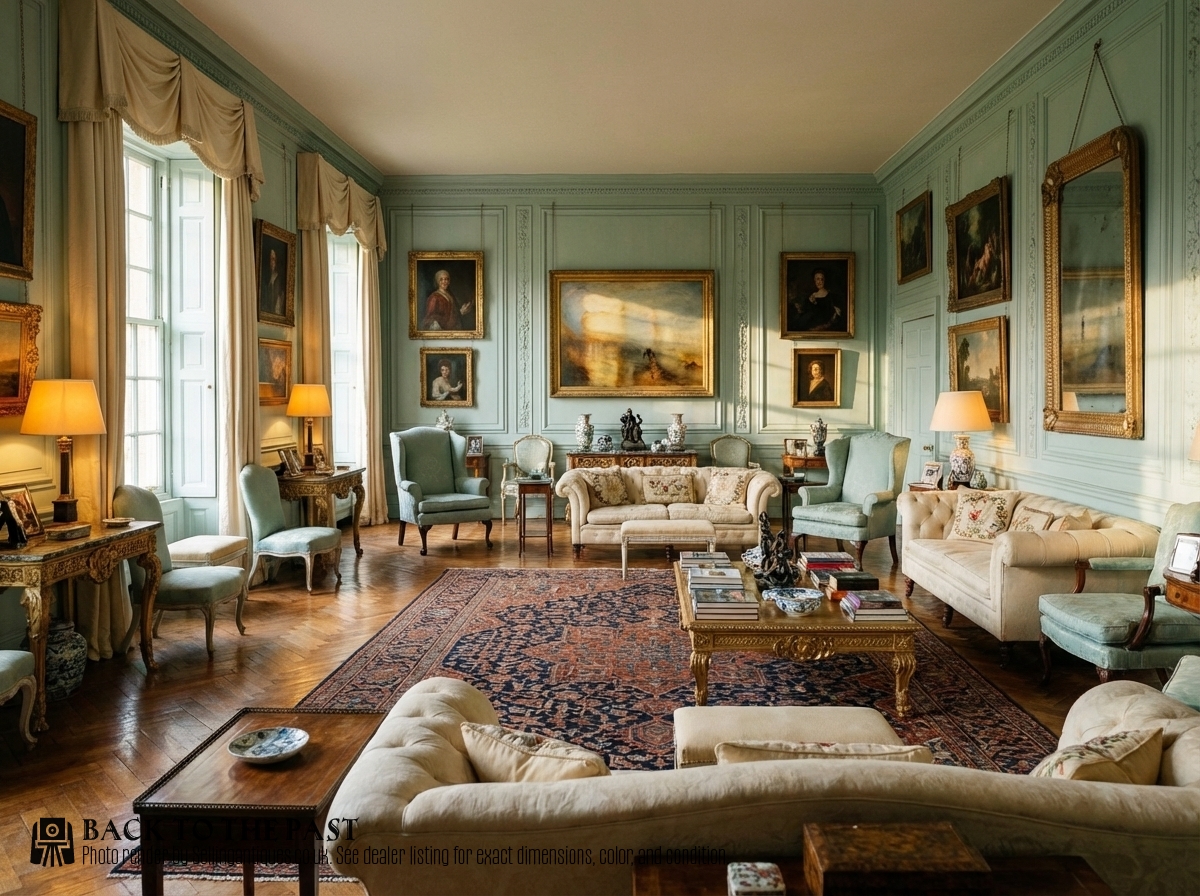
Arched Top Gilt Mirror
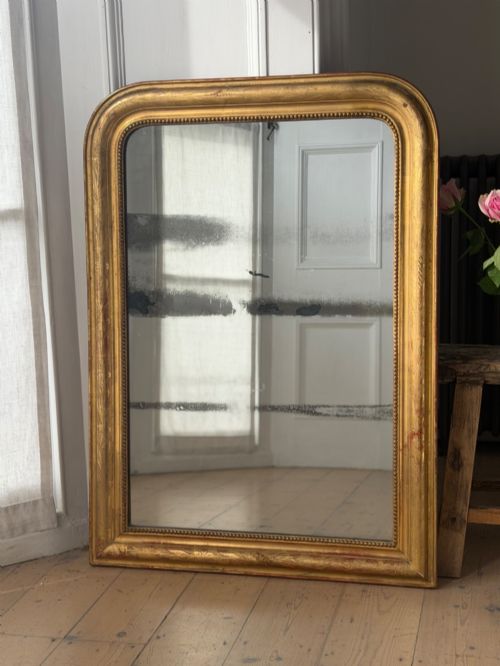
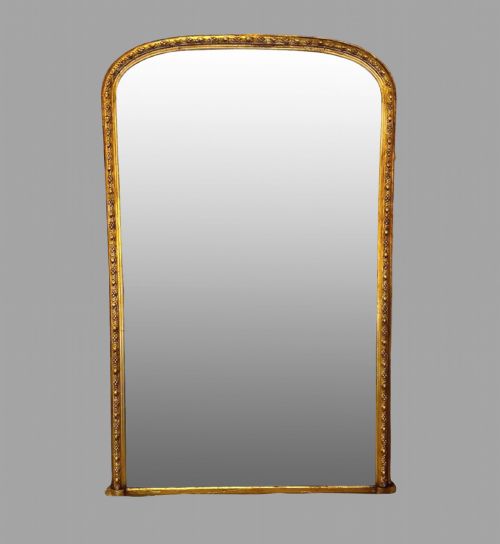
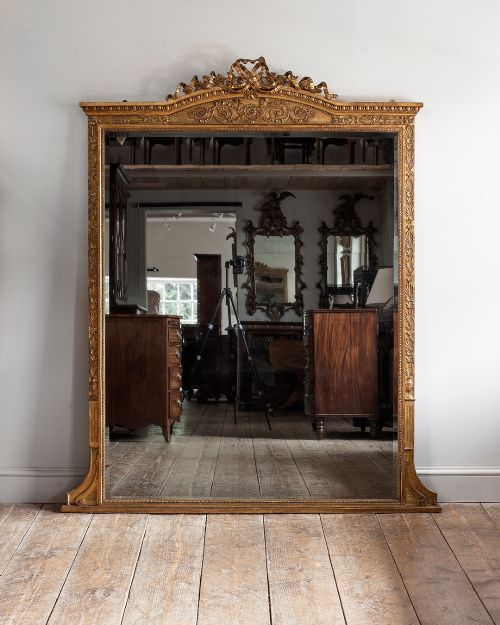
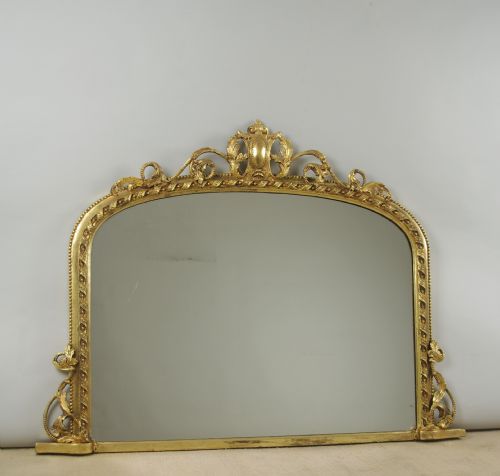
When searching for an arched top gilt mirror, collectors generally encounter substantial nineteenth-century pieces designed to sit above a fireplace or function as a grand wall hanging. The selection spans English overmantel mirrors and French Louis Philippe styles, dating primarily from the Victorian era down to the late eighteen-eighties.
Many examples take the form of heavy wooden frames shaped with sweeping curves at the top edge, occasionally incorporating decorative elements like rope twist borders, tulip motifs, or central cartouches. These grand formats were built to anchor a room, dominating chimney breasts and bouncing natural daylight across high-ceilinged interiors.
Originating largely from English and French workshops of the eighteen-fifties through the eighteen-eighties, these mirrors combine architectural presence with ornamental surface treatments. Whether found as a plain ribbed frame or an elaborate French rococo revival piece, each object carries the distinct proportions of nineteenth-century domestic display.
How They Were Made
The construction of these frames typically relies on a foundation of carved wood built up with moulded gesso and composition ornaments to create crisp relief details. Artisans then applied thin layers of gold leaf or gilt directly over the prepared gesso base, sealing the wooden core beneath a brilliant metallic surface.
Glass plates of the period were hand-silvered or produced as mercury glass, which naturally develops foxing and dark speckles over decades of oxidation. The combination of heavy timber bracing, applied plaster mouldings, and original reflective plates explains the substantial weight shared by these antique wall hangings.
Arched Top Gilt Mirror Retail Price Guide 2026
Typical asking prices for arched top gilt mirror among the pieces listed under this phrase on Sellingantiques today, from the lower quarter to the upper quarter. They describe what is for sale here now, not the wider market.
Listings feature eighteenth-century through Victorian periods, utilising materials such as gesso, giltwood, and original mercury mirror glass.
What Varies in Quality
Quality in these mirrors rests largely on the crispness of the gesso moulding and the preservation of the original gold leaf surface. Finer examples display deeply carved wooden elements and sharp, well-defined decorative motifs rather than flattened plaster casts.
The integrity of the glass plate also determines the character of the piece, with undisturbed mercury plates showing aged foxing offering a truer historical artefact than modern replacement glass. Furthermore, frames retaining their original gilding without excessive over-painting demonstrate superior preservation.
The Arched Top Gilt Mirror Glossary
- Gesso
- A mixture of plaster of Paris and glue used as a base for moulding intricate surface decoration on wooden frames before gilding. This foundational layer allows for sharp, durable ornamental relief.
- Giltwood
- Timber that has been coated with thin sheets of gold leaf or gold paint to give a rich metallic appearance. It forms the primary visual finish for the majority of nineteenth-century grand mirrors.
- Overmantel Mirror
- A large horizontal or vertically proportioned looking glass specifically designed to be hung on the wall directly above a fireplace mantelpiece. They anchor the domestic hearth by reflecting the room below.
- Foxing
- The natural ageing process in antique mirror glass where moisture breaks down the silvering beneath, resulting in dark spots and a mottled reflective surface. Collectors prize this charming imperfection as proof of genuine age.
- Louis Philippe
- A mid-nineteenth-century French style characterised by restrained curves, rounded upper corners, and simple beaded or moulded frames. This aesthetic offers a softer, more understated elegance than heavily ornate rococo designs.
Arched Top Gilt Mirror: Frequently Asked Questions
Where should an arched top gilt mirror be hung?
These large looking glasses were traditionally manufactured to sit securely upon a fireplace mantelpiece, serving as the visual anchor for the entire reception room. In modern interiors, they function equally well mounted directly onto a primary wall to draw light inward and create an illusion of greater architectural space.
Because nineteenth-century frames carry considerable weight from their timber and gesso construction, proper wall fixings into masonry or studs are essential. Positioning the arch opposite a window maximises the reflection of daylight across the room.
How can I tell an original Victorian mirror from a reproduction?
Authentic nineteenth-century pieces display heavy wooden backing boards secured with old hand-cut or early machine-made screws, alongside substantial weight from the solid timber and plaster composition. The gilt surface often exhibits subtle craquelure, wear patterns, and a softer metallic tone achieved through decades of oxidation.
By contrast, modern reproductions frequently utilise lightweight synthetic resins for the frame and brand-new, unblemished glass without any natural foxing. Examining the construction joints and the back of the frame usually reveals the true age of the piece.
What is foxed glass on an antique mirror?
Foxing refers to the speckled, darkened patches that develop on antique mirror plates when atmospheric moisture slowly breaches the protective backing behind the glass. This chemical reaction creates an atmospheric, mottled reflection rather than a flawless, crystal-clear image.
Rather than a defect, this ageing process is viewed by collectors as an authentic sign of period manufacture. It gives the glass a soft, cloudy depth that modern silvering methods cannot replicate.
How do I clean and care for a giltwood frame?
Giltwood frames require gentle maintenance using a soft, dry ostrich feather duster or a clean dry artist brush to remove accumulated dust from delicate gesso mouldings. Moisture, chemical cleaning sprays, and damp cloths must be strictly avoided because water lifts fragile gold leaf and softens old gesso.
Keeping the mirror away from direct sunlight and extreme temperature fluctuations protects the wood from warping and prevents the delicate metallic surface from flaking away over time.