



Arched Top Bracket Clock
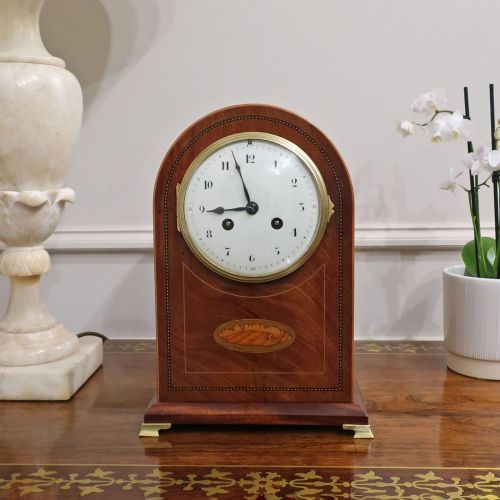
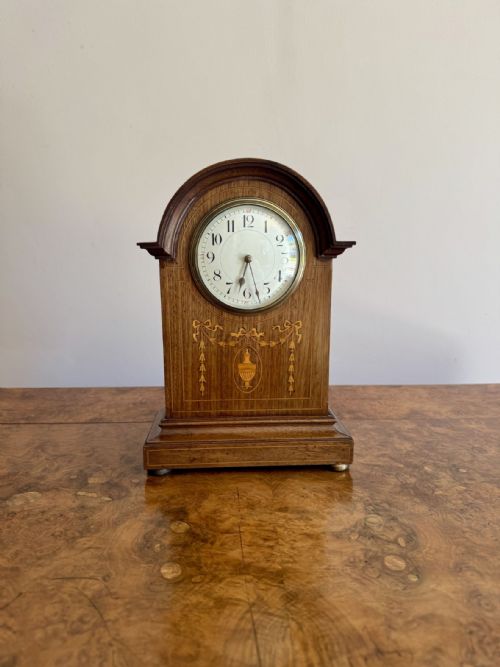
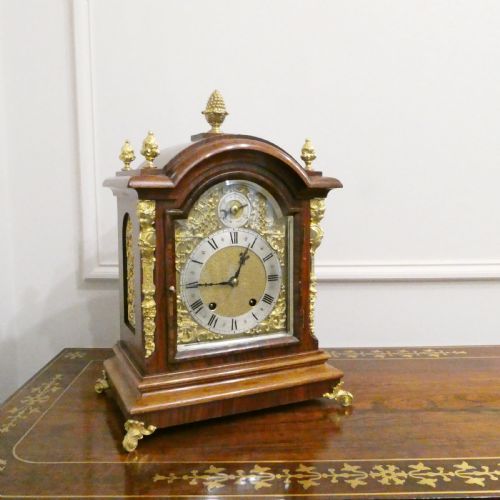
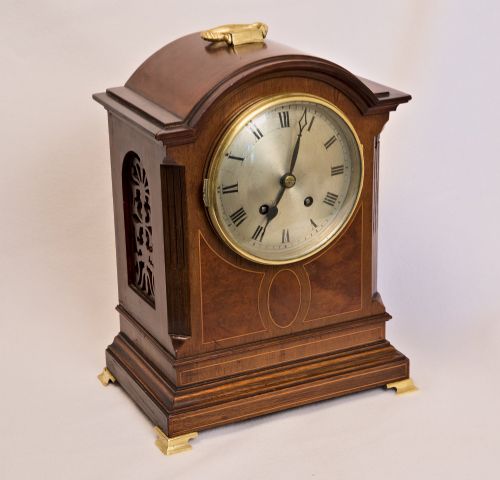
An arched top bracket clock brings precision timekeeping and architectural presence into a room, featuring the classic domed silhouette that defined centuries of horology.
Arched Top Bracket Clock
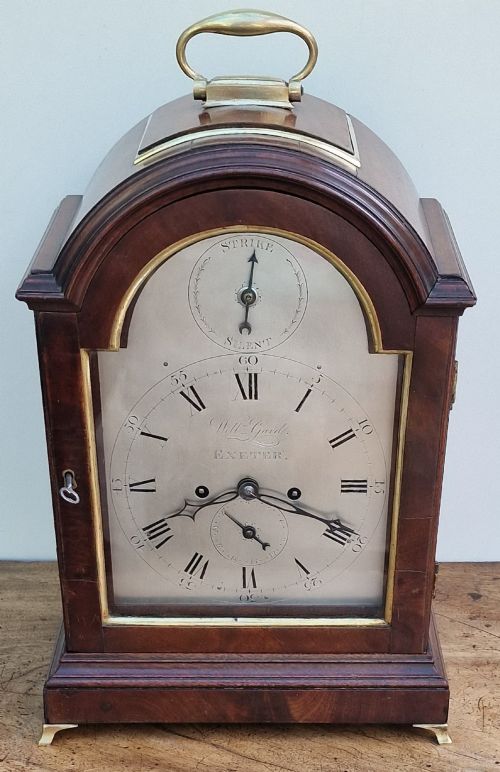
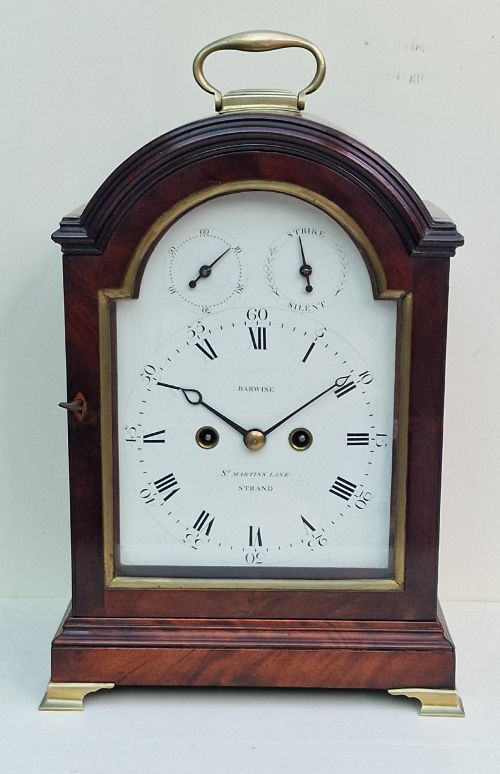
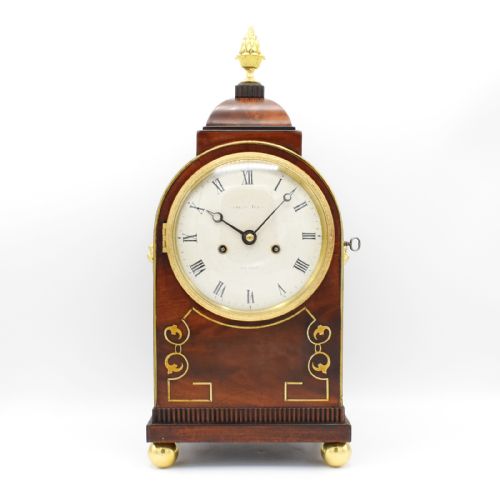
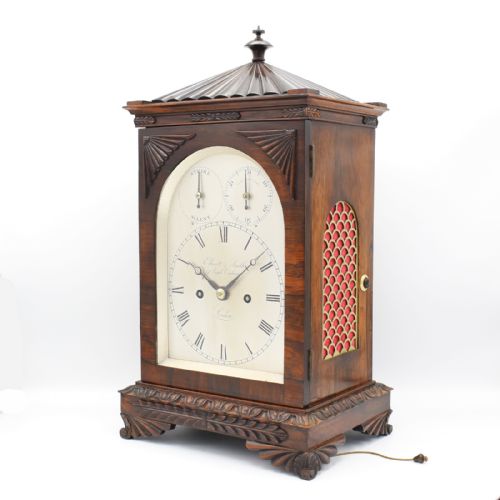
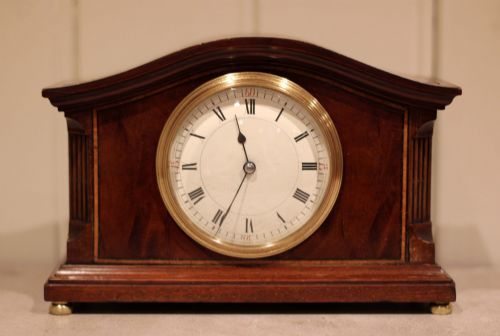
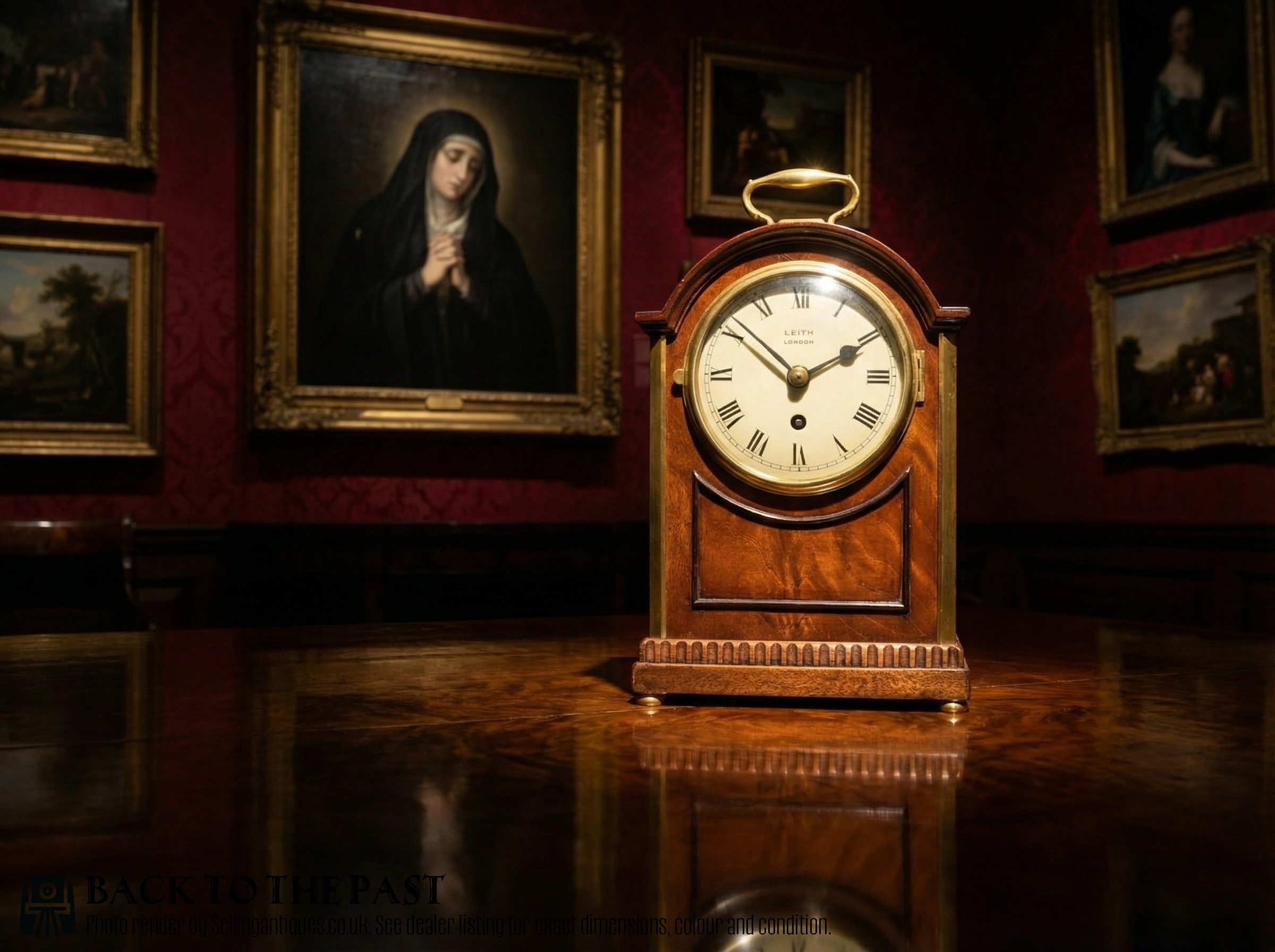
An arched top bracket clock is a portable table or mantel timekeeper housed in a wooden case with a rounded or arched summit, designed during periods from the eighteenth century through to the Edwardian era. You will frequently encounter mahogany cases from the Georgian and Regency periods, alongside later Victorian and Edwardian examples utilising oak, walnut, and satinwood.
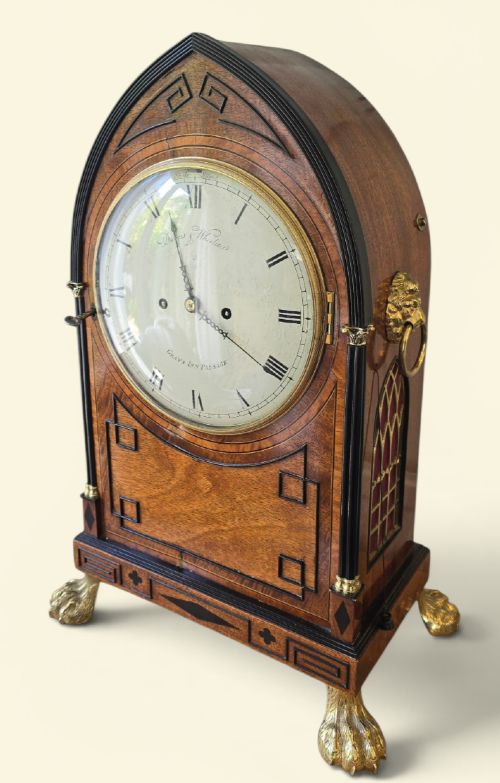
Makers housed these movements in varied silhouettes including lancet tops, pad tops, and bell tops, often pairing the timber with brass mounts, glass panels, and silvered metal dials. Provincial workshops and notable London makers alike produced these pieces, spanning simple timepieces to complex twin fusee and ting-tang striking mechanisms.
How they were made
Craftsmen built the structural cases using dense hardwoods such as mahogany, ebony, walnut, and oak, frequently incorporating decorative inlays of satinwood and delicate brass stringing. Dial construction involved silvered metal or enamel faces protected behind hinged glass bezels and fitted with cast brass handles or feet.
The internal mechanics relied upon intricate brass gear trains driven by fusee movements or spring-driven mechanisms, utilising verge escapements and striking systems to regulate time and sound the hours.
Arched Top Bracket Clock Retail Price Guide 2026
Typical asking prices for arched top bracket clock among the pieces listed under this phrase on Sellingantiques today, from the lower quarter to the upper quarter. They describe what is for sale here now, not the wider market.
Materials recorded across these pieces include glass, ebony, satinwood, and oak, alongside specialised components like enamel dials and verge escapements.
What varies in quality
The caliber of an arched top bracket clock depends heavily on the precision of the internal movement and the reputation of the horologist whose signature appears on the dial. Provincial pieces often display simpler execution, whereas works by documented London makers or premier continental workshops exhibit superior mechanical complexity and refined proportions.
Cabinetwork quality differentiates standard production from exceptional pieces, seen in the selection of figured timbers, the crispness of brass inlay, and the integration of specialised striking mechanisms like ting-tang or bell-top configurations.
William Gard Exeter·Barwise London·Charles Pratt London·Ellicott And Smith·Desbois And Wheeler·Schneckenburger·S Simpson Southampton·Cording of London·Phillips Brothers·Wilkinson Leicester·Hyde of Salisbury·Louis Recordon·Perigal of London·Lenzkirch·Winterhalder And Hofmeier·John McGregor Wick·Perigal And Duterrau·Ganthony of London
The Arched Top Bracket Clock Glossary
- Fusee
- A conical pulley used in mechanical clocks to maintain even power delivery as the mainspring unwinds. This device ensures consistent timekeeping accuracy throughout the running cycle.
- Verge escapement
- An early type of clock escapement mechanism that controls the release of power from the gear train. It is typically paired with a pendulum or balance wheel in older pieces.
- Ting-tang
- A striking system utilising two bells or gongs to sound the quarters or half-hours with distinct alternating notes. This mechanism adds an acoustic layer to the traditional striking clock.
- Lancet top
- A pointed, gothic-arch case silhouette popular during the Regency and Edwardian periods. This architectural shape draws the eye upward along the timber grain.
- Silvered metal
- A metal dial surface treated with a silver compound to create a matte, reflective finish. It provides high contrast for engraved numerals and maker signatures.
Arched Top Bracket Clock: Frequently Asked Questions
What is a fusee movement?
A fusee movement uses a conical pulley to equalize the pull of the mainspring as it unwinds. This mechanism provides steady force to the gear train for consistent accuracy.
Clocks with fusee drives required skilled watchmakers to calculate the spiral grooves on the brass cone. Such movements are a mark of traditional British horological quality.
How do I wind the clock?
Winding involves inserting a matching key into the winding holes on the dial and turning it gently until resistance stops the barrel. Care must be taken not to overwind the spring.
Most eight-day movements require attention weekly, while simpler timepieces follow their own specific schedules depending on the gear train configuration.
Where were bracket clocks placed?
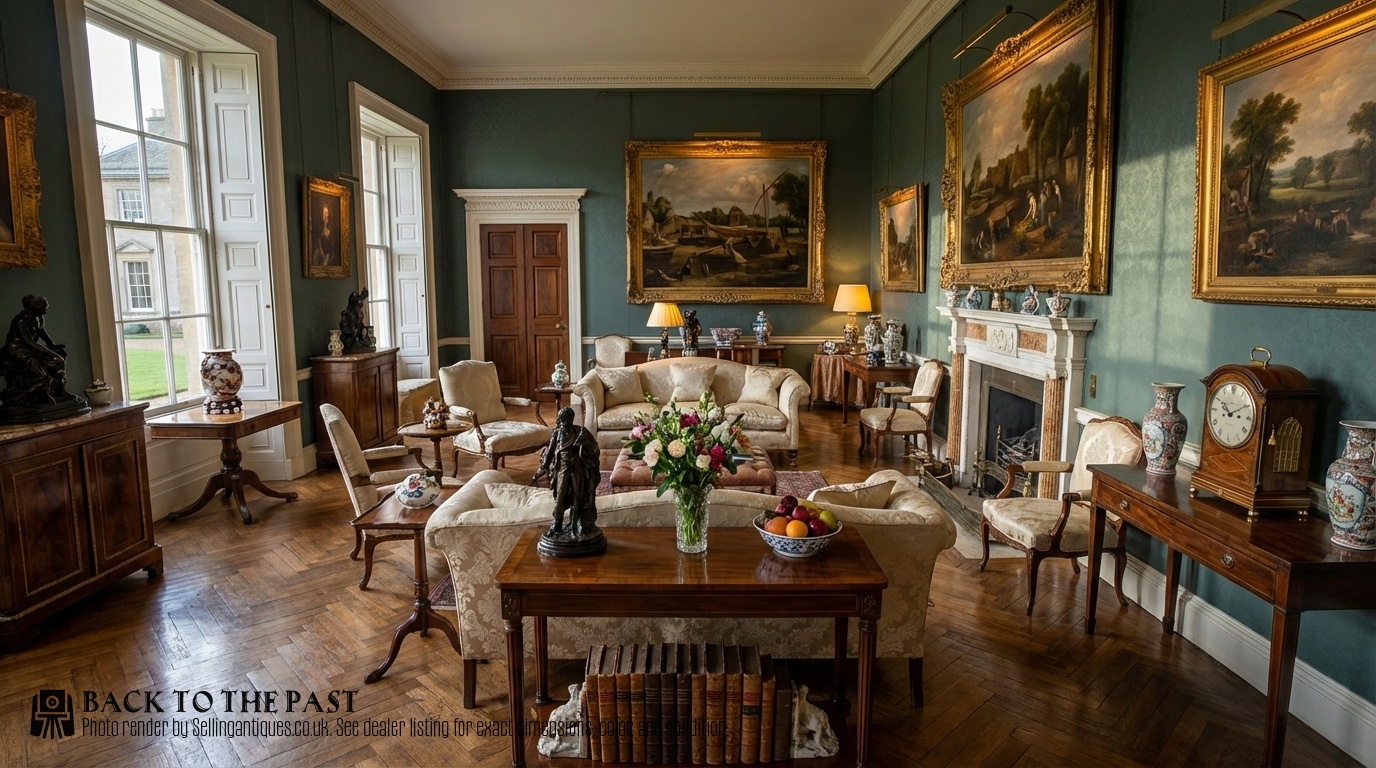
Bracket clocks sat upon desks, tables, or specialised wall brackets in principal rooms of period homes. Their portable nature allowed owners to move them between chambers.
Because they were designed to be viewed from the front and sides, cabinetmakers finished the mahogany or walnut casework on all visible surfaces.
What does ting-tang mean?
Ting-tang refers to a striking train that sounds two different notes on two bells to indicate the passing quarters. It provides a melodic alternative to single-gong hour strikes.
This complication appears in fine nineteenth-century German and English examples, adding auditory character to the visual presence of the wooden case.