


Arched Glazed Cabinet
An arched glazed cabinet brings architectural elegance to a room while displaying treasured books and ceramics behind clear glass.
Arched Glazed Cabinet
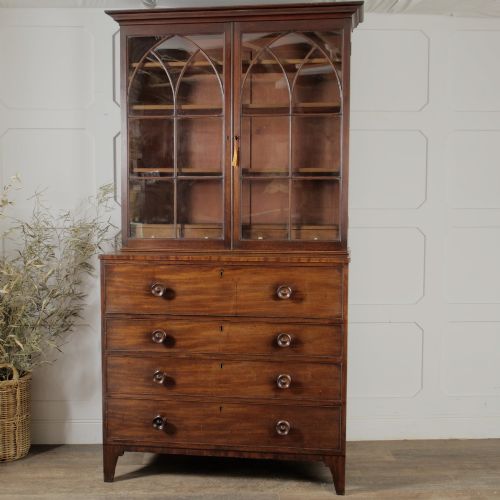
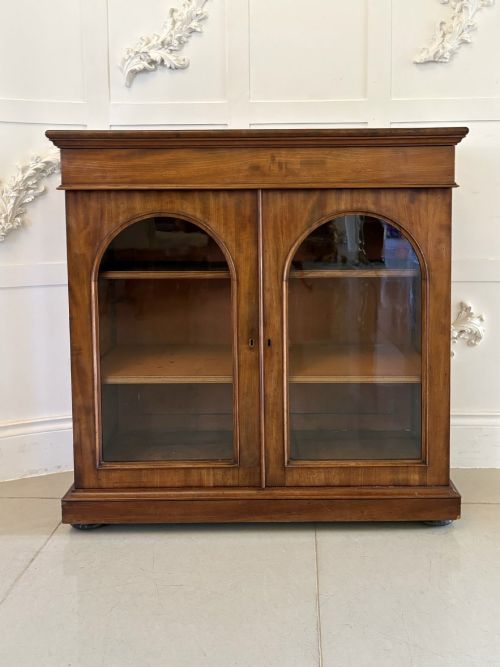
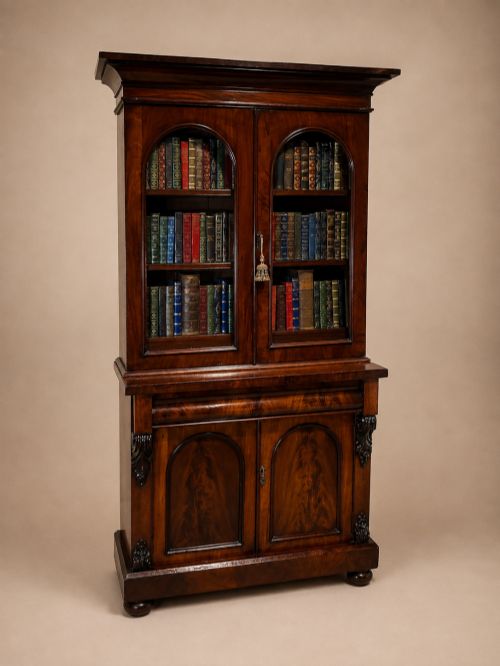
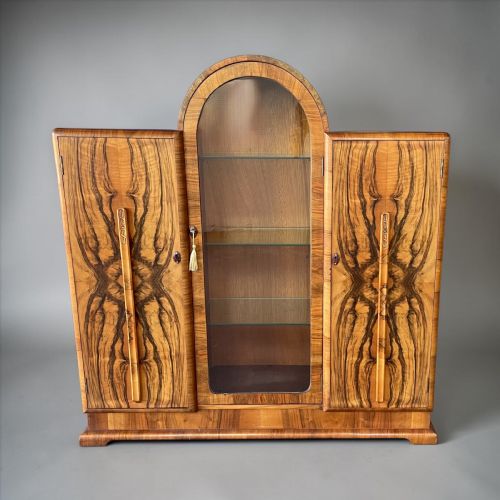
When you search for an arched glazed cabinet, you encounter a variety of storage and display furniture ranging from bookcases to corner cupboards and wall units. These pieces emerge across the Georgian, Regency, and Victorian eras, carrying the architectural signatures of their respective decades.
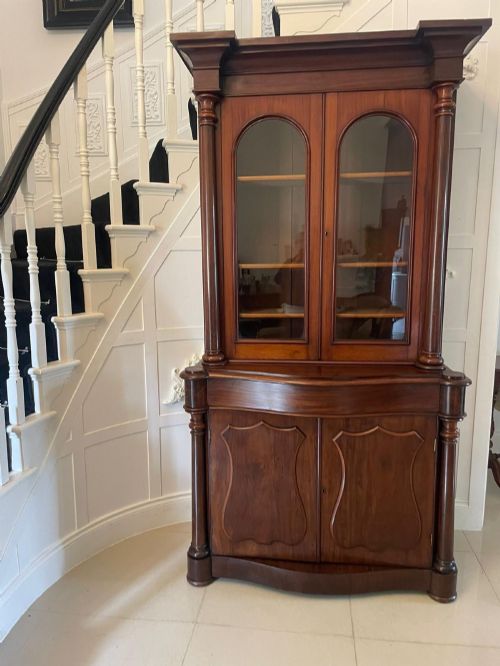
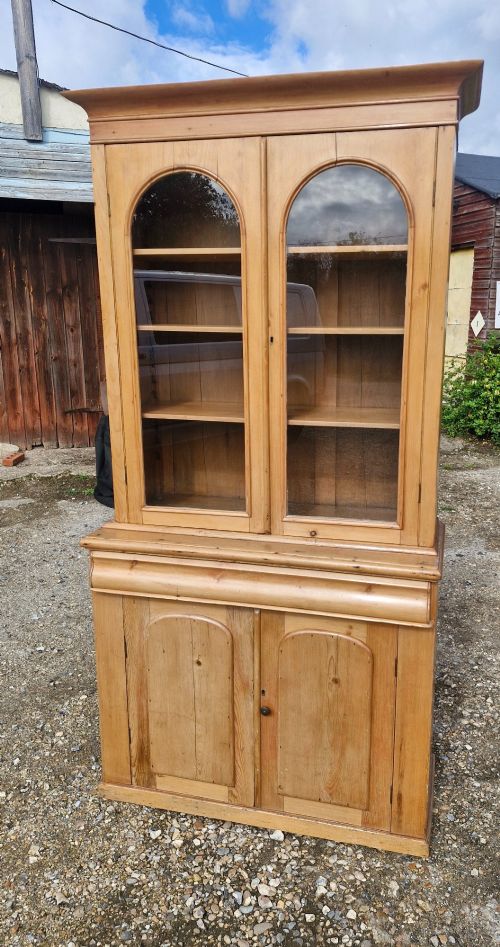
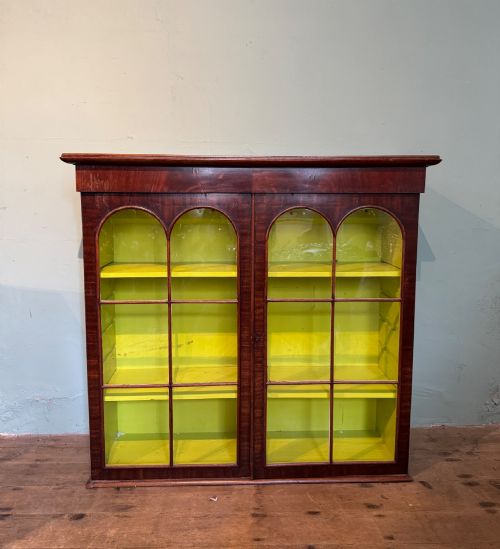
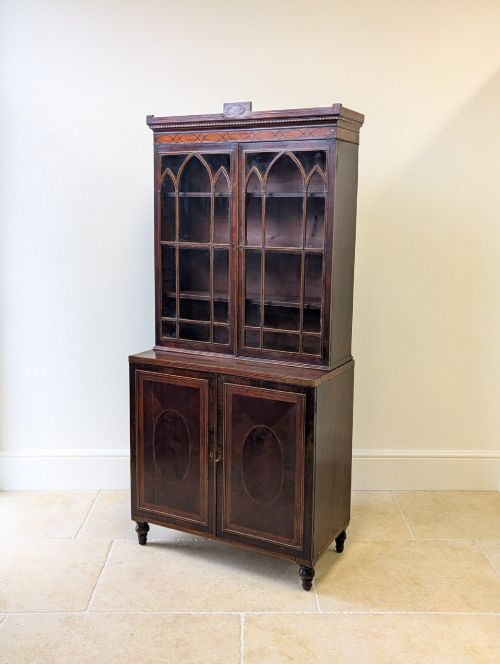
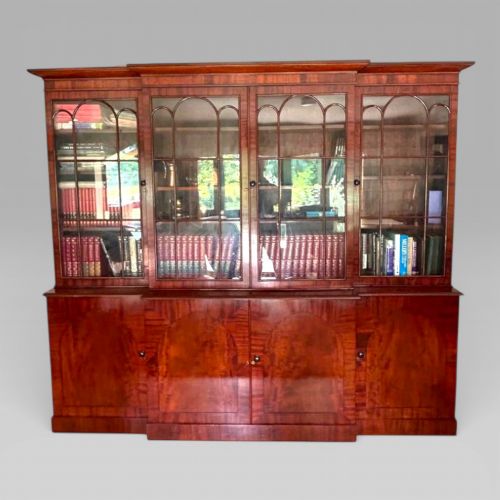
The most frequent examples on this page are mahogany bookcases and display cabinets featuring glazed upper doors with curved arches. Alongside these tall library pieces, you will find smaller corner cabinets and French dressers designed to fit domestic interiors.
Materials and construction
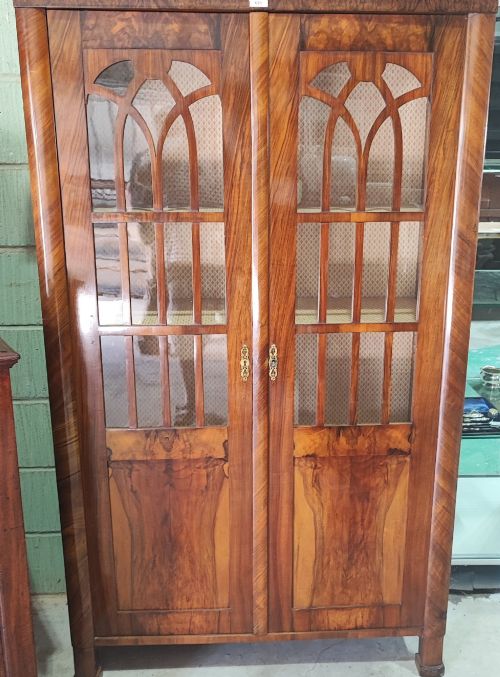
Cabinetmakers constructed these frames primarily in mahogany, walnut, and pine, frequently selecting figured veneers to create visual depth on large surfaces. Brass hardware, such as hinges and escutcheons, secures the doors and drawers while providing functional contrast to the timber.
Glass panes are fitted individually into wooden lattice frames to form the distinctive arched upper doors. Joinery techniques include precise dovetailing for drawers and mortise and tenon joints for structural stability across the carcase.
Arched Glazed Cabinet Retail Price Guide 2026
Typical asking prices for arched glazed cabinet among the pieces listed under this phrase on Sellingantiques today, from the lower quarter to the upper quarter. They describe what is for sale here now, not the wider market.
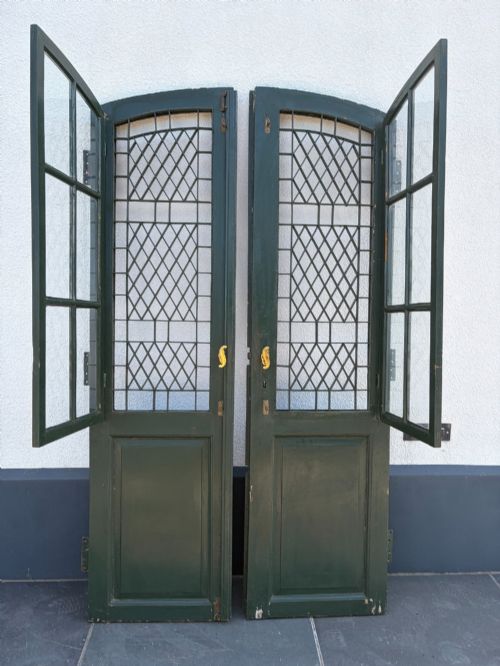
Some pine architectural salvage pieces include French doors originally built to let sunlight travel between rooms.
Distinctions in craftsmanship
The refinement of the timber selection dictates the visual success of the piece, with matched burr walnut or figured mahogany representing the higher tier of production. Simpler pine and painted wood versions offer utilitarian charm rather than cabinetmaking display.
Proportion and the execution of the arch dictate the aesthetic balance of the upper doors. Subtle details such as Tunbridgeware inlay, marquetry, and original brass fittings elevate a piece above standard workshop output.
The Arched Glazed Cabinet Glossary
- Breakfront
- A piece of furniture where the central section projects forward from the flanking wings. This configuration creates visual depth and architectural presence in large library bookcases.
- Secretaire
- A cabinet incorporating a pull-down writing drawer fitted with small compartments and pigeonholes. It combines desk functionality with enclosed shelving above.
- Vitrine
- A glass-sided display cabinet designed primarily for the exhibition of porcelain and curiosities. These cabinets often feature glazed doors on multiple sides to maximise light penetration.
- Tunbridgeware
- A form of decorative woodworking utilising thousands of tiny tinted wood mosaic blocks to create geometric or pictorial scenes. It appears as banding or inlaid panels on specific Victorian and Edwardian pieces.
- Corner cupboard
- A triangular cabinet designed to fit neatly into the corner of a room, saving floor space while providing storage. They appear in both wall-hanging and floor-standing formats.
Arched Glazed Cabinet: Frequently Asked Questions
What rooms suit an arched glazed cabinet?
These cabinets suit studies, drawing rooms, and dining spaces where books or tableware require dust-free display. Their vertical proportions utilise wall space efficiently without dominating the room.
Positioning them away from direct sunlight protects antique timber veneers and historical book bindings from fading over time.
How do I care for antique glass and wood?
Clean the glass panes gently with a soft cloth and mild solution, avoiding abrasive chemicals that might damage aged timber frames. Maintain the wood with appropriate wax to nourish the grain.
Keep the cabinet in a stable environment away from excessive humidity or heat sources to prevent the timber and veneer from warping.
Are these cabinets used for books or display?
Historical examples served primarily as library bookcases to protect valuable leather-bound volumes behind glass doors. Today, owners utilise the adjustable shelving equally for displaying ceramics, glassware, and collections.
The transparent arched doors keep contents visible while shielding delicate objects from household dust.
How do I distinguish Georgian from Victorian pieces?
Georgian pieces from the eighteenth and early nineteenth centuries often exhibit restrained classical proportions and fine mahogany grain. Victorian iterations frequently display heavier architectural moulding, Gothic revival influences, or darker walnut finishes.
Examining the internal construction, drawer linings, and backboards helps confirm the period of manufacture.