

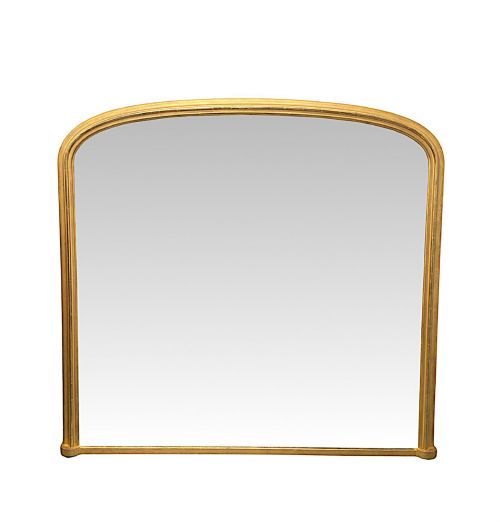
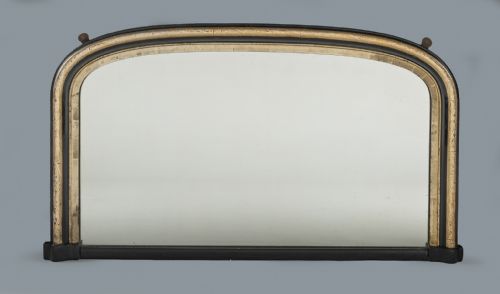
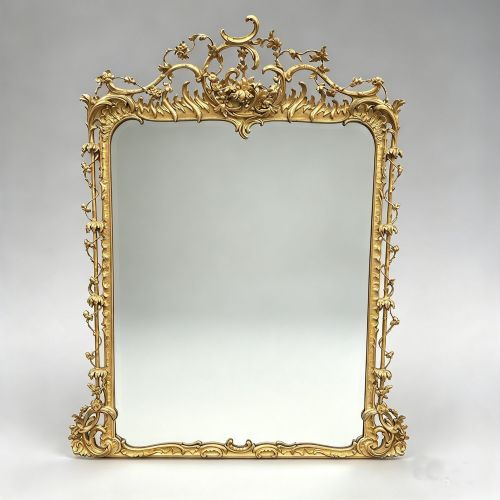
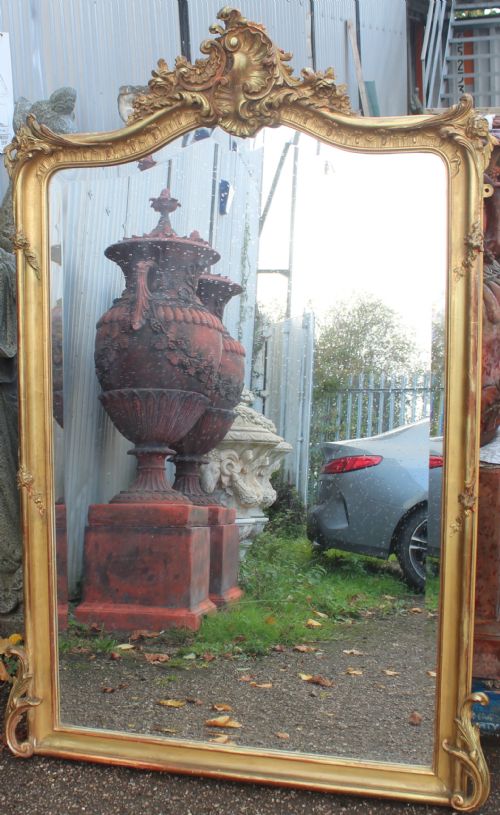
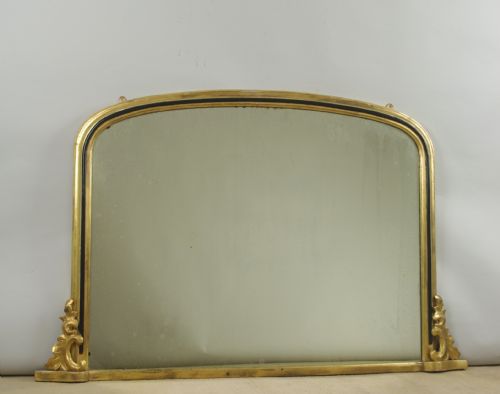
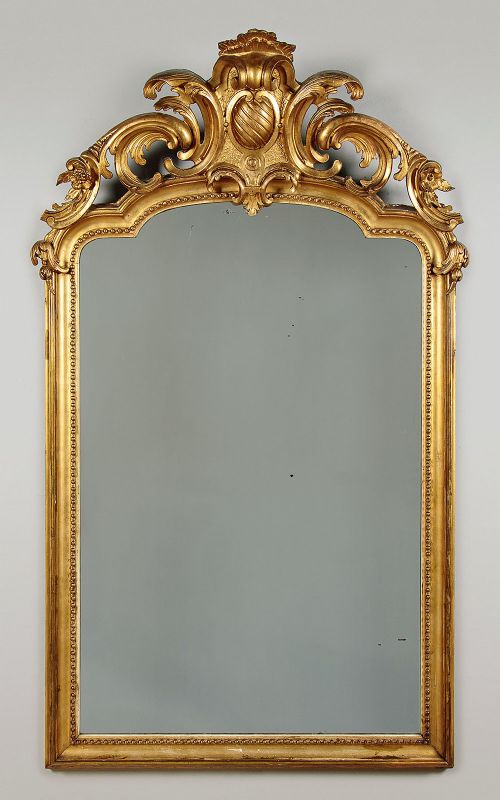
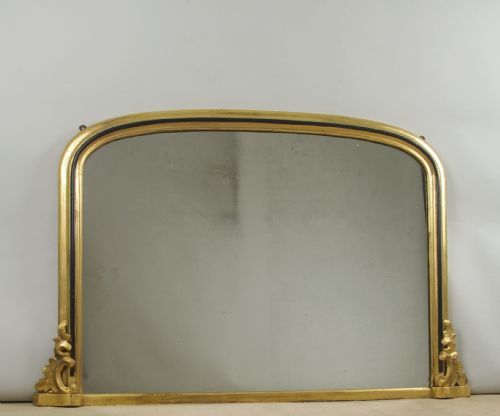
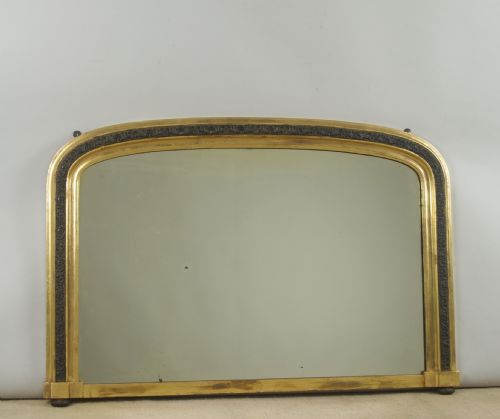
Arch Top Fireplace Mirror
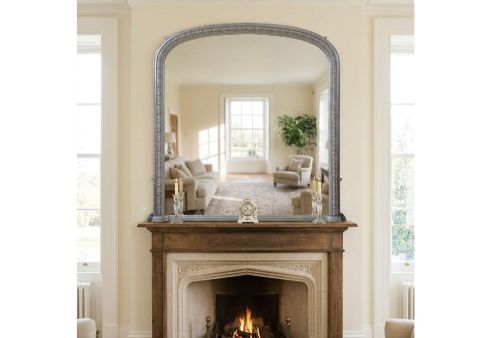
An arch top fireplace mirror brings height and a strong architectural silhouette to a room, reflecting light from a grand hearth.
Arch Top Fireplace Mirror
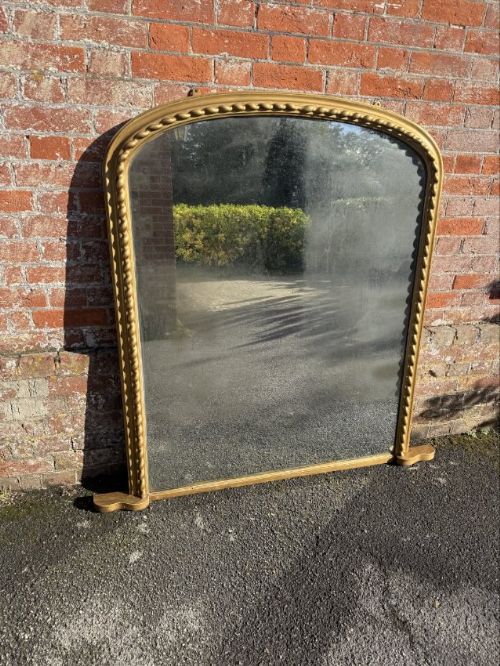
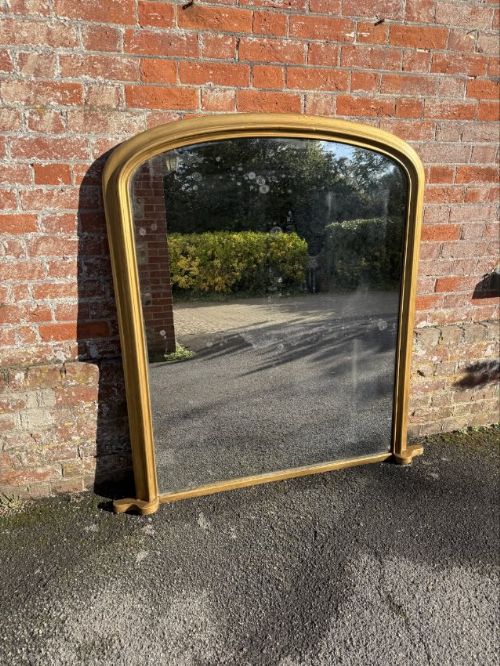
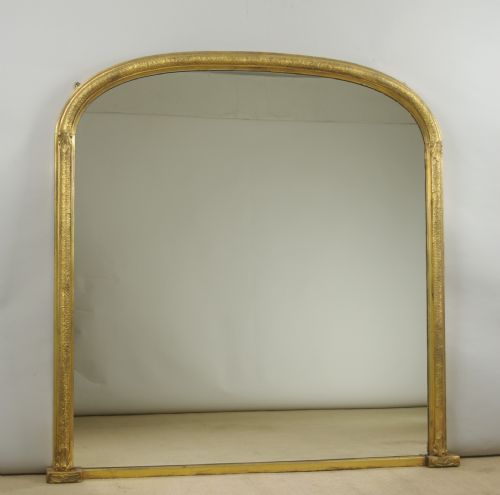
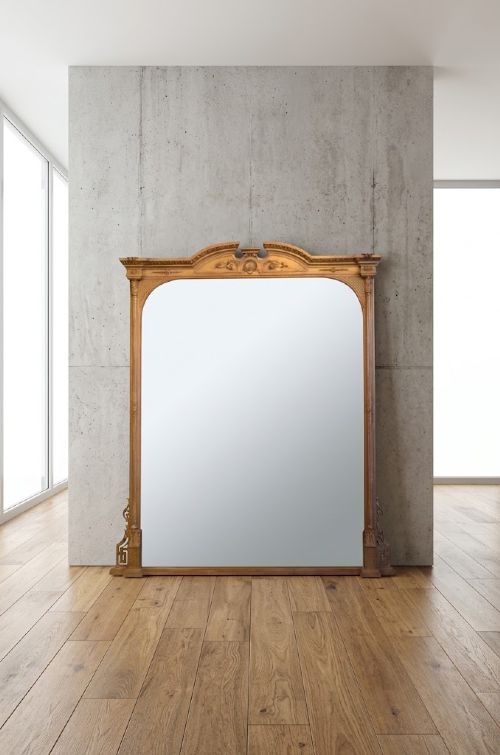
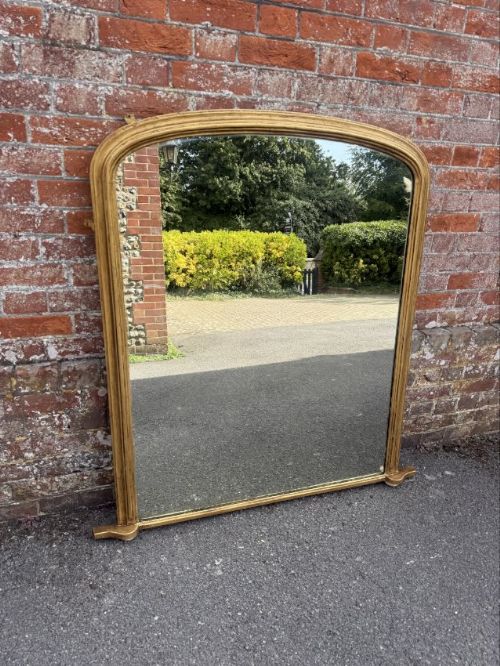
When searching for an arch top fireplace mirror, collectors encounter substantial overmantel pieces designed to sit directly above a chimney breast. These large rectangular frames feature a rounded or arched apex, often created to echo the shape of a Victorian fireplace surround or a French chateau interior.
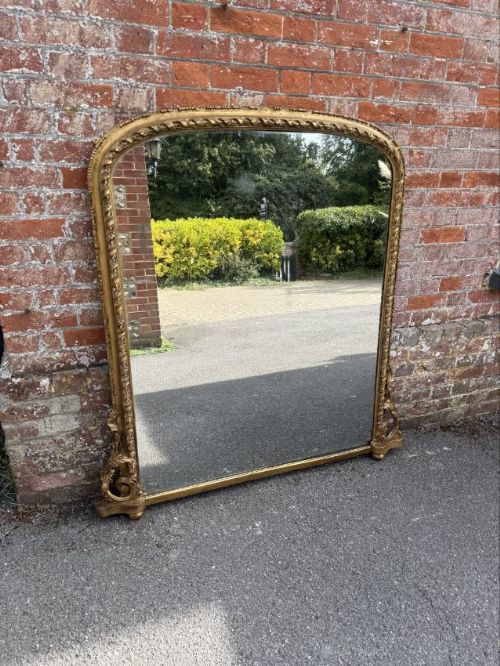
The dominant style on this page is the nineteenth century English and Victorian overmantel mirror, frequently fashioned with gilded wood and gesso ornamentation. Many examples originate from the period between 1850 and 1890, showing substantial proportions intended to fill the wall space between the mantelpiece and the cornice.
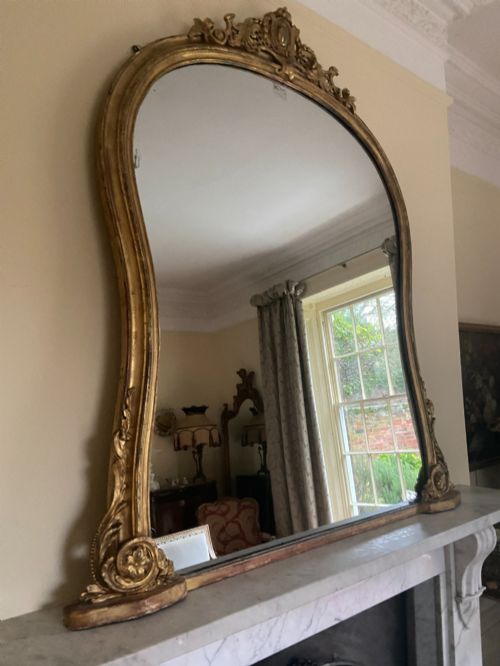
Beyond the standard gilt overmantel, buyers find variations such as walnut frames, painted and parcel silvered finishes, and occasional French rococo revival designs. These objects served a functional role in nineteenth century domestic spaces, bouncing candlelight and daylight around reception rooms.
Materials and construction methods
Carved wood and gesso form the structural foundation for the majority of these frames, providing a stable base for detailed surface decoration. Artisans applied successive layers of gesso over carved wood before adding gold leaf or composition mouldings to create relief details like rope twists, tulip motifs, and laurel leaves.
Mirror glass is fitted into heavy frames, often incorporating traditional silvering techniques appropriate to the nineteenth century. Giltwood and composition details were hand-finished, while walnut and painted timber offered alternative aesthetic choices for domestic interiors.
Arch Top Fireplace Mirror Retail Price Guide 2026
Typical asking prices for arch top fireplace mirror among the pieces listed under this phrase on Sellingantiques today, from the lower quarter to the upper quarter. They describe what is for sale here now, not the wider market.
Irish country houses clearly demanded serious reflection, as evidenced by grand nineteenth century overmantels built to capture every drop of daylight.
Distinctions in craftsmanship and condition
The depth and crispness of the carved wood and gesso ornamentation separate standard production pieces from finer work. Superior examples display sharply defined motifs, such as central cartouches and intricate rope twist or laurel leaf framing, executed with precision.
The integrity of the original gilding and the preservation of the mirror glass heavily influence the character of the piece. Heavier frames with substantial structural timber backing and minimal replacement to the decorative composition elements represent the upper tier of the range.
The Arch Top Fireplace Mirror Glossary
- Overmantel mirror
- A large mirror specifically proportioned to hang on the wall directly above a mantelpiece or fireplace. These pieces often feature horizontal or vertical formats designed to balance the weight of the hearth below.
- Gesso
- A plaster-like mixture applied to wood frames to provide a smooth surface for gilding or intricate moulding. Artisans carved and stamped this material to produce relief decoration.
- Giltwood
- Timber that has been coated with a thin layer of gold leaf or gold paint. This finish gave nineteenth century mirrors a luminous quality suited to formal reception rooms.
- Rope twist
- A carved decorative moulding resembling the spiralling strands of a rope. This pattern appears frequently on Victorian and nineteenth century frames.
Arch Top Fireplace Mirror: Frequently Asked Questions
Where should an arch top fireplace mirror be hung?
These mirrors are traditionally positioned directly above a fireplace mantelpiece to anchor the wall space and reflect light across the room. They also function effectively as large wall mirrors in hallways or living spaces when given sufficient clearance.
Because of their substantial weight and height, secure wall fixings into structural brickwork or studs are essential for safe installation.
How do I identify a Victorian overmantel mirror?
Victorian overmantels typically date from the mid to late nineteenth century and are characterised by heavy carved wood and gesso frames with arched tops. Look for traditional details such as gilt finishes, rope twists, and laurel leaf mouldings.
Many of these pieces bear the distinct proportions suited to period fireplace surrounds, often measuring well over a metre in height.
Are these mirrors heavy?
Yes, due to the combination of thick timber frames, gesso layers, and large sheets of heavy mirror glass, these pieces require careful handling. The robust construction necessary to support such dimensions means they are considerably heavier than standard wall mirrors.
Professional installation using heavy-duty brackets is strongly recommended to support the weight safely.
What is the difference between giltwood and composition?
Giltwood involves actual gold leaf applied to a prepared wooden surface, whereas composition uses a mouldable paste pressed into shapes and attached to the frame. Many nineteenth century mirrors combine carved wooden elements with composition mouldings for detailed ornamentation.
Both finishes are subsequently gilded to create a uniform metallic appearance across the frame.