

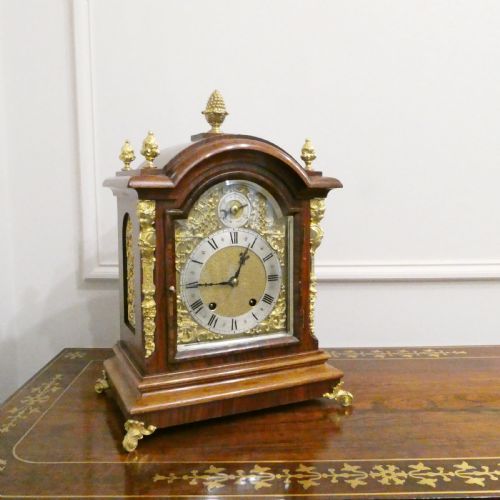
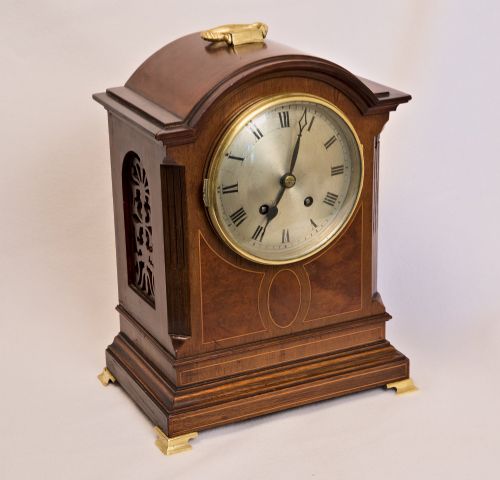

Arch Top Clock
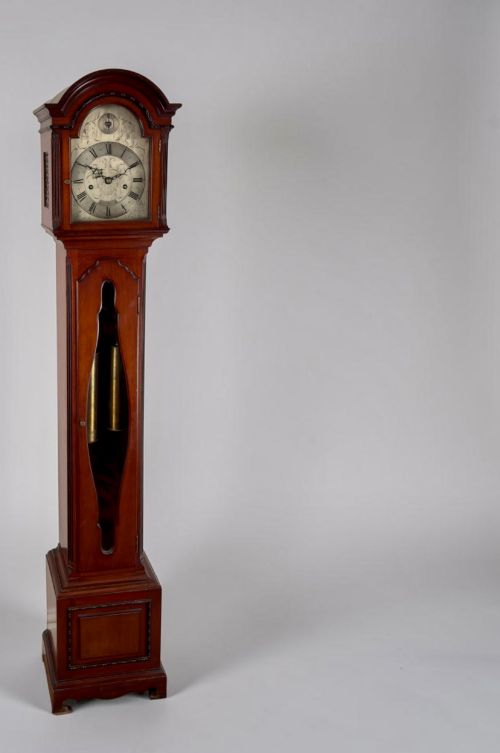
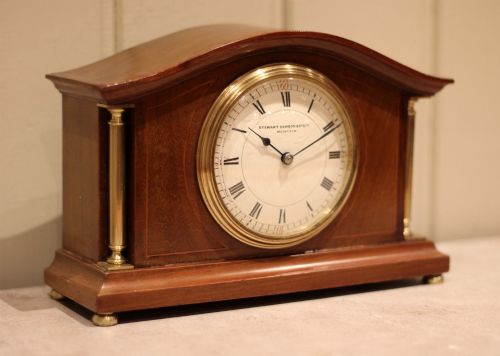
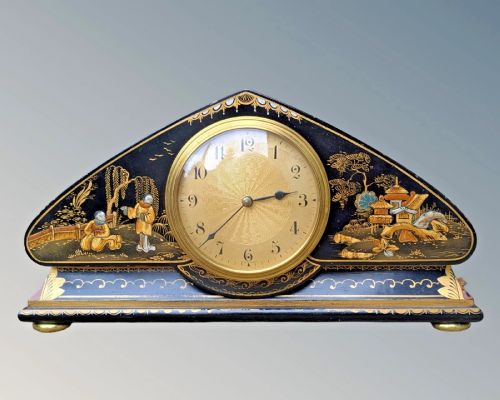
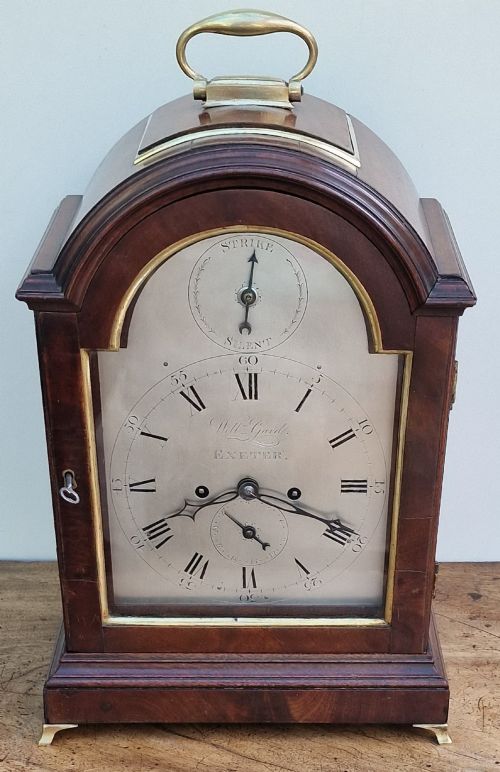
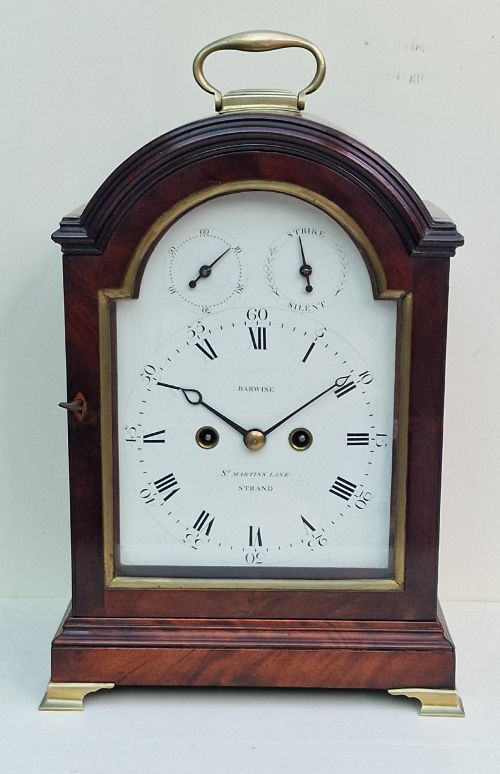
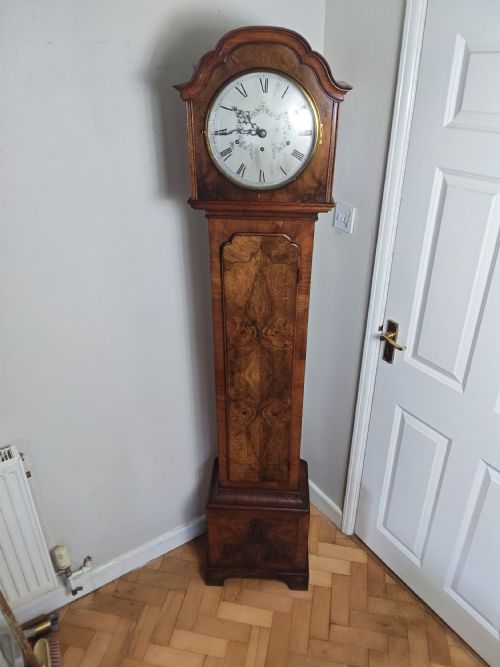
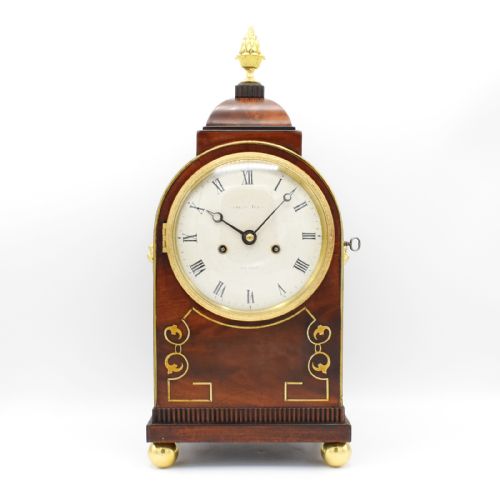
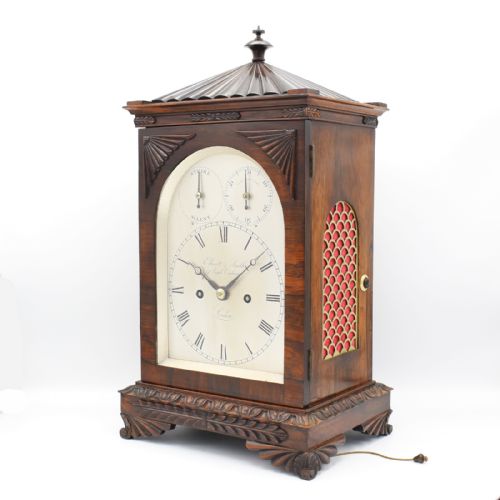
An arch top clock brings architectural presence to a mantelpiece, combining a curved upper silhouette with precision movement.
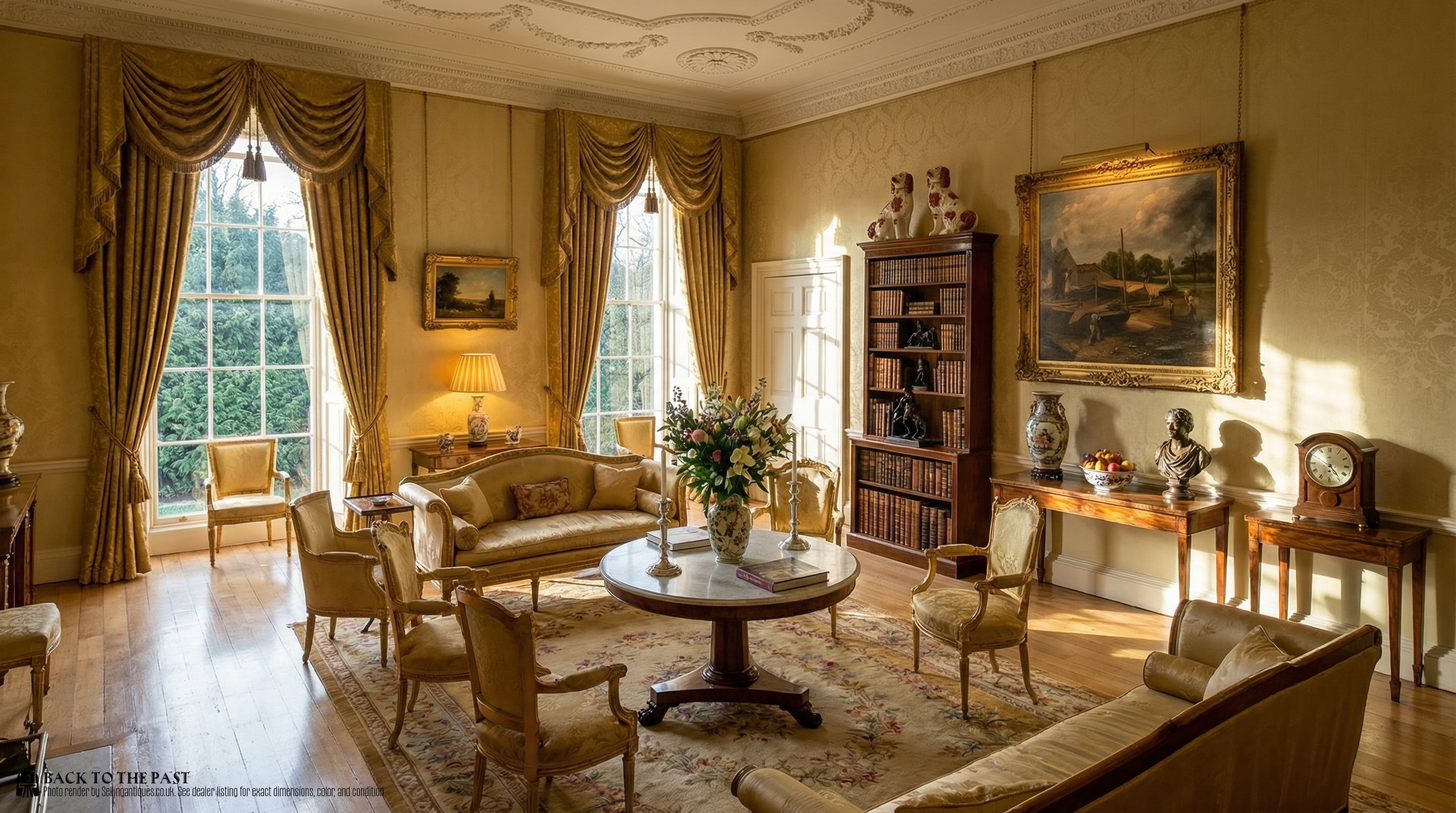
Arch Top Clock
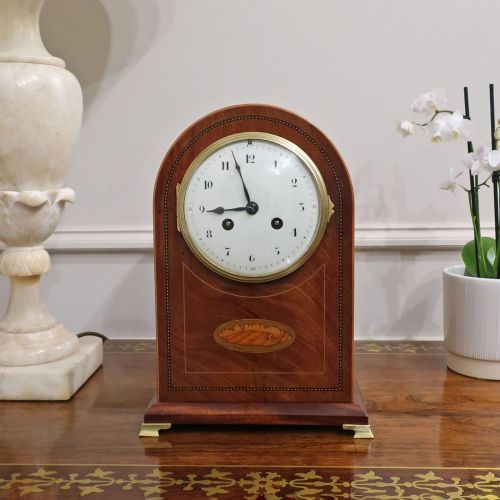
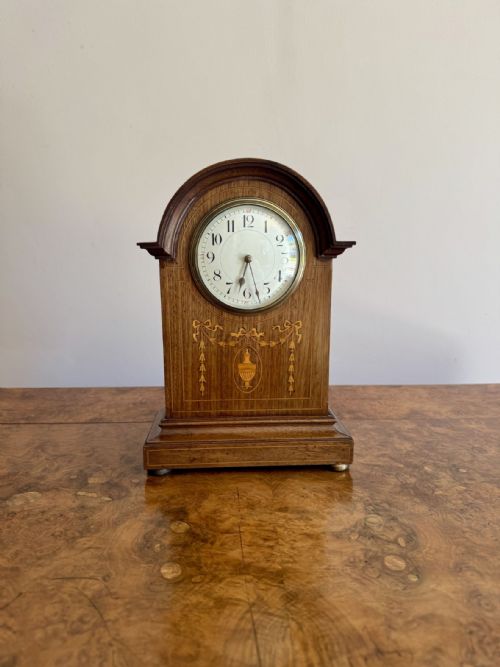
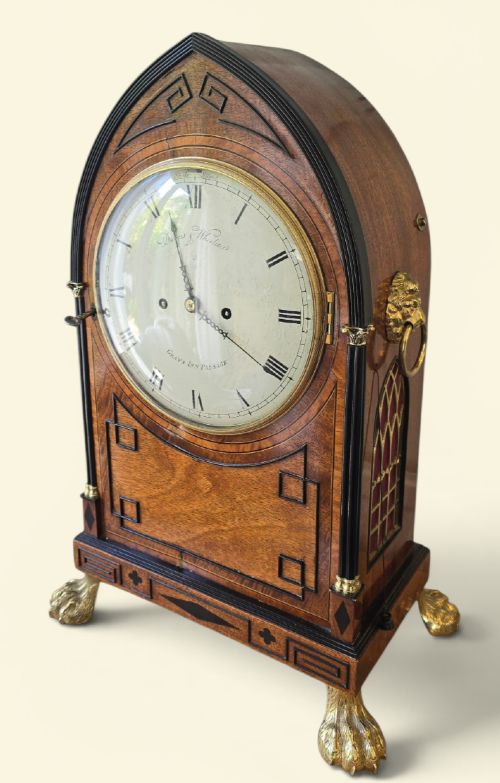
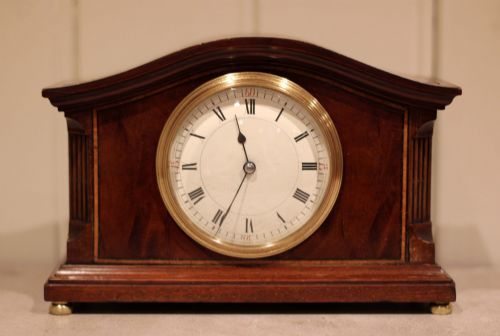
The architectural profile ranges from a subtle bell-top to the sweeping curves of a lancet case. Mahogany and walnut dominate the surviving examples, often enriched with delicate boxwood stringing or brass inlay.
Makers adapted this silhouette for domestic spaces of varying scales, producing everything from grand London bracket timepieces to modest provincial Edwardian mantel versions.
Materials and Construction
Cabinetmakers constructed the primary housings using dense hardwoods such as mahogany, oak, and burr walnut, sometimes applying fine veneers like satinwood or exotic hardwoods over a secondary timber base.
Dial construction utilised brass, often silvered and engraved, alongside white enamel plates fitted beneath protective bevelled glass doors.
Movements relied on brass gear trains, with fusee mechanisms or spring-driven strikes governing the internal mechanics.
The listings demonstrate a strong presence of mahogany and oak housings, spanning periods from the eighteenth century through to the 1930s.
Assessing Craftsmanship
Superior examples reveal themselves through the crispness of the cabinet joinery, the selection of figured veneers, and the subtle integration of brass inlay rather than heavy-handed surface decoration.
The internal movement indicates grade, where signed backplates by noted makers, complex quarter-chiming gear trains, and original verge or anchor escapements distinguish workshop masterpieces from standard production timepieces.
Gillett and Johnston of Croydon·William Gard of Exeter·Barwise of London·Charles Pratt London·Ellicott and Smith·Desbois and Wheeler·Schneckenburger·Cording of London·Phillips Brothers·Wilkinson Leicester·W and H·Thomas Goddard London·Hyde of Salisbury·Louis Recordon·Perigal of London·James Coster of Henley·Henry Archard London·Lenzkirch
The Arch Top Clock Glossary
- Fusee
- A conical pulley used in spring-driven clocks to maintain equal power as the mainspring unwinds. This mechanism ensures consistent timekeeping across the duration of the wind.
- Lancet top
- A pointed, arched architectural case style resembling a Gothic window arch. This silhouette gained significant popularity during the Regency and Edwardian eras.
- Escapement
- The internal mechanism that controls the release of gear train energy to the pendulum or balance wheel. It produces the characteristic ticking sound of the clock.
- Silvered dial
- A brass clock face treated with a silver compound to create a matte metallic finish, subsequently engraved with numerals. These dials provide high contrast for reading the time.
- Break arch
- A dial plate or case top featuring a central curved arch flanked by right-angled corners. It often houses secondary regulation dials or moon-phase indicators.
Arch Top Clock: Frequently Asked Questions
Where should I place an arch top clock?
Position the clock on a stable, level surface away from direct sunlight, draughts, and damp environments. A sturdy mantelpiece or dedicated console table works best.
Level the base carefully to ensure the pendulum or escapement beats evenly, which prevents the mechanism from stopping prematurely.
How do I identify a Georgian movement?
Examine the backplate and dial signature for hand-engraved details naming a specific London or provincial maker. Georgian movements frequently utilise robust brass plates held together by tapered pins rather than modern screws.
Look for fire-gilded brass mounts and secondary wood types like oak internals beneath mahogany or walnut primary veneers.
What maintenance do antique clocks require?
Arrange for a professional horologist to clean, oil, and service the mechanical gear train every few years to prevent wear on the brass pivots. Dust the exterior woodwork using a dry, soft cloth.
Avoid applying modern household furniture polishes, which can build up around delicate inlay and case mouldings.