

Apprentice Miniature Furniture
Apprentice miniature furniture pieces are scaled-down scale models demonstrating a maker's skill, offering collectors exquisite cabinetmaking in a compact form.
Apprentice Miniature Furniture
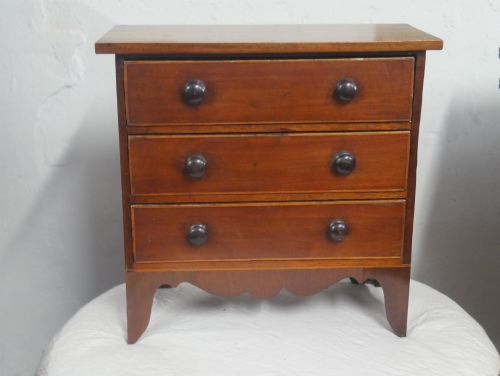
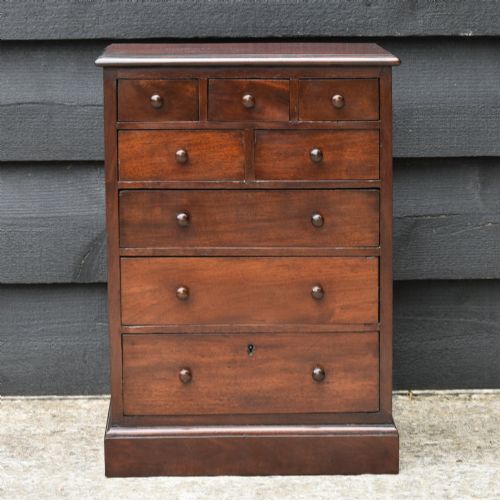
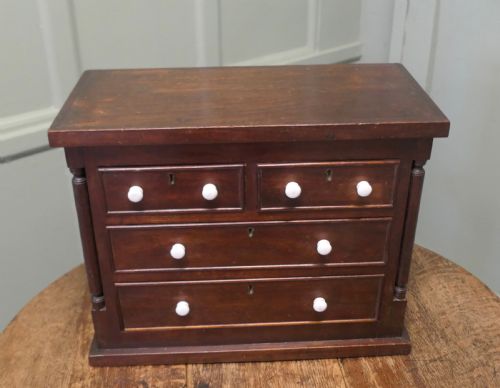
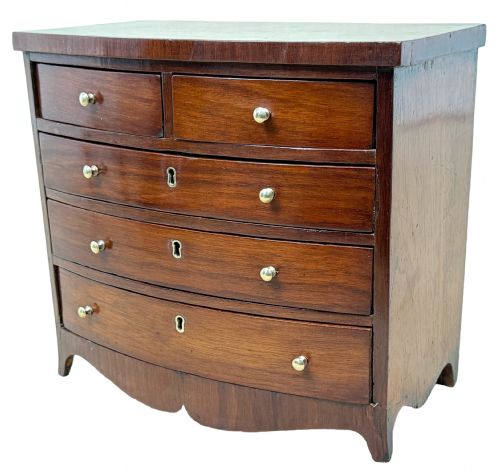
Apprentice miniature furniture primarily consists of scaled-down chests of drawers, cabinets, and tables created across the 18th, 19th, and early 20th centuries. These items reflect full-scale domestic forms of their respective periods, including Georgian, Regency, and Victorian designs.
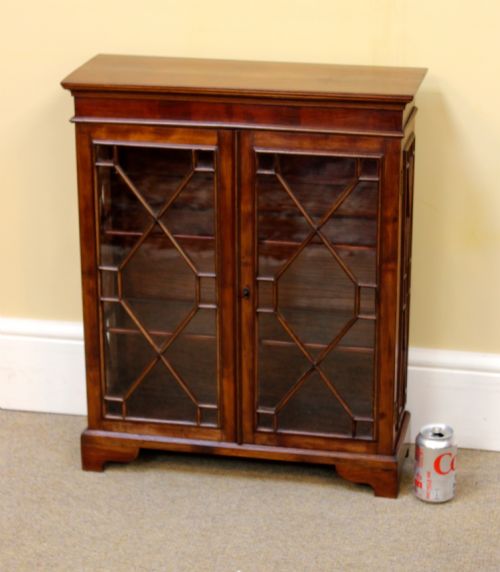
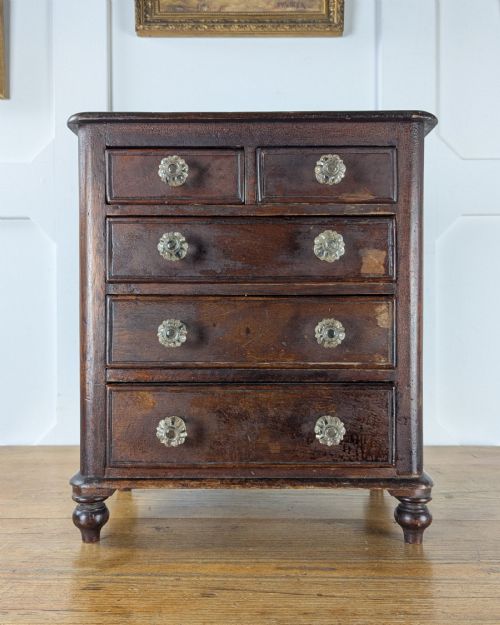
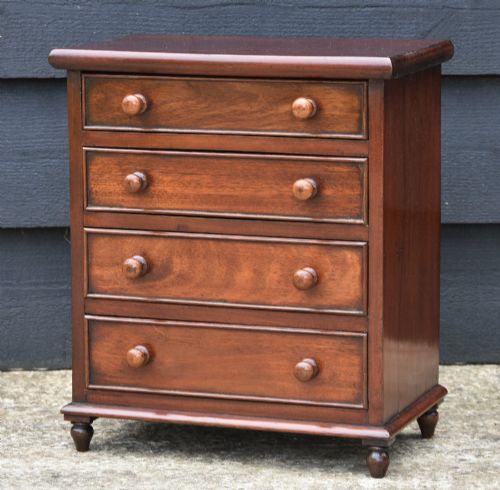
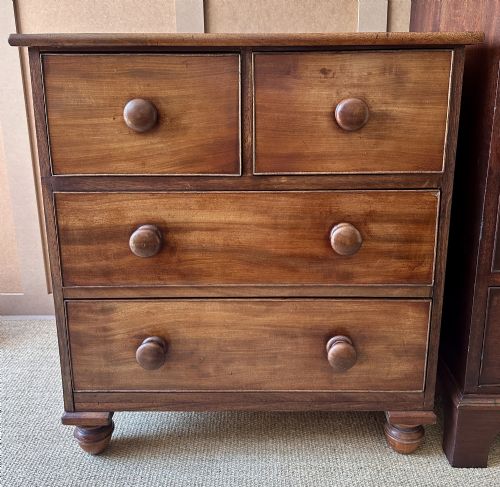
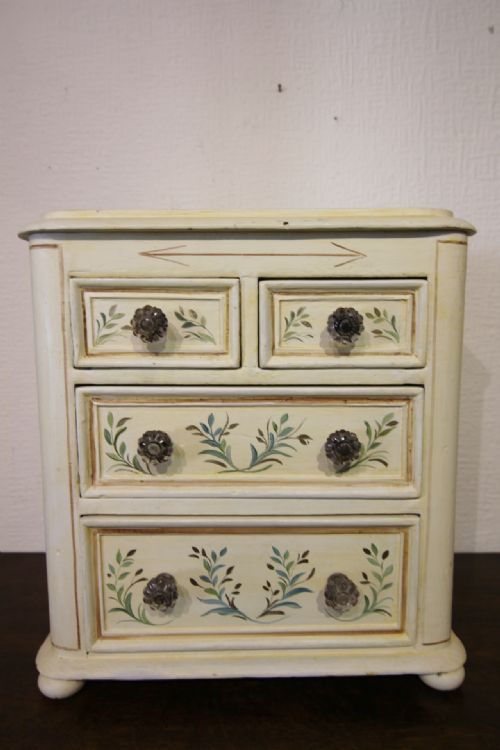
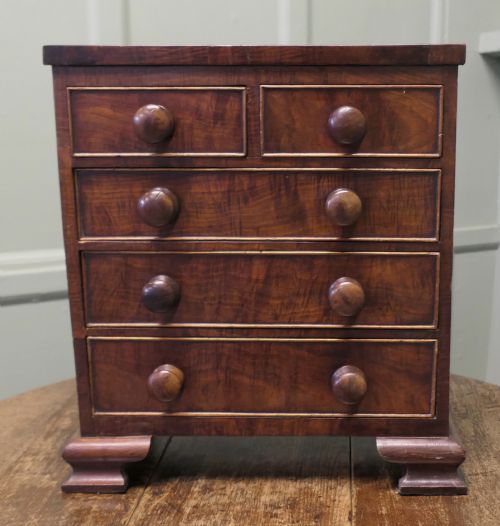
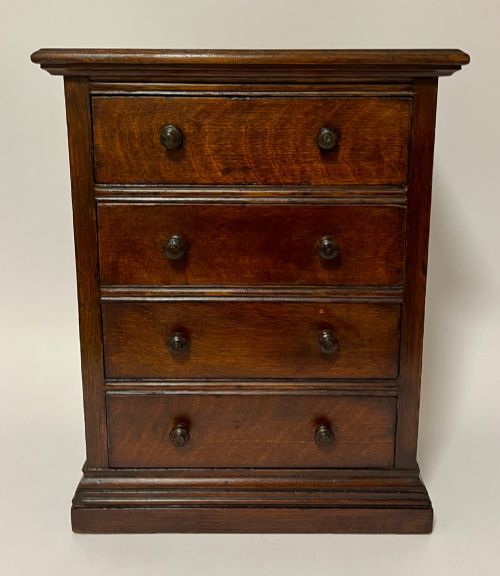
The version most commonly met on this page is the miniature chest of drawers in mahogany, walnut, or oak, often constructed with turned feet or bracket bases. Alongside these, buyers encounter specialised forms such as miniature bureau bookcases, display cabinets, and hall chairs.
Makers produced these objects to showcase mastery of joinery, resulting in scaled counterparts of larger furniture types that served as salesmen's samples or demonstration pieces.
Materials and construction methods
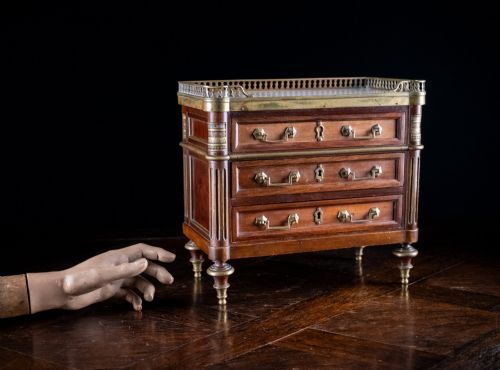
Makers utilised dense hardwoods like mahogany, walnut, and rosewood, alongside regional timbers such as oak, pine, and satinwood, frequently applying French polish to achieve a refined surface finish. Secondary materials such as brass for handles and escutcheons, bronze, and marble appear on select continental or high-status pieces.
Joinery methods mirror those of full-scale cabinetmaking, employing dovetail joints for drawer construction, hand carving for decorative elements like thistles or cabriole legs, and intricate inlay or marquetry where stylistic periods demand.
Some miniature chests hide secret compartments behind dummy drawers, offering microscopic security for tiny treasures.
Distinctions in quality
Quality separates through the fidelity of proportion and the precision of the miniature joinery, where top-tier examples maintain exact dimensional ratios to full-scale pieces rather than appearing clumsy or blocky. The choice of timber grain, such as figured walnut, burr oak, or flame mahogany, dictates the visual refinement of the surface.
Refinements like secret drawers, hand-engraved brass hardware, or intricate marquetry elevate a piece from a simple utilitarian model to an accomplished work of miniature cabinetmaking.
A. F. Lloyd
The Apprentice Miniature Furniture Glossary
- Commode
- A low French chest of drawers or cabinet, often featuring decorative mounts and marble tops as seen in Louis XVI style pieces.
- Mule chest
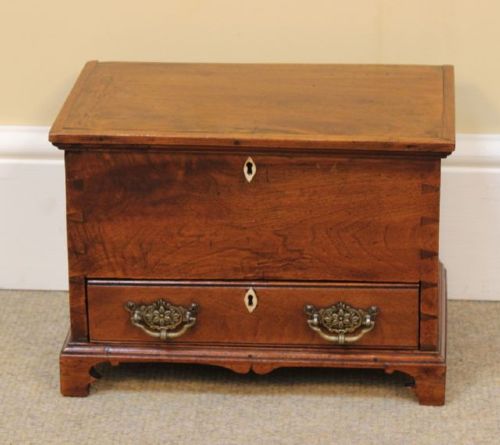
- A traditional storage chest featuring one or more drawers at the base beneath a hinged lid compartment.
- Serpentine chest
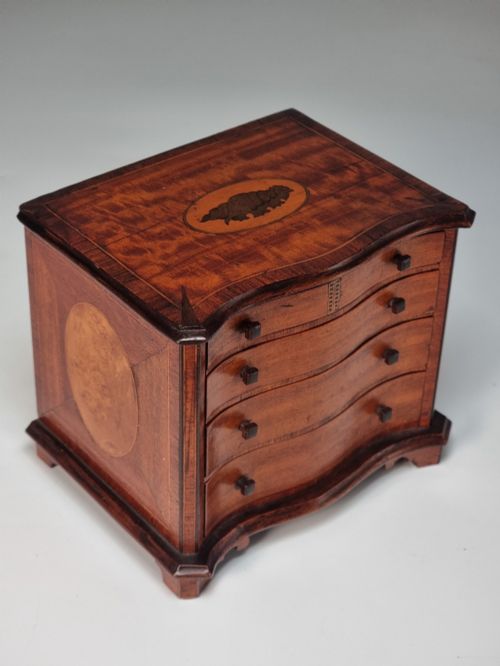
- A chest of drawers characterised by a front that curves inward centrally and outward at the sides in an undulating wave.
- Tripod table
- A small occasional table supported by a central pillar resting on three spreading feet, frequently designed with a tilt-top mechanism.
Apprentice Miniature Furniture: Frequently Asked Questions
What is apprentice miniature furniture?
Apprentice miniature furniture comprises small-scale models built by woodworkers to demonstrate technical proficiency in traditional joinery and design.
These pieces replicate full-sized tables, desks, and chests of drawers using the exact same timbers and construction methods.
How were these miniature pieces used?
Cabinetmakers created these small items as demonstration pieces for trade guilds or as samples for travelling salesmen to display furniture designs to prospective buyers.
Some smaller chests also functioned domestically as specialised jewellery boxes or tabletop storage.
How do I style miniature furniture at home?
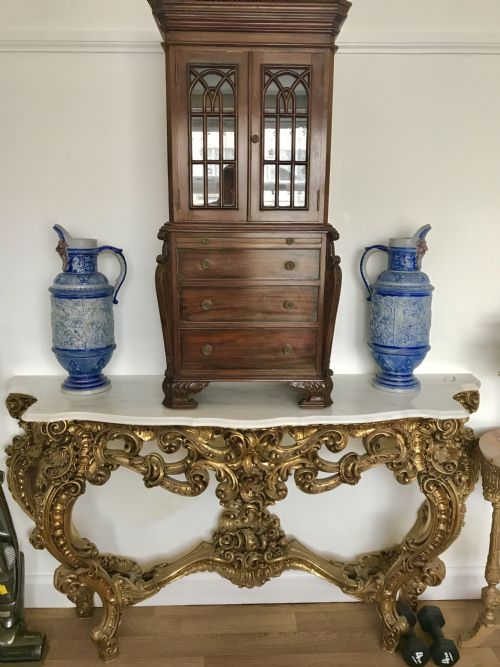
Miniature furniture adapts well to display on tabletops, inside larger bookcases, or upon dedicated sideboards where their fine joinery and timber grains can be examined closely.
Their compact scale allows them to fit into spaces where full-sized antique furniture cannot go.
How can I tell the period of a piece?
Dating relies on identifying the prevailing stylistic traits, such as Regency curves, Victorian turned feet, or Georgian bracket bases, alongside the choice of primary woods like mahogany, oak, or satinwood.
Construction details, including hand-cut dovetails and timber shrinkage, further confirm the age of the item.