



Apothecary Glass Jars
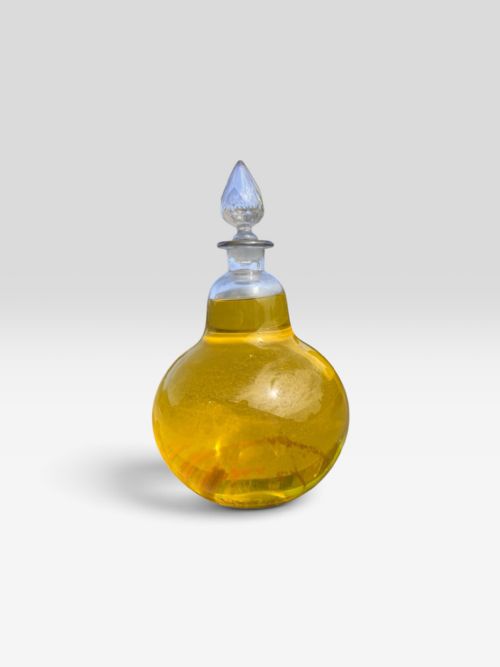
These apothecary glass jars are practical vessels with centuries of storage history, offering distinctive coloured or clear glass forms for the modern home.
Apothecary Glass Jars
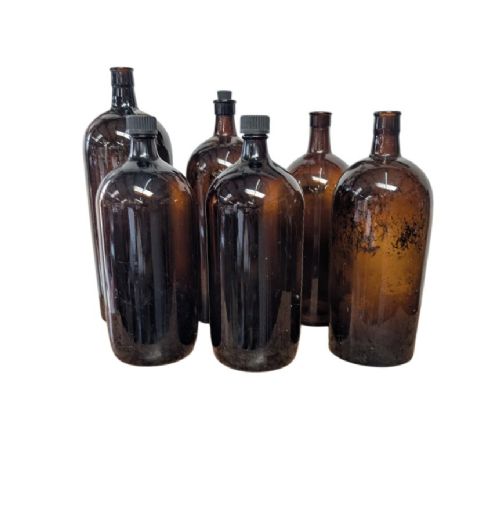
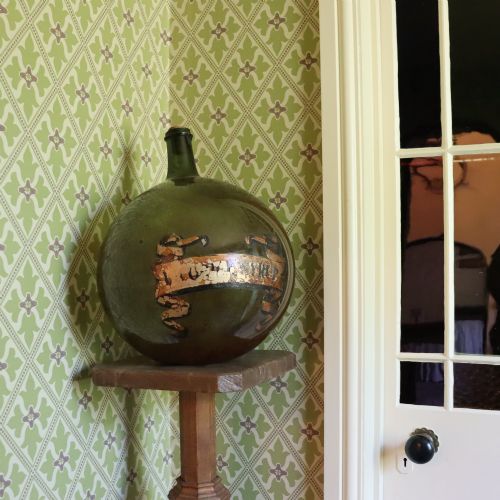
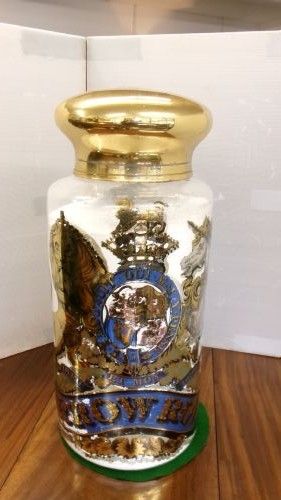
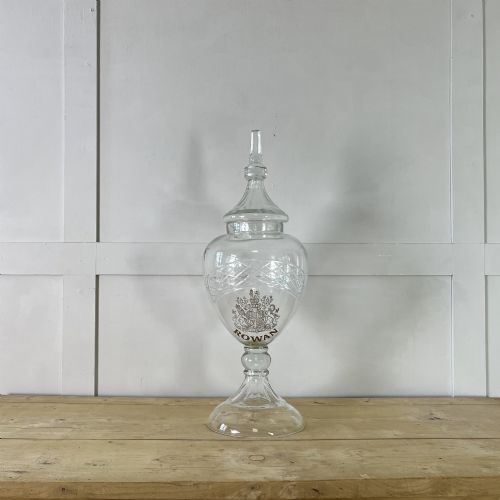
When you search for apothecary glass jars, you meet a variety of storage vessels, bottles, carboys, and display urns originating from the Georgian, Victorian, and Edwardian periods.
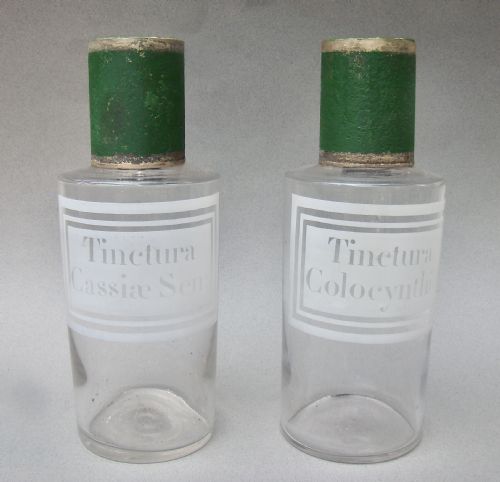
The pieces you encounter most frequently on this page are 19th century chemist bottles and jars, often French or English in origin, featuring blown or cut glass.
Many examples arrive with specific contents or labels such as arrowroot or gelatine, while others take the form of larger display carboys and pickling jars.
How they were made
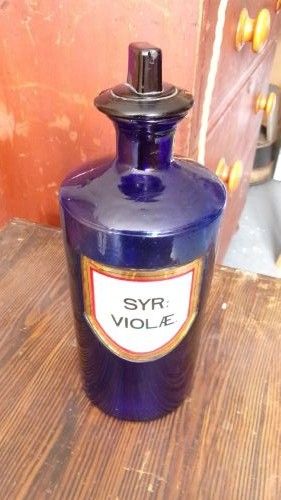
These items are shaped from clear, amber, blue, green, and lead crystal glass using hand blown and cut glass techniques.
Some vessels feature decorative elements including gold leaf, brass fittings, paper labels, and enamel work or etching.
Many lidded jars and bottles incorporate matched stoppers, whilst larger carboys serve as substantial standalone blown glass containers.
Some Victorian chemists stored arrowroot and gelatine in these jars, long before they reached modern dessert bowls.
What varies in quality
The standard of an apothecary jar depends upon the crispness of the cut glass facets, the depth of colour in blue or amber examples, and the presence of original stoppers or paper labels.
Early hand blown pieces display natural bubbles and irregularities in the glass which distinguish them from later mass-produced containers.
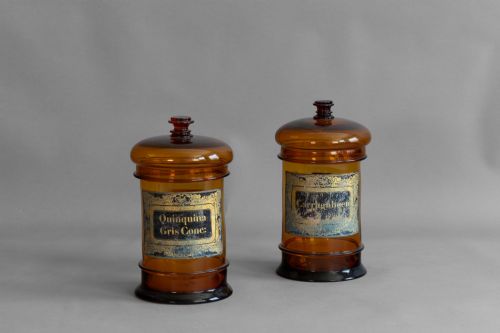
Matched pairs and sets maintain higher desirability than single items, particularly when featuring complex etching or French provenance.
The Apothecary Glass Jars Glossary
- Carboy
- A large globular glass bottle or jar, typically enclosed in protective packaging or used as a prominent shop display piece.
- Tincture bottle
- A small glass vessel designed to hold medicinal solutions dissolved in alcohol.
- Bristol blue
- A deep vibrant blue glass produced in the Bristol area during the Georgian and Victorian eras.
- Mary Gregory
- Glassware decorated with white enamel silhouettes of children, often found on Victorian jars and display pieces.
- Lead crystal
- Glass containing lead oxide, known for its clarity, weight, and capacity for deep cutting.
Apothecary Glass Jars: Frequently Asked Questions
What were apothecary glass jars used for?
These vessels originally stored medicinal herbs, chemical powders, liquid tinctures, and drugs in chemist shops and dispensaries. Apothecaries relied on them to protect contents from light and moisture.
Today they function primarily as decorative interior objects, display pieces, and practical storage containers for domestic use.
How do I date an antique glass jar?
Dating relies on observing manufacturing techniques such as pontil marks, glass colour, and stylistic traits associated with Georgian, Victorian, or Edwardian periods. Hand blown items with uneven surfaces often indicate earlier nineteenth or eighteenth century origins.
Paper labels, etched lettering, and original stoppers also provide valuable clues regarding the decade of production.
Are stoppers usually original?
Many surviving bottles retain their matching ground glass stoppers, which fit snugly into the neck. Finding an example with its original lollipop or matching stopper enhances authenticity.
Replacements do occur due to breakage over decades of handling, so checking the fit and glass tone helps determine originality.
How should I clean antique glass?
Cleaning requires warm soapy water and a soft cloth to preserve delicate interior residue, paper labels, and gold leaf details. Harsh abrasives must be avoided entirely.
If the glass is cloudy or stained inside, gentle rinsing without harsh chemicals protects the historical patina.