






Antique Apothecary Stopper Bottles
Antique apothecary stopper bottles are utilitarian glass vessels designed for chemical and medicinal storage, bringing historical pharmacy character into any interior.
Antique Apothecary Stopper Bottles
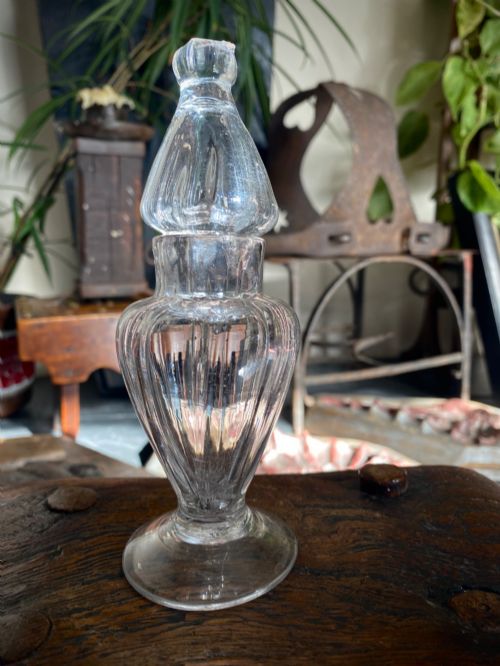
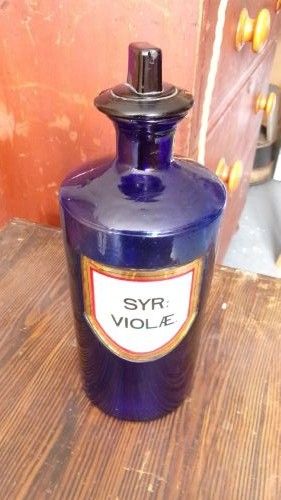
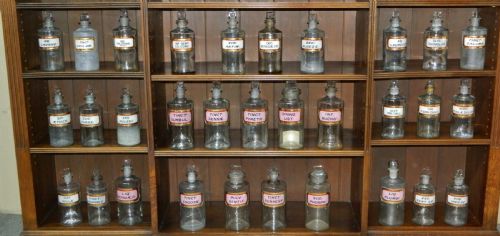
When you search for antique apothecary stopper bottles, you encounter functional receptacles spanning the Georgian, Victorian, and early twentieth century periods. These vessels primarily take the form of apothecary bottles, jars, and chemist bottles, alongside larger carboys and complete sets.
Originating largely from British and French contexts, these items reflect the practical packaging needs of nineteenth-century and early twentieth-century dispensaries. Buyers find both individual display pieces and matched sets suitable for interior decoration or historical collections.
How they were made
Makers produced these vessels using hand blown glass techniques, shaping molten material into distinct chemist and pharmacy bottle forms. This method results in individual character, subtle surface irregularities, and varied wall thicknesses across each piece.
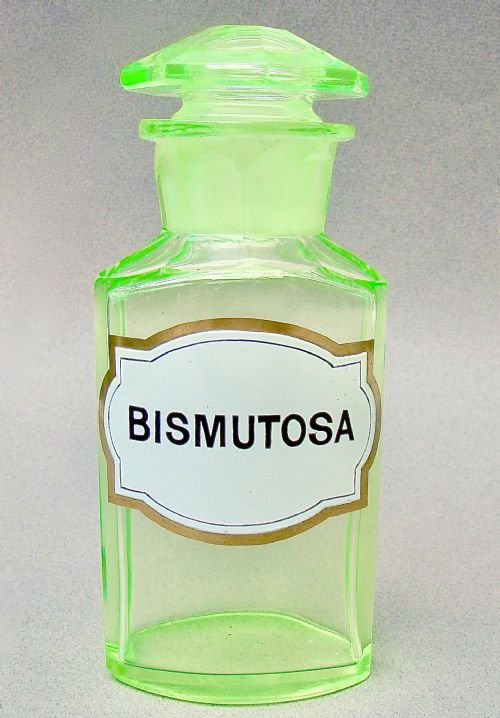
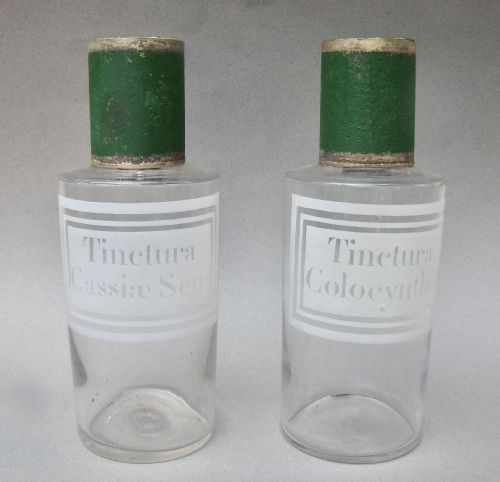
Designers incorporated fitted glass stoppers to seal the contents securely against evaporation or contamination. Artisans also applied decorative elements such as gold leaf, paint, and paper labels to identify specific medical drugs and tinctures.
Antique Apothecary Stopper Bottles Retail Price Guide 2026
Typical asking prices for apothecary stopper bottles among the pieces listed under this phrase on Sellingantiques today, from the lower quarter to the upper quarter. They describe what is for sale here now, not the wider market.
One miniature campaign box still hides its original medical bottles, ready for a Victorian doctor's house call.
What varies in quality
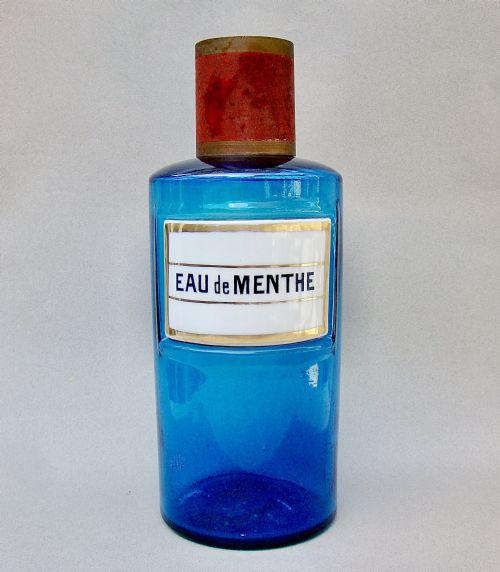
The distinction between standard utility items and superior examples often rests on the depth of the glass colour, such as rich Bristol blue or cobalt, combined with the presence of original stoppers and legible labels. Matched pairs and complete sets command distinct interest compared to single, mismatched survivors.
Provenance and housing also influence the character of a piece, as seen in fitted wooden campaign boxes lined for travel. The preservation of delicate surface details like paint and gold leaf marks the difference between basic utilitarian storage and high-grade display items.
The Antique Apothecary Stopper Bottles Glossary
- Carboy
- A large globular glass bottle enclosed in a protective setting, used in pharmacies for holding bulk liquids. These substantial vessels often display prominent hand-blown characteristics.
- Tincture bottle
- A specific container utilised for alcoholic solutions of medicinal substances. These pieces typically feature ground-glass stoppers to maintain airtight seals.
- Campaign box
- A portable wooden chest, frequently made of mahogany, fitted with internal compartments for secure transport of medical bottles. Such boxes demonstrate compact craftsmanship tailored for travel.
- Bristol blue
- A deep cobalt blue glass traditionally produced in the Bristol area during the eighteenth and nineteenth centuries. This striking material protected light-sensitive contents while offering decorative appeal.
Antique Apothecary Stopper Bottles: Frequently Asked Questions
What were apothecary bottles used for?
These vessels stored chemical compounds, dry drugs, and liquid tinctures in dispensaries and chemist shops. Pharmacists relied on them to keep medicinal substances organised and protected from environmental exposure.
Over time, many of these containers transitioned from working shop shelves into decorative interior objects. Their historical utility now appeals to collectors interested in nineteenth-century medical history.
How do I date an antique bottle?
Dating relies on observing manufacturing marks, glass colouration, and overall bottle form across periods such as the Georgian and Victorian eras. Hand-blown manufacturing techniques and pontil marks typically indicate earlier production dates.
Associated elements like original paper labels, gold leaf lettering, and fitted campaign boxes provide further contextual clues. Comparing specific stylistic traits helps place pieces within the nineteenth or early twentieth century.
Are stoppers usually original?
Many surviving bottles retain their matching ground-glass stoppers, which were hand-fitted to individual necks during production. Finding a complete pair or set with original stoppers enhances historical integrity.
Replacements do occur due to breakage over long periods of handling and use. Examining the fit and glass consistency helps determine if a stopper belongs to the bottle.
How should I display them at home?
Placing these bottles near windows allows natural light to illuminate coloured glass varieties like Bristol blue and green. Grouping sets together on shelves or displaying individual carboys creates a striking visual focal point.
Care should be taken to secure taller carboys and jars against accidental knocks in high-traffic areas. Clean them gently with soft cloths to preserve fragile paper labels and gold leaf details.