



Vintage Apothecary Bottles
These vintage apothecary bottles and jars bring medical history to your shelf, offering rich coloured glass and hand-blown forms from past centuries.
Vintage Apothecary Bottles
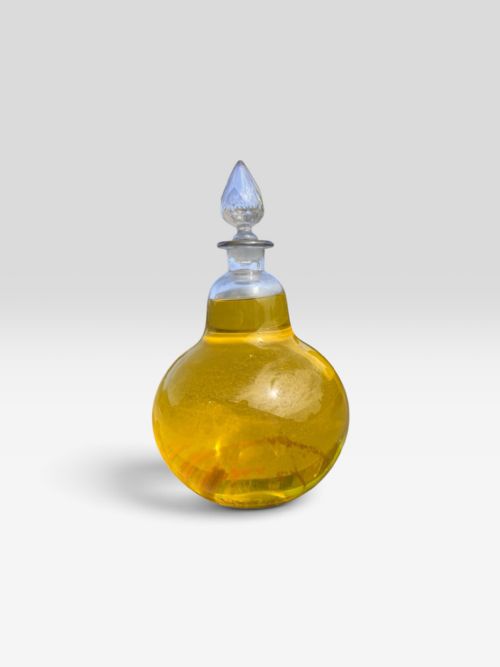
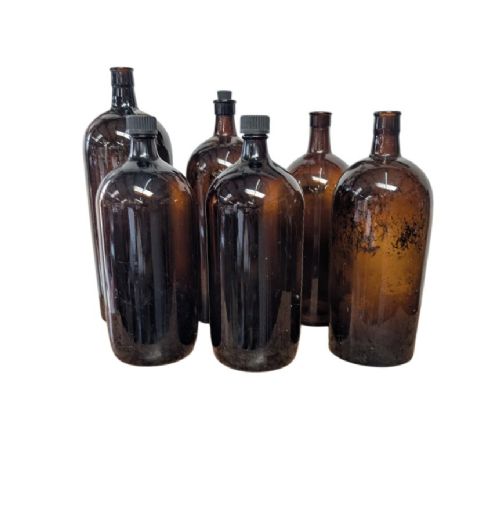
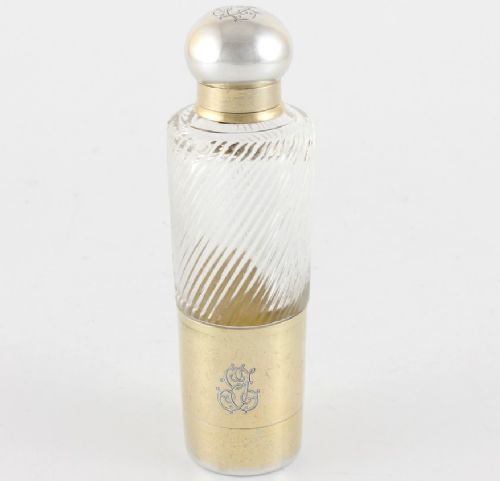
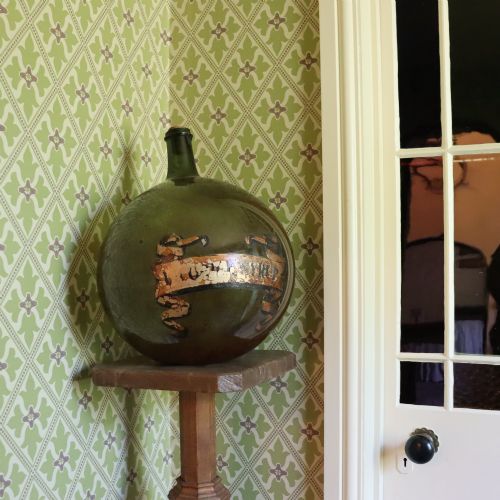
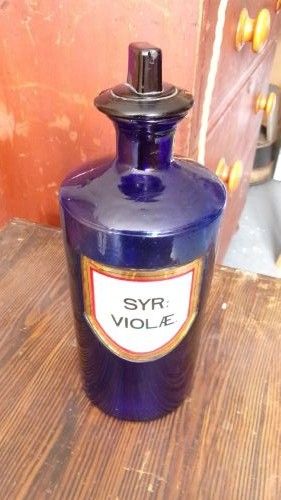
Vintage apothecary bottles encompass glass pharmacy containers, chemist jars, and fitted travelling cases sourced from the nineteenth century and earlier. Buyers searching for vintage apothecary bottles encounter blown glass carboys, amber Winchester bottles, and Bristol blue containers alongside fitted mahogany chests. These pieces originate from English and French workshops, reflecting the utilitarian and display needs of historic dispensaries.
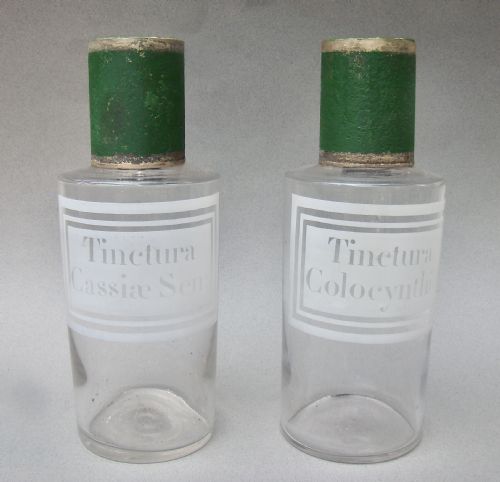
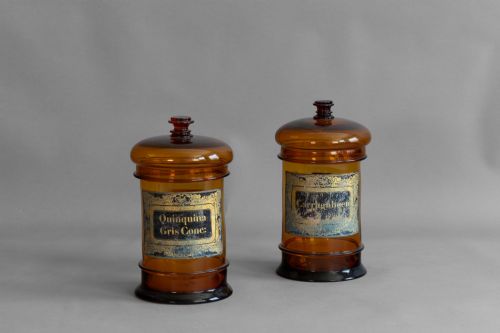
The most common examples on this page are glass chemist bottles and jars featuring hand-blown forms and period paper or etched labels. Alongside single bottles, sets of pharmacy bottles and timber travelling boxes containing original glass flasks frequently appear. These items range from small tincture bottles to large display carboys designed for shop windows.
How they were made
Makers formed these glass vessels using traditional free-blown and mould-blown techniques, resulting in characteristic surface ripples, pontil marks, and bubbles within the clear, amber, green, or Bristol blue material. Workshops utilised soda-lime or lead glass, shaping the molten metal by hand before applying rolled rims or ground stoppers.
Cabinetmakers constructed the fitted apothecary boxes and travelling chests using solid mahogany and oak, often featuring brass hardware, inlaid details, and velvet-lined interiors. These wooden housings were precision-built with internal dividers and secret drawers to secure fragile glass vessels during transit.
The inventory includes Georgian and Victorian chemist jars, French apothecary bottles, and fitted mahogany travelling chests.
What varies in quality
Quality in these glass containers depends on the clarity and depth of the metal, the presence of original ground glass stoppers, and the preservation of hand-applied paper labels or gilt inscriptions. Superior examples display crisp moulding or delicate etching without modern replacement parts.
For fitted boxes and chests, quality rests in the selection of figured mahogany timber, intact brass lockplates, and a complete, matching set of original glass bottles resting securely within the fitted interior.
The Vintage Apothecary Bottles Glossary
- Carboy
- A large glass vessel used in dispensaries and laboratories for storing bulk liquids. These large jars often feature distinctive spherical bodies and heavy bases.
- Bristol blue
- A deep cobalt blue glass historically produced in Bristol and widely utilised for nineteenth-century chemist and poison bottles. This dark hue protected light-sensitive medicines.
- Tincture bottle
- A small glass container specifically designed to hold alcoholic medicinal extracts. These bottles usually feature tight-fitting ground glass stoppers to prevent evaporation.
- Winchester
- A standard heavy-duty glass bottle shape with a narrow neck and screw or stopper top. Pharmacists relied on this sturdy design for safe storage and transport.
Vintage Apothecary Bottles: Frequently Asked Questions
How are apothecary bottles dated?
Dating relies on manufacturing traits such as pontil marks, glass colour, and stopper styles, alongside any surviving paper labels or maker signatures.
Earlier nineteenth-century pieces often display irregular hand-blown bubbles, while later twentieth-century examples show more uniform machine-made characteristics.
Were these bottles used for medicine?
These vessels originally served chemists, apothecaries, and physicians for storing liquid medicines, dry drugs, pills, and chemical compounds.
Many travelled in fitted wooden cases for house calls, while others sat on dispensary shelves or in shop windows.
How do I clean old glass bottles?
Gentle washing with warm water and mild soap preserves the fragile interior residue and historic paper labels.
Avoid harsh scrubbing or submerging pieces with original paper or gold leaf labels in water.
What is a chemist carboy?
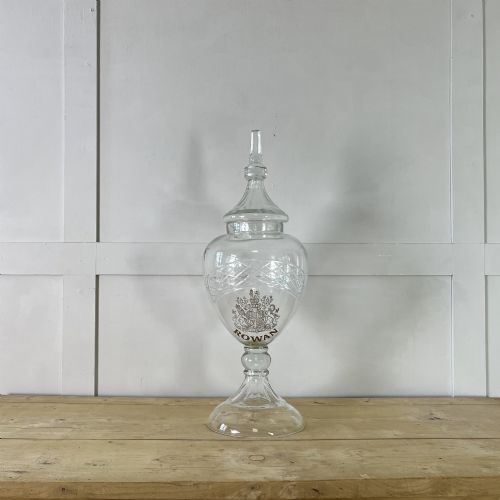
A carboy is a large glass vessel that stood in pharmacy windows to signal a medical establishment to the public.
Filled with coloured water, these large globes caught the light and drew passing trade.