



Antique Medical Bottles
These antique medical bottles and related chests offer a tangible glimpse into historic pharmacy, prized for their heavy glass and fitted timber cases.
Antique Medical Bottles
When you search for antique medical bottles, you encounter a range of glass vessels, ceramic jars, and fitted timber travel cases designed for dispensing and storing remedies. The items span the Georgian, Regency, and Victorian eras into the early twentieth century.
You are most likely to meet individual glass chemist bottles alongside complete apothecary boxes and chests fitted with internal compartments. These pieces originate from domestic and commercial pharmacy practices across the nineteenth century.
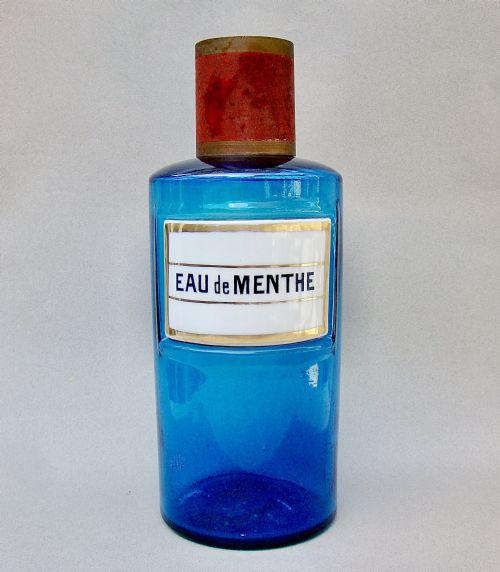
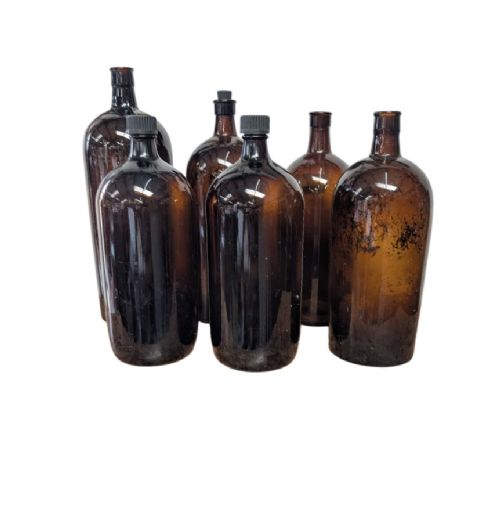
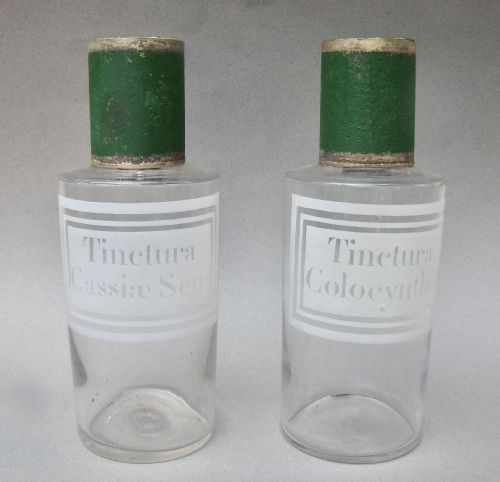
The selection includes large display carboys, etched glass jars with covers, and amber winchester bottles used for bulk storage. Many retain original paper labels or ground glass stoppers that indicate their initial pharmaceutical use.
How they were made
Makers utilised free-blowing and mould-blowing techniques to form the thick glass bodies of nineteenth-century carboys, jars, and chemist bottles. This process often leaves characteristic pontil marks and bubbles within the glass walls.
Fitted travelling cases and cabinets use dense hardwoods like mahogany and oak, joined with traditional cabinetry methods to house fragile glass vessels securely. Interior velvet linings, brass hardware, and gold leaf detailing provide safe separation for individual bottles and scales.
Antique Medical Bottles Retail Price Guide 2026
Typical asking prices for medical bottles among the pieces listed under this phrase on Sellingantiques today, from the lower quarter to the upper quarter. They describe what is for sale here now, not the wider market.
Listings feature items spanning the Georgian, Regency, Victorian, and Edwardian periods, constructed primarily from glass, mahogany, and brass.
What varies in quality
The level of preservation in the glass and the completeness of fitted timber interiors determine the standing of an individual piece. Retaining original ground glass stoppers, paper labels, and matching sets of internal bottles elevates a box or chest.
Superior examples display crisp etching on French jars, sound joinery on mahogany cases, and heavy, unblemished glass in large carboys. Pieces that lack major chips to the rim or replacement bottles sit at the higher end of the range.
The Antique Medical Bottles Glossary
- Carboy
- A large glass vessel used in pharmacy windows or laboratories for holding liquids. These substantial containers often feature blown glass bubbles and heavy bases.
- Apothecary chest
- A portable or stationary wooden box fitted with compartments, drawers, and small glass bottles for medicines. They were utilised by doctors and affluent households for travel.
- Winchester
- A standard size and style of glass bottle traditionally used for storing acids and chemicals. They are commonly found in amber glass.
- Pontil mark
- The rough scar left on the base of a hand-blown glass object where the pontil rod was detached. Its presence confirms early hand-manufacturing methods.
- Ground glass stopper
- A glass plug shaped by grinding to fit snugly inside the neck of a specific bottle. This method created an airtight seal for volatile compounds.
Antique Medical Bottles: Frequently Asked Questions
How were apothecary boxes used?
Apothecary boxes served as portable pharmacies for physicians making house calls or for families managing health on remote estates. They contained measured rows of glass bottles, scales, and mixing mortars.
The lower drawers often housed pill tiles, mixing slabs, and additional dry ingredients. Every internal space was planned to keep fragile glassware secure during transport.
What are chemist carboys?
Chemist carboys were large glass globes or jars placed in apothecary shop windows to advertise the trade. Their bright coloured liquids served as a visual beacon for the premises.
These heavy glass vessels were designed to stand on counters or hang in windows. Surviving examples today are appreciated for their scale and decorative presence.
How do I date an apothecary bottle?
Dating relies on manufacturing traits such as pontil marks, mould seams, and the colour of the glass. Hand-blown pieces without mould seams generally point to the early nineteenth century or before.
Paper labels and distinct closure types also help narrow down the period. Later Victorian and twentieth-century production shows more uniform machine-made characteristics.
Did these bottles contain medicines?
Many bottles held liquid remedies, powders, tinctures, and poisons used in nineteenth-century medicine. Some were refilled repeatedly by the local chemist.
Others remained in fitted travelling chests as part of a comprehensive medical kit. Traces of original contents or paper drug labels occasionally survive inside or outside the glass.