
Antique Writing Desk Vanity
An antique writing desk vanity combines surface and mirror for dual daily use.
Antique Writing Desk Vanity
An antique writing desk vanity serves the dual role of a surface for correspondence and a station for personal grooming, merging two distinct domestic functions into one piece of furniture.
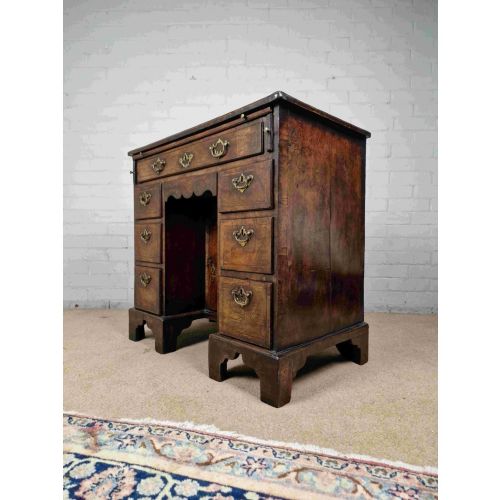
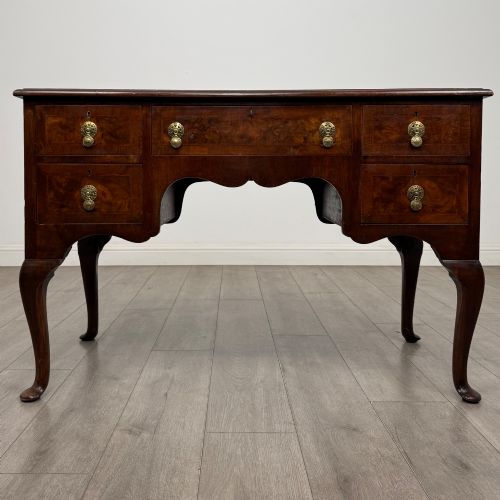
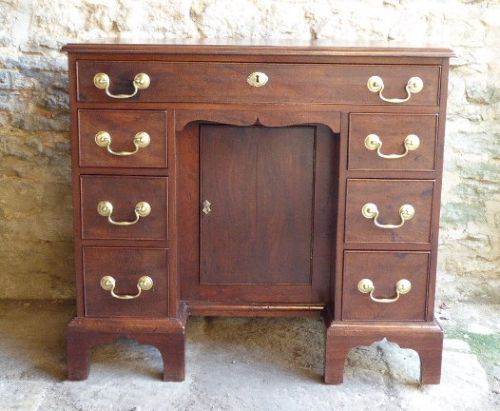
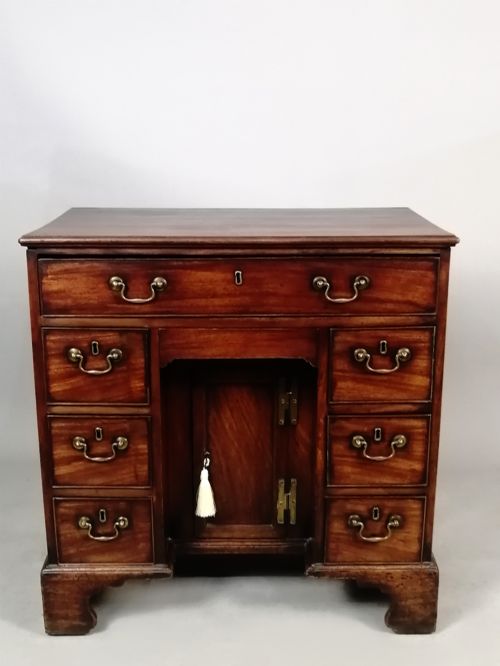
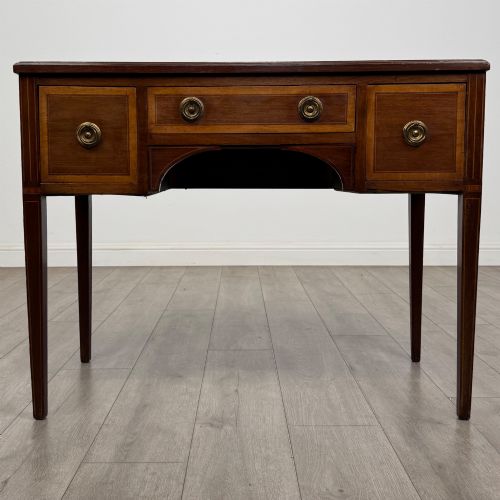
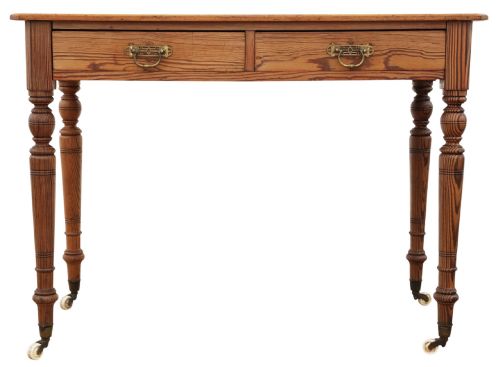
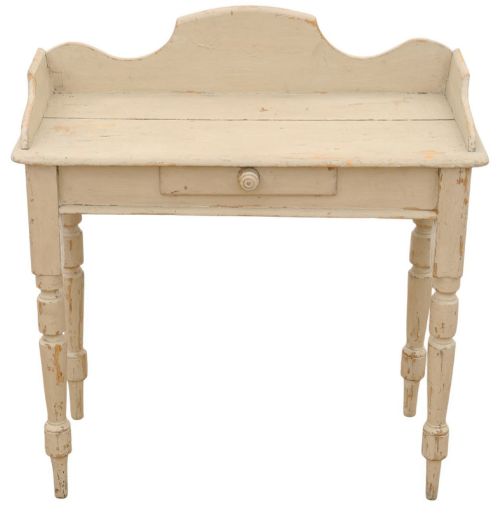
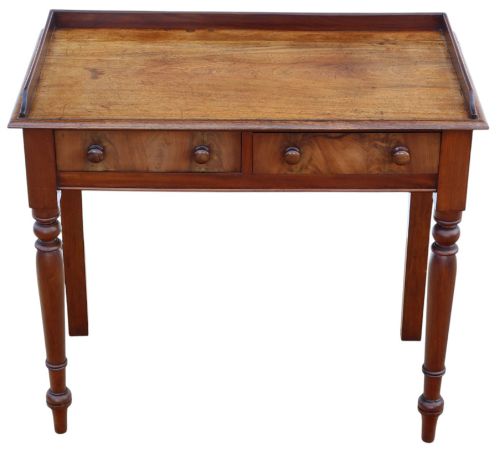
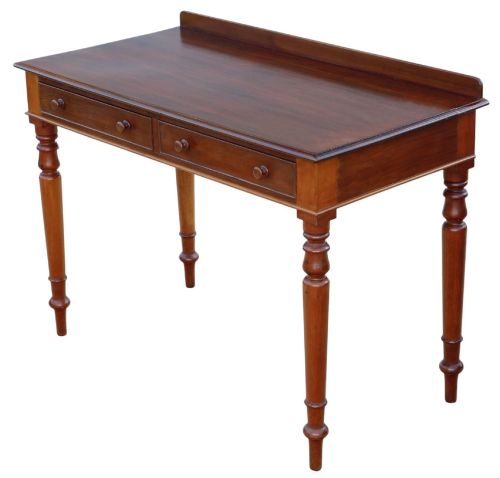
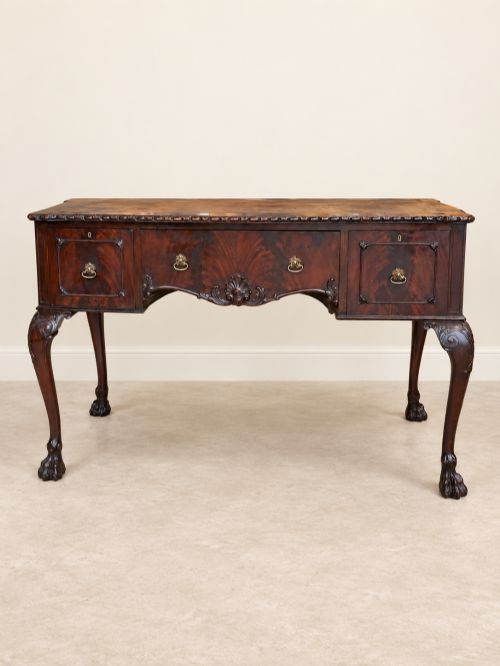
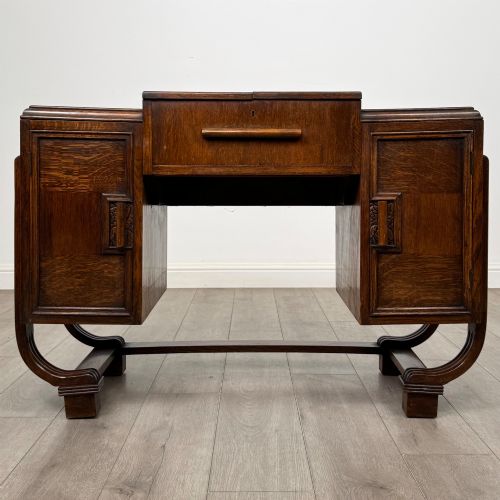
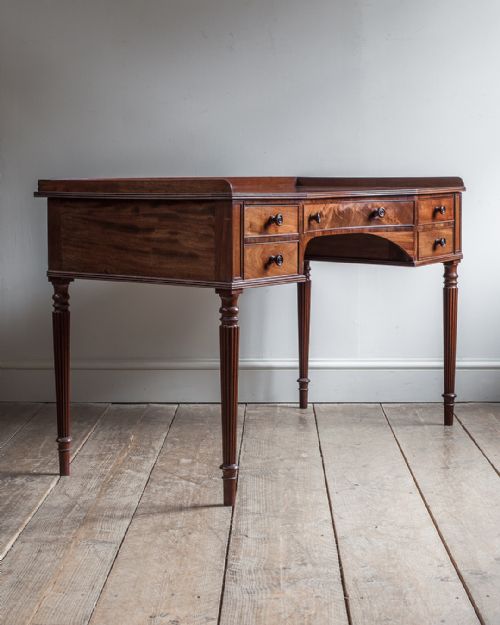
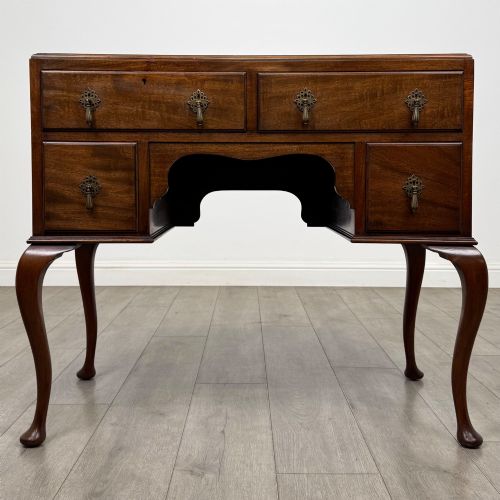
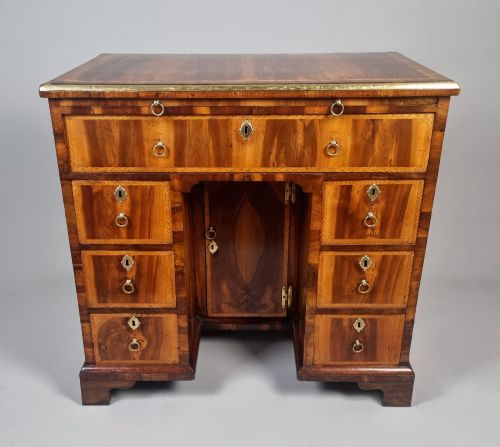
The versions most commonly met on this page span the Georgian, Victorian and Edwardian periods, appearing in forms such as writing tables, kneehole dressing tables and lowboys.
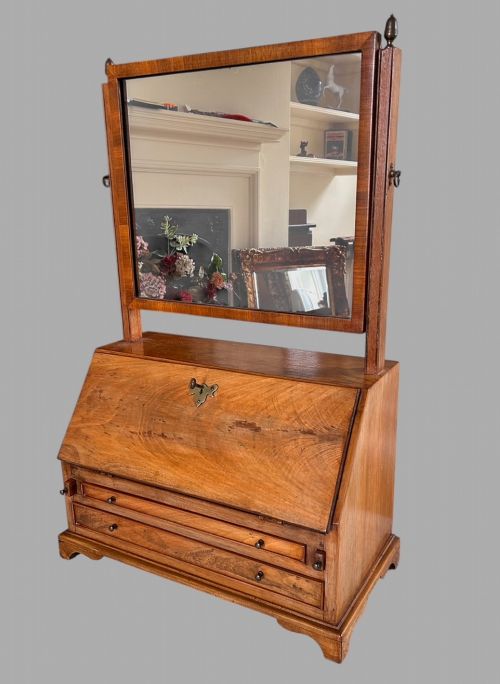
Many examples utilise convertible elements or fitted drawers to transition smoothly between writing letters and morning preparation.
Timeless Timber Construction
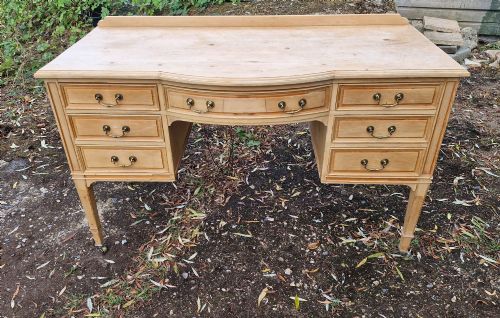
Cabinet makers utilised dense hardwoods like mahogany, walnut and burr walnut, alongside lighter timbers such as satinwood and pine, selecting each grain for durability and decorative impact.
Joinery techniques relied on dovetailed drawers, turned legs and secure framing, while details like brass handles and tooled leather writing surfaces completed the construction.
Listings feature periods from the 18th century through the Edwardian era, constructed in mahogany, walnut, oak and satinwood.
Standards of Craftsmanship
The distinction between standard pieces and the finest examples rests on timber selection and timber figure, where richly grained burr walnut or flame mahogany elevate the visual depth.
Proportion, refined carving and the survival of original brass hardware or fitted interior compartments further separate ordinary utility items from superior cabinet work.
Heal and Son·Wylie and Lochhead Glasgow
The Antique Writing Desk Vanity Glossary
- Lowboy
- A small, low table with drawers, commonly used as a side table or dressing table during the 18th century.
- Kneehole
- A desk or dressing table featuring a central recessed space for the user's legs, flanked by pedestals of drawers.
- Secretaire
- A piece of furniture containing a pull-down writing flap that conceals small drawers and pigeonholes.
- Serpentine
- A curved line of furniture fronts, shaped with a convex centre flanked by concave curves.
Antique Writing Desk Vanity: Frequently Asked Questions
How do I use an antique writing desk vanity today?
These pieces function well as compact bedroom dressing tables or as hallway writing stations where surface space is limited.
Their fitted drawers organise modern stationery or cosmetics while maintaining period character in a room.
Were these desks originally used for writing or grooming?
Many examples served both purposes interchangeably, adapting to the owner's daily routine of correspondence and morning preparation.
Multi-drawer layouts and matching mirrors allowed furniture to bridge the gap between study and dressing room.
How do I distinguish Georgian pieces from Edwardian revivals?
Georgian pieces display the construction methods, patination and timber selection characteristic of the 18th century.
Edwardian revivals reproduce earlier styles, often incorporating Sheraton influence with lighter satinwood banding and painted decoration.
What woods were most popular for these desks?
Mahogany and walnut predominate across multiple periods, offering strength and deep natural colour.
Satinwood and pine appear frequently in later Edwardian and Victorian variations for a lighter aesthetic.