


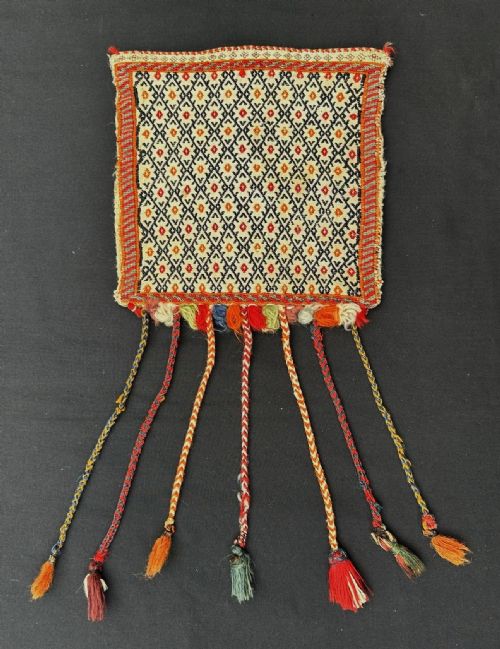
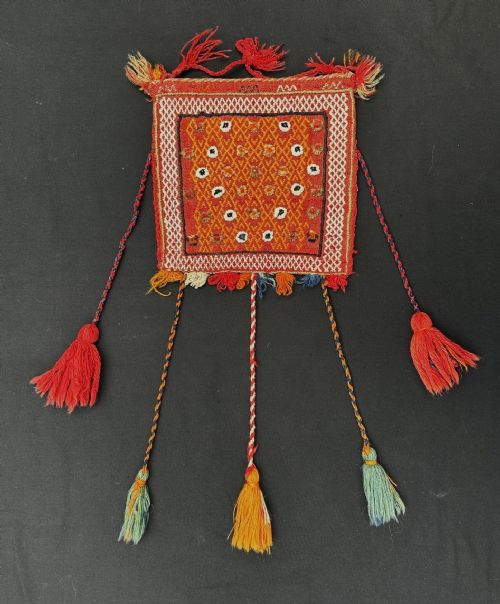


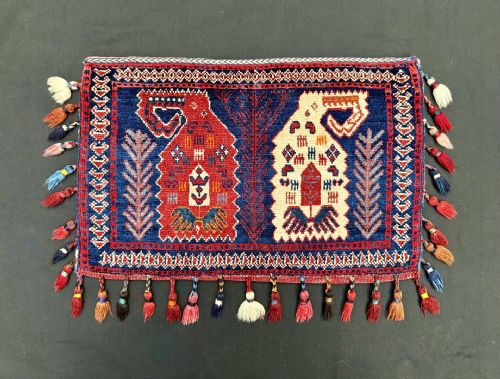
Antique Woven Vanity Pouch
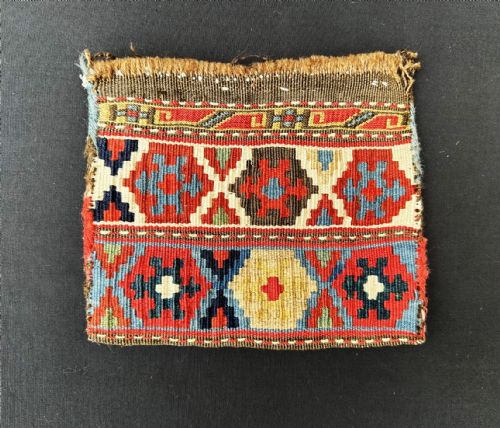
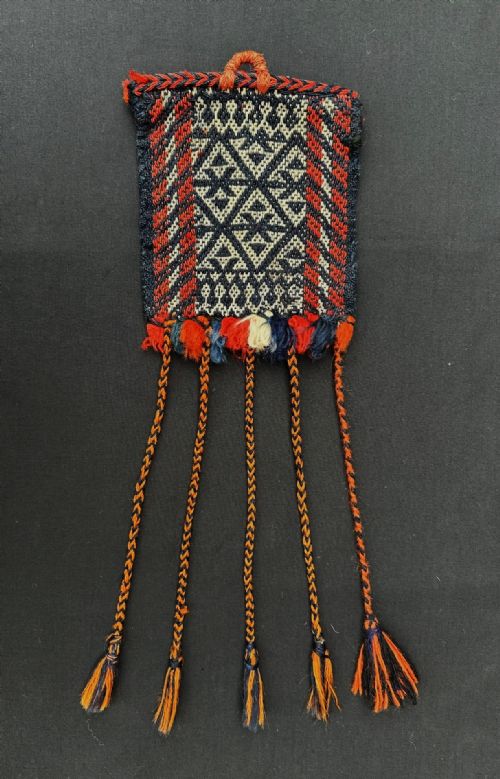
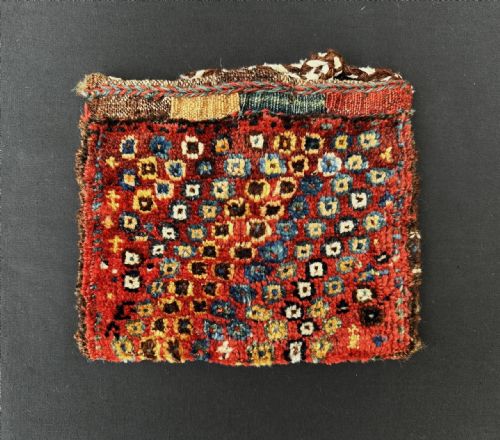
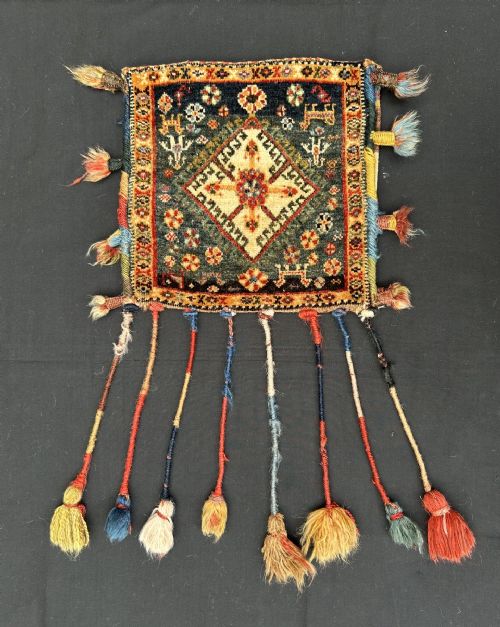
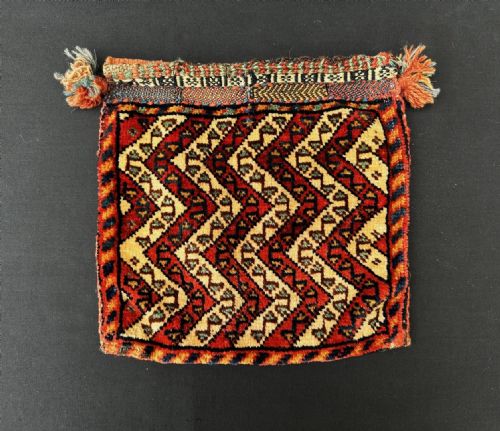
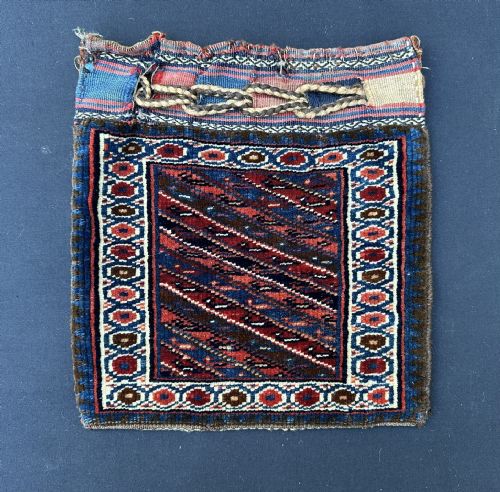
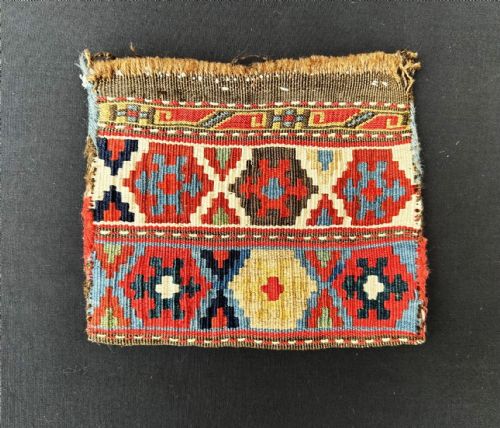
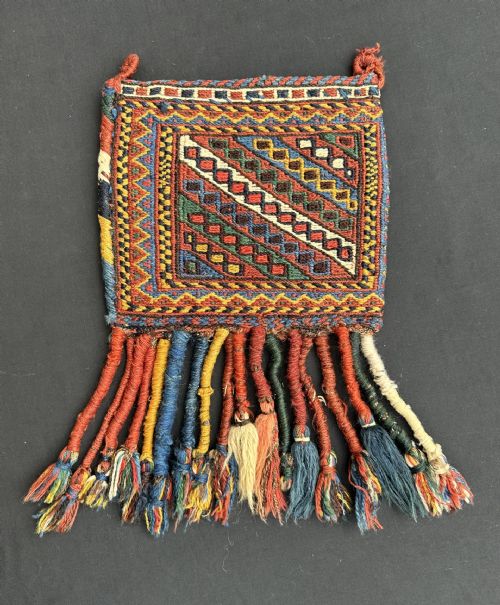
These antique woven vanity pouch examples are tribal bags made by Persian nomads, offering portable storage crafted with traditional wool and dyes.
Antique Woven Vanity Pouch
An antique woven vanity pouch represents a portable storage piece created by nomadic groups across Persia during the nineteenth and early twentieth centuries. These textile bags served practical functions within tribal communities before entering the collector market.
The selections available here predominantly originate from specific regional groups such as the Qashqa'i Confederacy, Shahsevan nomads, and various Baluch and Afshar tribes. Each piece reflects the distinct weaving traditions of its specific sub-tribe or confederacy.
Forms span across tribal bags and storage pouches, utilising traditional formats designed for daily nomadic life. These textiles demonstrate the rich heritage of South, North, and East Persia.
How they were made
Construction relies upon hand-spun wool and cotton foundations woven using traditional tribal techniques. Artisans worked with natural dyes to create the distinct colour palettes characteristic of these regional textiles.
Certain examples incorporate organic embellishments such as cowrie shells to enrich the surface design. These materials reflect the accessible resources of the producing tribes and regions.
Listings span the period from eighteen-sixty to nineteen-twenty, featuring wool, cotton, natural dyes, and cowrie shells across Persian tribal origins.
What varies in quality
Quality differences stem from the fineness of the weave and the complexity of the tribal patterns executed by the maker. Tighter knotting and precise geometric layouts distinguish superior examples from simpler ones.
The integrity of the natural dyes and the preservation of the hand-spun wool foundation further separate standard specimens from exceptional ones. Complete structural survival across the borders and fields determines the standing of a piece.
The Antique Woven Vanity Pouch Glossary
- Vanity pouch
- A small portable tribal bag used for personal storage by nomadic groups. These items often feature distinctive flat-woven or pile structures.
- Tribal textile
- A piece of fabric or luggage created by nomadic confederacies for practical domestic use. These objects display motifs tied to specific regional identities.
- Natural dyes
- Colourants derived from plant, animal, or mineral sources prior to the widespread adoption of synthetic alternatives. They impart the characteristic soft tones seen in older Persian pieces.
- Hand-spun wool
- Yarn produced manually using a spindle rather than industrial machinery. This material provides the durable pile and foundation characteristic of nineteenth-century nomadic weaving.
- Cowrie shells
- Marine molluscs occasionally sewn onto tribal textiles as decorative elements. Their presence adds tactile texture and cultural significance to the bag.
Antique Woven Vanity Pouch: Frequently Asked Questions
What is an antique woven vanity pouch?
An antique woven vanity pouch is a small, portable storage bag made by nomadic and tribal groups in Persia during the nineteenth and early twentieth centuries.
These pieces were utilised for personal storage and transport within tribal camps, reflecting the practical domestic needs of their makers.
Who made these tribal bags?
These bags were produced by various nomadic confederacies and tribes across Persia, including the Qashqa'i, Shahsevan, Afshar, and Baluch peoples.
Each group employed distinct weaving traditions, colour combinations, and geometric motifs characteristic of their specific region.
What materials were used?
Weavers relied primarily on hand-spun wool and cotton foundations, dyed using traditional natural substances sourced from their local environments.
Some examples also incorporate cowrie shells as surface ornamentation to enhance the visual appeal of the textile.
How do I care for a vanity pouch?
These fragile textiles require gentle handling, protection from direct sunlight, and minimal exposure to moisture to preserve the natural fibres.
Regular light dusting and avoiding heavy weight placement will help maintain the structural integrity of the weave.