


Antique Tribal Weave Bag
When you handle an antique tribal weave bag, you hold a nomadic textile created for daily storage, transport and household use across Persia, Central Asia and Afghanistan.
Antique Tribal Weave Bag
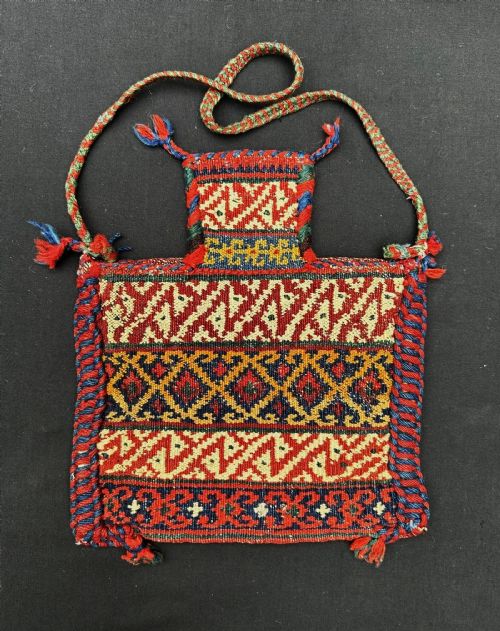
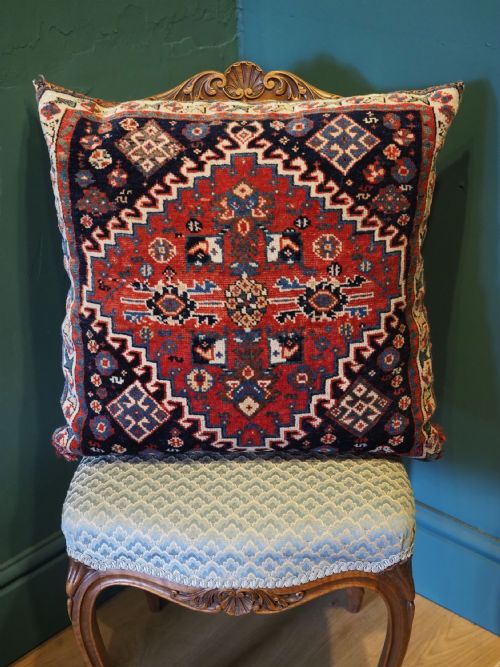
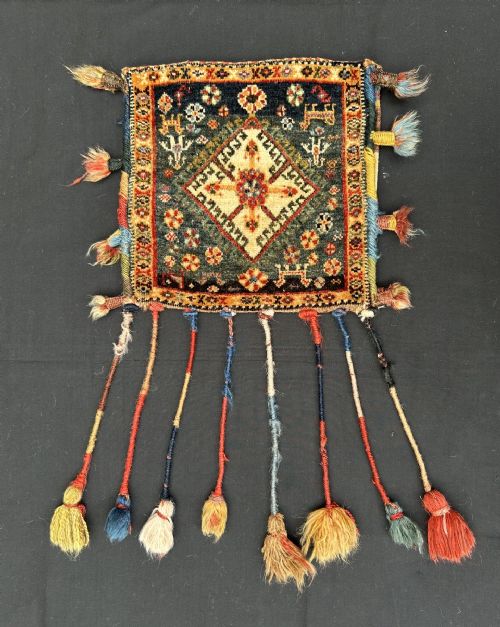
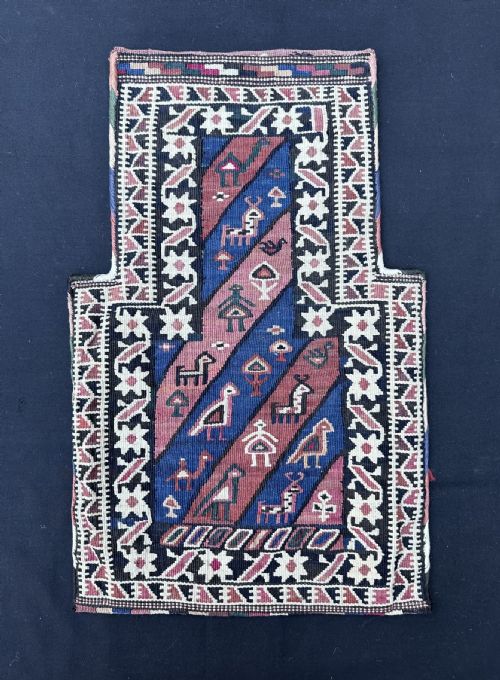
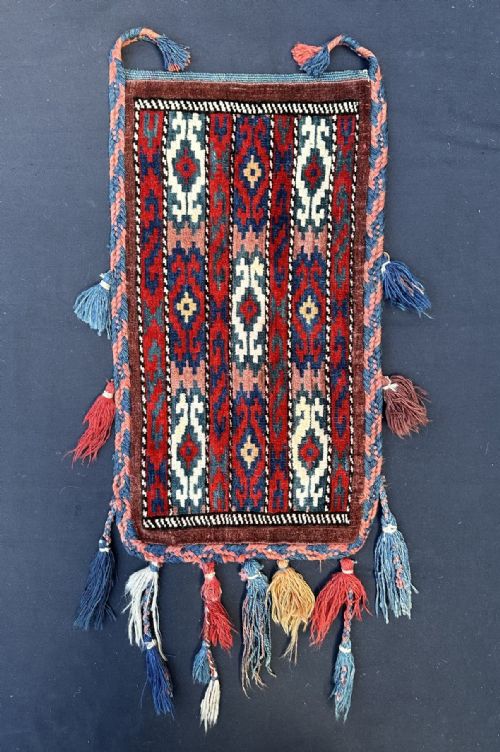
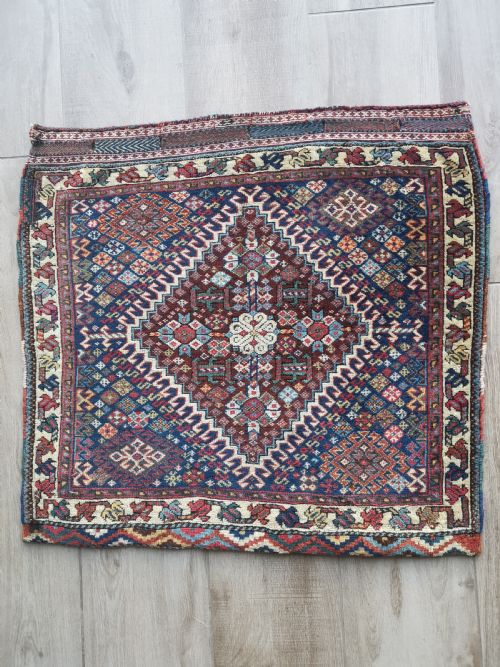
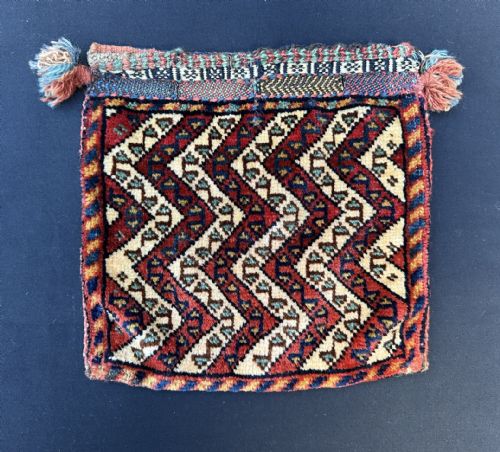
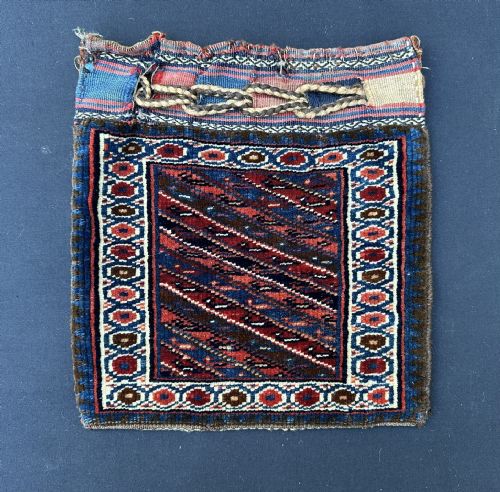
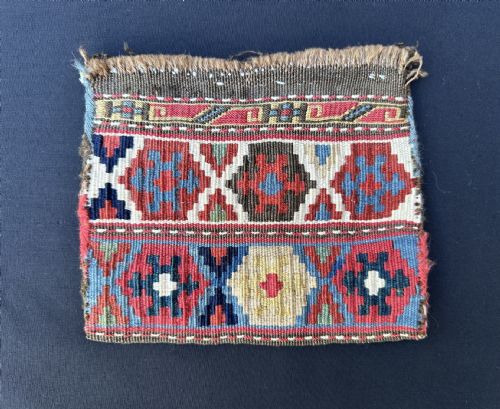
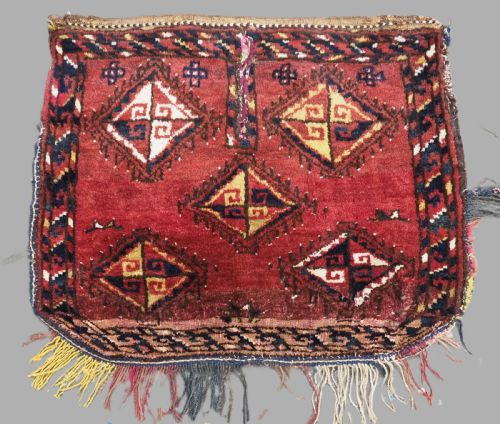
An antique tribal weave bag encompasses utilitarian nomadic containers such as salt bags, vanity bags, saddle bags, storage sacks and tent trappings. These pieces originate from regional confederacies and tribes including the Qashqa'i, Afshar, Turkmen, Baluch, Shahsevan and Kurds.
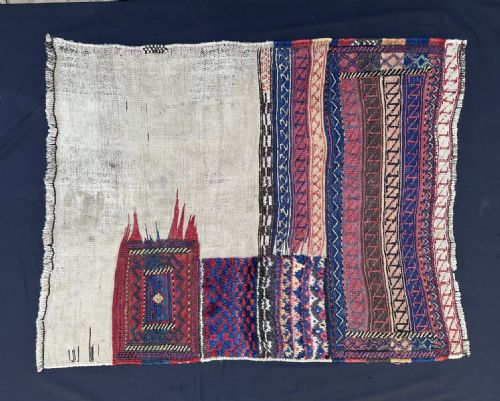
The objects frequently take the form of complete khorjin pairs, individual bag faces, small chantehs, or specialised pouches for spindles, pipes and bedding. They reflect the specific domestic and pastoral requirements of their makers across the nineteenth and early twentieth centuries.
Materials and construction
The construction relies on hand-spun wool and cotton, often combined with supplementary weft-float techniques, pile knots and plain weave structures. Natural dyes provide the underlying palette across these textiles.
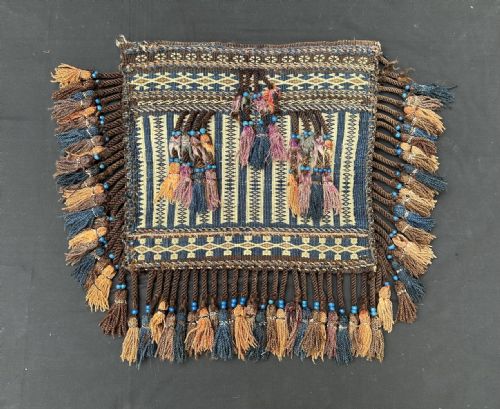
Certain pieces incorporate embellishments such as glass beads and cowrie shells to accent the structural weave and patterned fields.
Several survival pouches were specifically designed to cradle a nomad's water-pipe or tobacco supply during long journeys across the steppes.
Measures of quality
Quality rests on the density of the weave, the crispness of tribal motifs such as guls and herati patterns, and the stability of the wool foundation. Finer knotting and well-balanced proportions distinguish superior examples from standard utility pieces.
The depth and harmony of natural dye colours, along with the retention of original plain weave backs and closure systems, elevate an individual piece within its type.
The Antique Tribal Weave Bag Glossary
- Khorjin
- A traditional double saddle bag used by nomads for transport and storage on animals. These pieces are joined by a central web and often survive as single bag faces.
- Torba
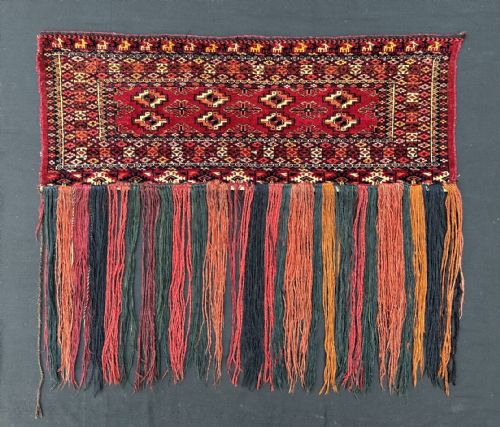
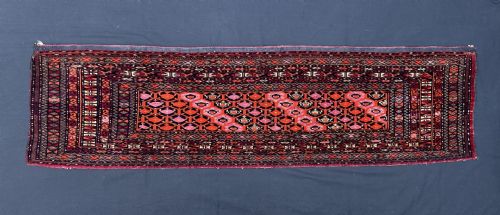
- A small utilitarian wall bag or storage sack produced by Turkmen tribes. They were typically hung inside the yurt to hold household goods.
- Chanteh
- A small personal vanity bag or pouch woven by tribal groups. These items served as containers for mirrors, tobacco or small personal effects.
- Gul
- A repeating medallion or floral motif characteristic of Turkmen and Central Asian weaving traditions. Each tribal group utilised distinct geometric variations of these primary crests.
- Chuval
- A large tent bag utilised by Turkmen nomads for storing bedding and clothing. They frequently display multiple guls arranged in rows across the face.
Antique Tribal Weave Bag: Frequently Asked Questions
What were tribal bags used for?
Nomadic groups utilised these woven containers for carrying personal possessions, salt, tobacco, pipes and household goods during seasonal migrations. They also served as functional storage within tents and yurts.
Larger double saddle bags were slung over pack animals, while smaller vanity bags and pillows remained inside the dwelling for daily use.
How do I identify different tribal origins?
Attribution relies on specific structural traits, palette choices and characteristic motifs unique to regions such as Fars, Kerman or the Trans-Caspian steppes. Turkmen pieces often display regimented guls, while Persian nomadic bags from the Qashqa'i or Afshar show livelier field designs.
Examining the weave structure and secondary weft colours helps separate northern tribal groups from southern pastoral confederacies.
How should I display a bag face?
Flat textile bags and surviving bag faces mount securely on neutral fabric backings or display rails for wall presentation. Proper mounting distributes the weight evenly across the wool foundation to prevent distortion.
Keep textiles away from direct sunlight to protect natural dye colours from fading over time.
What is the difference between a torba and a chuval?
A torba is a smaller horizontal utility bag used for general storage, whereas a chuval is a substantially larger tent bag designed for heavy bedding. Both forms appear frequently within Turkmen weaving traditions.
Chuvals generally feature multiple rows of primary guls, while torbas often display banded or compartmented designs.