



Antique Woven Hearth Rug
An antique woven hearth rug brings heavy wool and tribal geometry to the floor before the fireplace, grounding a room with history.
Antique Woven Hearth Rug
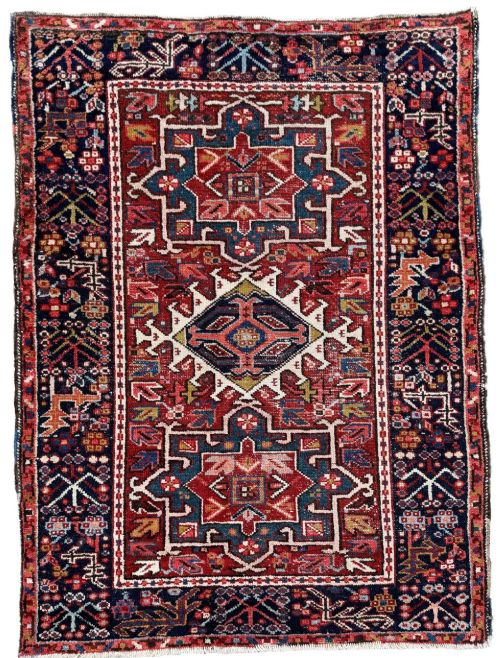
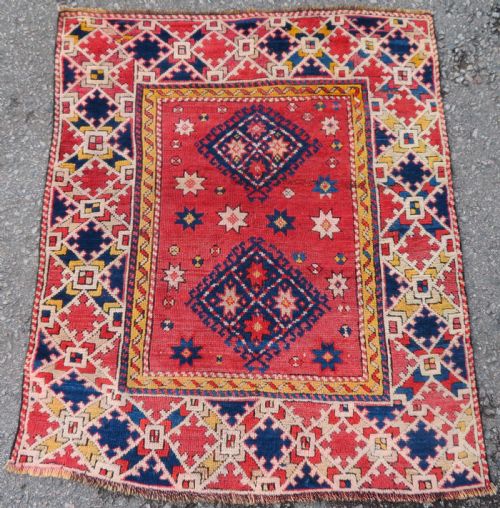
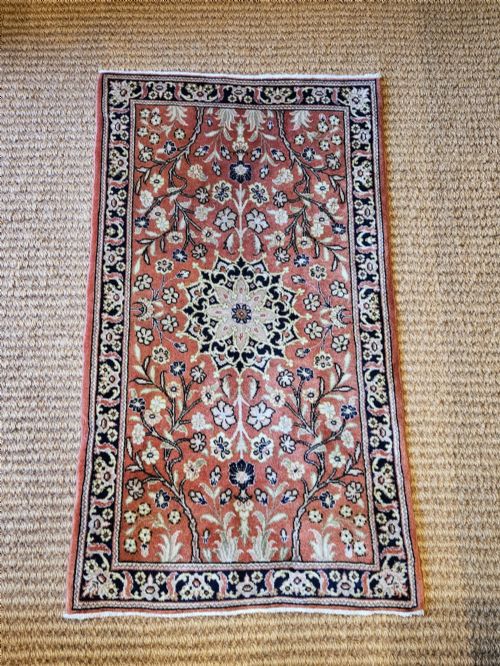
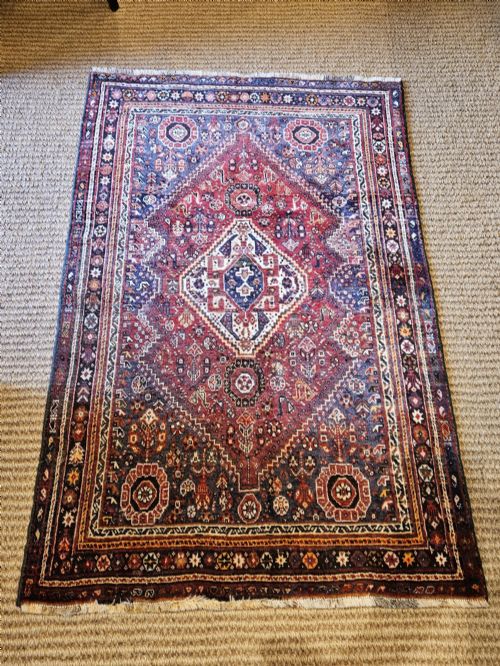
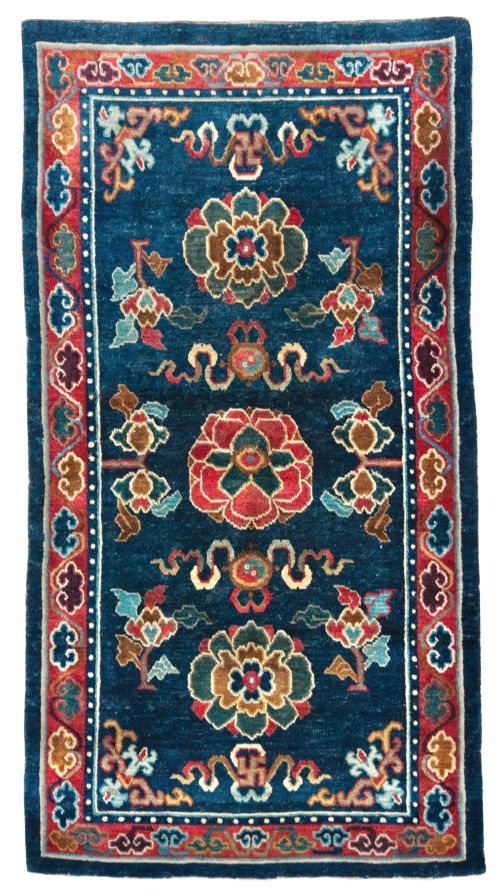
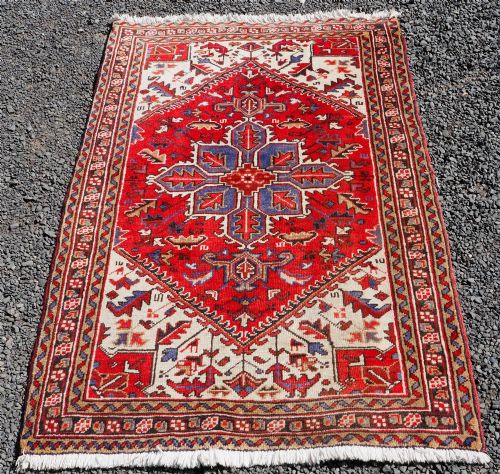
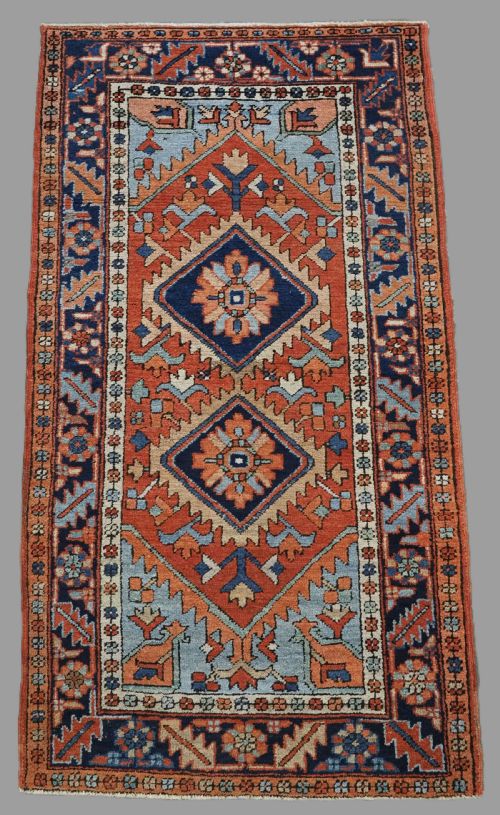
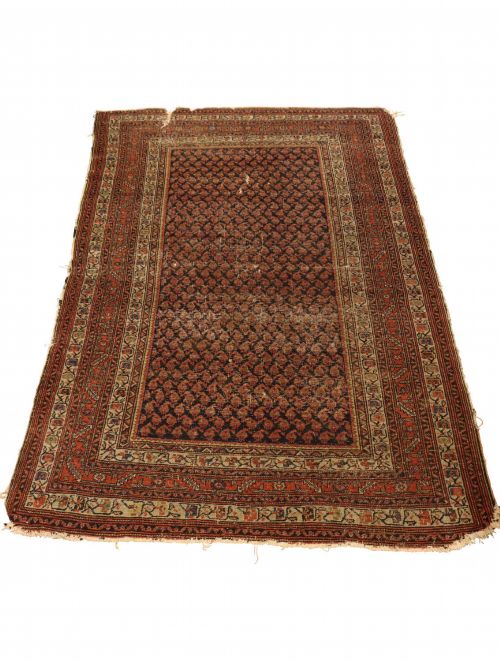
When searching for an antique woven hearth rug, buyers encounter smaller floor coverings designed for warmth and utility in domestic settings. These textiles originate from village workshops and nomadic camps across Persia, Anatolia, Central Asia, and Tibet, spanning the nineteenth and early twentieth centuries. The selection contains formats suited to narrower spaces, frequently grouping tribal village rugs with formal city formats.
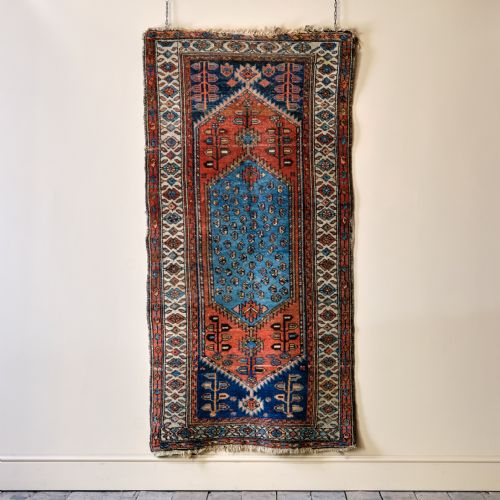
Village and tribal weaving traditions dominate this group, reflecting the practical needs of weavers in regions such as Heriz, Karaja, Bergama, and Baluchistan. Pieces from the nineteenth century sit alongside examples from the Edwardian era and the 1920s and 1930s. The common thread is a dense textile structure created to withstand foot traffic while adding colour and pattern to a room.
How they were made
Construction relies primarily on wool, occasionally incorporating camel wool for natural tone and texture alongside cotton foundations. Weavers tied pile knots by hand onto warps andwefts, creating resilient surfaces that hold rich dye colours across decades of use. Materials vary from coarse rustic village wool to finely spun yarn in denser tribal weaves.
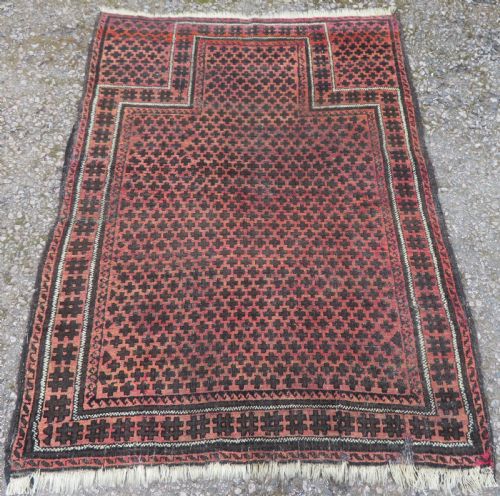
Techniques range from village knotting with geometric motifs to prayer designs incorporating specific architectural arches and mihrabs. Nomadic pieces like Turkmen ensi and Baluch rugs utilise distinct regional dye palettes and structural markers passed down through generations.
Nomadic weavers occasionally included deliberate imperfections in their tribal rugs to ward off the evil eye.
What varies in quality
Quality rests in the density of the hand-knotting, the clarity of the design motifs, and the resilience of the wool pile. Finer weaves allow for sharper execution of intricate lattice, boteh, and tribal medallion patterns.
The integrity of the natural dyes and the preservation of original edge finishes and borders set superior examples apart. Rustic charm and distress appear naturally in older village pieces, but structural soundness in the foundation remains paramount.
The Antique Woven Hearth Rug Glossary
- Pile
- The vertical yarn surface of a rug formed by knotted tufts. This provides the tactile texture and colour display underfoot.
- Warp
- The stationary lengthwise threads stretched on the loom. Wefts are then interwoven across these structural foundation strands.
- Boteh
- A stylised almond or paisley motif representing a floral spray or cypress tree. It appears frequently across Persian and tribal formats.
- Mihrab
- An arched niche design used in prayer rugs, directing the focus towards a spiritual focal point. This architectural element defines specific Anatolian and Baluch types.
Antique Woven Hearth Rug: Frequently Asked Questions
How do I clean an antique rug?
Vacuum gently without rotating brush bars to remove surface dust.
Professional specialist cleaning is essential for deeper maintenance to protect natural wool pile and dyes.
Where were these rugs made?
Origins span village and nomadic communities across Persia, Anatolia, Afghanistan, and Tibet.
Weavers in regions like Heriz, Bergama, and Baluchistan produced these practical textiles for daily use.
Can I use these rugs near a fireplace?
Wool naturally resists open flame better than synthetic fibres, making traditional wool rugs traditional choices for hearths.
Keep them at a safe distance from spitting embers to prevent permanent scorch damage.
How do I date an older rug?
Dating relies on structural analysis, wool consistency, regional dye characteristics, and design motifs.
Nineteenth-century examples show distinct natural colour variation compared to later twentieth-century productions.