



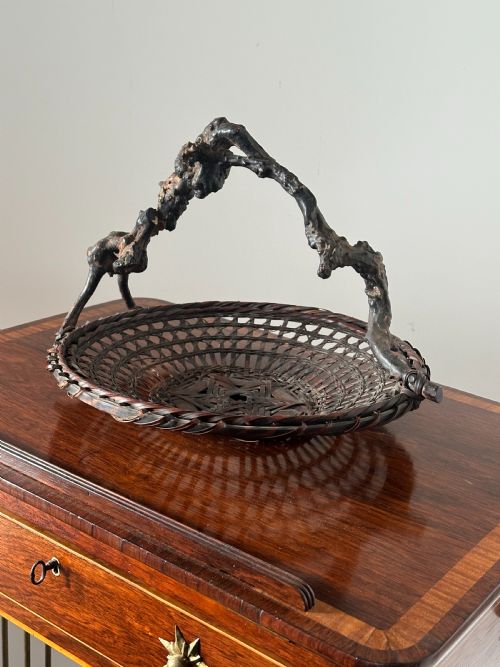
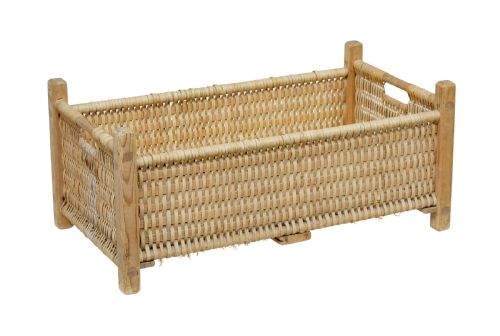

Antique Woven Basket
An antique woven basket brings organic texture and utilitarian history into a room, spanning rustic pine storage vessels and intricate silverwork.
Antique Woven Basket
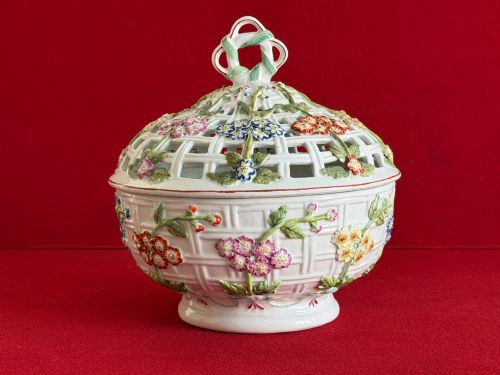
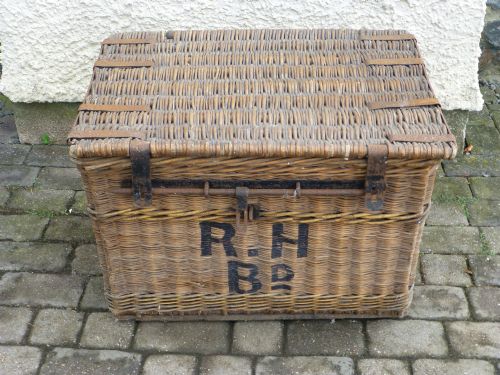
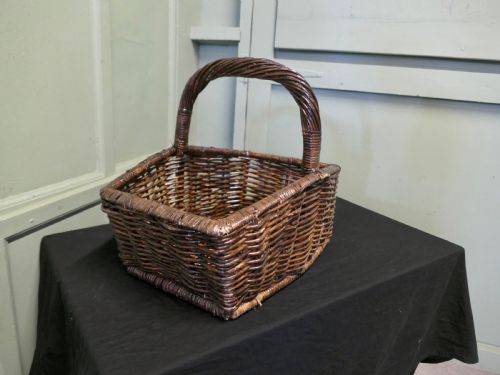
An antique woven basket encompasses utilitarian vessels designed for harvest, storage, and transport, alongside decorative ceramic interpretations mimicking plaited plant fibres. Buyers exploring this category encounter sturdy utilitarian carriers from French and Scandinavian country traditions, alongside industrial travelling trunks and delicate porcelain or silver table pieces.
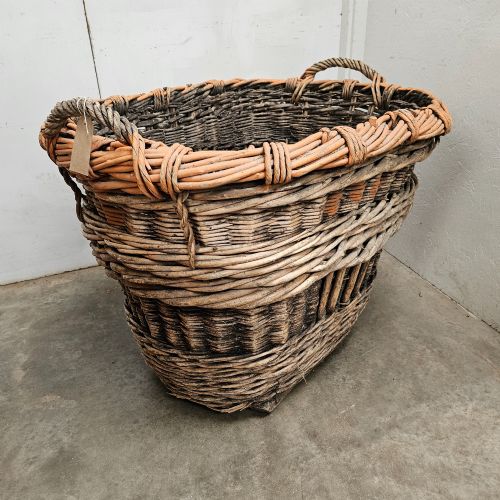
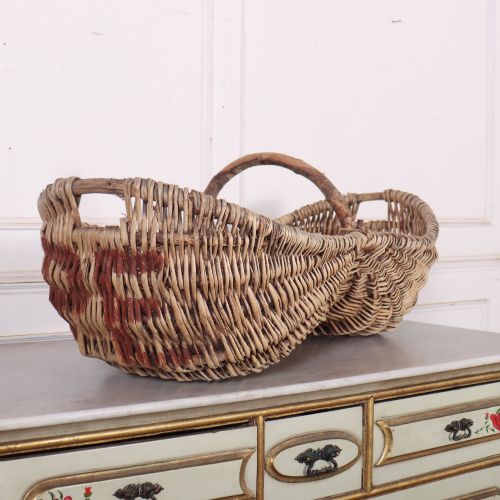
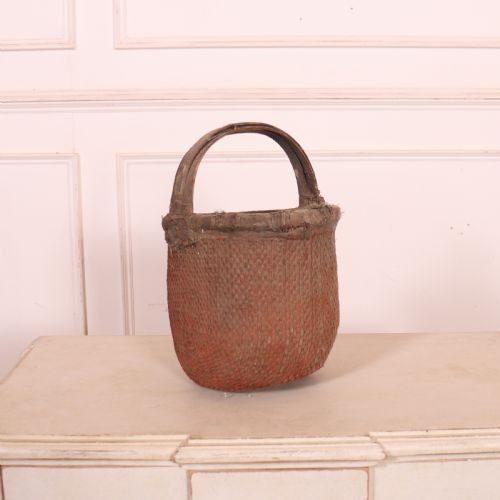
The material vocabulary ranges from traditional peeled willow and wicker to rigid pine splints, split bamboo, and twisted cane. Form follows function closely, producing deep harvest hods, lidded laundry hampers, and shallow market baskets shaped by regional domestic and agricultural needs across the nineteenth and early twentieth centuries.
Materials and construction
Construction relies heavily on plant materials selected for flexibility and strength, notably willow, cane, bamboo, and pine. Artisans soaked flexible stems and splints to enable tight interlacing around rigid structural hoops and staves, forming resilient grid patterns designed to bear heavy loads of fruit, grain, or laundry.
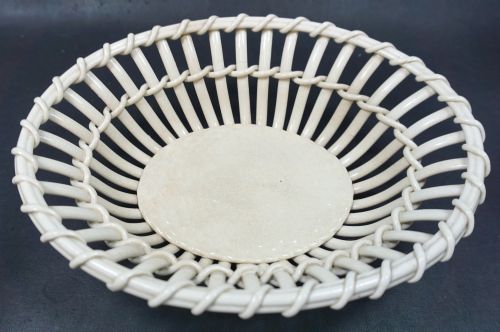
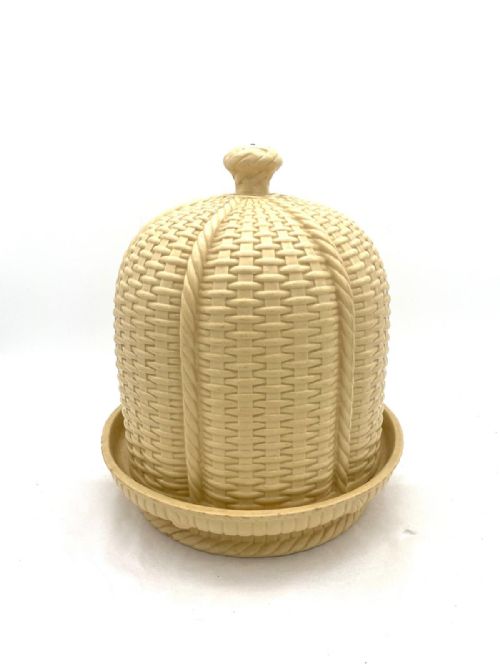
Alternative interpretations translate textile and basketry techniques into permanent mediums, utilising moulded creamware, glazed earthenware, and chased silver wire work to mimic the tactile appearance of woven plant matter.
Materials extend beyond plant fibres to include solid silver wire, moulded porcelain, creamware, and earthenware.
Quality and manufacture
Quality rests upon the structural integrity of the weave, the uniformity of the plant material, and the retention of original mounting hardware or handles. Pieces that endure heavy agricultural or industrial service without losing their primary form display superior structural discipline by the maker.
Finer decorative examples demonstrate precise control over rigid materials, whether handling delicate porcelain clay or manipulating solid silver wire into convincing textile patterns.
Edward H Stockwell·Hozan·William B Hough·Edith Barrow
The Antique Woven Basket Glossary
- Wicker
- A technique of weaving pliable plant materials into rigid items such as baskets and furniture. It often utilises willow, rattan, or reed over a sturdy structural framework.
- Cane
- The peeled, slender stems of rattan palms used extensively for binding, seating, and basketry work. This material offers exceptional tensile strength and flexibility.
- Drabware
- A ceramic body coloured in muted grey-brown or olive drab tones, popular during the Georgian and Victorian eras. It frequently provided a neutral background for moulded basket-weave surface designs.
- Trug
- A shallow horticultural container traditionally made from thin strips of wood. It served primarily for gathering garden produce and flowers.
Antique Woven Basket: Frequently Asked Questions
How were antique woven baskets used originally?
These vessels served demanding daily roles in agriculture, domestic labour, and transport. Examples range from grape harvest hods in French vineyards to laundry hampers and travel trunks.
Over time, utilitarian designs transitioned into decorative interior objects, while ceramic and silver iterations graced formal dining tables as fruit and cheese containers.
How do I clean and care for an antique woven basket?
Dust natural plant materials gently using a soft, dry brush or a vacuum attachment covered with mesh. Avoid excessive moisture, which weakens dried fibres and promotes warping.
Keep wooden and wicker pieces away from direct heat sources and strong sunlight to prevent the natural material from drying out and cracking.
How do I date an antique woven basket?
Dating relies on material analysis, construction methods, and regional style indicators. Nineteenth-century pieces often utilise heavy pine, willow, or industrial cane frames built for hard manual labour.
Later pieces from the early twentieth century frequently incorporate lighter bamboo construction or reflect specific craft movements like Japanese Meiji and Taisho aesthetics.
Can I use an antique basket for daily storage?
Sturdier willow, cane, and pine storage baskets remain entirely functional for holding items like throws, logs, or magazines. Ensuring the base and handles are secure prevents undue strain on the historic weave.
Fragile decorative examples, such as porcelain or delicate bamboo flower baskets, are best reserved for display rather than active load-bearing use.