


Nineteenth Century Basket
A nineteenth century basket brings tactile warmth and domestic history into a room, offering both practical utility and decorative focus.
Nineteenth Century Basket
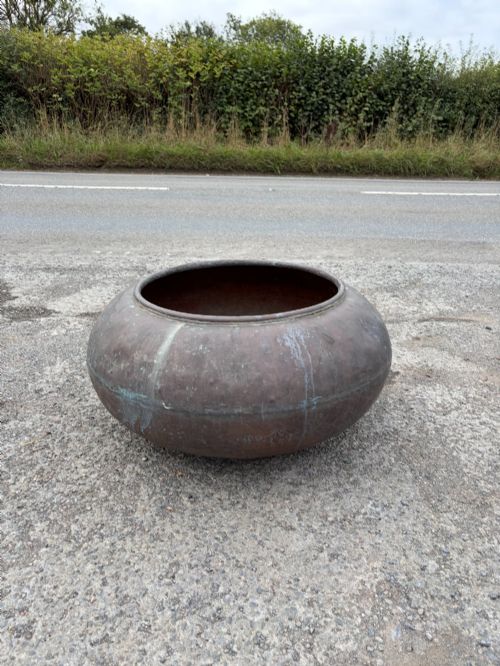
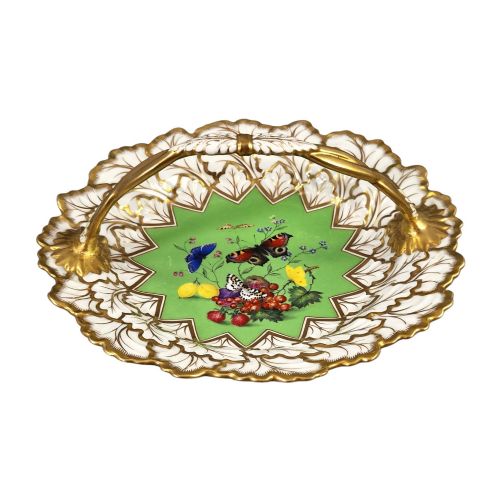
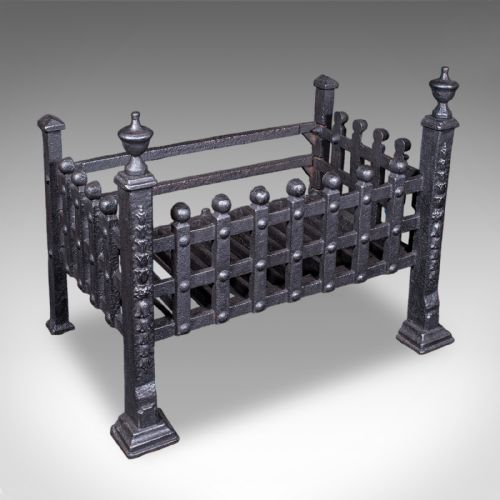
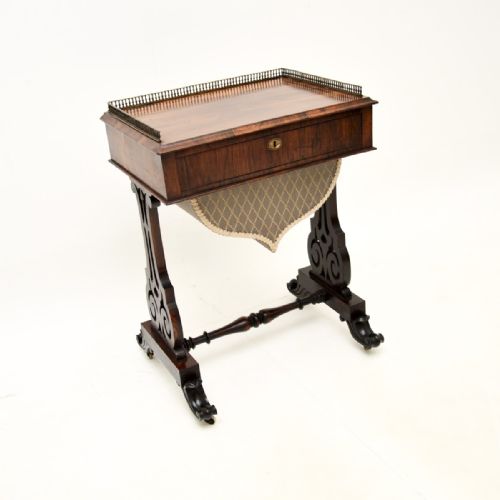
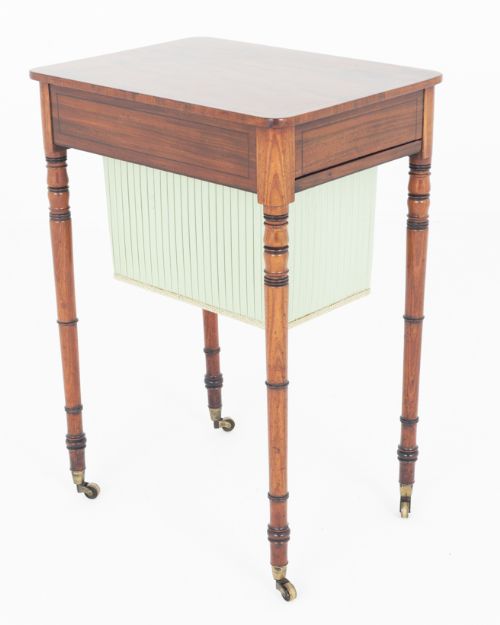
When searching for a nineteenth century basket, collectors encounter a diverse array of items ranging from utilitarian woven pine and copper containers to delicate porcelain centerpiece bowls and intricate Tunbridge Ware sewing accessories. The selection spans the Georgian, Regency, William IV and Victorian periods, capturing a century of shifting domestic habits and artisanal skill. Alongside traditional woven vessels, the category encompasses specialised furniture forms such as rosewood and mahogany work tables, sewing boxes and fireplace grates fitted with fire baskets.
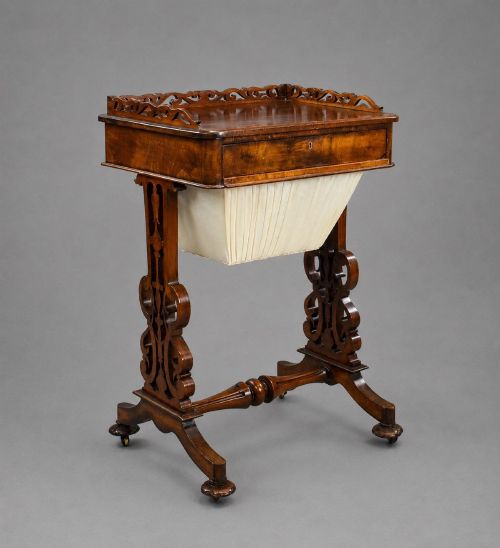
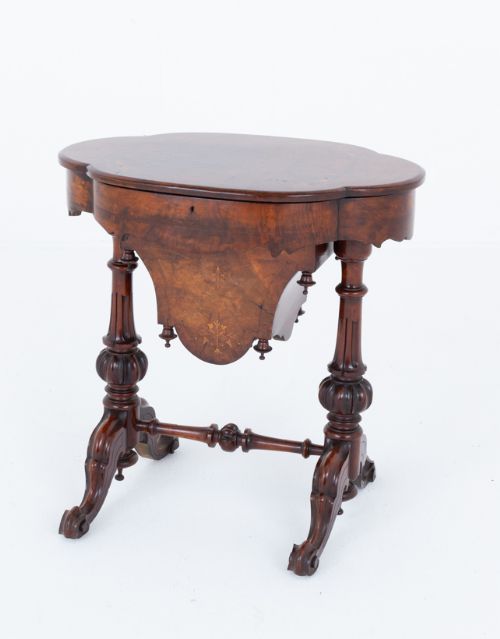
The most prevalent domestic forms on this page include mahogany and burr walnut sewing tables designed with integrated fabric wells, alongside sturdy copper pots and decorative earthenware pieces. Buyers frequently find variations in earthenware and porcelain from makers like Spode, Royal Worcester and Flight, Barr & Barr, reflecting the era's taste for refined ceramics. Whether selecting a rustic Swedish woven pine container or an ornate Austrian terracotta figural piece, each object embodies nineteenth-century craftsmanship.
How They Were Made
Makers utilised a diverse palette of materials, combining durable metals like copper, brass and wrought iron with rich timbers including rosewood, mahogany, walnut and pine. Cabinetmakers constructed sewing and work tables with precision, employing fine veneers and specialised inlays such as Tunbridge Ware mosaics to elevate everyday furniture.
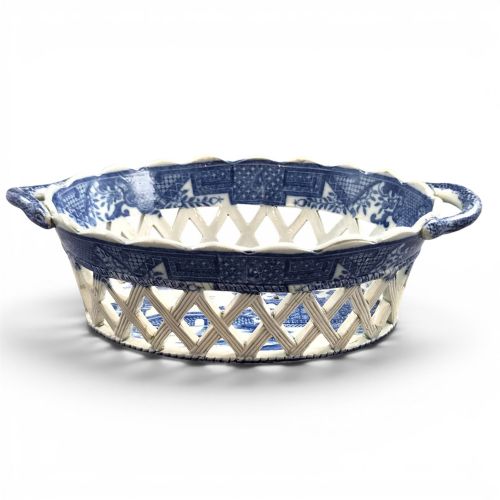
Ceramic and terracotta pieces involved meticulous moulding, reticulation and hand-painting, seen in porcelain chestnut baskets and majolica figurines with complex glaze finishes. Metalware items relied on traditional smithing and beating techniques, shaping heavy copper and iron into durable fireplace grates and large vessels.
Listings feature items spanning the 19th century, incorporating Georgian, Regency, William IV and Victorian periods.
What Varies in Quality
Quality rests upon the purity of the materials and the sureness of the maker's hand, distinguishing standard utilitarian output from exhibition-grade artistic work. Superior pieces demonstrate crisp moulding in ceramics, tight and even weaving in organic materials, and flawless timber selection in cabinetwork.
The distinction between ordinary and exceptional examples also lies in the survival of original decorative details, such as intricate reticulation on porcelain baskets, intact marquetry, and well-preserved hand-painted finishes on earthenware and canvas.
Flight Barr And Barr·Spode·Bernard Bloch·Royal Worcester
The Nineteenth Century Basket Glossary
- Reticulated
- Pierced or openwork decoration cut into ceramics or metal to resemble a net or lattice. This technique required considerable skill from the potter to prevent warping during kiln firing.
- Tunbridge Ware
- Small wooden objects decorated with mosaic patterns made from tiny wood blocks of various natural colours. Artisans assembled thousands of microscopic segments to create detailed pictorial scenes or geometric designs.
- Majolica
- A type of earthenware coated with an opaque white tin glaze and painted with metallic oxide colours. Introduced widely during the Victorian era, it produced vibrant, glossy household items and figures.
- Work Table
- A specialised nineteenth-century furniture form featuring an attached fabric bag or box for sewing and needlework. These tables combined domestic utility with elegant rosewood or mahogany cabinetry.
- Fire Basket
- A metal grate designed to hold coal or wood within a domestic fireplace, often flanked by matching andirons. They were forged from iron and brass to withstand intense heat.
Nineteenth Century Basket: Frequently Asked Questions
How were ceramic baskets used?
Ceramic baskets, such as reticulated chestnut baskets and porcelain centrepieces, served primarily as decorative table service items for fruit or sweetmeats during formal dining. They showcased the household's refinement and the ceramic maker's technical skill.
Placed centrally on dining tables or sideboards, these glazed earthenware and porcelain vessels added colour and sculptural form to nineteenth-century interiors.
What distinguishes Regency from Victorian pieces?
Regency items, produced in the early decades of the century, generally feature classical restraint, cleaner lines, and influences from ancient Greek and Roman design executed in mahogany. Victorian pieces, dating from the mid-to-late century onwards, often embrace heavier proportions, exuberant revival styles like Rococo, and darker woods such as burr walnut.
Recognising the transition involves observing the shift from linear, neoclassical elegance towards more ornate, heavily carved or inlaid domestic furnishings.
How do I care for antique wood furniture?
Antique rosewood and mahogany surfaces require stable indoor humidity and protection from direct sunlight to prevent timber shrinkage and fading. Gentle dusting with a dry cloth preserves the polished finish without harming the historic patina.
Avoid liquid polishes containing silicone, relying instead on traditional beeswax sparingly applied to maintain the natural moisture and lustre of the wood.