





Vintage Pine Container
A vintage pine container brings honest utility to a room, offering practical storage fashioned from timber and iron.
Vintage Pine Container
When you search for a vintage pine container, you find utilitarian objects made for domestic or industrial tasks during the nineteenth century, the 1900 period, and 1920. The listings on this page span several categories, from heavy log bins and storage boxes to woven baskets and umbrella stands.
You are most likely to meet pieces originating from Scandinavian country traditions or British country houses. These items served functional roles in kitchens, hallways, and hearths before becoming sought-after decorative storage.
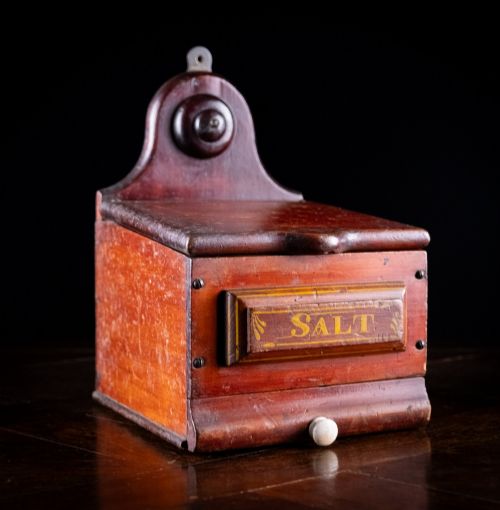
The forms reflect their original purposes, including wall-mounted salt boxes, wheeled log trolleys, and large hand-woven baskets. Each piece combines simple lines with robust construction suited to daily use.
How they were made
Maker construction relies heavily on solid pine, pitch pine, and mixed timber combined with iron and steel bands for reinforcement. Woodworkers shaped these materials into sturdy boxes and bins designed to bear heavy loads like firewood.
Woven examples utilise flexible pine strips or roots manipulated by hand into baskets with high tensile strength. Other pieces employ metal banding to secure stave-built containers against splitting.
Surface treatments range from bare scrubbed wood to remnants of old paint. The joining methods rely on traditional carpentry appropriate for utilitarian country items.
Vintage Pine Container Retail Price Guide 2026
Typical asking prices for vintage pine container among the pieces listed under this phrase on Sellingantiques today, from the lower quarter to the upper quarter. They describe what is for sale here now, not the wider market.
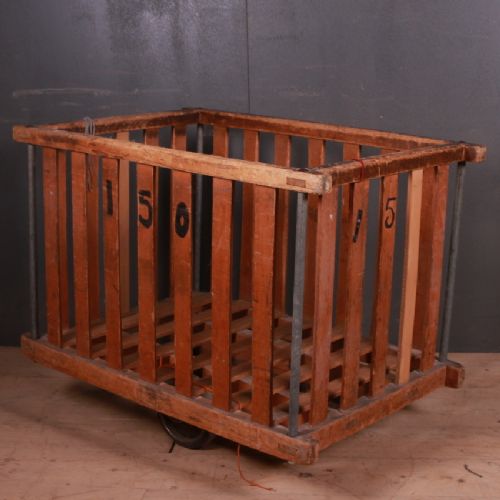
Several heavy log bins double as trolleys, letting you wheel your firewood across the floor with surprising industrial speed.
What varies in quality
Quality in a vintage pine container depends on the integrity of the timber and the tightness of the construction. Pieces with original iron banding and sound joints stand apart from those with loose weaves or degraded wood.
The subtlety of hand-woven pine strips distinguishes finer baskets from simpler utility items. Well-preserved surface patinas and intact hardware elevate the standing of a piece within its category.
The Vintage Pine Container Glossary
- Pitch pine
- A dense, resinous softwood utilised for durability in heavy-duty items like umbrella stands and log bins. This material resists moisture better than standard softwoods.
- Log bin
- A large container designed specifically for storing firewood near a hearth. These often feature iron banding or wheels for mobility.
- Salt box
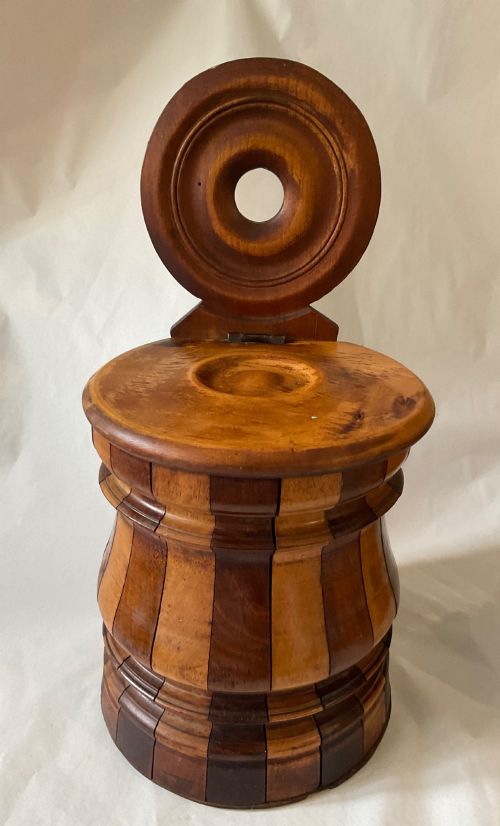
- A small wall-hanging container traditionally used in kitchens to keep salt dry. They typically feature a hinged lid and a high back with a mounting hole.
- Umbrella stand
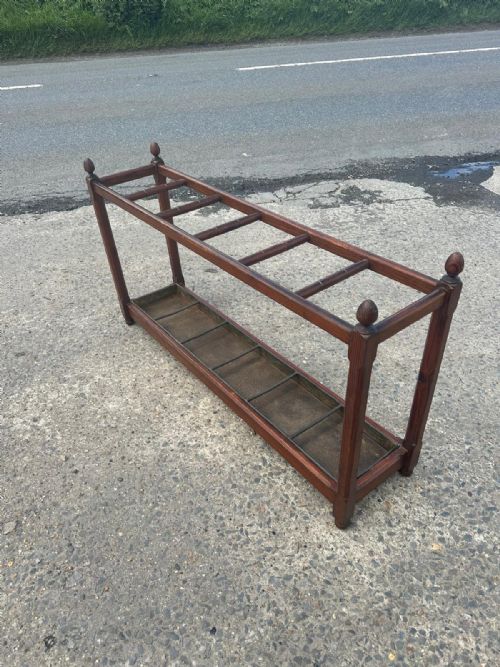
- A hall furnishing created to hold wet walking sticks and umbrellas. These frequently incorporate metal liners to catch drips from wooden floors.
- Scandinavian country
- A design style characterised by minimalist utility and pale woods. Pieces from this tradition often display skilled hand-weaving or plain board construction.
Vintage Pine Container: Frequently Asked Questions
What were log bins used for?
Log bins served as sturdy receptacles for storing firewood near domestic fireplaces and hearths. Their robust construction handled the rough bark and weight of logs without splintering.
Over time, these utilitarian holders moved from functional hearthside accessories to decorative storage items in modern homes.
How do I date a pine container?
Dating relies on examining the construction methods, nail types, and wood patination visible on the piece. Nineteenth-century examples often display hand-forged ironwork and pegged joinery.
Later pieces from 1920 or the 1900 period may utilise machine-cut hardware and industrial elements like steel trolleys.
Are woven pine baskets durable?
Woven pine baskets were built to withstand heavy daily farm and household labour. The flexibility of pine strips combined with tight hand-weaving creates a resilient structure.
While they handle dry storage exceptionally well, modern owners should keep them away from damp environments to preserve the wood fibres.
Where should I place an umbrella stand?
An umbrella stand fits naturally in an entryway, hallway, or porch for holding walking sticks and umbrellas. Their narrow footprints make them efficient for smaller spaces.
Ensure that wet items placed inside have adequate protection underneath to prevent moisture damage to delicate flooring.