
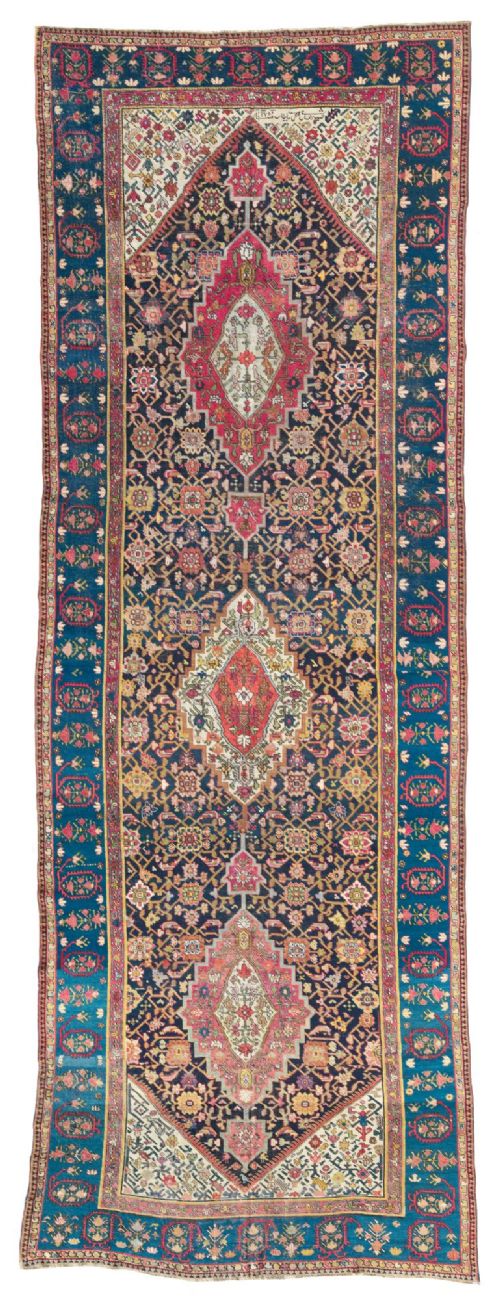
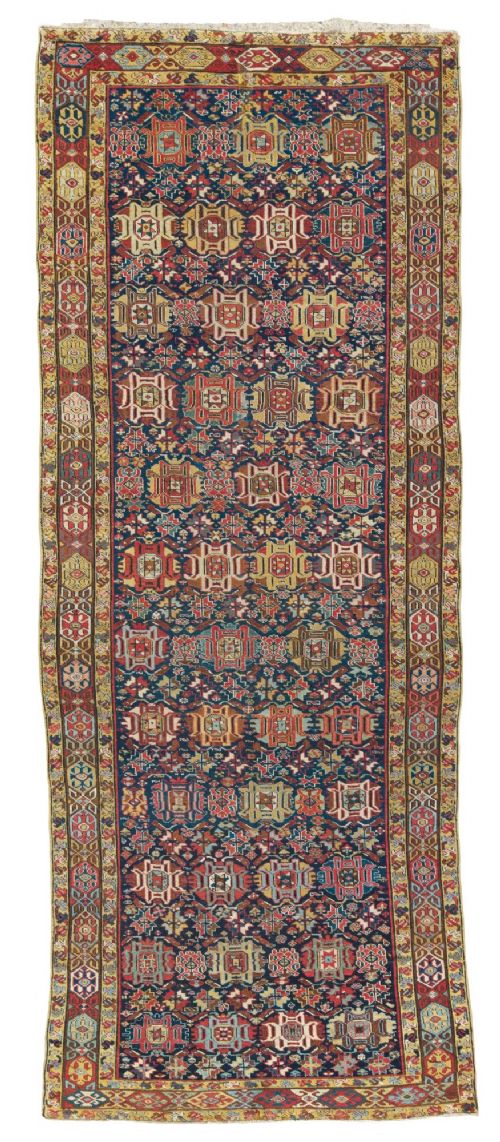


Antique Wool Kelleh
An antique wool kelleh is a substantial Persian or Caucasian tribal carpet offering deep history and resilient floor service.
Antique Wool Kelleh
An antique wool kelleh represents a specific format of long carpet traditionally woven in tribal and regional centres across Persia and the Caucasus. These grand floor coverings typically span from the mid-nineteenth century through to the early twentieth century, reflecting diverse regional aesthetics.
Buyers searching for an antique wool kelleh will encounter elongated rug formats suited for hallways, large rooms, and galleries. The pieces on this page span styles from Persian tribal to Caucasian, showcasing varied village and nomadic weaving traditions.
The format itself sits between a standard area rug and a full-room carpet, offering a narrow, elongated proportion designed for specific architectural spaces. Surviving examples demonstrate the endurance of traditional designs through multiple decades of use.
Materials and methods
The construction relies heavily on durable wool, cotton foundations, and hand-spun wool yarns processed by regional weavers. These natural materials provide the structural integrity required for large formats like the kelleh.
Weavers utilised traditional village and nomadic techniques, incorporating dense pile knots and robust foundation threads. The application of hand-spun wool yields a tactile surface quality that responds well to natural ageing.
Regional styles represented include Persian Tribal, Caucasian, Kurdish, Bidjar, and Khamseh traditions.
Assessing quality in a kelleh
Quality in these carpets rests on the crispness of the drawing, the depth and saturation of the dyestuffs, and the integrity of the wool foundation. Finer knot density allows intricate motifs such as boteh, crab patterns, and tree of life designs to render with sharp definition.
The overall balance of proportions and the preservation of original borders significantly influence the visual impact of the weaving. Superior pieces maintain structural soundness alongside rich, harmonious colour palettes derived from traditional dyes.
The Antique Wool Kelleh Glossary
- Kelleh
- A large, elongated format of oriental carpet traditionally positioned alongside the longer walls of a room. This specific proportion distinguishes it from square carpets and standard runner rugs.
- Boteh
- A stylised floral or almond-shaped motif commonly found in Persian and regional weaving. This ancient symbol appears frequently throughout traditional village carpets.
- Cloud band
- A decorative border or field motif representing stylised Chinese-derived cloud forms. Weavers incorporated this graphic element into Caucasian and Persian designs.
- Hand-spun wool
- Yarn spun by hand rather than by industrial machinery, resulting in variable thickness and high lanolin retention. This material absorbs natural dyes with subtle variations in tone.
Antique Wool Kelleh: Frequently Asked Questions
Where were antique wool kelleh carpets used?
These long carpets served primarily as floor coverings in large reception rooms, corridors, and communal spaces within traditional homes. Their elongated format was tailored for specific architectural layouts where standard square rugs did not fit.
Today, they function well in hallways, long living spaces, and beneath dining tables, bringing warmth and historical character to modern interiors.
How do I care for an antique wool kelleh?
Maintenance requires regular, gentle vacuuming without the use of a rotating brush roll to protect the historic pile. Professional cleaning specialised in antique textiles ensures the wool and natural dyes remain preserved over time.
Placing the carpet out of direct, harsh sunlight prevents the fading of natural colours, while a quality underlay prevents slipping and reduces fibre friction against hard floors.
What designs appear on these carpets?
The surface designs encompass a wide array of tribal and regional motifs, including geometric medallions, all-over field patterns, tree of life compositions, and detailed border systems. Influences range from Kurdish and Bidjar traditions to Caucasian Karabagh styles.
Each weaving region imparted distinct artistic conventions, allowing observers to identify specific provenance through border patterns, symbol placement, and palette choices.
How can I tell the age of a kelleh?
Dating relies on stylistic indicators, structural characteristics, dye types, and material composition observable across the piece. Stylistic shifts between mid-nineteenth-century examples and early twentieth-century pieces provide reliable chronological markers for collectors.
Examining the weave tightness, wool preparation, and edge finishes helps contextualise the period of production within established regional timelines.