



Antique Wooden Storage Commode
An antique wooden storage commode provides practical depth for domestic interiors, bringing period cabinetmaking directly into modern rooms.
Antique Wooden Storage Commode
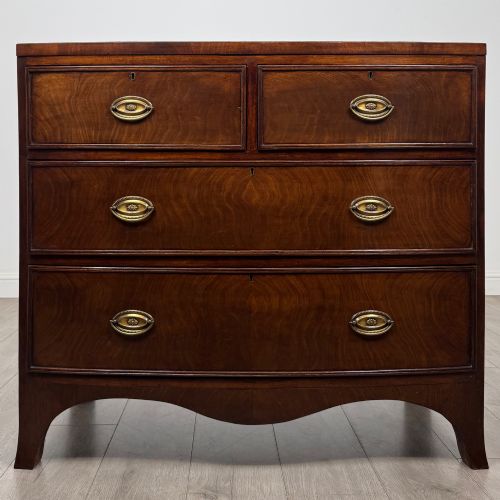
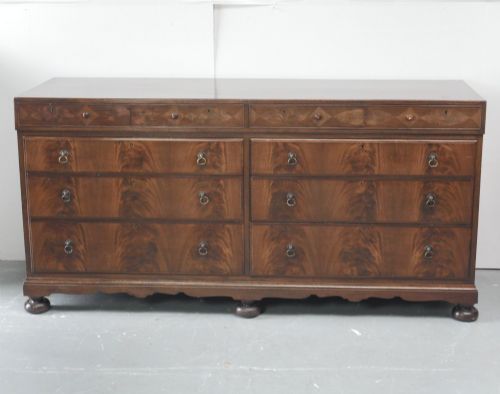
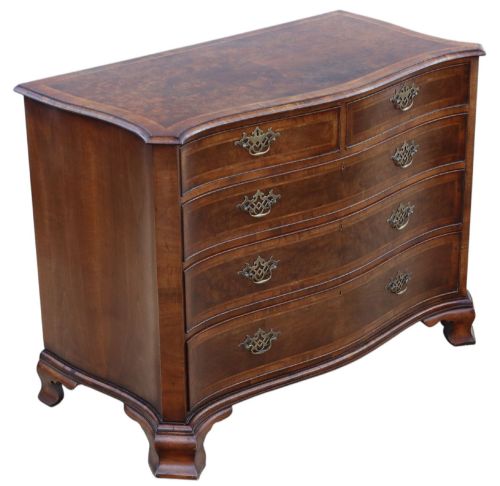
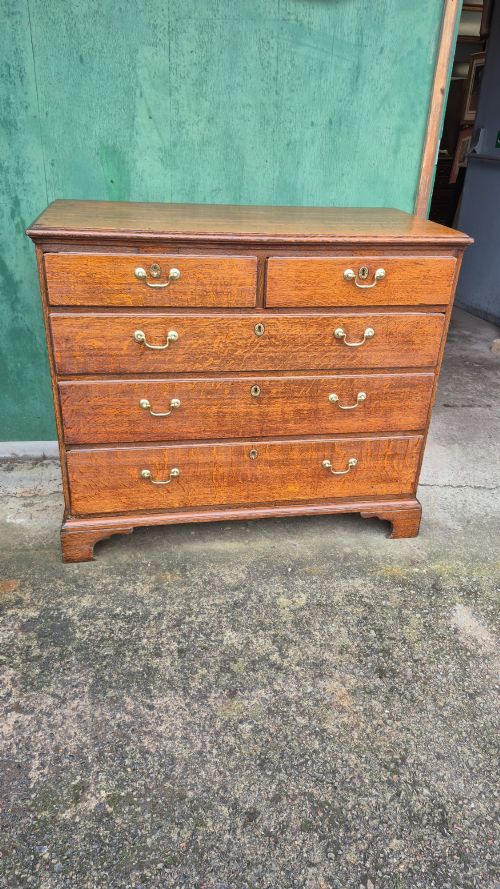
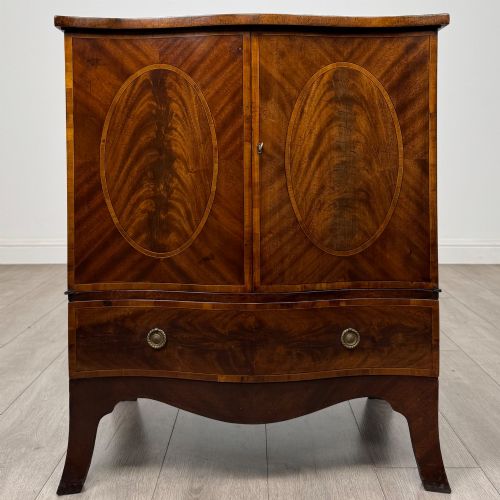
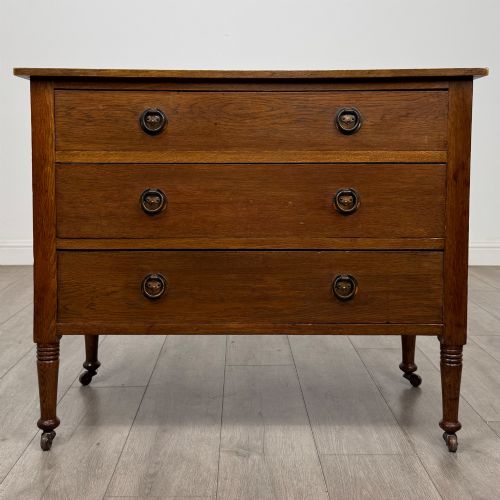
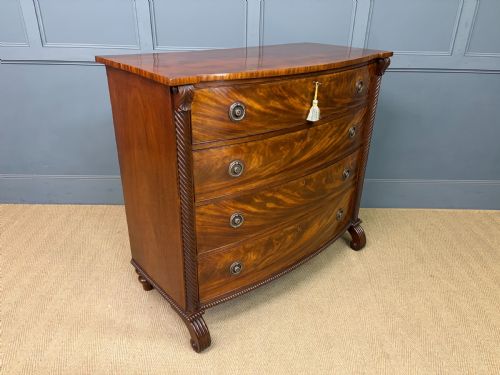
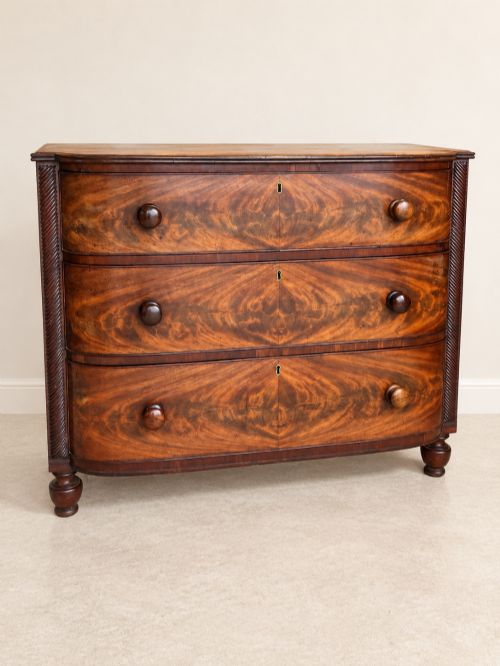
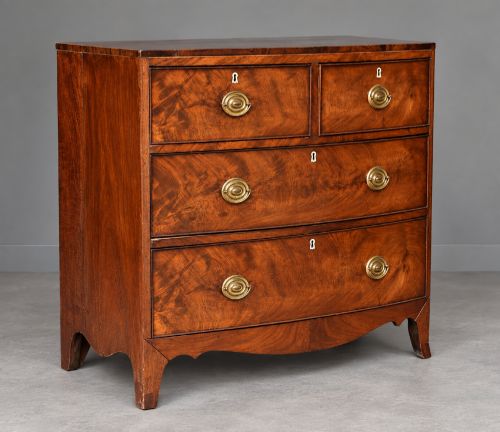
An antique wooden storage commode takes several primary forms, appearing predominantly as chests of drawers, bow fronts, and serpentine cabinets. These pieces span the 18th century, Georgian, Regency, Victorian, and Edwardian periods.
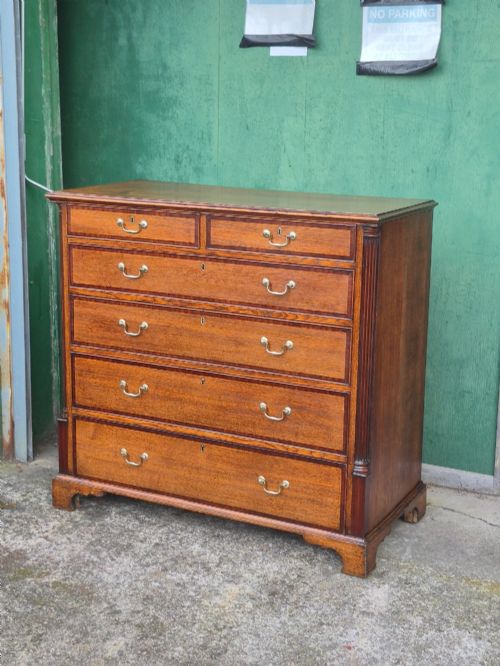
The materials include oak, mahogany, walnut, and pine, often shaped into chests with multiple drawer heights. Buyers frequently encounter Georgian and Regency examples alongside Victorian and Edwardian variations.
Materials and Construction
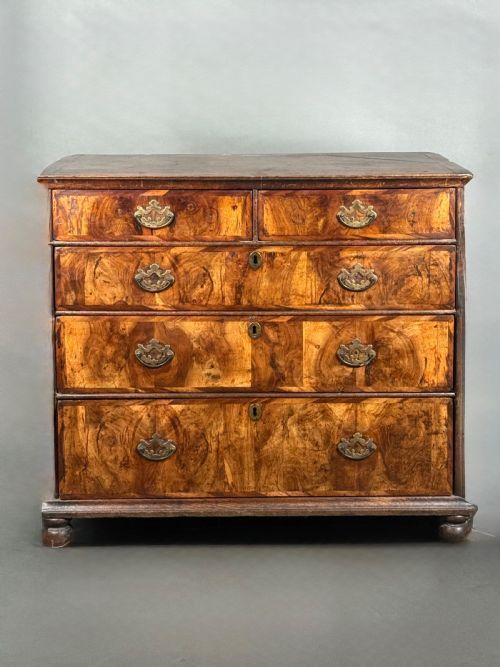
Cabinetmakers utilised solid timbers alongside veneers, applying flame mahogany and burr walnut across primary surfaces. Brass fittings provide handles and escutcheons for the drawer fronts.
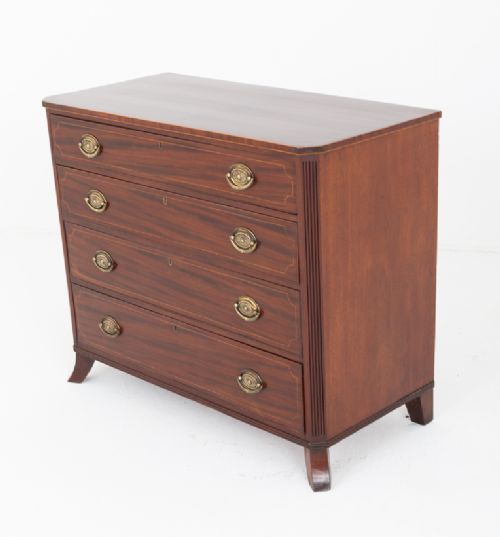
Construction techniques include crossbanding and painted decoration on select Edwardian and Victorian pieces. Oak and pine serve structural roles within carcass framing and drawer linings.
Some Edwardian chests hide bright painted finishes beneath conservative facades, surprising anyone who opens them.
Distinctions in Execution
Quality separates pieces through the selection of timber figures, such as figured walnut and flame mahogany veneer. The precision of crossbanding and the retention of original brass hardware elevate certain examples above standard utility furniture.
Proportion and form define the upper tier, particularly serpentine and bow front designs that demand advanced joinery. Surface finishing and timber selection determine the visual weight of each cabinet.
Whytock and Reid·Sir Clough Williams-Ellis
The Antique Wooden Storage Commode Glossary
- Commode
- A low chest of drawers or cabinet used for storage. The term encompasses various drawer configurations found in Georgian and later periods.
- Serpentine
- A front contour characterised by a convex centre flanked by concave curves. This shape requires skilled carpentry.
- Crossbanding
- A narrow strip of veneer laid around the border of a drawer front with the grain running at right angles to the central panel. It frames the primary wood.
- Bow front
- A convex curved cabinet or drawer front popular during the Regency and Georgian eras. This profile softens room angles.
- Flame mahogany
- A veneer cut from the fork of the mahogany tree to create a flickering flame pattern. It appears on high-grade Regency and Georgian pieces.
Antique Wooden Storage Commode: Frequently Asked Questions
What periods do these commodes span?
The pieces range from the late 17th century through the Georgian, Regency, and Victorian eras into the Edwardian period.
Designs shift from early oak and walnut examples toward refined mahogany and painted surfaces in later years.
How were these cabinets used?
They served primarily for domestic storage of linens, garments, and personal items within bedchambers and parlours.
The multiple drawer heights accommodated varying categories of household goods.
Which woods appear most often?
Mahogany and oak form the foundation of most surviving pieces, supplemented by walnut, burr walnut, and pine.
Veneers like flame mahogany and satinwood decorate the primary display surfaces.
How do bow front and serpentine shapes differ?
A bow front projects outward in a single convex curve across the width of the chest. Serpentine forms incorporate alternating convex and concave sections.
Both shapes represent advanced cabinetmaking techniques.
How do I identify a Regency commode?
Regency pieces often display rich mahogany timbers, sometimes enhanced with satinwood crossbanding and distinct brass hardware.
The proportions follow classical early 19th-century design principles.