

Antique Wooden Shelves
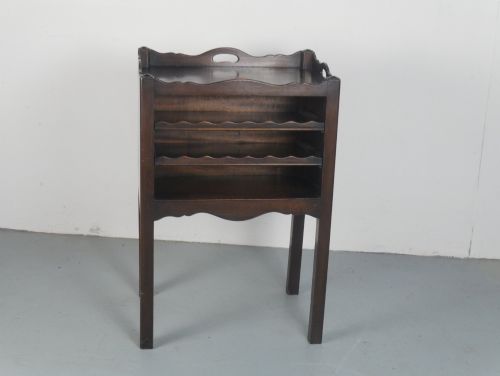
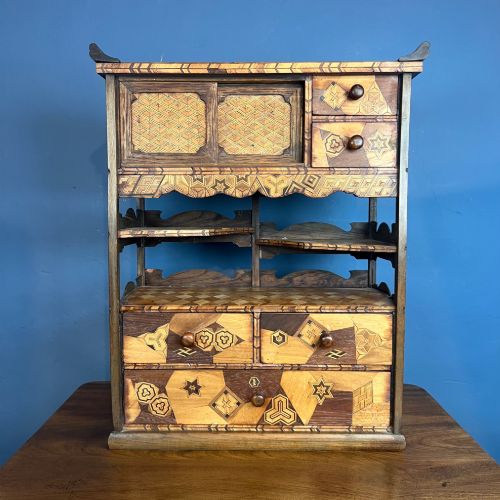
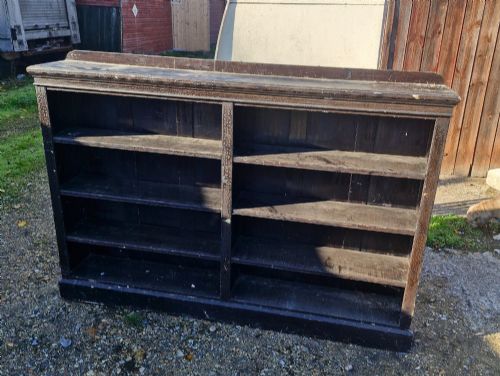
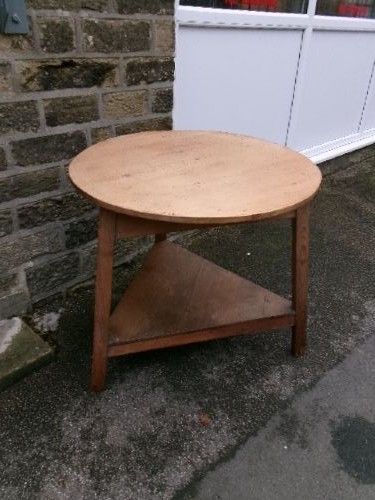
Antique wooden shelves provide practical wall storage and display, appearing here across Victorian, Edwardian, and Regency periods in mahogany, oak, and walnut.
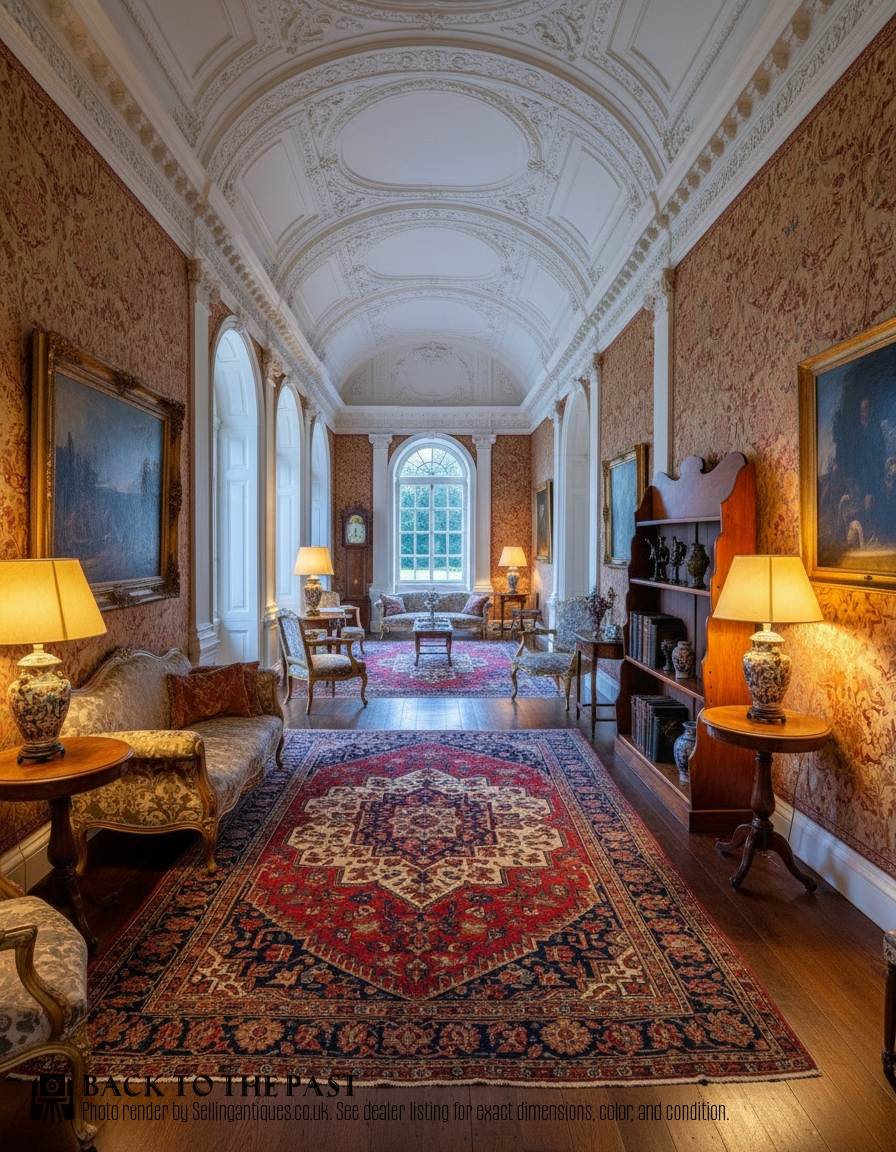
Antique Wooden Shelves
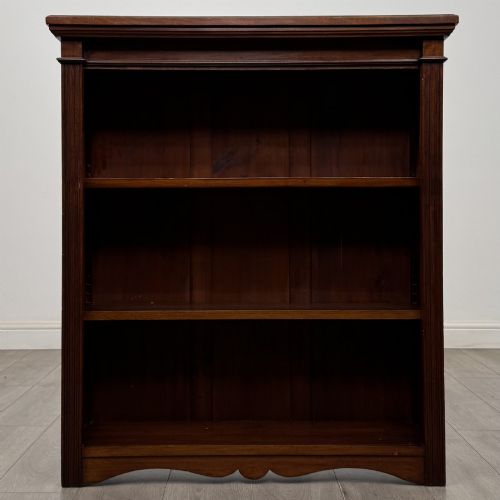
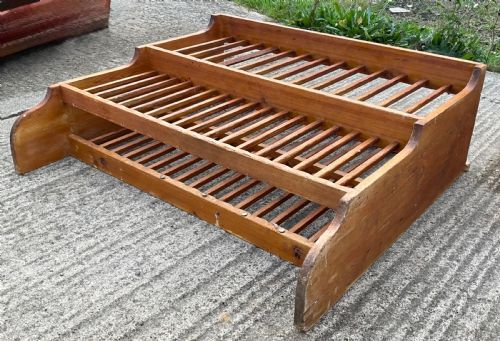
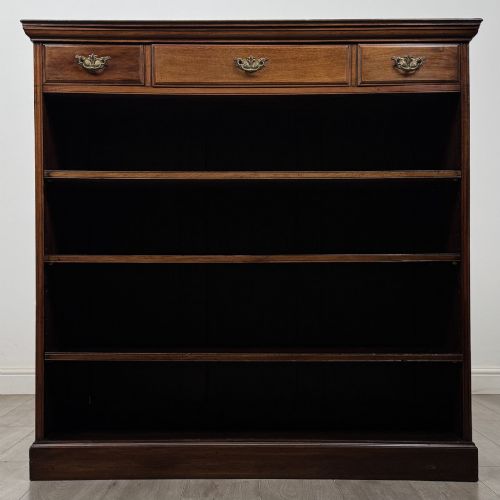
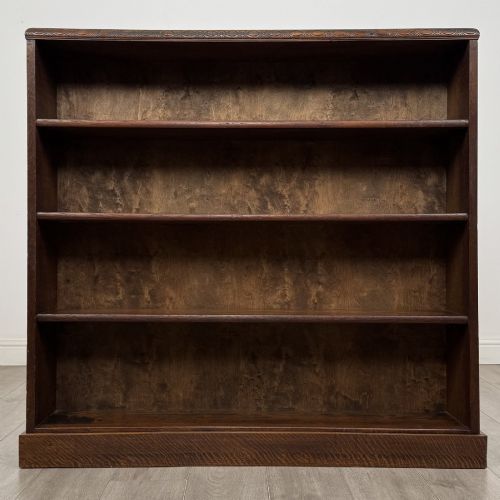
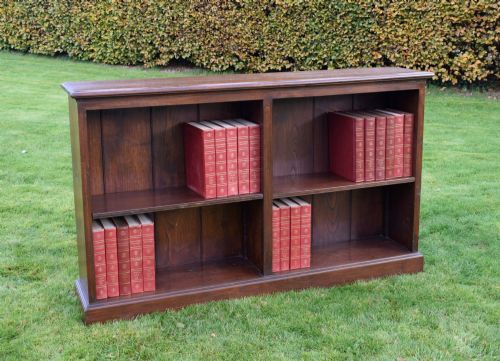
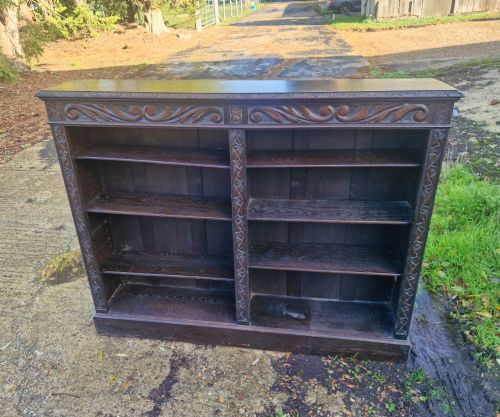
These antique wooden shelves encompass open bookcases, wall brackets, corner whatnots, and display units designed for domestic storage and display. When searching for antique wooden shelves, buyers frequently encounter open mahogany bookcases and oak shelving dating from the Victorian and Edwardian eras.
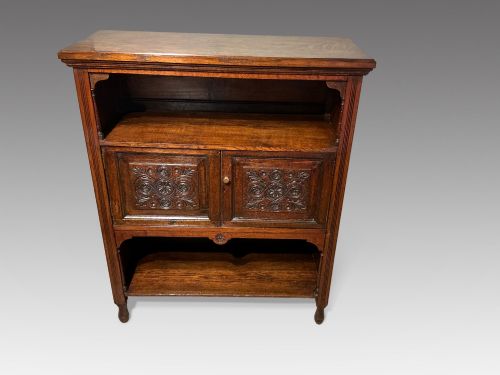
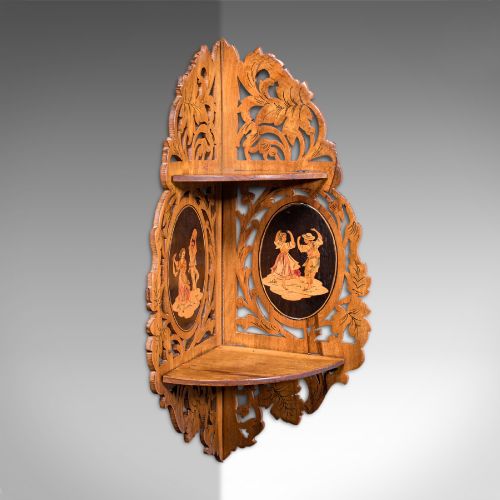
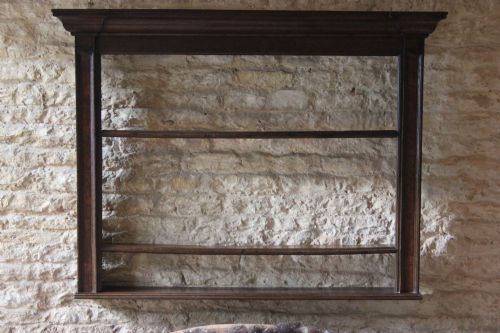
The selection ranges from compact wall-mounted brackets and carved display ledges to large library bookcases and farmhouse dresser bases. Pieces span multiple periods including Regency, Victorian, Edwardian, and early twentieth-century rustic styles.
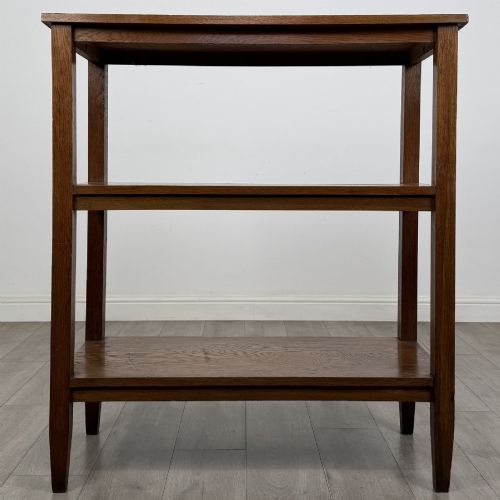
Makers utilised various functional forms, from multi-tiered open shelves to specialised corner units and waterfall bookcases. The primary function remains the display of books, ceramics, and decorative objects within traditional interiors.
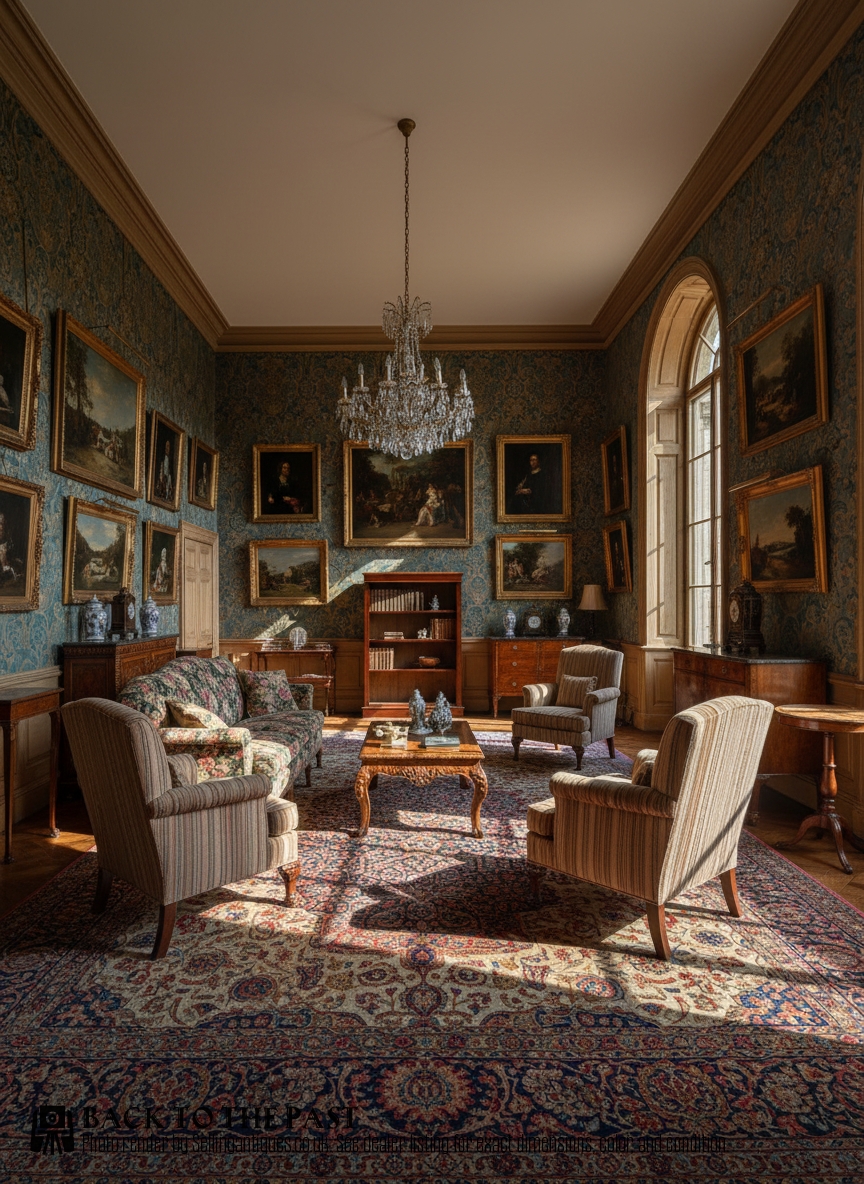
How they were made
Cabinet makers constructed these pieces primarily using solid timbers and veneers of mahogany, oak, walnut, and pine, frequently incorporating brass fittings and glass elements. Joinery techniques varied from traditional pegged joints in rustic farmhouse pieces to fine dovetailing in formal Edwardian and Victorian bookcases.
Surface finishes include polished mahogany, golden oak, burr walnut grain, and painted or lacquered treatments found on regional dressers and wall brackets. Structural adjustments like movable shelving utilised slotted wooden supports and brass pins within the cabinet interiors.
Antique Wooden Shelves Retail Price Guide 2026
Typical asking prices for wooden shelves among the pieces listed under this phrase on Sellingantiques today, from the lower quarter to the upper quarter. They describe what is for sale here now, not the wider market.
Cherubs carved onto wooden wall brackets watch over the room with expressions of eternal mild astonishment.
What varies in quality
The grade of timber and the precision of the cabinet work determine the tier of the piece, with figured burr walnut and dense mahogany representing finer construction than utilitarian pine. Refinement shows in the crispness of carved details, such as barley twist supports, applied ormolu mounts, and inlaid stringing.
Structural integrity depends upon original backboards, stable joints, and functioning adjustable shelf mechanisms rather than later replacements. The balance of proportions and the preservation of original surface patination distinguish superior workshop production from standard domestic utility items.
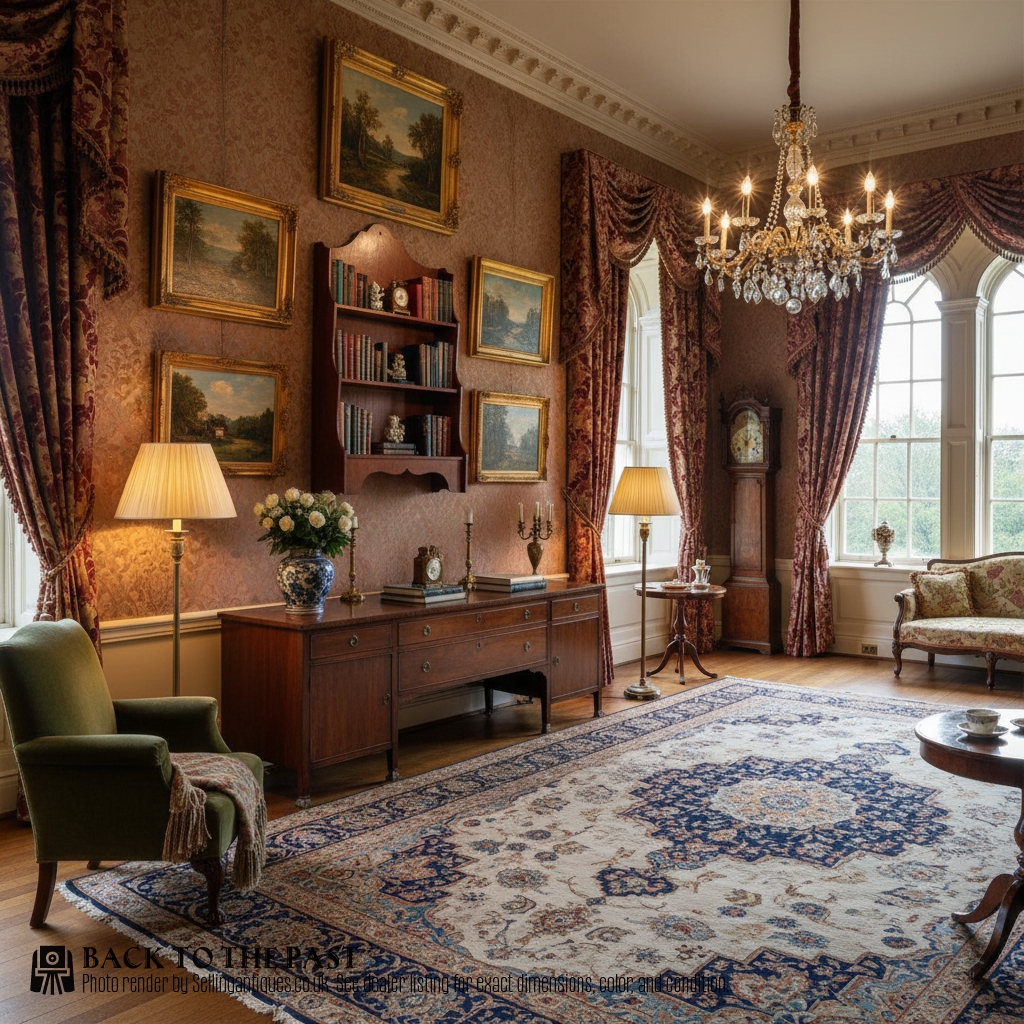
Trevor Page and Co·Johnstone and Jeanes
The Antique Wooden Shelves Glossary
- Bookcase
- A piece of furniture consisting of horizontal shelves for holding books, frequently open-fronted in Victorian and Edwardian examples.
- Whatnot
- A multi-tiered piece of furniture with open shelves used for displaying ornaments and small objects, often featuring corner or freestanding designs.
- Wall bracket
- A projecting support fixed to a wall to hold an ornament, clock, or shelf, sometimes carved in wood or decorated with lacquer.
- Burr walnut
- A prized timber veneer obtained from the burl growths of walnut trees, displaying highly figured, swirling grain patterns on fine furniture.
- Barley twist
- A type of turned wooden furniture leg or support resembling the spiral shape of a twisted barley stalk, common in Victorian oak pieces.
Antique Wooden Shelves: Frequently Asked Questions
How do I clean antique wooden shelves?
Dust surfaces regularly with a soft, dry cloth to prevent particulate buildup on the timber finish. Avoid modern aerosol polishes, applying traditional beeswax sparingly to nourish the wood grain.
Keep shelves away from direct heat sources and strong sunlight to prevent the timber from drying out or splitting. Gentle care preserves the original patination developed over decades of domestic use.
Are these shelves strong enough for heavy books?
Many larger oak and mahogany library bookcases feature solid timber construction and thick shelving designed to bear substantial weight. Adjustable shelving systems allow you to alter vertical clearances for folio volumes.
Wall-mounted brackets and lighter display ledges suit decorative items rather than heavy loads. Check the wall fixings and shelf thickness before loading wall-hanging units.
How do I identify the wood type?
Examine the grain pattern, colouration, and weight of the timber across visible surfaces and interior carcases. Mahogany displays a reddish-brown tone with fine pores, whereas oak exhibits pronounced medullary rays and an open texture.
Walnut offers a darker brown hue with darker grain figure, while burr walnut shows swirling concentric patterns. Pine appears lighter and softer, often found on painted or utilitarian country pieces.
Can I adjust the shelf heights?
Certain Victorian and Edwardian bookcases incorporate adjustable shelf mechanisms utilising wooden ratchets or slotted interior pilasters. This design allows you to reposition shelves to accommodate books of varying heights.
Fixed shelving is typical in earlier rustic pieces, smaller wall brackets, and stationary cupboards. Inspect the interior walls of open bookcases to determine if adjustable supports are present.