

Antique Wooden Rocker
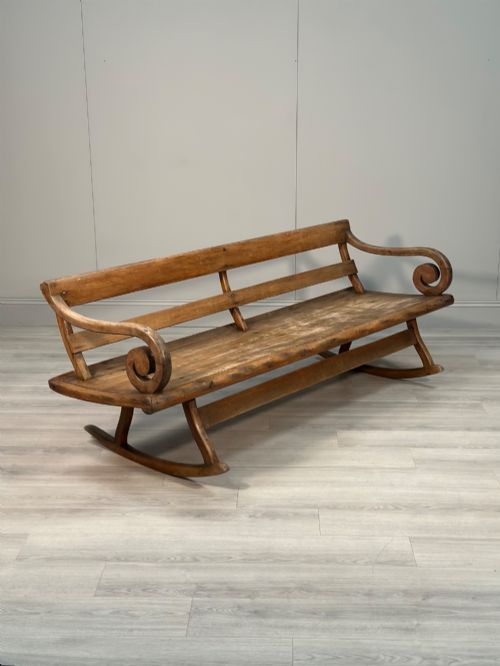
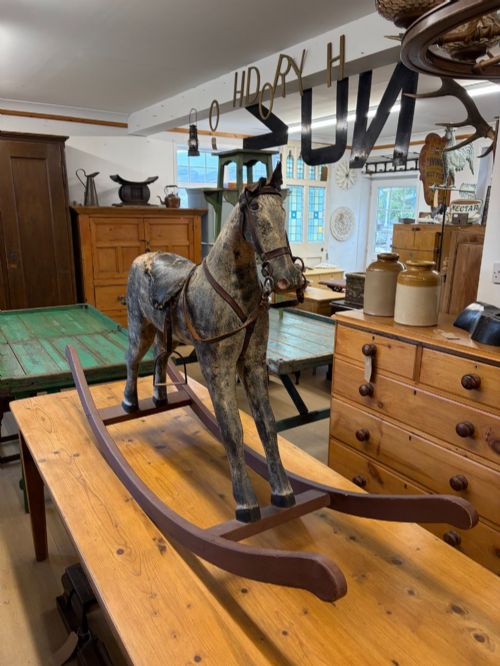
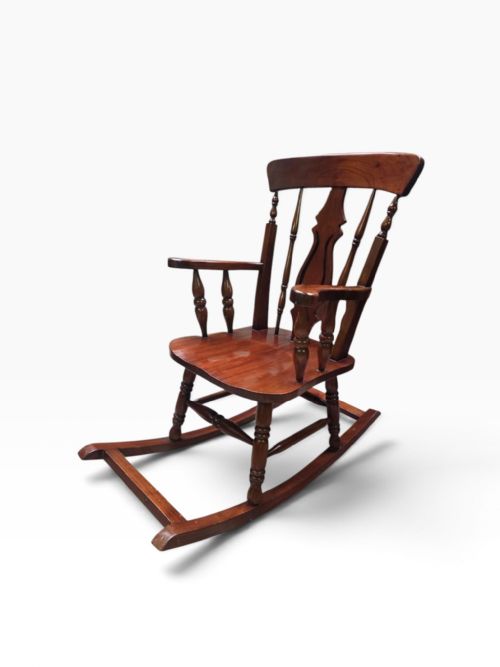
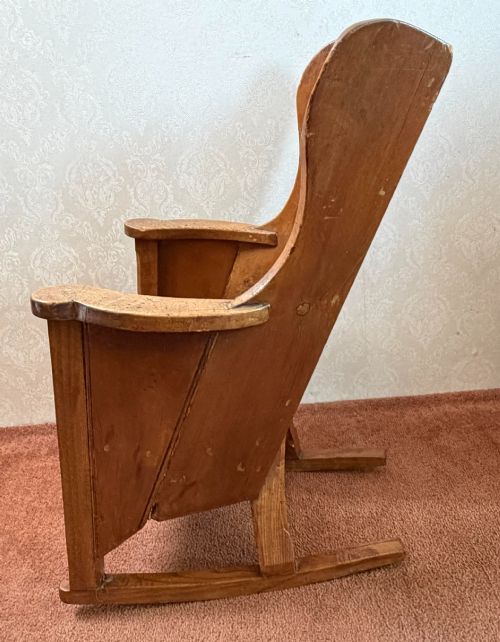
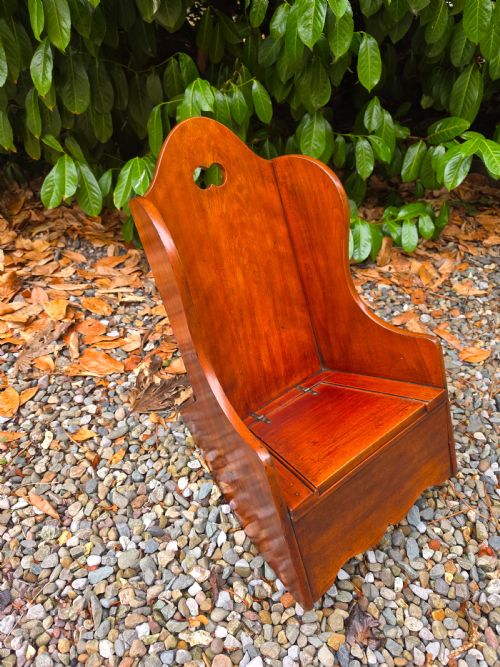
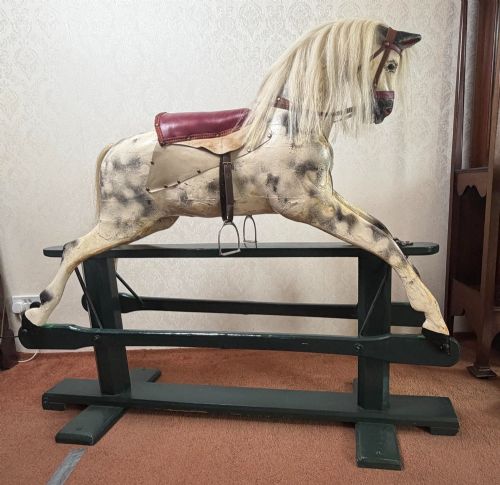
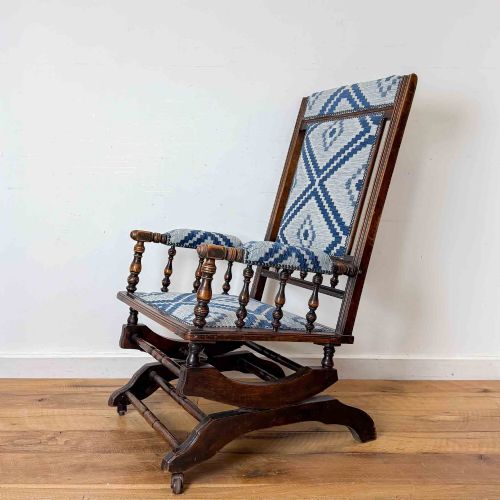
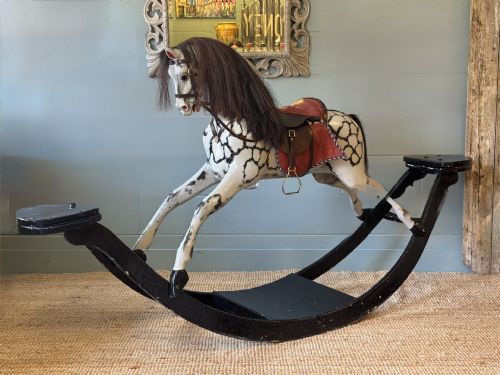
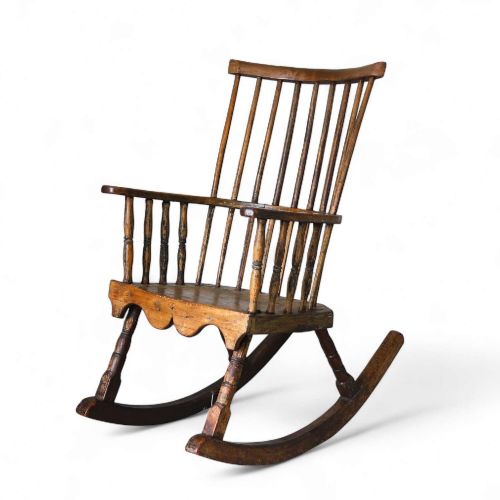
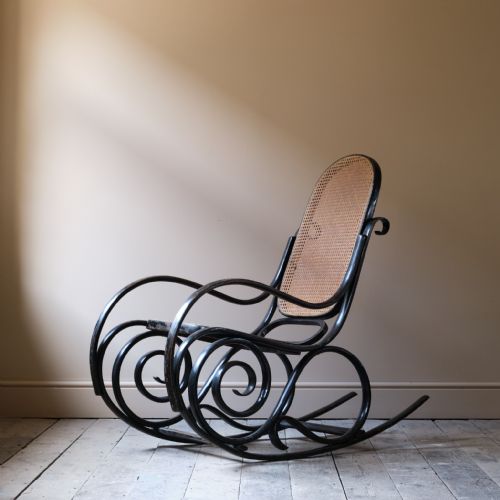
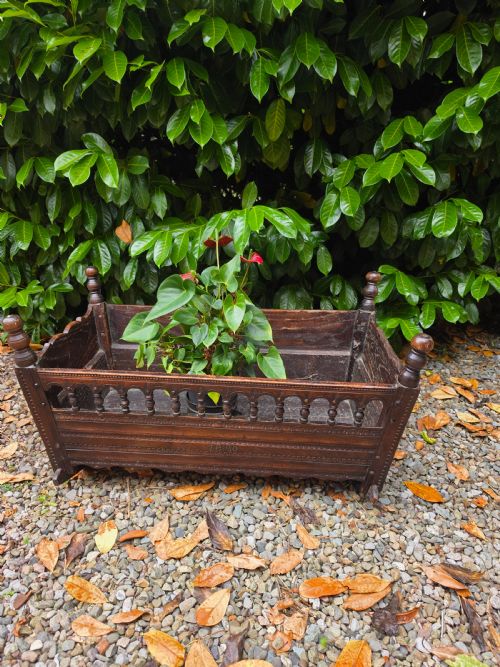
An antique wooden rocker brings gentle movement to a room, taking form as a Windsor chair, a child's cradle, or a carved nursery horse.
Antique Wooden Rocker
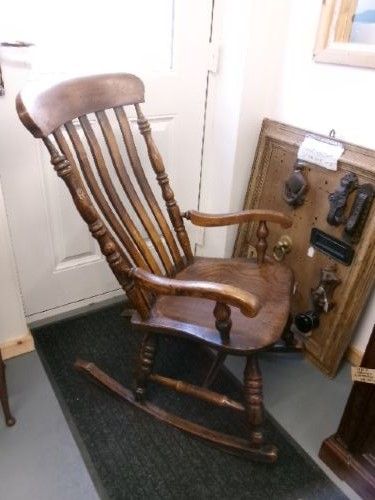
An antique wooden rocker encompasses seating and nursery furniture designed on curved bases for motion, drawing on 17th-century oak origins through to 20th-century American and European interpretations. The most frequent examples on this page are Victorian Windsor chairs, vernacular country seating in elm or beech, and children's pieces including cradles and rocking horses.
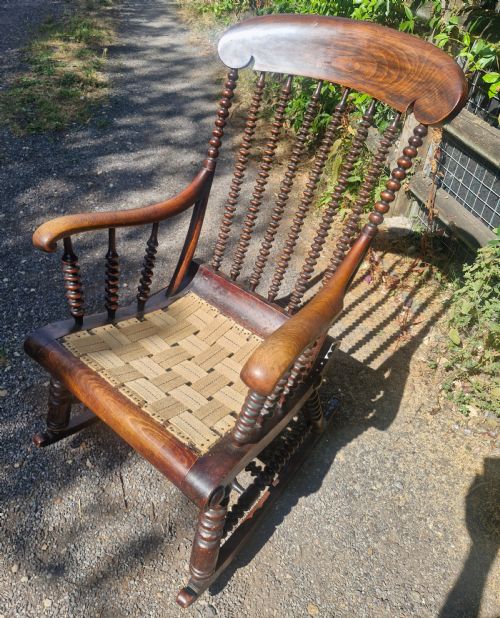
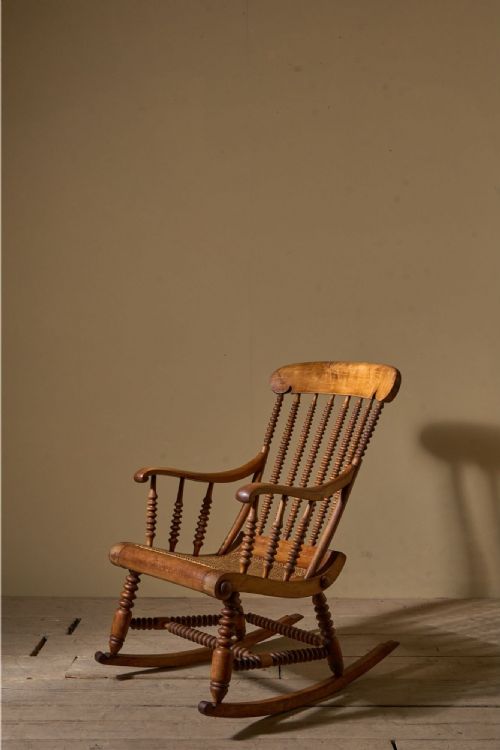
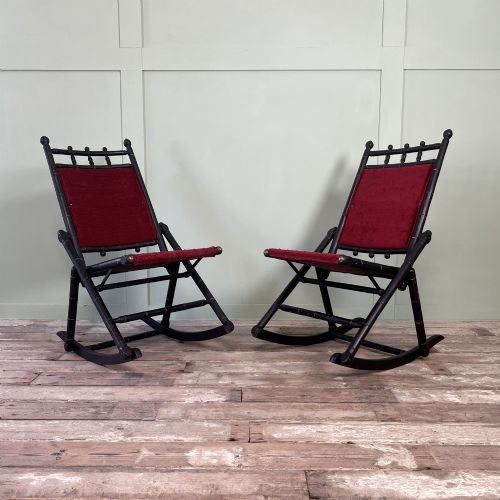
Makers ranged from country wheelwrights working in local woods to notable firms such as Jacob and Josef Kohn and G & J Lines. Forms vary from simple bobbin-turned frames and rush or leather seats to elaborate Aesthetic Movement faux bamboo and Vienna Secession bentwood.
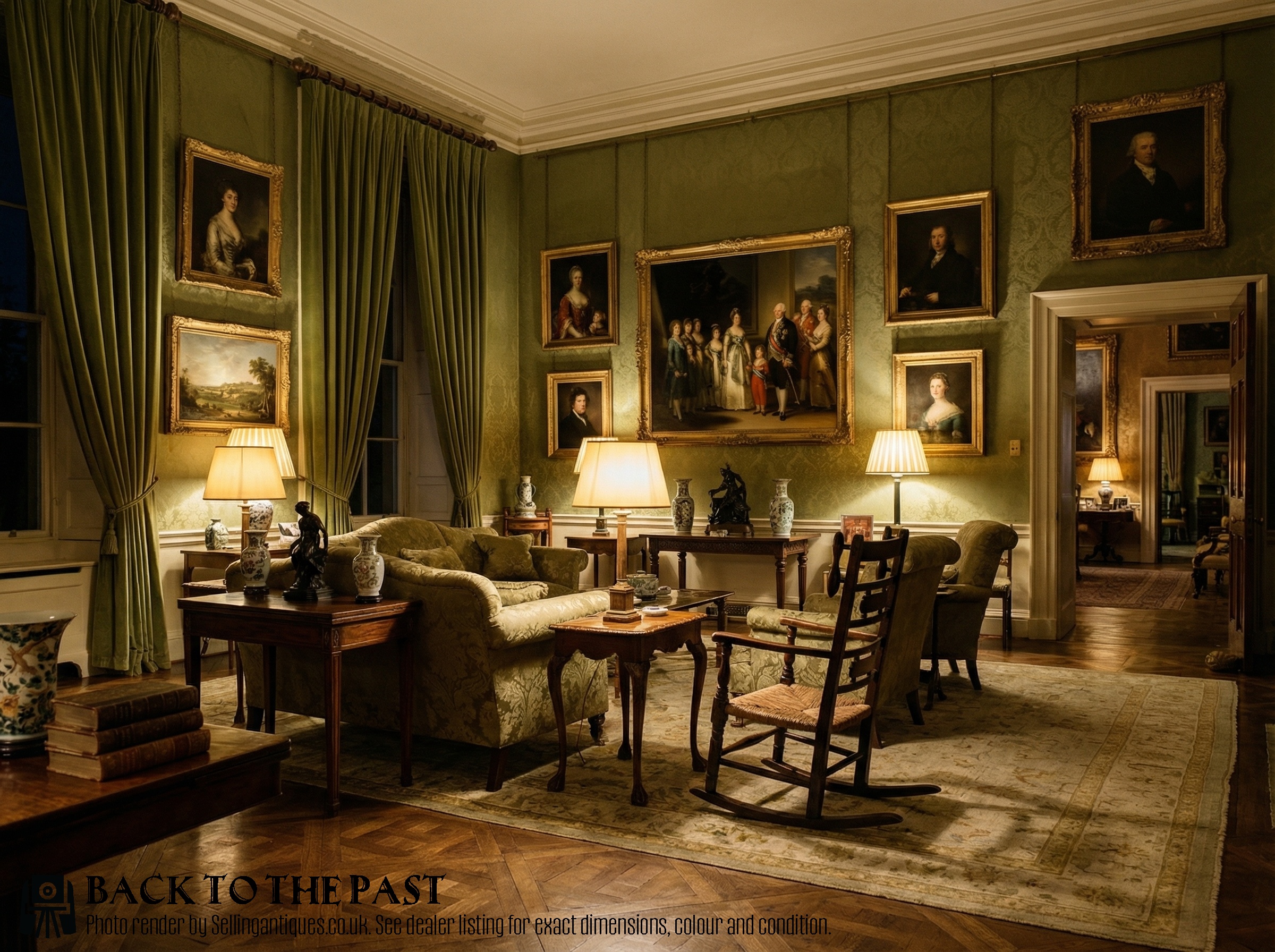
Materials and Construction
Construction relies on traditional hardwoods and softwoods including oak, mahogany, walnut, ash, elm, beech, and fruitwood, often joined by pegging or spindle-turning. Country workshops utilised local timber such as sycamore and pine, sometimes applying original paint finishes or leather upholstery.
Moulded bentwood and carved details appear in later pieces, while rocking horses and cradles feature robust wooden rockers pegged directly to the main body or mounted on safety frames.
Antique Wooden Rocker Retail Price Guide 2026
Typical asking prices for wooden rocker among the pieces listed under this phrase on Sellingantiques today, from the lower quarter to the upper quarter. They describe what is for sale here now, not the wider market.
Listings feature items built from oak, elm, mahogany, pine, and beech across periods spanning the 17th century to the 1930s.
Quality and Construction
Quality rests in the integrity of the timber selection and the retention of original surfaces, such as early paint or patinated fruitwood. Chairs built with thick elm seats and tight spindle joints display superior structural honesty compared to later assembled variants.
Proportion and regional vernacular character dictate the desirability of a piece. A well-balanced comb-back or an unaltered primitive rocking horse holds greater presence than a heavily restored or later-decorated example.
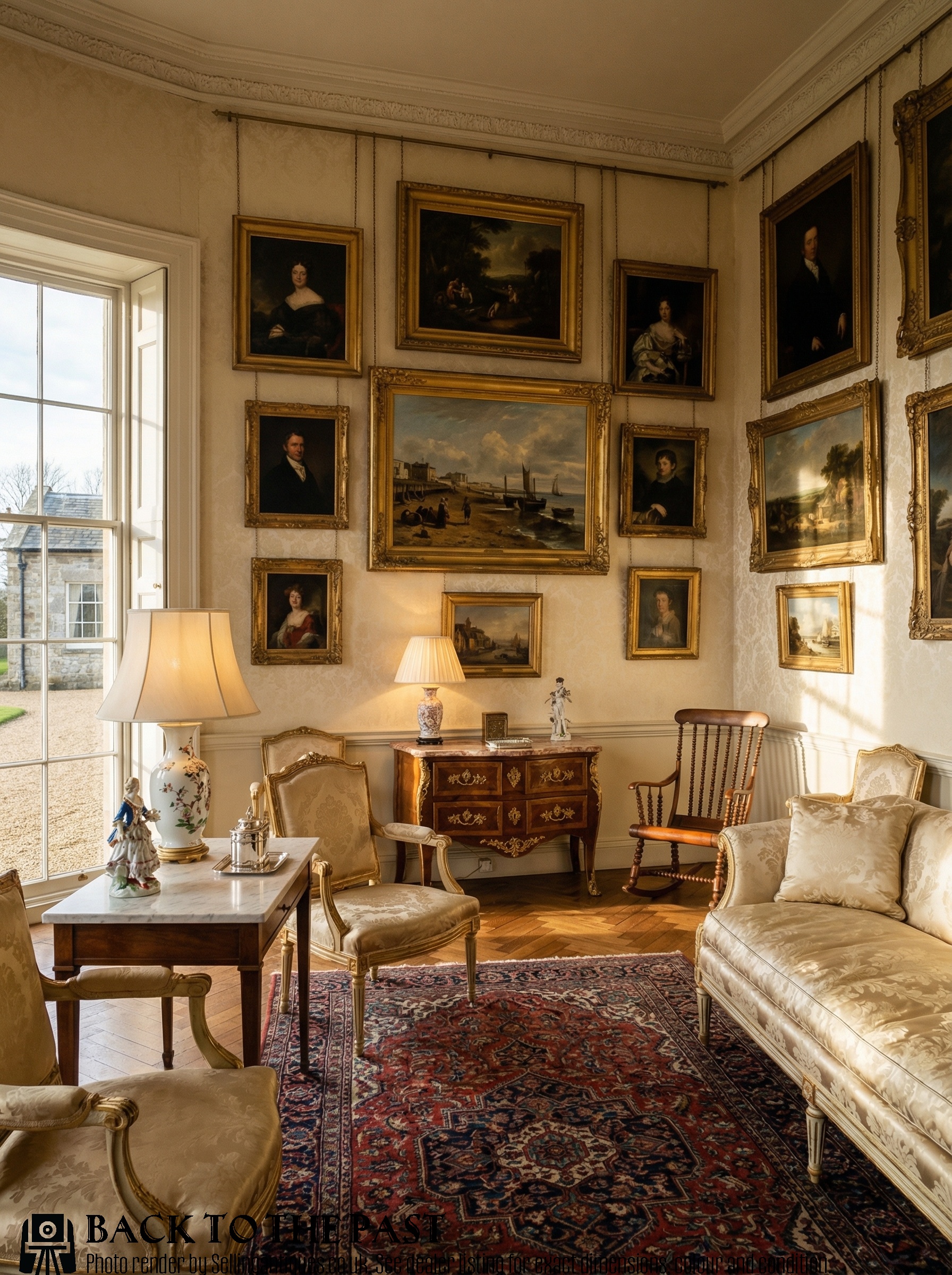
Jacob and Josef Kohn·G & J Lines of London
The Antique Wooden Rocker Glossary
- Windsor
- A chair built with a solid wooden seat into which the legs and back spindles are wedged directly. This form is common in 19th-century vernacular seating.
- Comb-back
- A Windsor chair variation where the top rail resembles the teeth of a comb, often featuring extended arm posts. It provides sturdy back support in country seating.
- Bobbin-turned
- Furniture decoration shaped on a lathe to resemble a string of beads or bobbins. This style appears frequently on mid-19th-century frames.
- Bentwood
- Wood steamed and bent into curved shapes, notably utilised by Viennese makers around 1900. It creates lightweight yet resilient frames.
- Vernacular
- Objects made by local craftspeople following regional traditions rather than high-style metropolitan patterns. These pieces utilise readily available local woods like elm and ash.
Antique Wooden Rocker: Frequently Asked Questions
How do I date an antique rocker?
Dating relies on construction methods, tool marks, and stylistic clues like bobbin turning or faux bamboo details. Regional Windsor forms often reveal their age through the wear patterns on the seat and the thickness of the arm stems.
Secondary woods used in the underframe can also help confirm the period when combined with known styles from the Victorian or Edwardian eras.
Are wooden rockers safe for daily use?
Most antique rockers function well for regular seating provided the joints remain stable and the rockers are evenly worn. Checking the wedge joints beneath the seat ensures the spindles will hold weight securely.
Delicate children's pieces or early cradles are generally better suited for display rather than active use due to their age and fragile construction.
What woods were used for these chairs?
Maker workshops utilised whatever timber grew locally, leading to regional variations in British and American seating. Elm and ash provided tough, flexible seats and spindles for country Windsors.
Mahogany and oak appeared more frequently in formal Victorian interiors, while fruitwood and beech served well for turned components and children's furniture.
How do I care for original paint?
Surviving original paint requires gentle dusting with a dry cloth and protection from direct sunlight and moisture. Avoid modern cleaning products or solvents that can lift historic pigment from the wood.
Keeping the piece in a stable environment prevents the timber from expanding or contracting, which helps preserve the adherence of early finishes.