

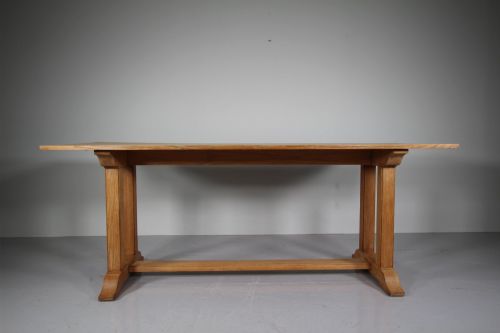
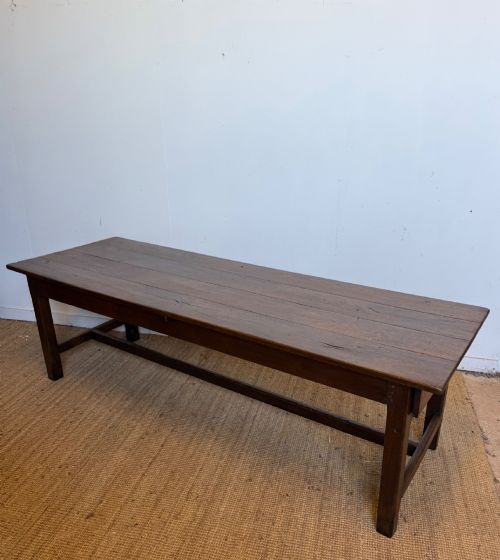
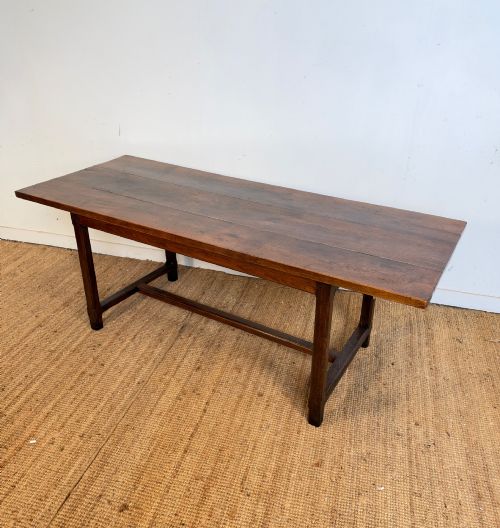
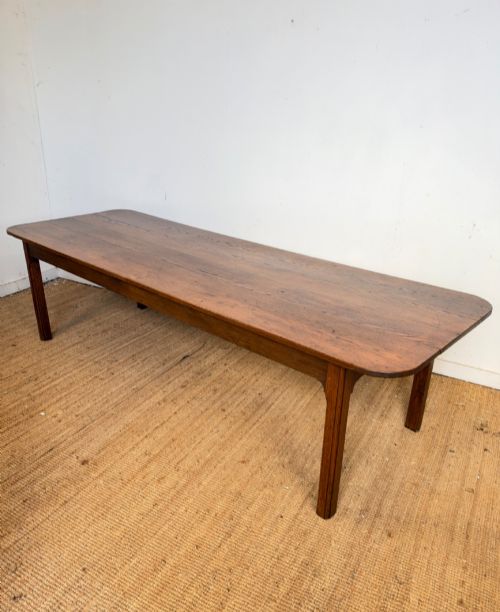
Antique Wooden Refectory Table
An antique wooden refectory table brings historic communal dining into a modern home through solid construction and lasting timber.

Antique Wooden Refectory Table
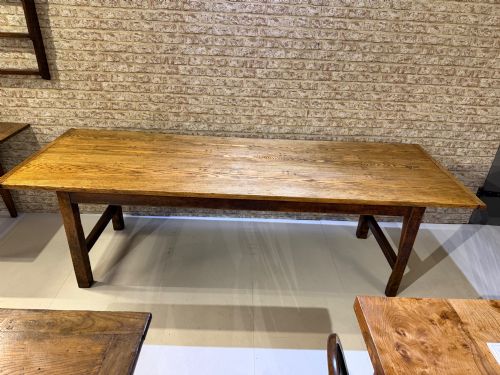
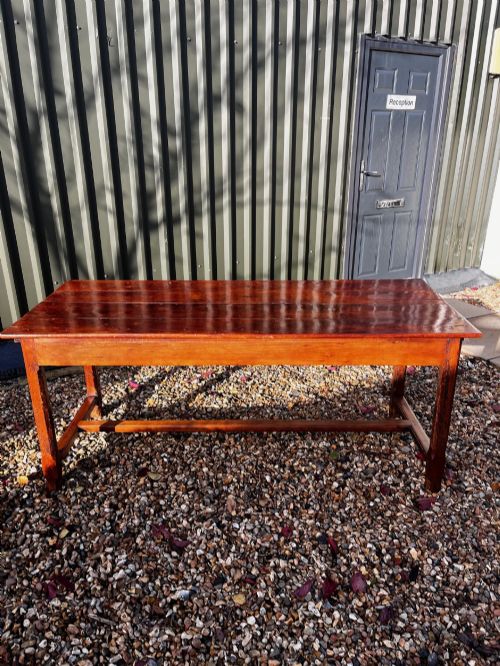
An antique wooden refectory table provides a long, narrow surface traditionally designed for communal dining in large halls. When you search this phrase, you encounter heavy timber examples spanning multiple centuries, from early period oak pieces to later revival formats.
The selections on this page appear in various regional styles such as French Provincial, Jacobean Revival, and rustic farmhouse. Oak dominates the offerings, alongside alternative woods like pine, fruitwood, walnut, and elm.
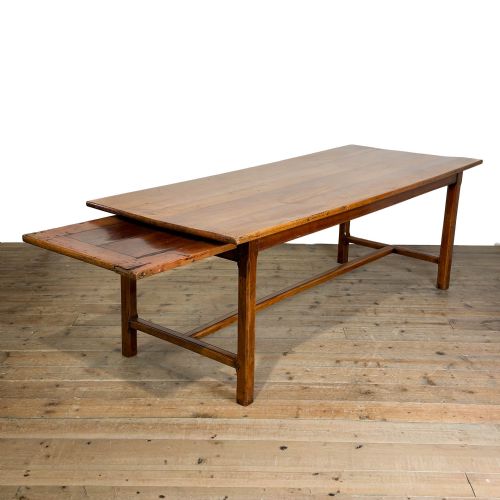
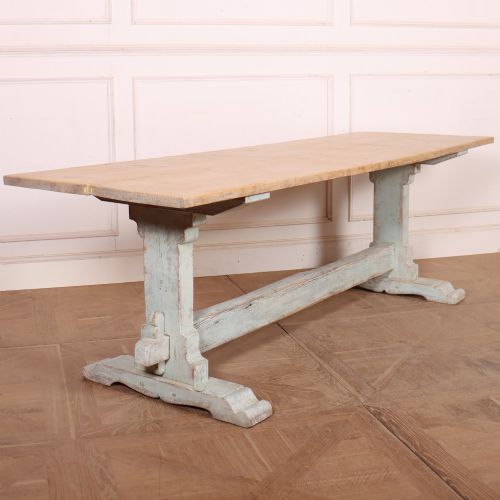
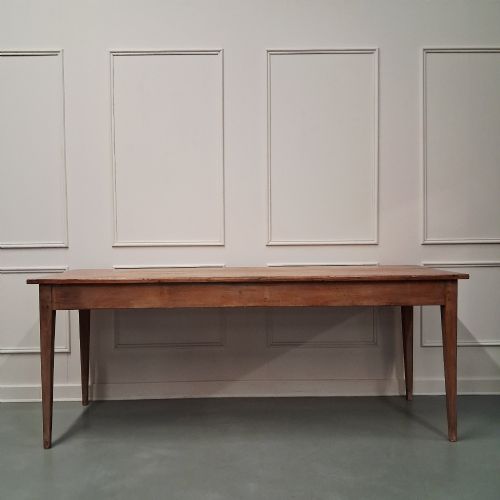
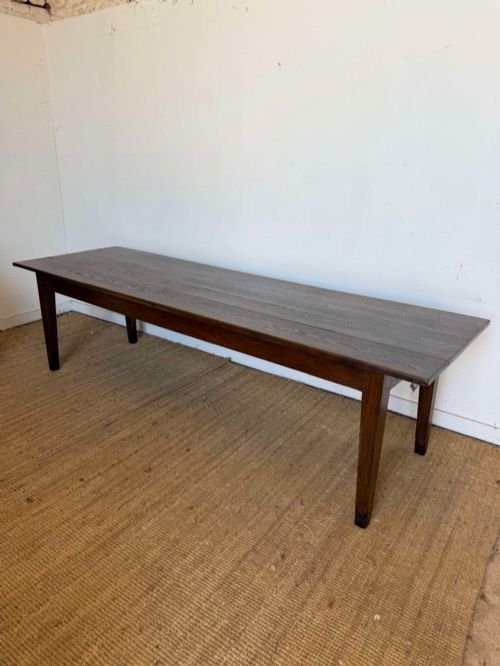
Buyers frequently find extension mechanisms like draw leaves, alongside fixed top formats with trestle or tapered legs. These dining tables, serving tables, and matching benches serve modern kitchens and dining rooms with robust practicality.
Materials and construction
Joinery relies on solid timber planks joined to sturdy underframes, utilising native hardwoods like oak and walnut alongside softer woods such as pine. Craftsmen selected these materials for strength and grain character, shaping tops and supports with hand tools.
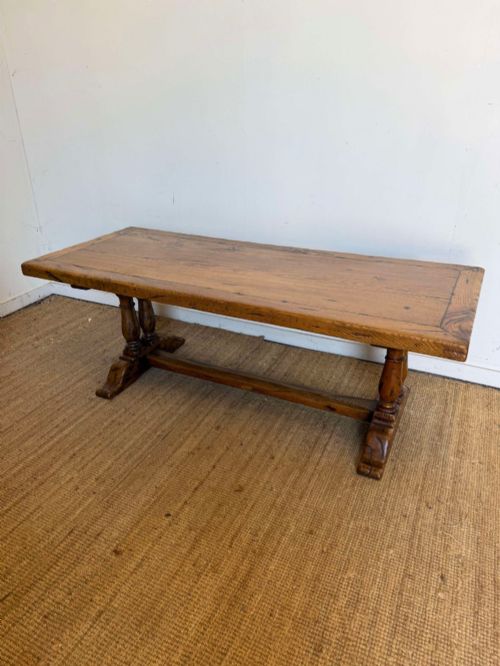
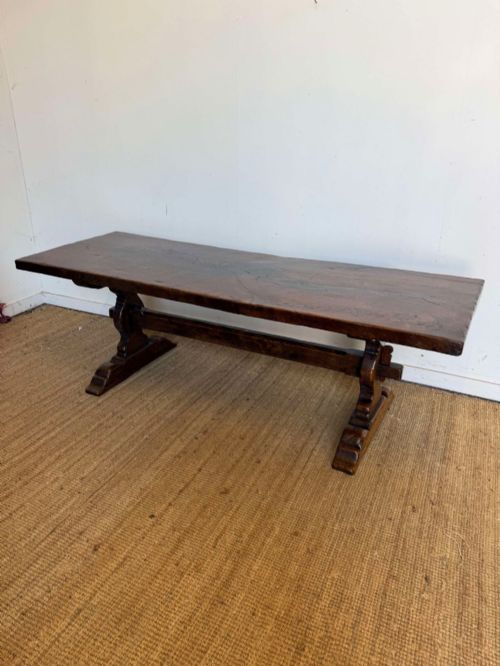
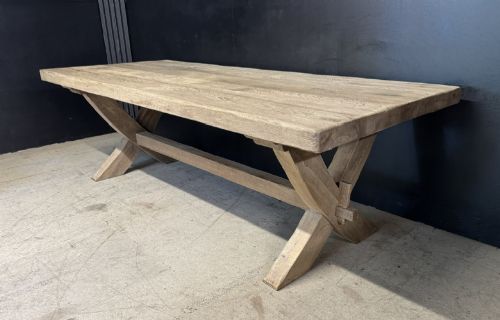
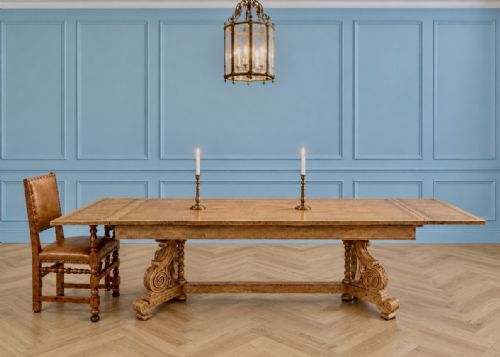
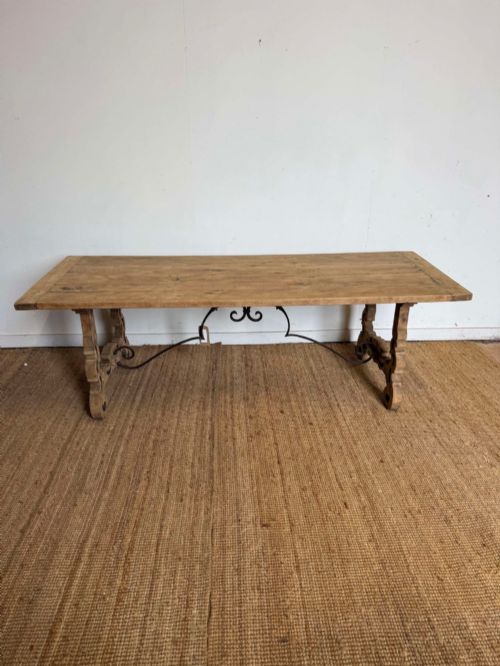
Structural support often takes the form of trestle ends, shaped legs, or bobbin turnings, sometimes reinforced with wrought iron elements. Many surfaces retain wax finishes that highlight the natural texture and ageing of the wood over decades of use.
Antique Wooden Refectory Table Retail Price Guide 2026
Typical asking prices for wooden refectory table among the pieces listed under this phrase on Sellingantiques today, from the lower quarter to the upper quarter. They describe what is for sale here now, not the wider market.
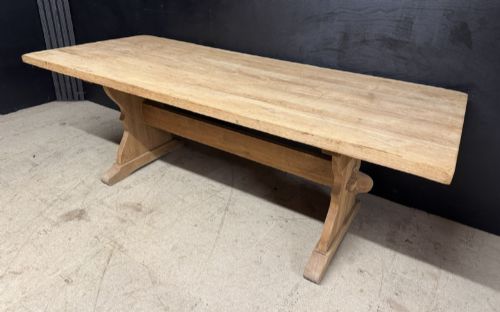
One exceptional dining set even arrives with matching oak benches featuring shaped trestle ends, ready for a crowded household.
Judging the examples
Quality depends upon the integrity of the timber selection and the precision of the original joinery. Tables featuring dense, quarter-sawn oak or well-figured fruitwood display superior structural stability compared to softer or more reactive woods.
Proportion and the handling of carved details or trestle supports distinguish standard utilitarian furniture from finer regional pieces. The balance between the top boards and the underframe dictates the overall visual weight and enduring utility of the table.
The Antique Wooden Refectory Table Glossary
- Draw leaf
- An extension mechanism where two hidden leaves slide out from beneath the main top to lengthen the surface. This design permits rapid adjustment of seating capacity.
- Trestle ends
- Support structures consisting of vertical posts attached to horizontal feet at each end of the table. They leave maximum legroom along the length of the surface.
- Bobbin legs
- Turned furniture legs shaped with a series of rounded, spherical swellings resembling bobbins of thread. This decorative turning style appears frequently in 19th-century pieces.
- Quarter-sawn
- A method of cutting logs radially across the growth rings to produce stable boards with distinctive grain figures. This cut minimises warping in heavy hardwood furniture.
Antique Wooden Refectory Table: Frequently Asked Questions
How do I seat guests comfortably?
Consider the length of the table and the placement of the legs or trestle ends. Tables with inset trestles or draw leaf mechanisms offer flexibility for accommodating additional chairs.
Measure the clearance between the floor and the underside of the apron to ensure dining chairs slide underneath without obstruction.
Can I use these tables daily?
These pieces were built for heavy domestic use from durable hardwoods like oak and elm. Routine dining and daily kitchen activities suit their robust construction.
Apply coasters and placemats to protect historic waxed or polished wooden surfaces from moisture and heat damage during meals.
How do I identify the period?
Examine the timber species, tool marks, and construction joints visible beneath the top. Earlier pieces from the seventeenth and eighteenth centuries often feature pegged mortise and tenon joints.
Revival pieces from the Victorian and Edwardian eras typically incorporate machine-sawn elements alongside period-inspired carvings and stretchers.
Are benches original to the tables?
Some listings include matching benches featuring identical trestle ends or timber types designed to complement the main table. These sets provide a cohesive arrangement for communal seating.
Benches often share the same patina and wear as the accompanying dining table, indicating coordinated use over long periods.