

Antique Wooden Press
These antique wooden press pieces range from linen presses and wardrobes to book presses, offering sturdy timber storage shaped by centuries of craftsmanship.
Antique Wooden Press
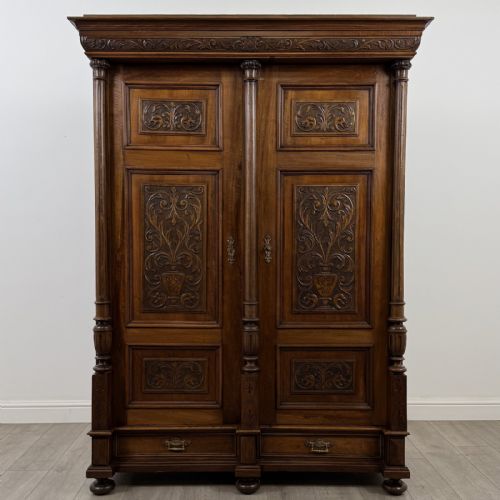
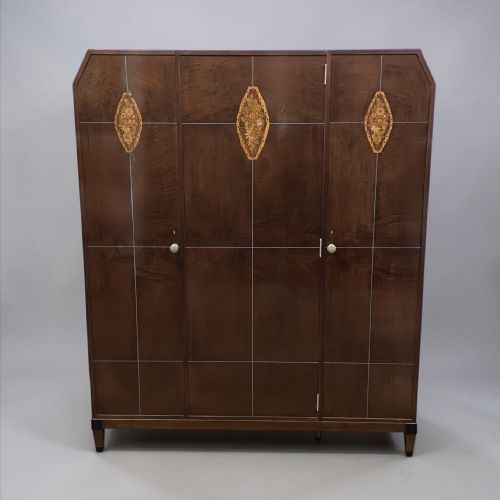
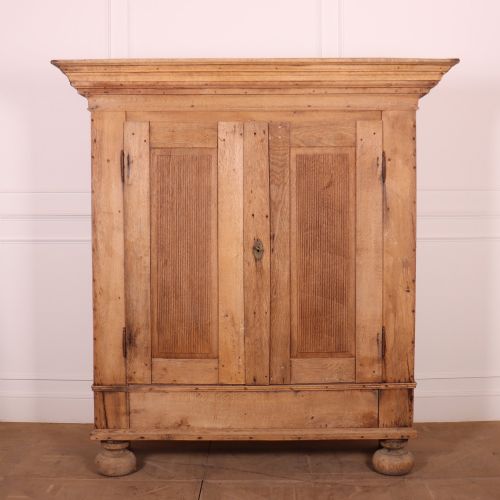
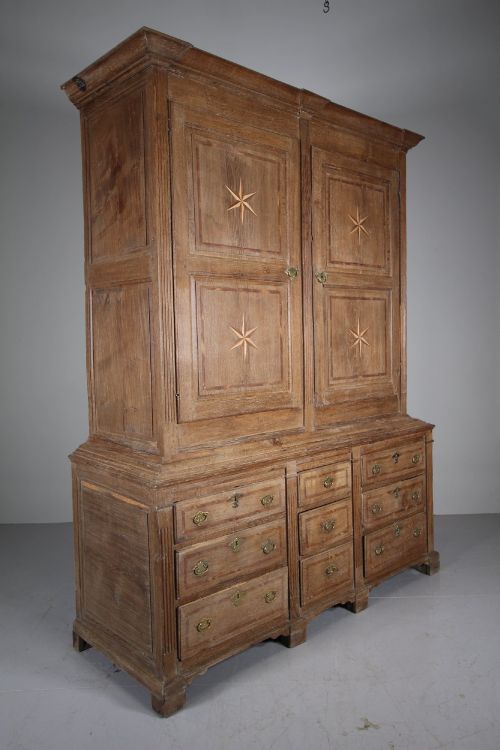
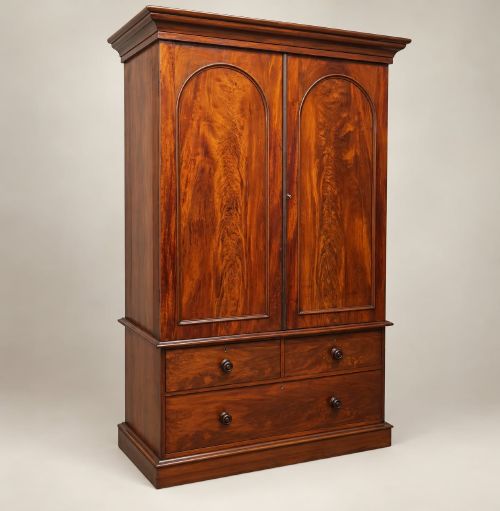
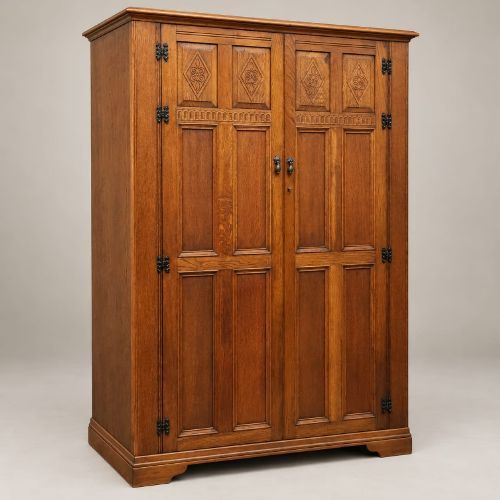
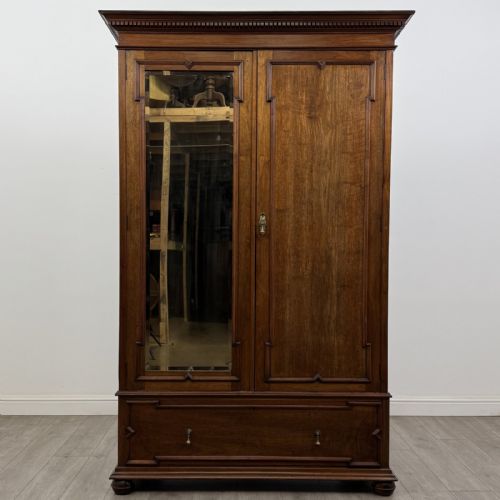
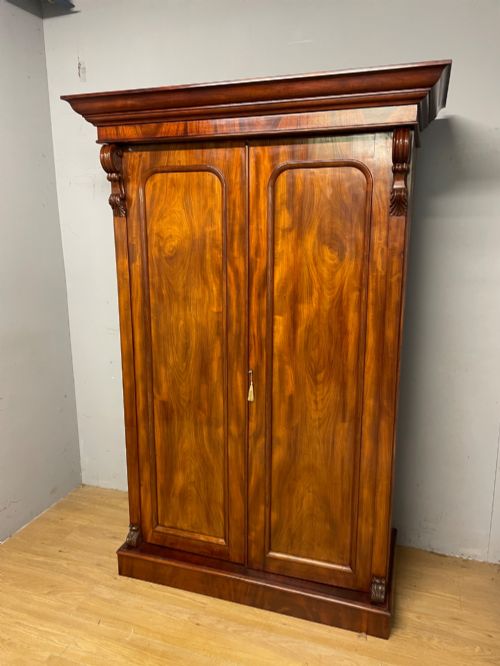
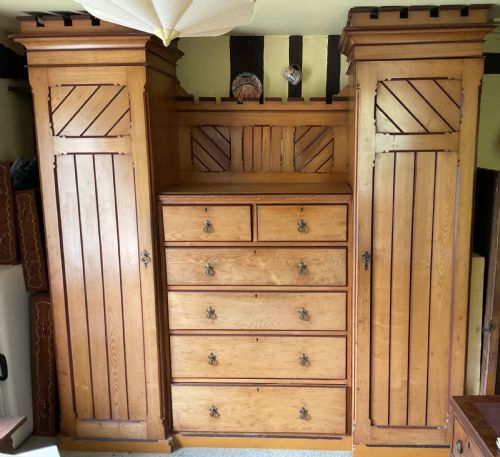
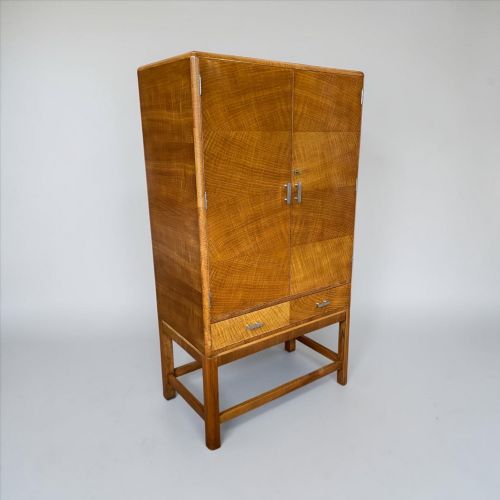
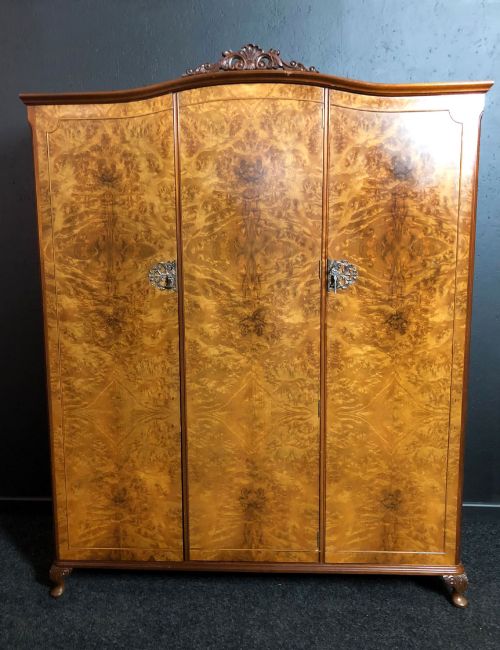
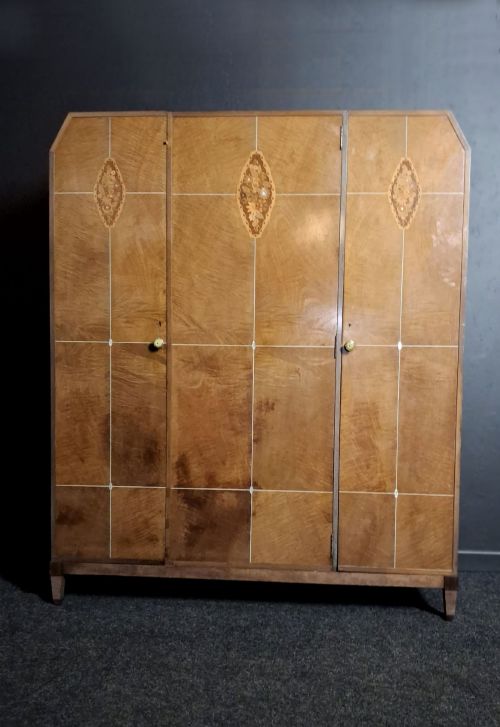
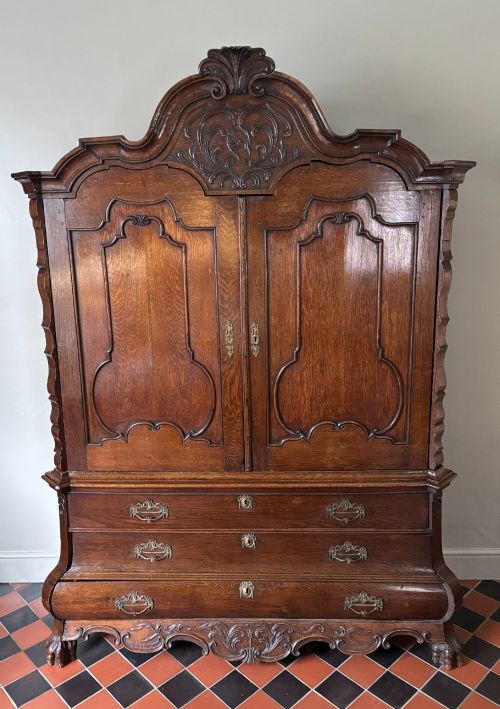
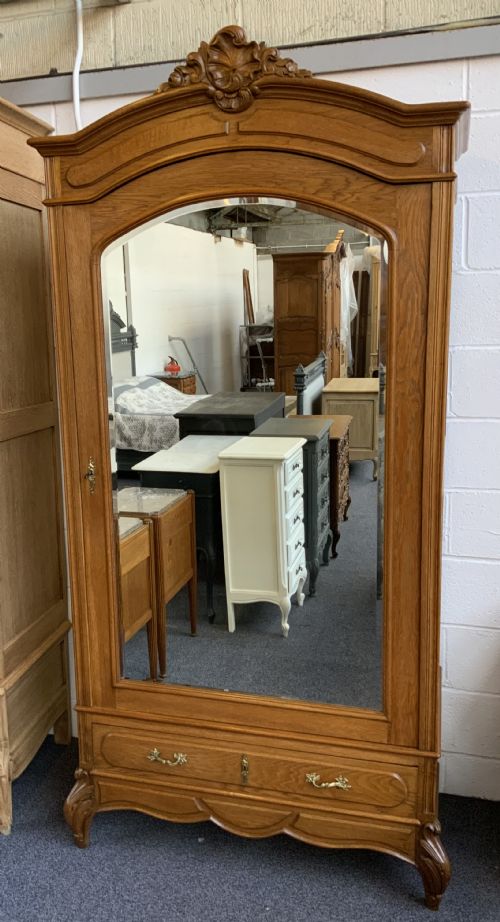
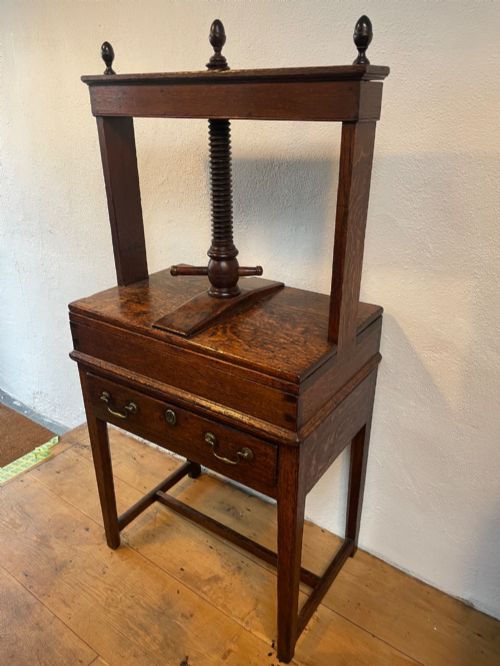
When you search for an antique wooden press, you encounter large storage furniture and utilitarian devices designed to hold textiles, garments or books. These items encompass linen presses, compactum wardrobes, gentleman's wardrobes, housekeeper's cupboards and book presses dating from the seventeenth century through to the twentieth century.
The pieces appearing on this page originate from British, French and Italian workshops, reflecting regional domestic needs. You are most likely to meet nineteenth-century pine wardrobes, Edwardian mahogany cabinets and Georgian linen presses among the current selection.
Domestic utility drove the creation of these items, leading makers to construct specialised compartments, sliding trays and hanging space. Each form served a distinct household function, whether storing household linens or pressing volumes flat.
How they were made
Cabinetmakers relied on solid hardwoods like mahogany, oak, walnut and ash, alongside softer timbers such as pine and elm. Panels were frequently framed and panelled to accommodate the natural movement of timber over decades of changing humidity.
Surface finishes involved traditional methods, including wax polish, French polish, painted scumble work and lacquering. Joinery details incorporated hand-cut dovetails for drawer construction and pegged mortise and tenon joints for structural stability.
Hardware such as brass hinges, escutcheons and handles completed the construction, securing heavy doors and providing functional grip on large storage sections.
Antique Wooden Press Retail Price Guide 2026
Typical asking prices for wooden press among the pieces listed under this phrase on Sellingantiques today, from the lower quarter to the upper quarter. They describe what is for sale here now, not the wider market.
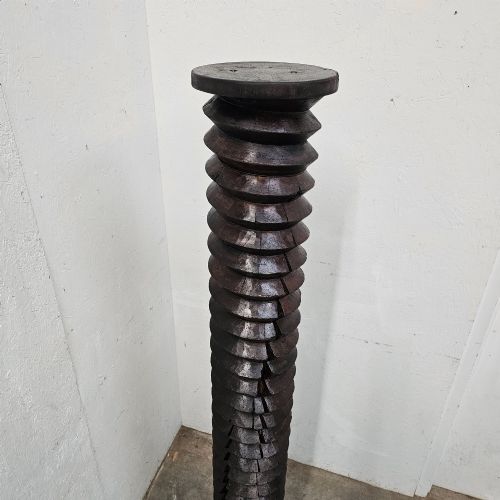
One listed garden roller from nineteen hundred shares space with massive seventeenth-century French armoires and delicate wedding cabinets.
What varies in quality
The grade of timber selected for a piece determines much of its visual weight, with finely figured burr walnut or dense mahogany standing apart from utility pine. Superior examples exhibit thoughtful grain matching across large panelled doors and drawer fronts.
Construction methods reveal the hand of the maker through the tightness of dovetail joints and the thickness of internal secondary timbers. Pieces retaining original surface finishes, hardware and scumble paintwork hold greater historical integrity than heavily altered or stripped equivalents.
maples & co·Edwards and Roberts
The Antique Wooden Press Glossary
- Compactum wardrobe
- A multi-compartment wardrobe combining hanging space, shelves and internal drawers within a single carcass. This form became popular during the Victorian and Edwardian periods for efficient bedroom storage.
- Linen press
- A tall cabinet featuring upper sliding trays or shelves enclosed by doors, positioned above a chest of base drawers. Historically used for pressing and storing household linens flat.
- Scumble paint
- A decorative surface technique involving translucent oil paint manipulated with combs or rags to simulate the grain of more expensive hardwoods like oak or walnut. It was frequently applied to pine furniture in the nineteenth century.
- Tallboy
- A tall chest of drawers standing upon a matching lower chest or table base, common in Georgian and Edwardian domestic interiors. This vertical format maximised storage while occupying minimal floor space.
- Court cupboard
- An early British form of enclosed storage featuring recessed upper levels supported by turned posts. These pieces date from the seventeenth century and reflect vernacular joinery traditions.
Antique Wooden Press: Frequently Asked Questions
What is a compactum wardrobe?
A compactum wardrobe is a large piece of bedroom furniture that combines hanging space with internal drawers and shelving. These multi-functional units were designed to organise an entire wardrobe within one enclosed cabinet.
They frequently appeared during the Victorian and Edwardian eras in mahogany, oak or walnut. Their internal configurations vary significantly between individual workshops.
How do linen presses differ from wardrobes?
Linen presses are specifically structured with sliding trays or shelves in the upper section for flat textile storage, sitting above a chest of drawers. Wardrobes are primarily designed for hanging garments on rails.
Many examples from the Georgian and Victorian periods blur these distinctions through later interior modifications. Examining the internal depth and door configuration clarifies the original domestic purpose.
What wood types were used?
Cabinetmakers utilised native hardwoods such as mahogany, oak, walnut, elm and ash for high-end furniture. Softer timbers like pine found widespread use in provincial cupboards and large wardrobes.
Surfaces were often enhanced with decorative veneers, including burr walnut and satinwood. Regional preference and the intended domestic station of the piece dictated the choice of timber.