


19th Century Press
A 19th century press serves as a substantial storage cabinet for linen, clothing, and household provisions, offering traditional architectural presence.
19th Century Press
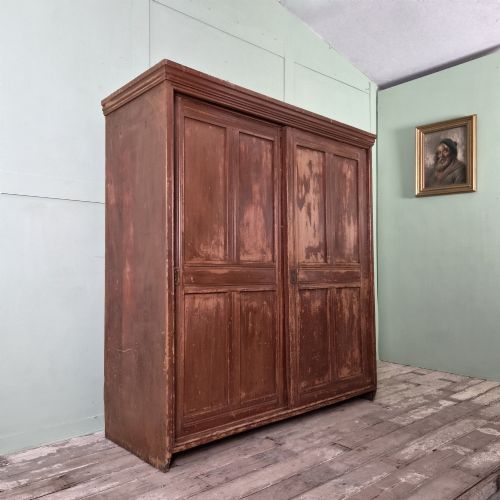
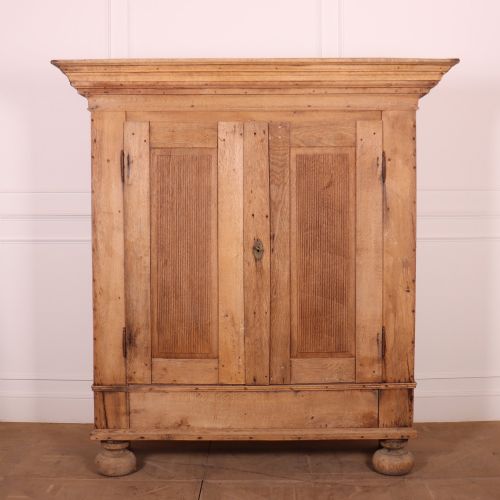
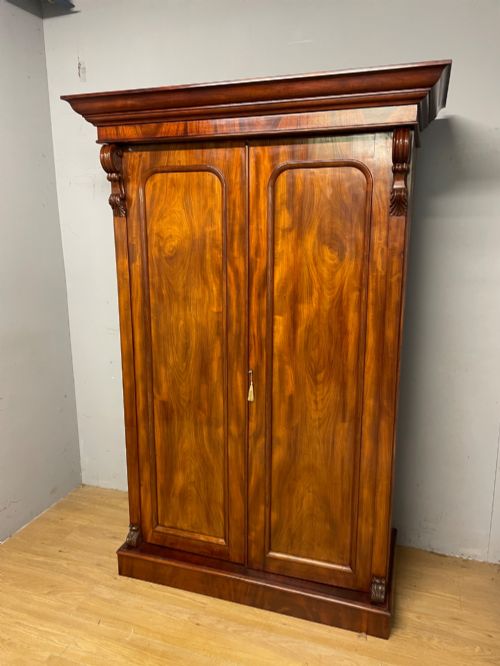
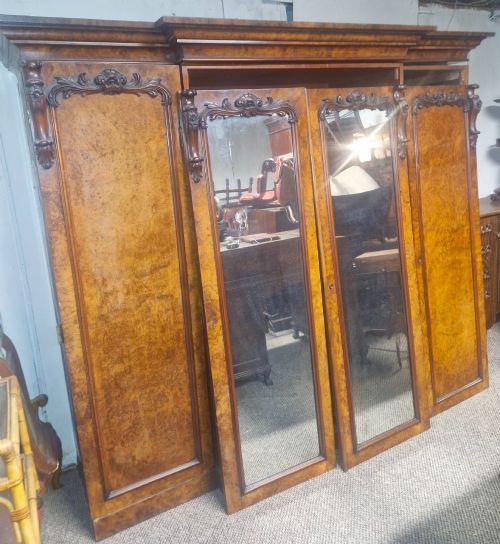
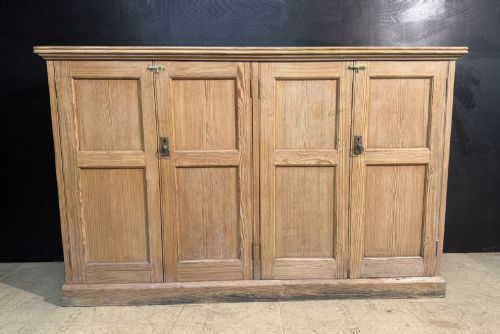
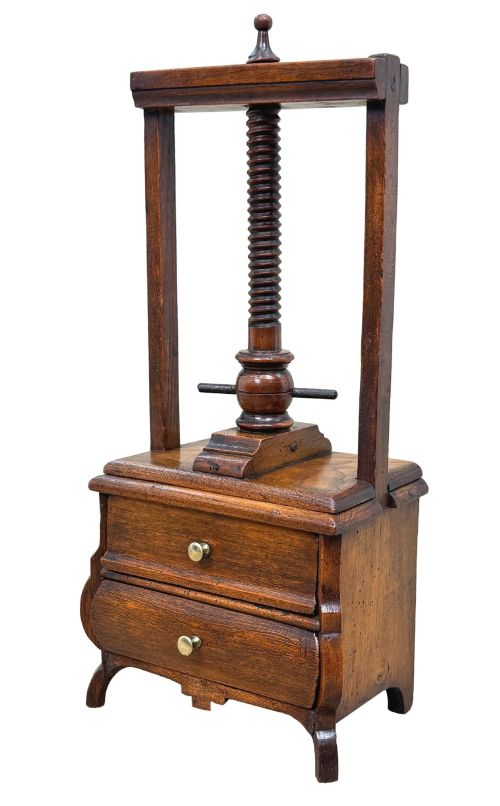
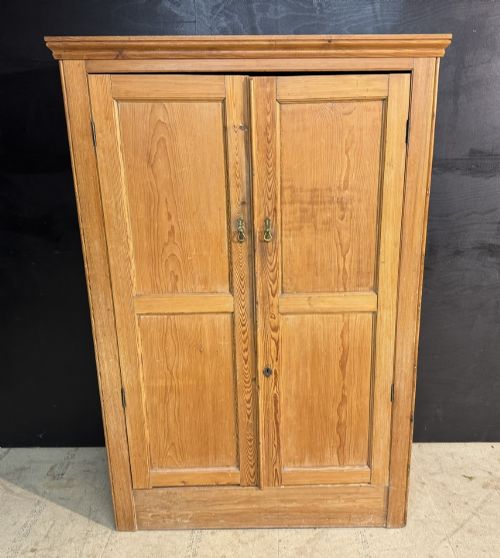
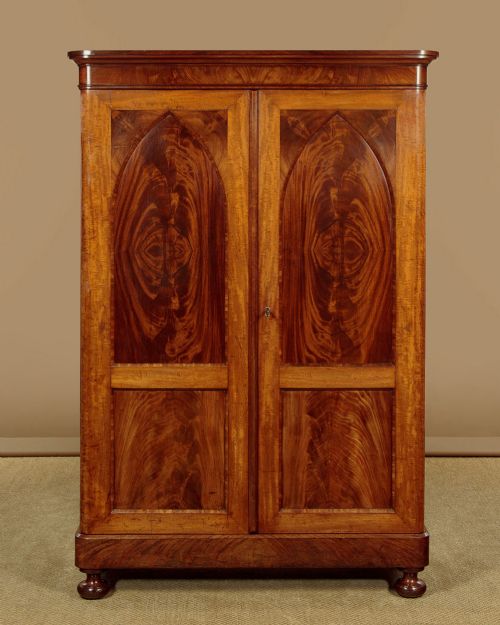
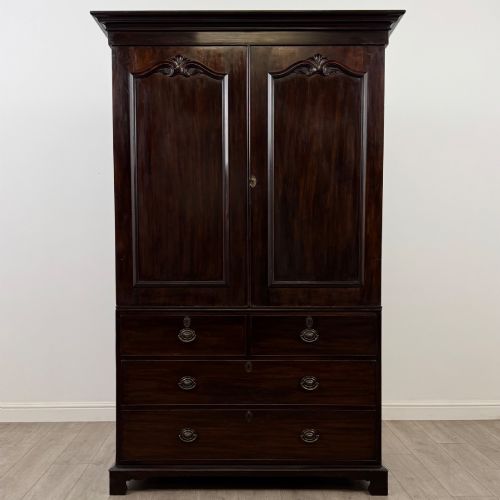
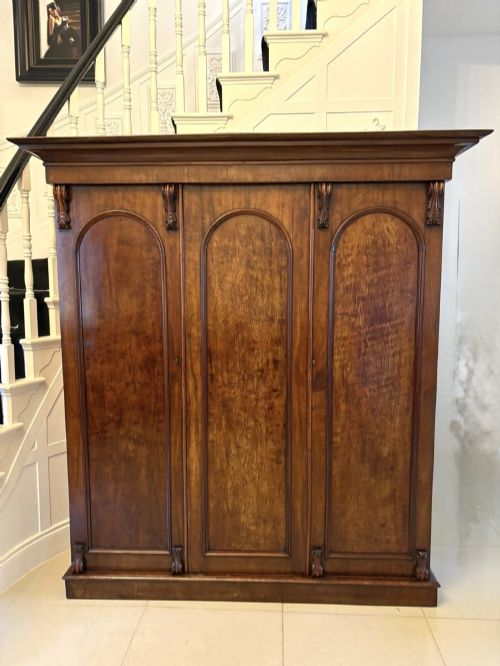
When searching for a 19th century press, buyers encounter large case furniture designed to store textiles, garments, and household provisions. These pieces originate from diverse regional traditions, spanning English mahogany wardrobes, Welsh vernacular cupboards, and French provincial storage cabinets.
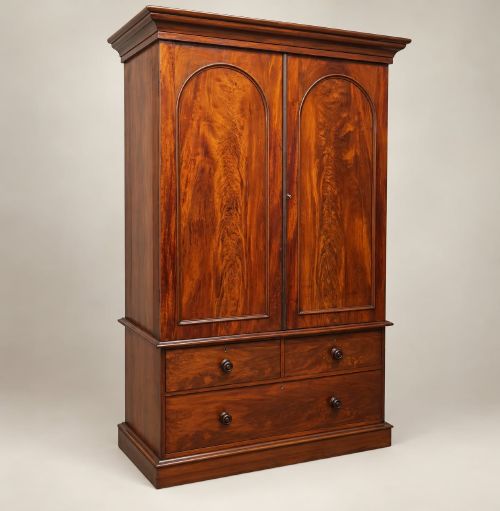
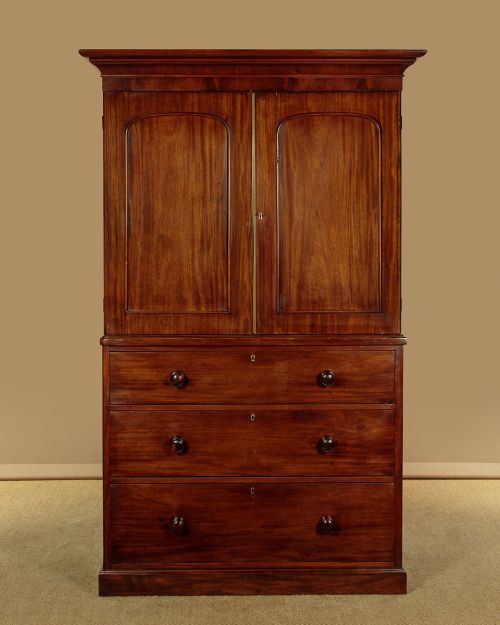
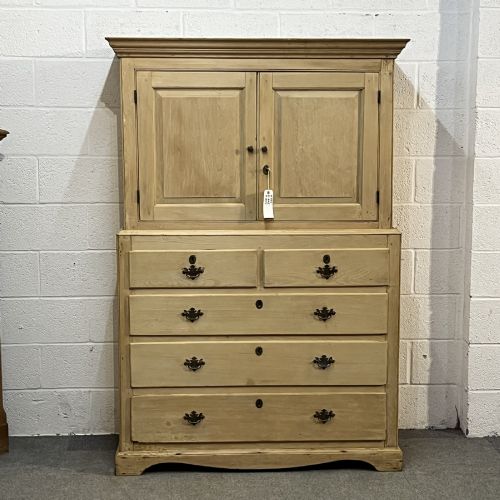
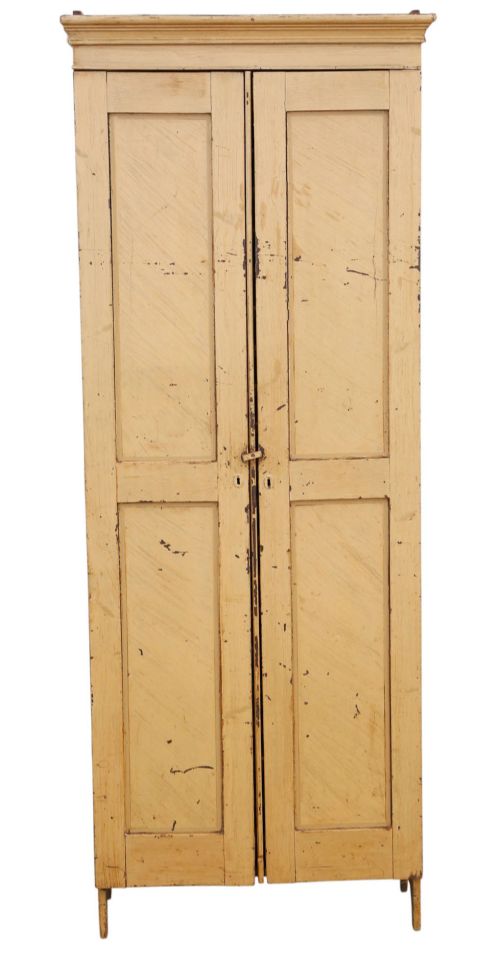
The category encompasses linen presses featuring upper sliding trays above drawers, compactum wardrobes combining hanging space with shelving, and kitchen housekeeper cupboards. Pine, oak, and mahogany form the primary structural timbers, appearing in both polished wood finishes and original painted surfaces.
Regional workshops and country makers produced vernacular variations alongside formal London cabinet makers. Buyers find pieces influenced by Georgian, Regency, William IV, and Victorian styles, reflecting domestic storage needs across the entire nineteenth century.
What varies in quality
The grade of timber and the complexity of architectural detailing separate utilitarian country furniture from pieces made by prominent cabinet makers. Figured flame mahogany veneers, blind fretwork cornices, and crossbanded drawer fronts indicate a higher tier of workshop production.
Structural integrity depends on the retention of original timber backs, internal linen slides, and matching brass hardware. Pieces retaining untouched original paint surfaces or scumble decoration command greater interest among collectors than stripped or later painted equivalents.
19th Century Press Retail Price Guide 2026
Typical asking prices for 19th century press among the pieces listed under this phrase on Sellingantiques today, from the lower quarter to the upper quarter. They describe what is for sale here now, not the wider market.
Scumble-painted finishes let nineteenth-century rural households enjoy the look of figured oak on budget-friendly pine furniture.
Maple and Co·S and H Jewell·Gillows of Lancaster
The 19th Century Press Glossary
- Linen Press
- A large storage cabinet comprising an upper section with internal sliding trays for textiles, mounted above a chest of drawers.
- Compactum
- A fitted wardrobe design that divides the interior space between hanging sections, linen shelves, and drawers.
- Scumble
- A decorative paint technique involving translucent glazes dragged over a base coat to imitate the grain of more costly timber.
- Cornice
- The moulded projection that crowns the top of a cabinet or wardrobe, defining the architectural style of the piece.
- Blind Fretwork
- Carved ornamentation applied to a solid flat surface to create an openwork pattern without piercing the wood right through.
19th Century Press: Frequently Asked Questions
What is a 19th century press used for?
These large cabinets provided essential storage for household linen, folded garments, and provisions before built-in closets became standard in domestic architecture.
Today, buyers utilise them in bedrooms and kitchens for contemporary wardrobe space and general homeware storage.
Are painted finishes original on these cupboards?
Many regional pine and deal cupboards received protective coats of paint, scumble glaze, or coloured finishes during the nineteenth century to simulate expensive hardwoods.
Surviving examples often retain these historical surface layers, showing wear patterns that distinguish them from modern decorative treatments.
Where were these pieces made?
Cabinet makers and regional joiners produced these items across English, Welsh, Scottish, French, and Dutch workshops during the eighteen hundreds.
Urban firms utilised imported mahogany and rosewood, while rural joiners relied heavily on local ash, oak, and pine.