
Antique Wooden Office Desk
An antique wooden office desk brings solid timber structure and practical compartments to a room, offering a functional workspace rooted in period craftsmanship.
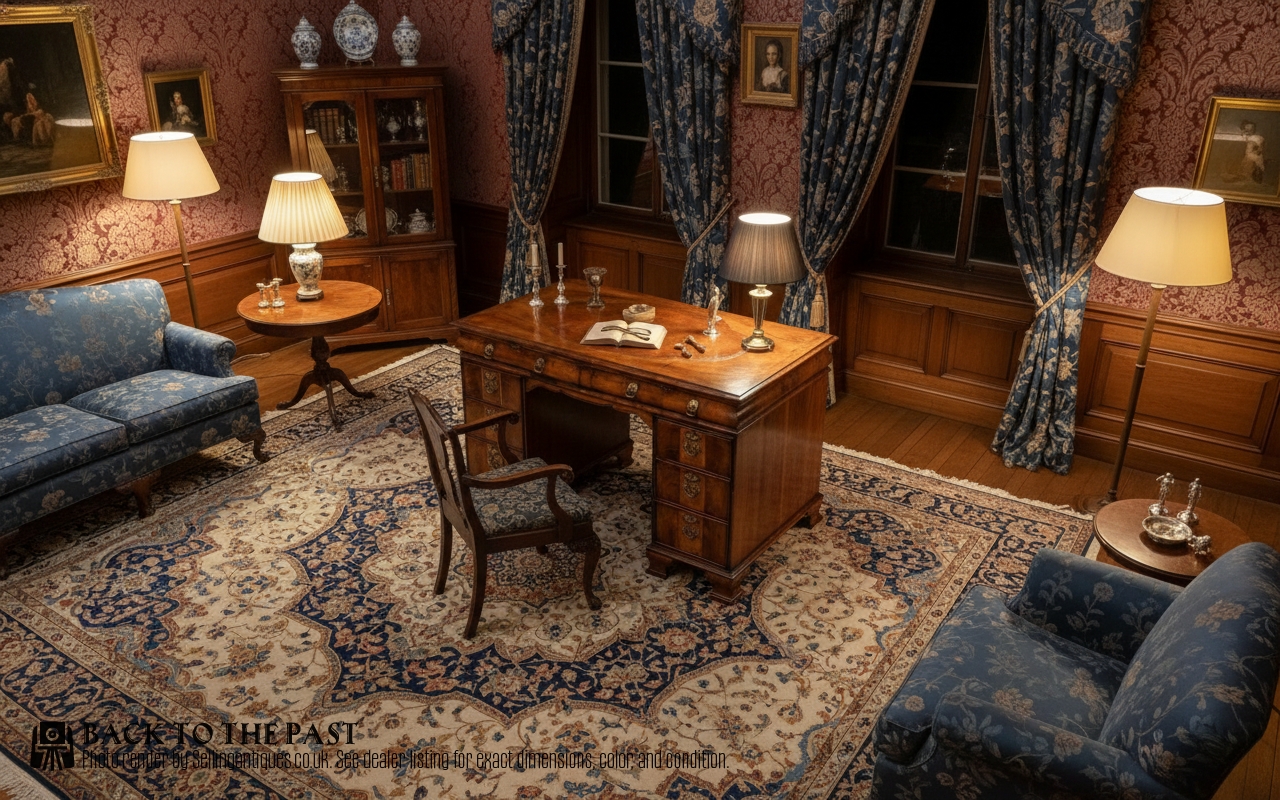
Antique Wooden Office Desk
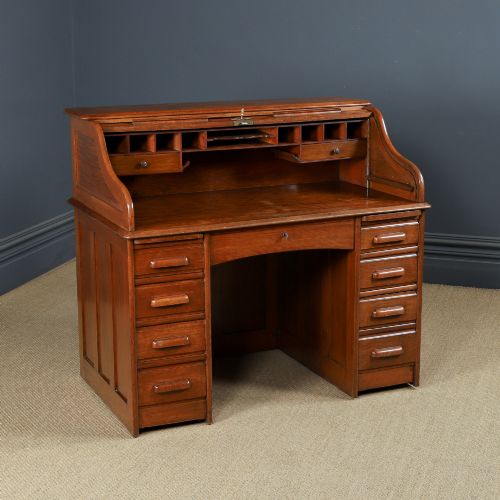
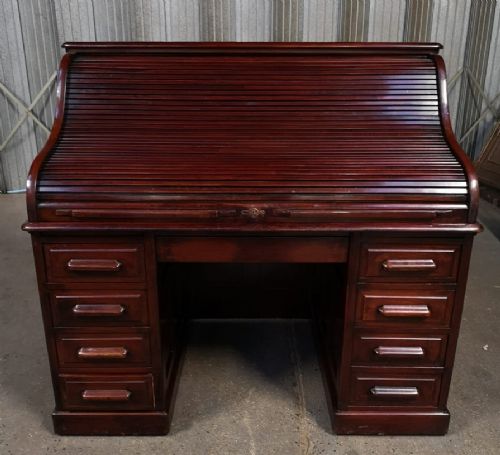
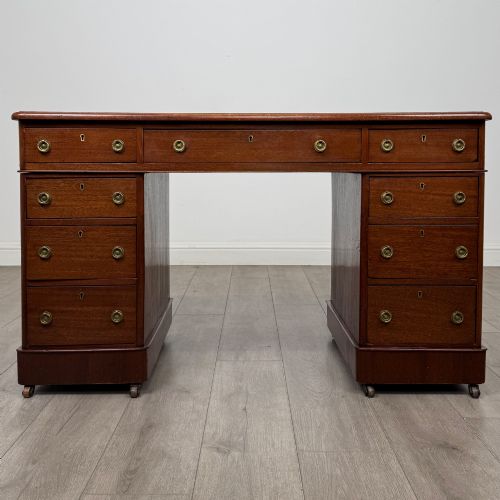
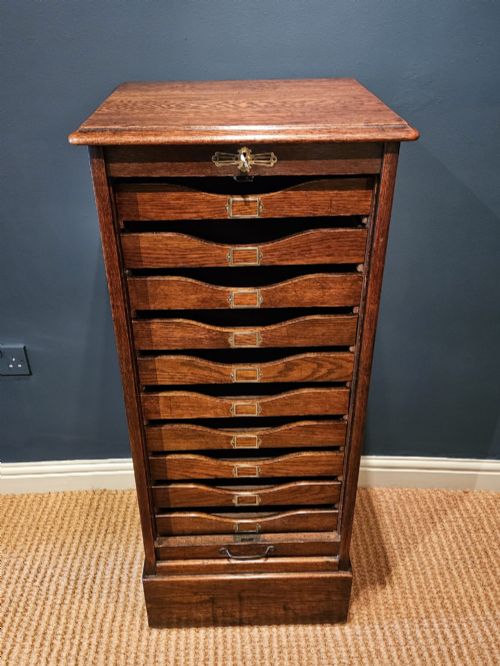
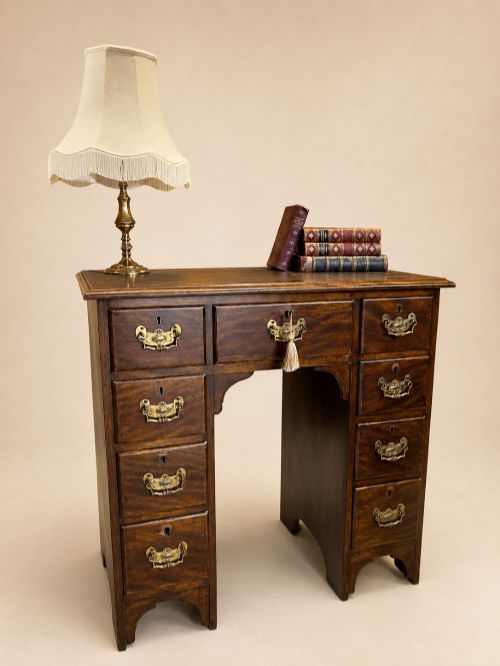
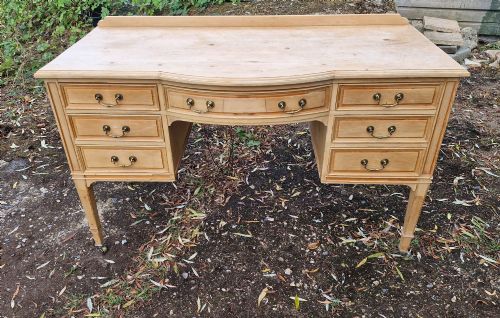
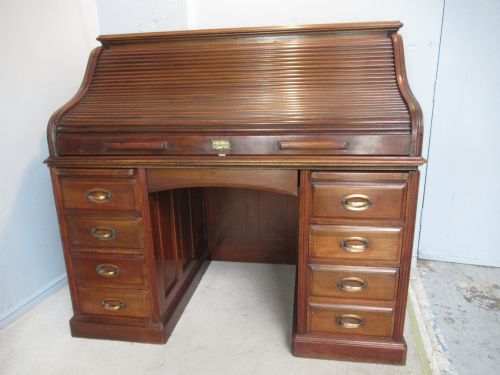
An antique wooden office desk encompasses heavy pedestal designs, kneehole writing tables, cylinder desks, and roll-top variants spanning the Victorian, Edwardian, and Art Deco eras. Buyers searching for an antique wooden office desk frequently encounter mahogany, oak, and walnut construction paired with fitted stationery drawers and leather writing surfaces. The selection ranges from substantial twin pedestal pieces to compact nineteenth-century writing tables and tambour front filing cabinets.
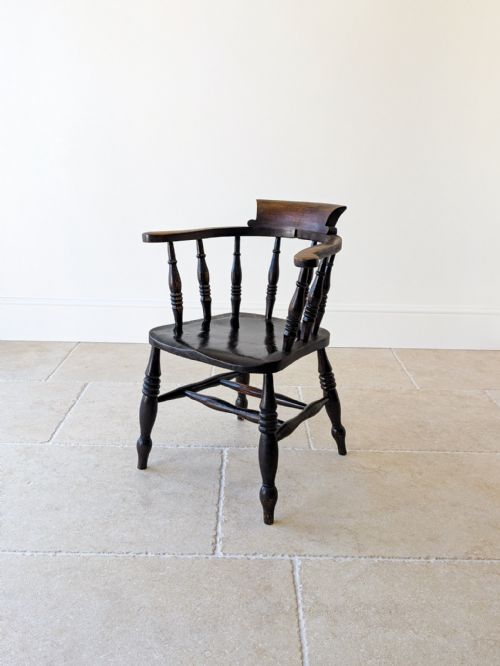
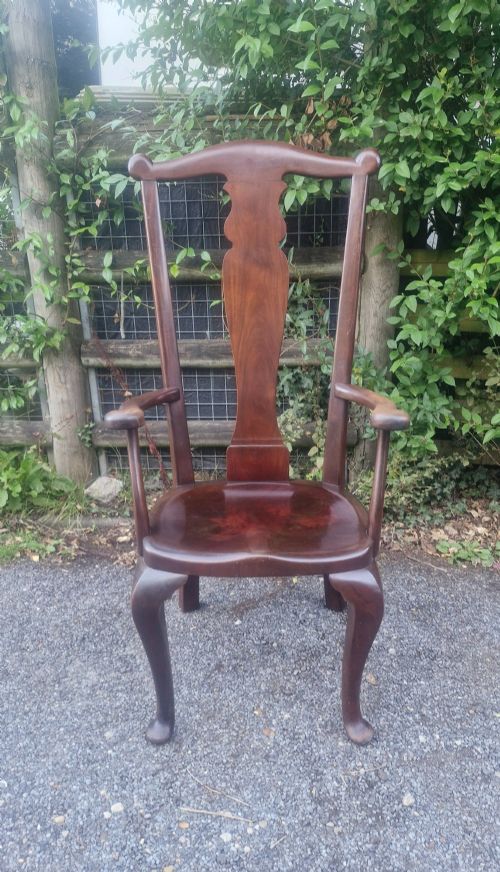
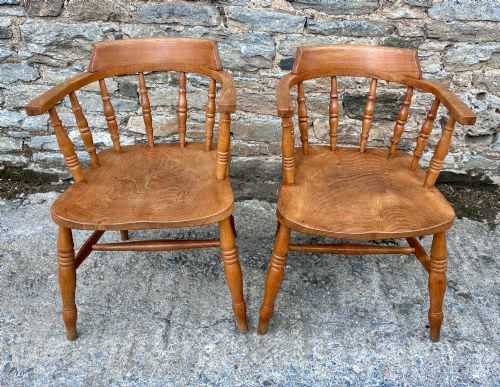
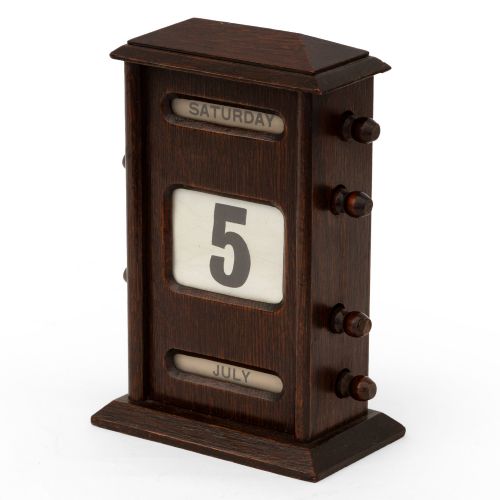
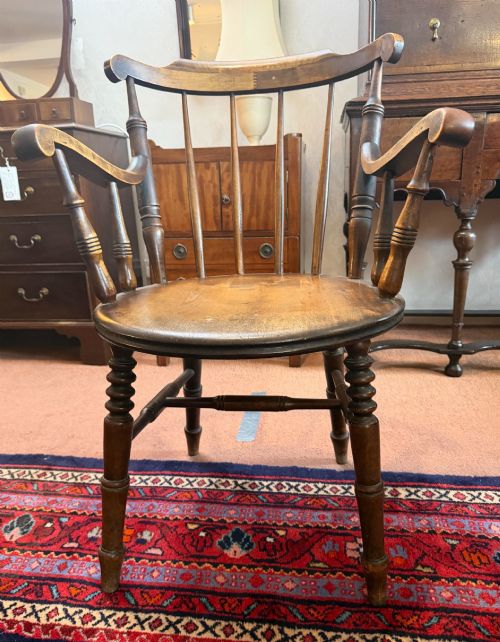
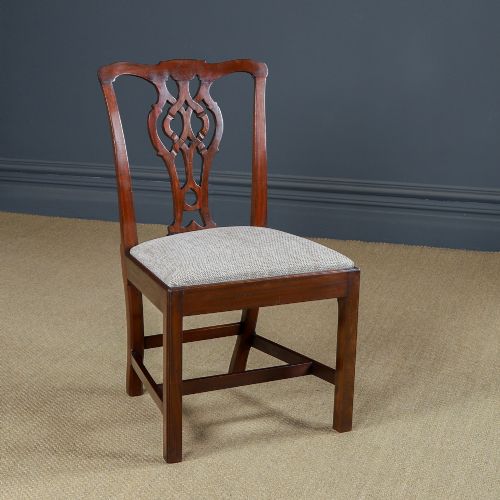
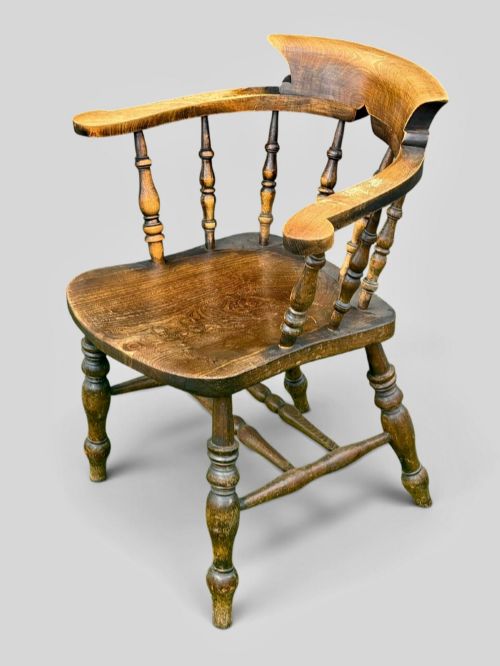
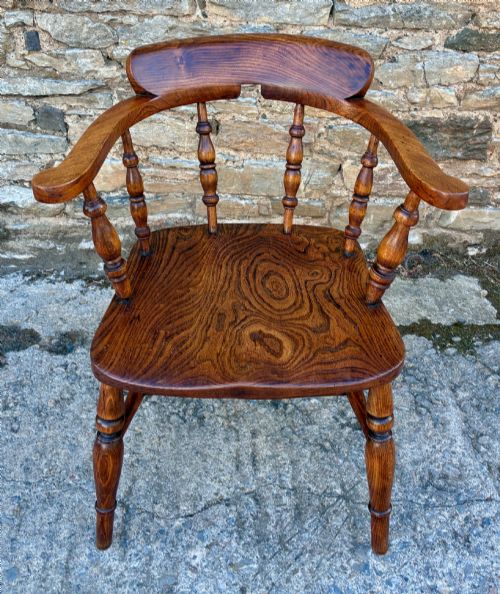
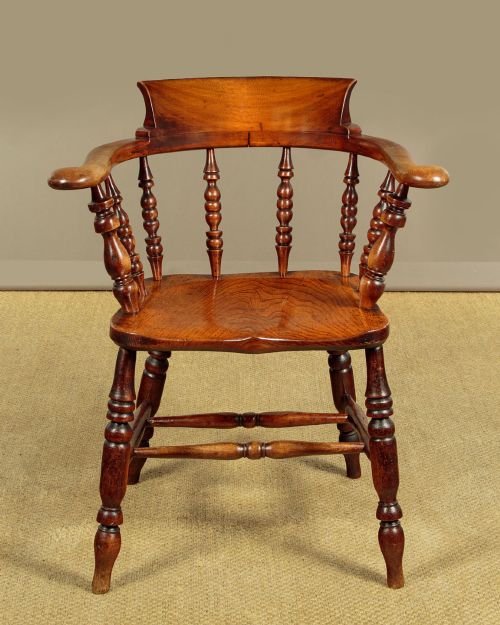
Seating and accessories also appear within this category, including elm captain chairs, revolving desk chairs, and letter boxes. These companion pieces match the timber tones of the primary desks, utilising ash, beech, and pine alongside brass hardware. The historical spread covers the nineteenth century through the early twentieth century, incorporating revival styles such as Chippendale and Queen Anne.
Materials and construction methods
Makers utilised dense hardwoods like mahogany, oak, and walnut for primary carcases, structural framing, and panel work, often adding burr walnut or elm veneers for decorative effect. Drawer linings and secondary elements frequently incorporated pine or ash, joined with traditional methods to withstand daily administrative use.
Writing surfaces incorporated inset leather panels, whilst brass supplied handles, locks, and revolving mechanisms on chairs. Glass panels appeared on later twentieth-century skyscraper writing desks, and tambour slats provided flexible closures for roll-top compartments.
Listings feature oak, mahogany, and walnut across Victorian, Edwardian, and Art Deco periods, alongside elm and ash seating.
Distinctions in construction and finish
The standard of timber selection and secondary wood usage dictates the integrity of a piece, separating substantial solid hardwood builds from simpler veneered carcases. Superior examples demonstrate precise joinery in drawer construction, fully operational tambour mechanisms, and well-executed secondary internal fittings like stationery drawers and writing slides.
Original hardware, including stamped brass locks and matching handles, contributes to authenticity, alongside the preservation of patinated leather writing surfaces. The finesse of carved details, such as those found on Victorian pedestal desks or revolving office chairs, marks the distinction between standard commercial items and finer workshop production.
James Mein of Kelso·Hobbs & Co.
The Antique Wooden Office Desk Glossary
- Pedestal desk
- A freestanding desk comprising two supporting banks of drawers beneath a main writing top. This form offers substantial storage capacity and a finished back for placement in the centre of a room.
- Tambour
- A flexible shutter made of narrow wooden strips glued to canvas, allowing roll-top desks and filing cabinets to slide smoothly around a curved track.
- Kneehole desk
- A compact desk featuring a central recess for the user's legs, flanked by smaller cupboards or tiers of drawers. These pieces suit smaller studies and residential rooms.
- Captain's chair
- A sturdy wooden armchair with a rounded spindle back, often featuring an elm seat and a revolving mechanism supported on a four-legged base.
- Dickens desk
- A pedestal desk fitted with a raised stationary compartment and drawers above the main writing surface, designed for clerical organisation.
Antique Wooden Office Desk: Frequently Asked Questions
How do I care for a leather desk top?
Maintain leather inserts by applying a neutral wax balm to nourish the material and prevent cracking from dry office air. Avoid harsh chemical cleaners that strip the original dye and gold tooling.
Keep liquids away from the surface and use blotters beneath writing paper to protect the aged hide from ink stains and moisture rings.
Are revolving desk chairs sturdy?
Period revolving chairs utilise heavy iron or wooden threaded spindles beneath the seat to allow spinning and height adjustment. These mechanisms require occasional lubrication but remain robust for daily seating.
The stable four or five-prong wooden underframe supports movement safely while matching the timber of the primary desk.
How do I distinguish Victorian from Edwardian desks?
Victorian desks typically feature dense solid mahogany or walnut, deep mouldings, and darker finishes with substantial brass drawer pulls. They lean towards heavier proportions and elaborate panel work.
Edwardian examples often display lighter oak or pine timbers, simpler linear construction, and sometimes lighter finishes reflecting changing interior tastes at the turn of the century.