

Antique Wooden Linen Chest
An antique wooden linen chest is a robust storage piece built from oak, mahogany or pine, offering timeless utility and heavy traditional character.
Antique Wooden Linen Chest
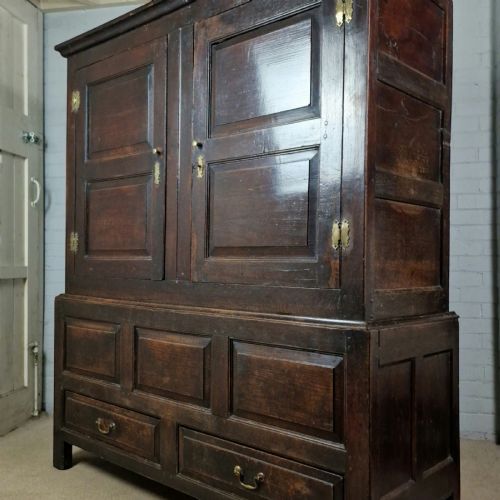
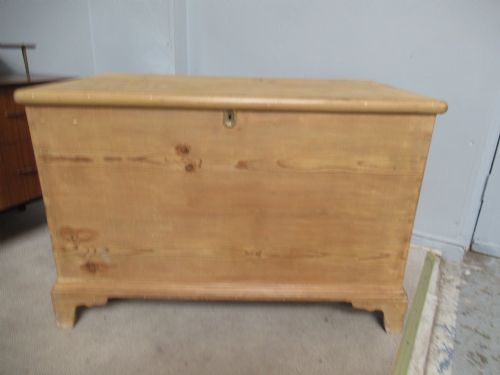
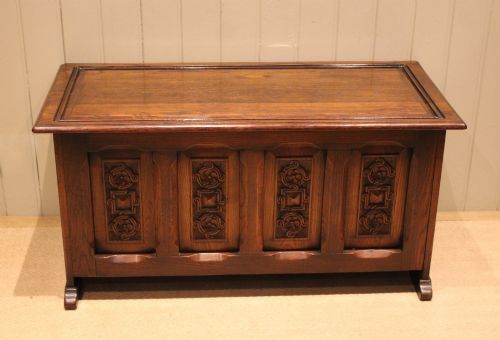
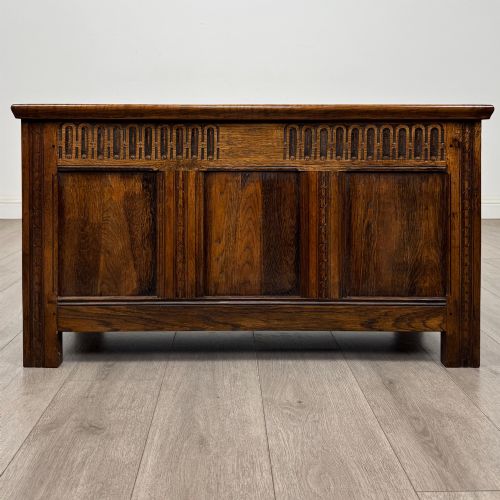
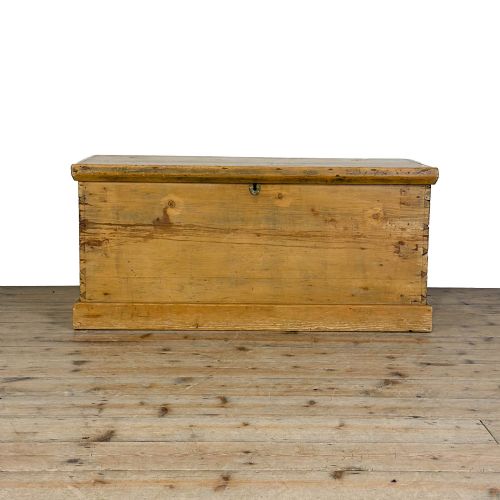
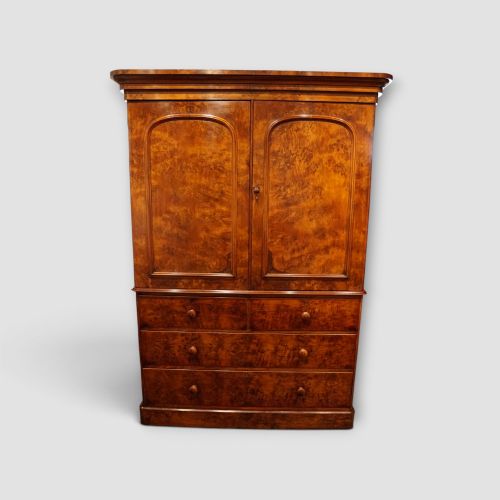
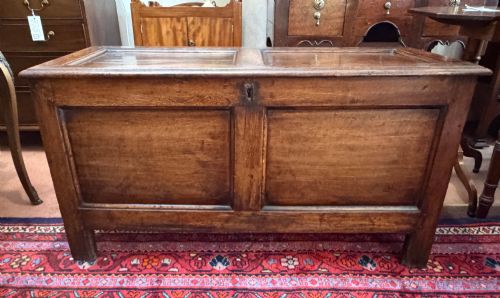
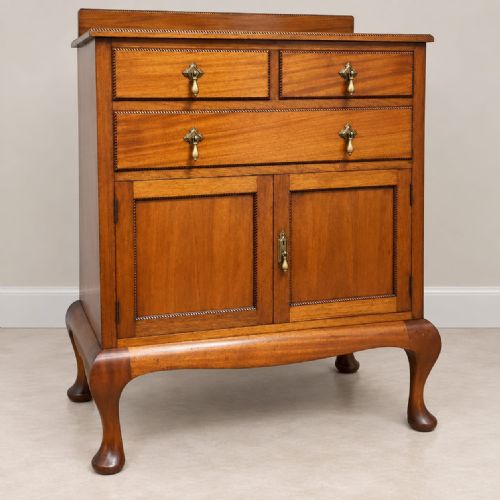
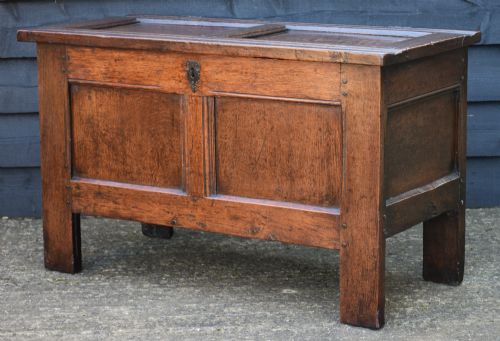
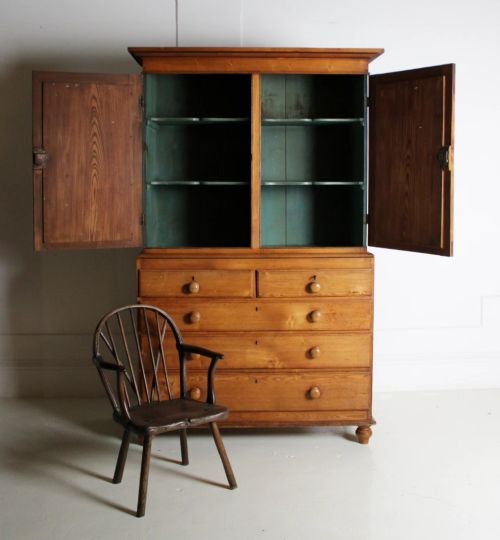
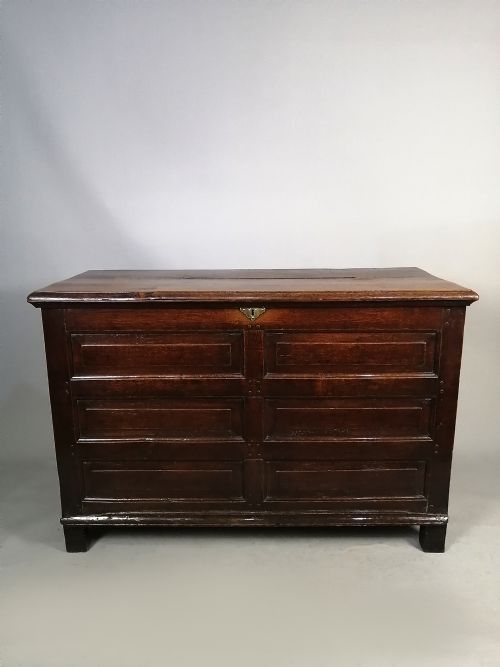
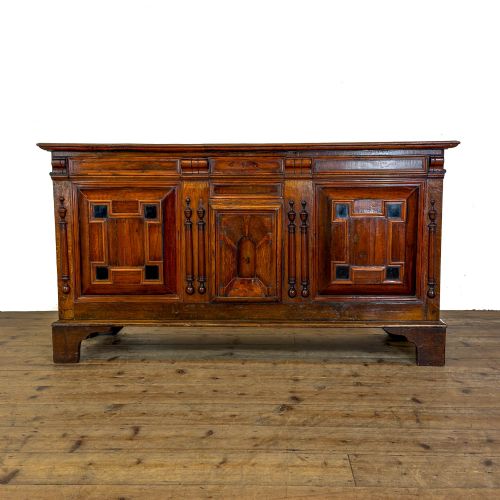
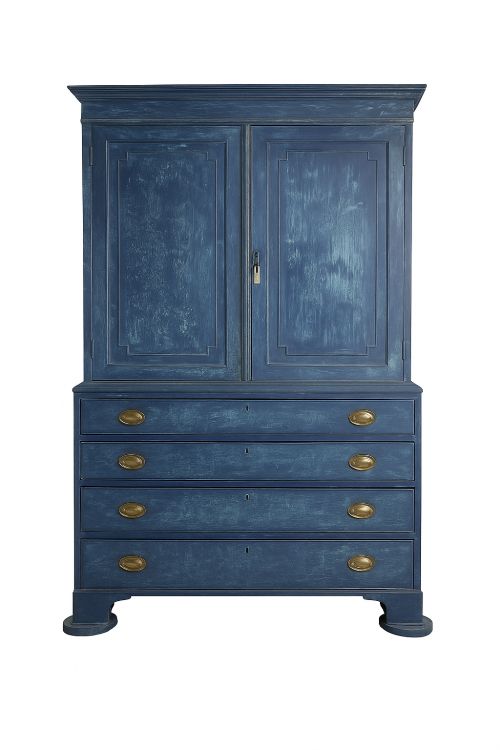
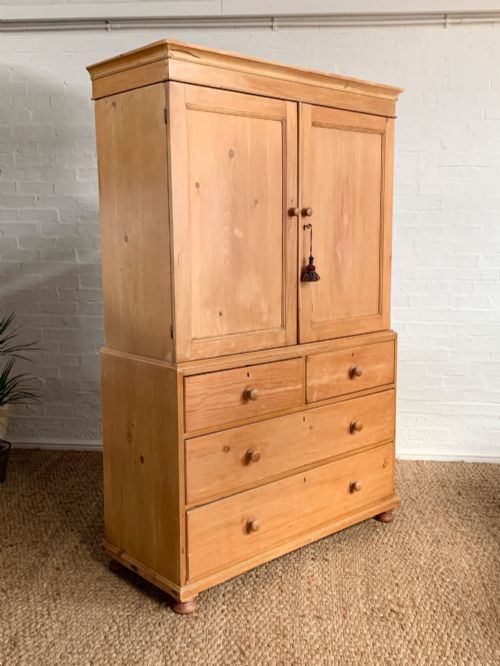
When you search for an antique wooden linen chest, you look at a diverse group of storage furniture spanning several centuries, including coffers, blanket boxes, and towering linen presses. The pieces on this page range from small panelled oak coffers dated to the seventeenth century up to refined Georgian and Victorian mahogany presses designed with internal sliding trays or drawers.
The most common formats you encounter are sturdy oak coffers built for domestic storage and taller mahogany or pine cupboards specifically configured for linen and clothing. Many examples originate from provincial workshops or larger urban cabinet makers, reflecting the shifting domestic needs for textile storage over the eras.
Origins stretch from English country workshops to continental cabinets, utilising regional timbers such as ash, walnut, and deal alongside classic cabinet hardwoods.
How they were made
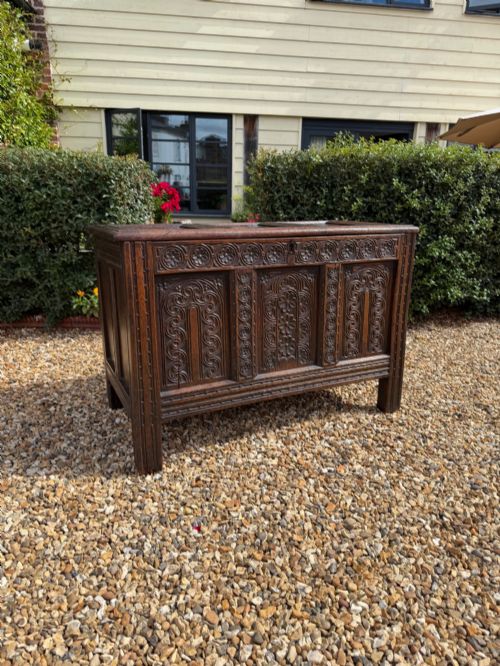
Makers constructed these storage pieces using solid regional timbers like oak, mahogany, and pine, often joined with pegged mortise and tenon joints on earlier coffers or dovetails on later drawers. Hand-carved panels, linenfold motifs, and marquetry inlays demonstrate traditional carpentry methods that relied on timber movement management.
Hardware such as brass handles, iron hinges, and occasionally wooden screw mechanisms added functional security and structural support to heavy doors and lids.
Surface finishes range from stripped natural pine and waxed oak to painted treatments and figured mahogany veneers, protecting the wood while accentuating natural grain patterns.
A provincial George III press includes an unusual built-in screw mechanism designed to keep linens flat.
What varies in quality
The standard of a piece rests heavily on the selection of timber, such as figured mahogany or burr walnut, and the crispness of hand-carved details or marquetry inlay. Superior examples retain original brass hardware, intact internal sliding trays, and sound structural joinery without excessive timber replacement.
Proportion and scale dictate the visual success of the piece, with smaller proportions or deliberate architectural detailing commanding greater visual presence in a modern interior.
The Antique Wooden Linen Chest Glossary
- Coffer
- A heavy storage chest with a hinged lid, frequently constructed from solid oak during the seventeenth and eighteenth centuries. These pieces often feature carved front panels.
- Linen Press
- A tall cabinet enclosing sliding trays or shelves behind upper doors, paired with lower drawers for storing textiles. Georgian and Victorian examples frequently utilise mahogany.
- Tallboy
- A tall chest of drawers standing upon another chest or base section, combining vertical storage capacity with compact floor space usage.
- Linenfold
- A style of carved wooden panelling resembling folded cloth, commonly found on early oak coffers and furniture from the seventeenth century.
- Marquetry
- Decorative veneer work arranged in intricate patterns or pictures using various coloured woods, seen on select Georgian mahogany furniture.
Antique Wooden Linen Chest: Frequently Asked Questions
How do I use a linen chest today?
These pieces serve effectively as blanket boxes at the foot of a bed, coffee tables in a living room, or dedicated storage for spare bedding and winter garments.
Their sturdy tops and deep interiors provide practical utility while introducing historical character to contemporary rooms.
What is the difference between a coffer and a press?
A coffer is a horizontal chest with a top-opening lid, primarily designed for general storage and sitting. A linen press is a vertical cupboard featuring doors that open to reveal internal sliding trays for folded textiles.
Presses also generally incorporate a chest of drawers in the lower section for additional organisation.
How do I care for antique timber furniture?
Maintain the wood by applying quality beeswax periodically and avoiding direct placement near heat sources or strong sunlight.
Keeping room humidity stable prevents the timber from splitting and preserves the original polish.
How can I tell a seventeenth-century coffer from a later revival?
Early pieces exhibit hand-cut peg joinery, adze marks, and timber shrinkage consistent with age. Revival items made in the twentieth century often display machine-cut elements and uniform modern timber conditioning.