


Joined Oak Storage Box
A joined oak storage box is a sturdy timber chest built with mortise and tenon joints to hold household goods.
Joined Oak Storage Box
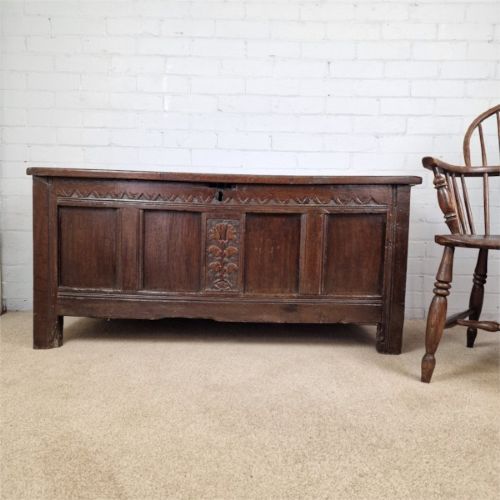
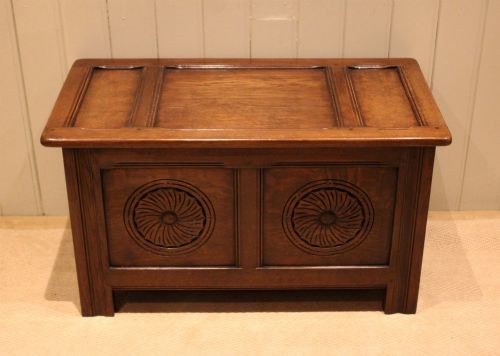
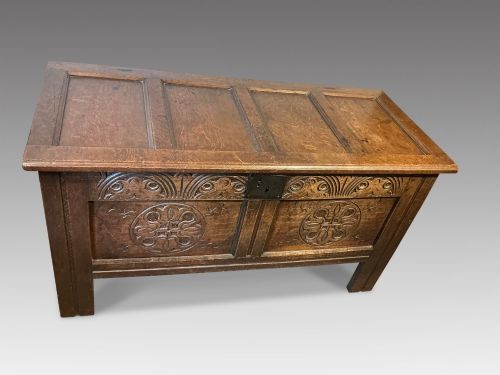
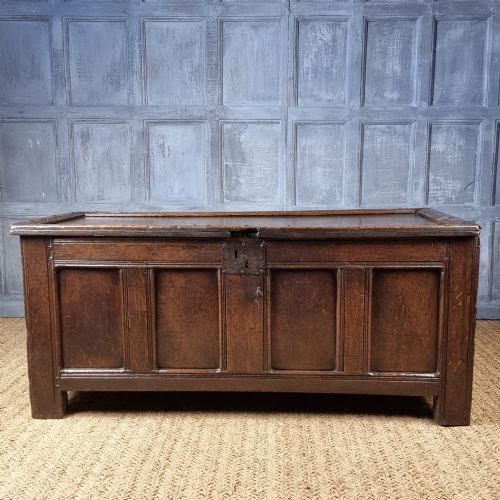
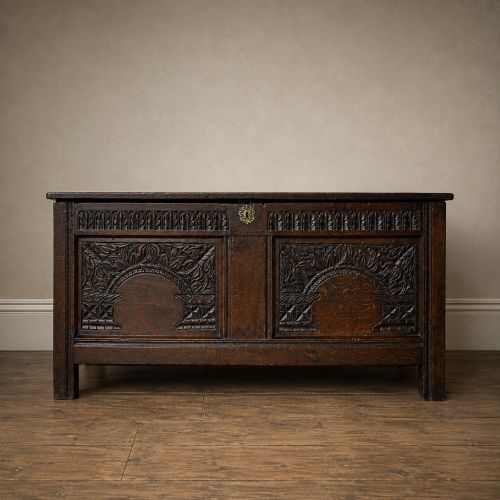
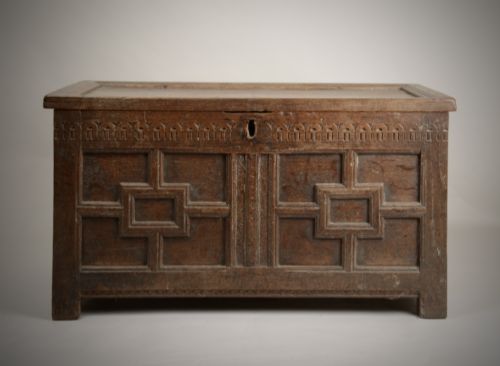
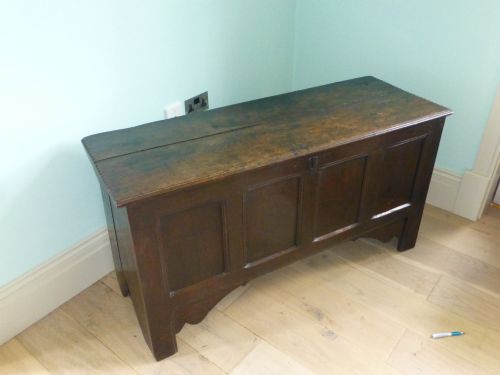
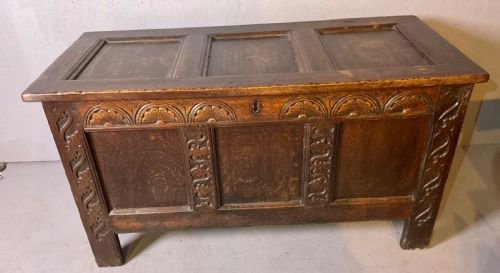
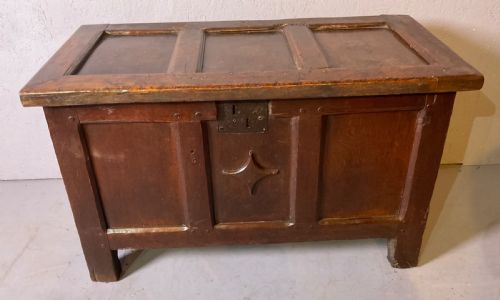
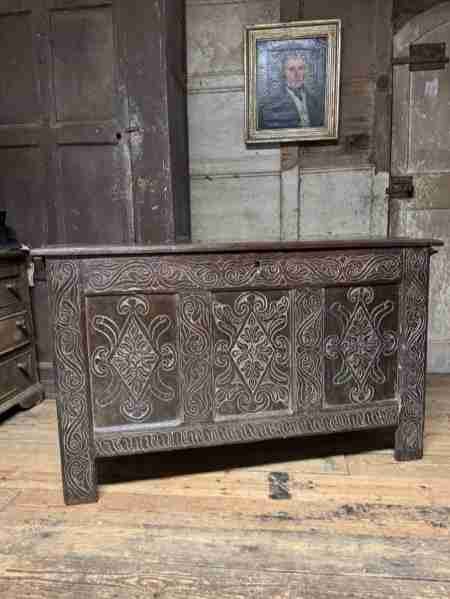
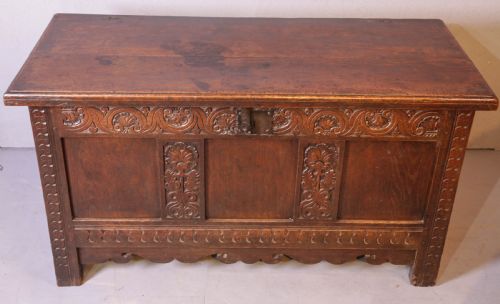
A joined oak storage box appears most often on this page as a seventeenth century coffer, chest, or blanket box. These sturdy receptacles served early households for securing textiles, documents, and valuables against dampness and theft. The form relies on heavy timber framing rather than simple boards, creating a rigid skeleton that resists warping over centuries of domestic use.
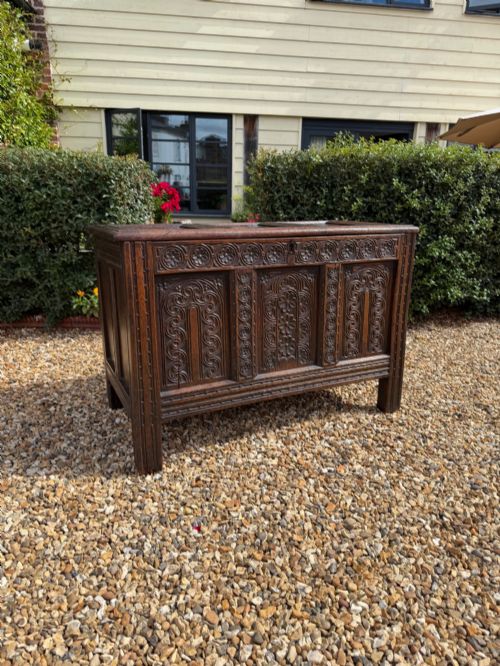
Makers constructed these pieces during the Elizabethan, Jacobean, and Georgian periods, with seventeenth century examples dominating the selection. Regional variations emerge from places such as Wales, Lancashire, Lakeland, and the West Country. Regional workshops applied distinctive carved panels, geometric mouldings, and construction details that signal their geographical origins.
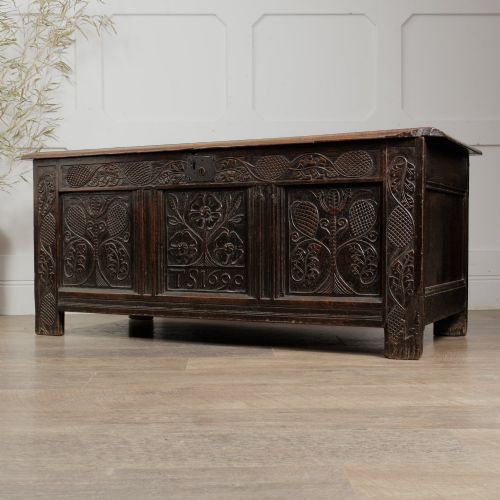
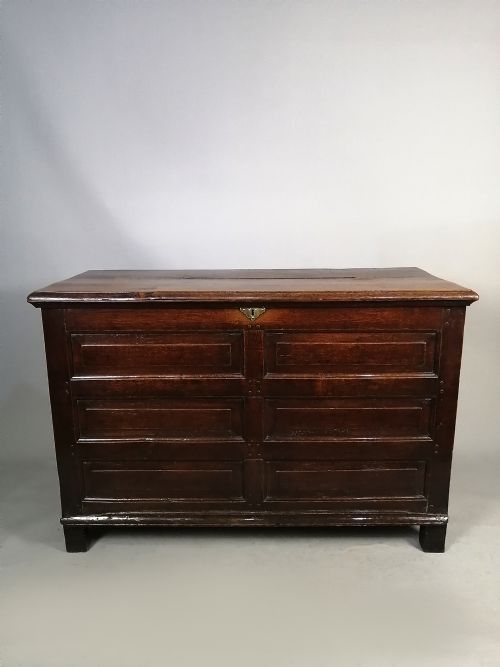
The simplest versions feature plain panels, while more elaborate pieces display carved friezes, linenfold motifs, or inscribed dates. Buyers encounter single panel, two panel, and multi-panel configurations depending on the overall size and the period of manufacture. Each format represents a practical domestic item adapted to the tastes and joinery techniques of its era.
Materials and Technique
Joiners built these storage boxes using native oak, selected for its strength and abundance in English and Welsh woodlands. They fashioned the frame from stiles and rails locked together with pegged mortise and tenon joints, a method that eliminated the need for iron nails in the primary structure. Thin panels fitted into grooves within this rigid framework, allowing the timber to expand and contract with seasonal humidity changes.
Iron and brass hardware secured the lids and contents, appearing as strap hinges, snipe hinges, and clasp locks fixed with hand-forged nails. Wrought iron provided durable reinforcement for daily opening and closing, whilst brass occasionally appeared on later locks and escutcheons. Blacksmiths hammered these metal components by hand, matching the robust character of the timber.
The listings span four centuries, featuring seventeenth century regional coffers alongside eighteenth century Georgian mule chests and later revival pieces.
Assessing Quality
Quality rests primarily on the integrity of the original joined frame and the retention of authentic timber surfaces. Boxes that retain their original floor boards, backboards, and lid hinges command greater respect among collectors than those rebuilt with replacement elements. The crispness of hand carving and the subtlety of geometric mouldings also separate standard utilitarian boxes from finer regional works.
Surface character distinguishes an honest survivor from an overly restored piece. Deep, natural patination develops through generations of polishing and handling, whereas aggressive stripping flattens the texture of the wood. The presence of original peg fixings and untouched interior tills indicates a higher degree of preservation.
Thomas Dennis
The Joined Oak Storage Box Glossary
- Joined oak
- Timber construction utilising interlocking mortise and tenon joints secured by wooden pegs. This method creates a strong skeleton that predates widespread use of metal fasteners.
- Coffer
- A heavy timber chest traditionally used for storing valuables, plate, or documents. The lid is typically flat and hinged at the back.
- Linenfold
- A style of carved wooden panel resembling folded fabric or parchment. It is frequently found on sixteenth century and early seventeenth century English furniture.
- Mule chest
- A storage chest featuring one or more drawers beneath the main compartment. This form evolved later in the seventeenth century and into the eighteenth century.
- Stile
- The upright vertical member in the frame of a joined piece. It forms the primary structural support at the corners of the box.
Joined Oak Storage Box: Frequently Asked Questions
What is a joined oak storage box?
A joined oak storage box is a heavy timber chest constructed with interlocking mortise and tenon joints. These pieces were built to house household valuables, textiles, and documents.
They represent early domestic furniture design, relying on pegged frames rather than modern glues or metal nails.
How were these chests used?
Households used these chests to protect textiles, woollens, and important papers from damp floors and pests. Their heavy lids allowed them to double as occasional seating or tables.
In prosperous homes, they held silver plate and family heirlooms safely under lock and key.
How do I date a joined oak coffer?
Dating relies on construction methods, timber preparation marks, and stylistic ornament such as carved friezes or linenfold panels. Earlier pieces show pit-saw marks and hand-forged ironwork.
Regional styles and inscribed dates carved into the wood provide further clues to the decade of manufacture.
How do I care for antique oak?
Antique oak benefits from stable indoor humidity and protection from direct sunlight and heat sources. Regular application of traditional beeswax feeds the dry timber and maintains its surface sheen.
Avoid modern silicone polishes, which can penetrate porous grain and alter the historic patina.