




Vernacular Welsh Oak Chest
A vernacular welsh oak chest brings the honest craft of country workshops directly into your home, offering enduring storage built from native timber.
Vernacular Welsh Oak Chest
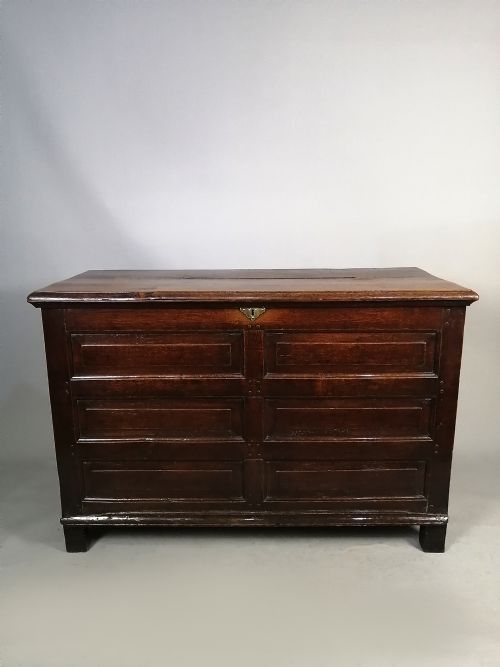
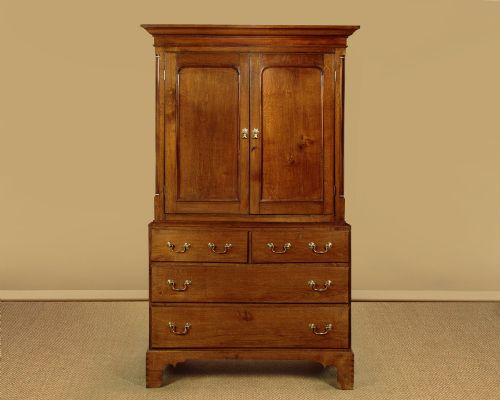
A vernacular welsh oak chest encompasses robust storage furniture built by local craftsmen using native timber. These pieces range from simple boarded boxes to panelled coffrs and multi-stage cupboards originating from country workshops.
The selections here span several centuries, including seventeenth-century pieces featuring chip carving alongside eighteenth-century coffor bach miniatures and nineteenth-century press cupboards. Oak forms the primary structural material across these functional domestic items.
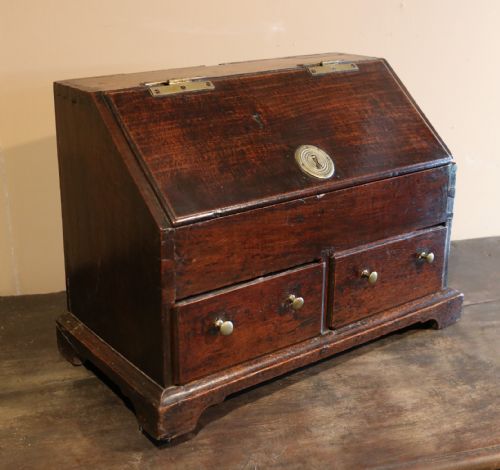
Regional variations appear across the collection, including specific forms from Snowdonia and Glamorgan. Buyers encounter both utilitarian storage boxes and refined miniature bureaus sharing the same regional carpentry traditions.
What Varies in Quality
The standard of a vernacular welsh oak chest rests upon the depth of its original surface patination and the crispness of any chip carved detail. Untouched timber surfaces retain a character that heavy restoration diminishes.
Construction methods also distinguish individual examples, separating straightforward utilitarian boxes from more ambitious miniature bureaus or panelled press cupboards. Proportion and the survival of original feet or hardware define the finer pieces.
Listings span three centuries from the 17th to the 19th, featuring oak complemented by brass, iron, bone inlay, and fruitwood inlay.
The Vernacular Welsh Oak Chest Glossary
- Coffor Bach
- A miniature Welsh coffer or chest used historically for valuables or as a love token. These small boxes frequently feature fitted interiors and precise scale proportions.
- Press Cupboard
- A large two-stage storage piece designed for linens and clothing, combining upper cupboard space with lower drawers or shelving. This form evolved through the Georgian and nineteenth-century periods.
- Chip Carv
- A decorative technique utilising gouges and chisels to remove small chips of wood from the surface in geometric patterns. This work appears on seventeenth-century boxes and panels.
- Vernacular
- Architecture and furniture built by local craftsmen using regional materials and traditional designs rather than high-style metropolitan fashions. This approach defines much of the country furniture found here.
- Patina
- The surface sheen and colour acquired by wood through age, handling, and wax polishing over centuries. A rich patina indicates long preservation without harsh stripping.
Vernacular Welsh Oak Chest: Frequently Asked Questions
What is a coffor bach?
A coffor bach is a miniature Welsh coffer traditionally made as a gift or dowry chest. These small chests often display the same detailed construction found in full-sized furniture.
Craftsmen scaled down traditional coffer designs to create these portable boxes for holding precious documents or small valuables.
How do I date a Welsh oak chest?
Dating relies on examining construction techniques, joinery methods, and decorative styles like chip carving. Seventeenth-century examples typically show boarded or heavy panelled construction with iron hardware.
Later pieces from the eighteenth and nineteenth centuries introduce refined mouldings, inlay work, and alternative storage configurations such as drawers or press doors.
Where were these chests made?
These pieces originate from rural workshops across Wales, with specific regional characteristics tied to areas like Snowdonia and Glamorgan. Local joiners used native timber to supply farms and village homes.
Each region developed subtle variations in proportion, carving styles, and hardware usage that reflect local cabinet-making traditions.
How should I care for antique oak?
Maintaining antique oak involves keeping pieces away from direct heat sources and sudden humidity changes to prevent timber splitting. Regular gentle dusting preserves the dry finish.
Applying a traditional beeswax polish occasionally helps nourish the wood and maintains the natural surface patination built up over centuries.