



Antique Wooden Head Statue
An antique wooden head statue brings devotional intensity and sculptural presence into a room, spanning Baroque cherubs to Balinese dancers.
Antique Wooden Head Statue
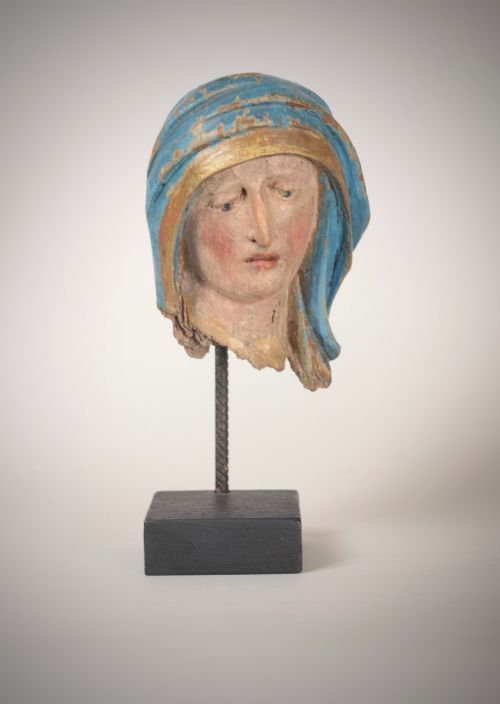
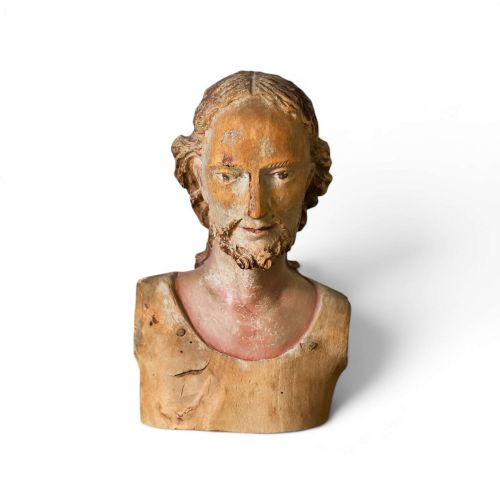
An antique wooden head statue focuses purely on the human visage, whether rendered as a sacred fragment, a devotional bust, or a cultural study. When you search for this phrase, you meet carved depictions ranging from religious figures to folk art and regional portraiture.
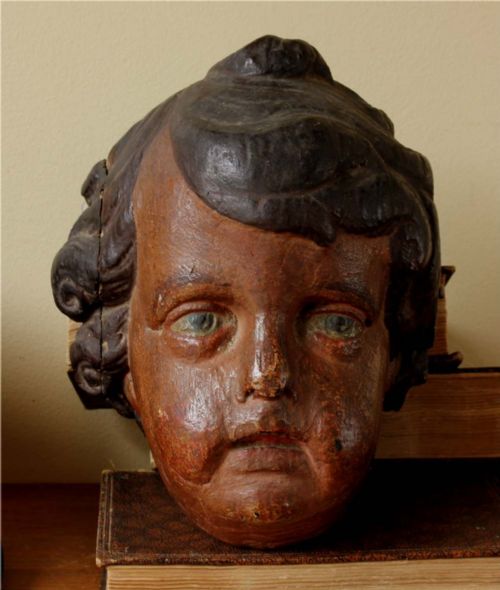
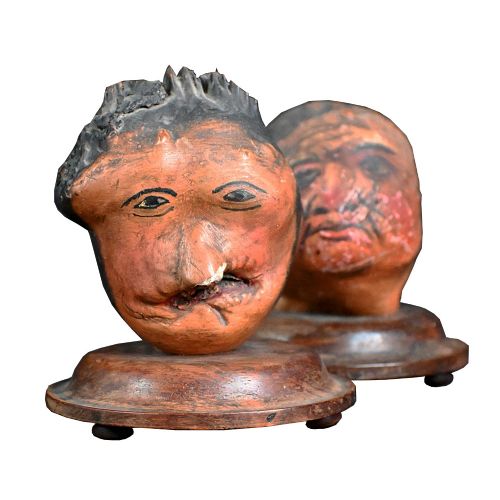
The pieces on this page draw from several centuries of carving traditions, taking shape in forms such as cherub heads, putti, monastic studies, and noble portraits. Origins span Italy, France, Russia, Tibet, Bali, and the Tyrol, reflecting diverse sculptural impulses.
Most examples survive as individual fragments or dedicated busts rather than full figures, concentrating the carver's skill entirely upon expression and detail. They emerge from periods including the seventeenth, eighteenth, and nineteenth centuries, alongside later twentieth-century interpretations.
How they were made
Carvers shaped these heads from varied timbers including olive wood, walnut, pear wood, and general carved wood, selecting materials for grain and density. Some pieces incorporate gesso to smooth the surface before receiving decorative treatment.
Antique Wooden Head Statue Retail Price Guide 2026
Typical asking prices for wooden head statue among the pieces listed under this phrase on Sellingantiques today, from the lower quarter to the upper quarter. They describe what is for sale here now, not the wider market.
Listings feature woods such as walnut, olive wood, and pear wood, alongside painted gesso surfaces.
What varies in quality
Survival of original surface finishes significantly influences the character of a piece, particularly where polychrome paint, gesso, or gold leaf remains intact. The integrity of the wood itself, free from clumsy modern interventions, preserves the authenticity of the object.
The Antique Wooden Head Statue Glossary
- Polychrome
- Decorated in multiple colours. This technique was frequently applied to wooden religious sculptures to heighten realism.
- Gesso
- A plaster-like mixture applied to wood as a base for painting or gilding. It provides a smooth ground for delicate detail.
- Putto
- A figure of a small chubby male child, often winged. They appear commonly in Baroque religious art.
- Baroque
- An artistic style prevalent in the seventeenth and eighteenth centuries, characterised by drama and rich surface treatment. It informs many Italian and French pieces.
- Folk art
- Art produced from an indigenous cultural tradition or by untrained artisans. These pieces often display charming simplicity rather than academic precision.
Antique Wooden Head Statue: Frequently Asked Questions
Are most of these pieces religious?
A significant portion of the earlier works depict religious subjects, including cherubs, Christ, saints, and monks. These objects originally served devotional functions in churches or domestic shrines.
Other examples depart from religious themes entirely, recording regional types, dancers, nobility, or folk art studies from the nineteenth and twentieth centuries.
How do I identify the period?
Dating relies heavily on style, tool marks, and the ageing of the timber. Baroque pieces from the seventeenth and eighteenth centuries often display theatrical emotion and rich polychrome surfaces.
Later nineteenth-century and Edwardian works shift towards academic portraiture, folk traditions, or regional character studies, each bearing the distinct carving conventions of their decade.
Where should I display one?
These sculptures suit tabletops, mantelpieces, or dedicated display shelves where their sculptural form can be viewed closely. Placing them away from direct heat sources protects the old wood and delicate painted surfaces.
Pairing a wooden head with neutral backgrounds allows the grain and polychrome details to stand out.