






Vintage African Tribal Sculpture
Vintage african tribal sculpture brings together carved wood, bronze figures and ceremonial masks spanning from the nineteenth century through the mid twentieth century.
Vintage African Tribal Sculpture
When searching for vintage african tribal sculpture, buyers encounter a diverse selection of regional works including hardwood figures, bronze statues, and carved masks. These objects originate from various cultures and traditions across the continent, reflecting distinct artistic practices.
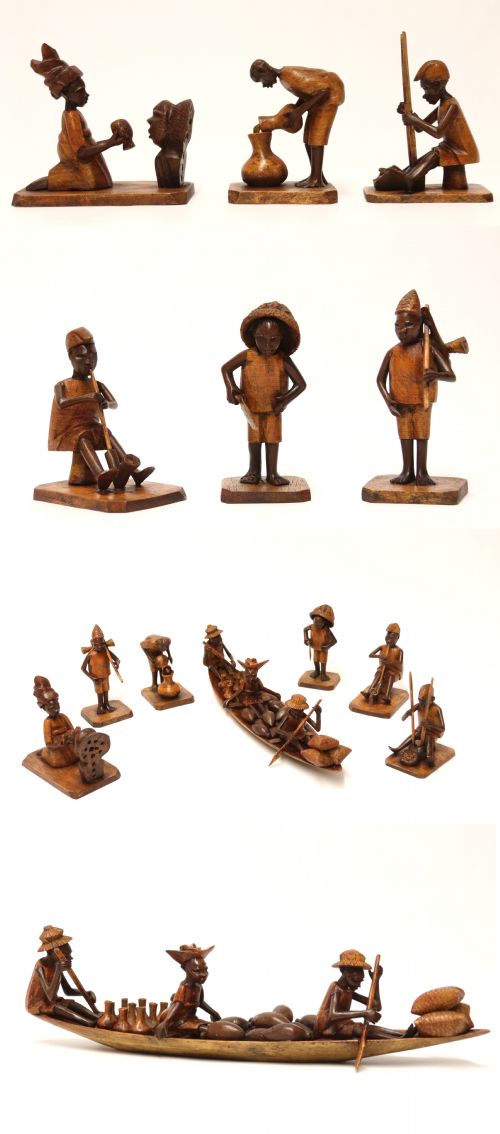
The pieces listed here most frequently take the form of carved wooden figures, ceremonial masks from the Ivory Coast, and heavy bronze sculptures associated with the Benin and Yoruba peoples. Everyday functional items such as carved combs, spoons, and pipes also appear alongside larger sculptural works.
How they were made
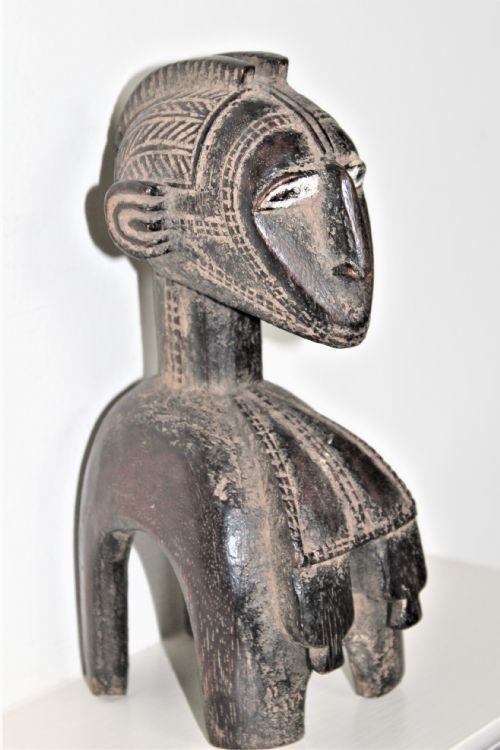
Makers utilised traditional hand-carving techniques, working directly into dense timbers such as hardwood to produce figures, masks, and panels. Natural pigments were frequently applied to the wood surfaces to enhance decorative details and cultural markings.
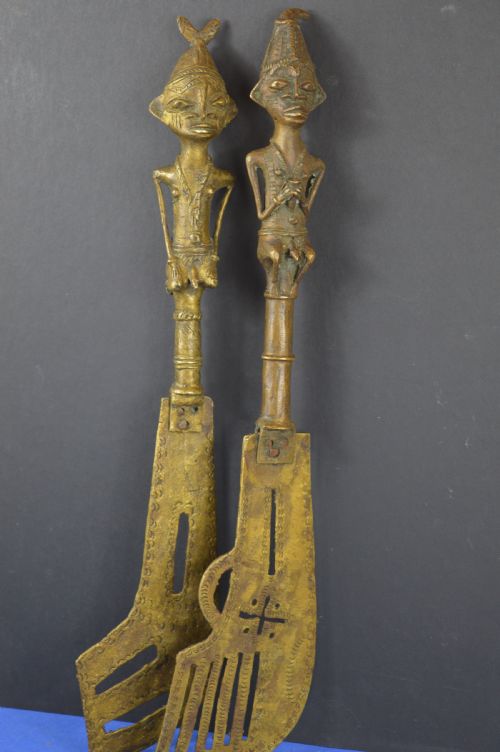
Metal objects were created using foundational casting methods, resulting in substantial bronze and brass sculptures, busts, and staffs. Bone elements also feature in select pieces, often combined with carved wood for intricate utilitarian items.
Vintage African Tribal Sculpture Retail Price Guide 2026
Typical asking prices for vintage african tribal sculpture among the pieces listed under this phrase on Sellingantiques today, from the lower quarter to the upper quarter. They describe what is for sale here now, not the wider market.
A nineteenth-century camel saddle waits patiently for a rider who missed the desert train a hundred years ago.
What varies in quality
In bronze works, the crispness of the cast and the complexity of the regalia separate ordinary production from superior examples. Natural surface wear and an established patination accumulated over decades contribute significantly to the overall presence of each piece.
The Vintage African Tribal Sculpture Glossary
- Patina
- The surface sheen and coloration developed through handling, age, and exposure over many decades. A good patina indicates genuine period use.
- Hardwood
- Dense timber derived from broad-leaved trees, utilised extensively for durable African figures, masks, and architectural panels. It resists warping and takes fine carving detail well.
- Ibeji
- A wooden twin figure carved by the Yoruba people to honour a deceased twin. These sculptures often feature distinct hairstyles and applied pigment.
- Nimba
- A large shoulder mask traditionally used by the Baga people of Guinea for agricultural ceremonies. It combines a female bust with supportive structural arches.
Vintage African Tribal Sculpture: Frequently Asked Questions
How do I identify a genuine tribal mask?
Examine the reverse side for attachment holes and signs of wear left by the wearer's face or head harness. Genuine examples show organic handling marks and accumulated surface patination rather than uniform machine finishing.
Check the wood type and pigment application against known regional styles. Carvings that exhibit traditional tool methods and consistent ageing are typical of authentic ceremonial objects.
What materials were commonly used in these sculptures?
Hardwood and bronze form the primary mediums across most surviving figures and ceremonial objects. Artisans also incorporated bone, natural pigments, and brass depending on the regional tradition and the intended function of the piece.
Wooden items often rely on indigenous timbers carved with hand tools, while metal sculptures utilise traditional casting techniques to achieve substantial weight and intricate surface detail.
How should I care for vintage wooden carvings?
Keep wooden sculptures away from direct sunlight and sudden fluctuations in room temperature to prevent the timber from splitting. Dust them gently with a dry cloth without applying modern polishes or oils.
Allow the existing dry surface and historical patina to remain undisturbed. Excessive cleaning can strip away the accumulated signs of age that define these historic objects.
What is the significance of Yoruba bronze figures?
Yoruba metalwork encompasses ceremonial staffs, horsemen, and portrait busts produced using traditional casting methods. These pieces often depict rulers, warriors, or spiritual figures adorned with detailed regalia.
The substantial weight and complex iconography reflect the high status of bronze within the culture. Such sculptures served both ritual purposes and as markers of authority.