





Carved Wooden Portrait Bust
These carved wooden portrait bust examples offer tangible character, capturing individual likenesses through historic craftsmanship.
Carved Wooden Portrait Bust
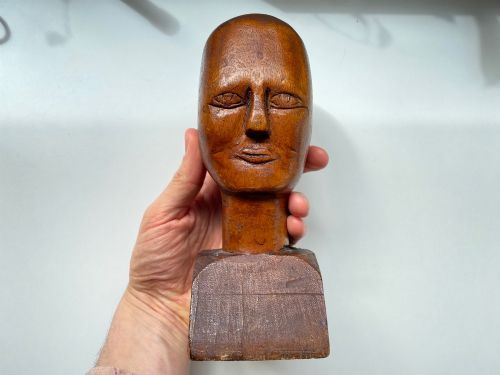
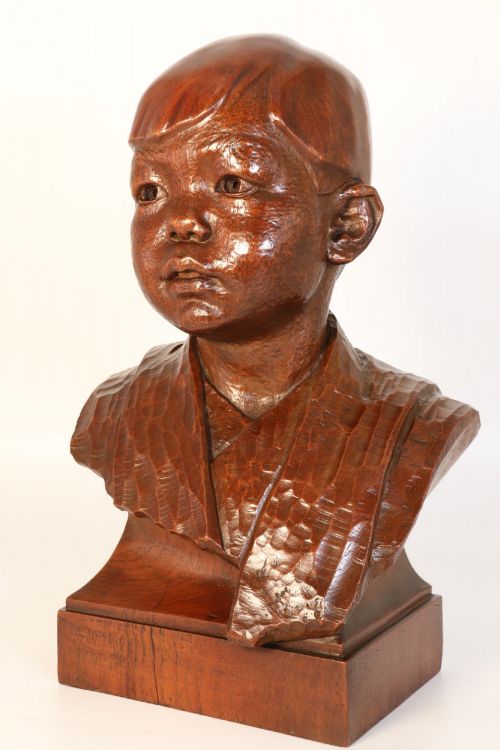
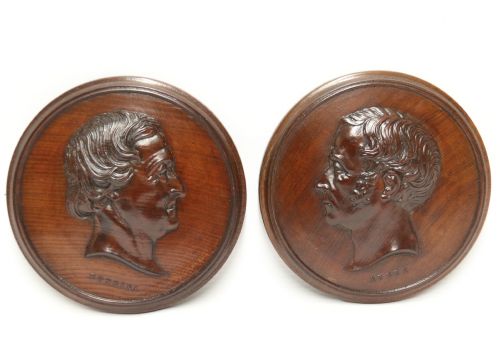
A carved wooden portrait bust brings three-dimensional human likenesses into an interior, ranging from life-size walnut studies to smaller folk art forms. When you search for a carved wooden portrait bust, you encounter works spanning the eighteenth century through the early twentieth century, taking the shape of freestanding sculptures, wall plaques, and bookends.
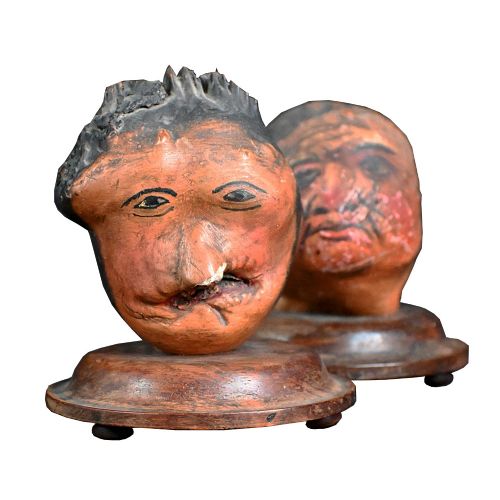
The subjects vary widely, depicting named historical figures such as Oliver Cromwell and Colonel Sir Edward Massey, alongside anonymous subjects like milliner heads, tribal figures, and elderly women. Italian workshops, Tyrolean carvers, and British studios all contributed distinct sculptural interpretations to this category.
Most pieces on this page utilise traditional hardwood blocks, capturing specific regional styles from folk art simplicity to neoclassical and Gothic Revival detail. Collectors value these objects for their direct connection to historic portraiture executed in warm, tactile organic materials.
How They Were Made
Carvers shaped these sculptures from dense domestic and exotic hardwoods, selecting walnut, mahogany, oak, and fine fruitwoods like pearwood to suit the scale and detail of the subject. These timbers provided the tensile strength needed for undercut hair, facial expressions, and high-relief wall plaques without splitting.
Carved Wooden Portrait Bust Retail Price Guide 2026
Typical asking prices for carved wooden portrait bust among the pieces listed under this phrase on Sellingantiques today, from the lower quarter to the upper quarter. They describe what is for sale here now, not the wider market.
Milliner heads once displayed hats in Victorian shop windows before finding a second life as sculptural folk art portraits.
What Varies in Quality
The choice and handling of the timber also separate ordinary items from exceptional ones. Finely grained pearwood or richly patinated walnut allows for crisp, enduring details that softer or poorly seasoned woods cannot maintain over centuries.
George Henry Paulin·V Ramirez Bolivia·Boudewijn Tuerlinckx
The Carved Wooden Portrait Bust Glossary
- Polychrome
- Painted or decorated in multiple colours. This technique appears on historic Italian carvings to add lifelike skin tones and garment details.
- Fruitwood
- Timber derived from fruit-bearing trees such as pear, apple, or plum. Carvers favoured it for its fine, even grain which accepts minute detail.
- Wall Plaque
- A decorative panel designed to be hung flat against a surface. In this category, these often take the form of high-relief profile portraits.
- Folk Art
- Artistic work created within a cultural tradition by self-taught or local artisans. These pieces prioritise expressive character over strict academic proportions.
- Gothic Revival
- An architectural and decorative style drawing inspiration from medieval forms. Pieces in this idiom incorporate pointed arches and robust, historicist detailing.
Carved Wooden Portrait Bust: Frequently Asked Questions
How were these busts displayed historically?
These sculptures typically stood on libraries, mantelpieces, or designated pedestals within domestic interiors.
Wall plaques were hung in studies and parlours to commemorate historical figures or personal interests.
What woods were commonly used?
Carvers utilised dense timbers such as walnut, mahogany, oak, and pearwood to ensure durability.
Fruitwoods were particularly prized for fine facial detailing due to their tight, predictable grain.
How do I date a wooden bust?
Dating relies on stylistic clues, costume details, and the tool marks left by the maker.
Reference materials, signatures, and period-specific framing or mounting methods also help establish age.
Are signed pieces common?
Signatures appear on works by documented academic sculptors and specific European studio carvers.
Many folk art and vernacular pieces remain unattributed to individual makers.