





Tribal Wooden Head Carving
These tribal wooden head carving examples bring powerful cultural artistry into a room through historic sculpture and carved masks from global traditions.
Tribal Wooden Head Carving
A tribal wooden head carving brings together historic sculptures, masks, and figural headrests created across global indigenous cultures. Collectors searching for a tribal wooden head carving encounter works spanning the eighteenth century through to the early twentieth century.
The selection ranges from African reliquary guardian heads and warthog masks to Pacific ethnographic weapons, bird head clubs, and Indonesian dancer sculptures. Hardwood and carved wood dominate the material forms, often enhanced by natural fibre, paint, and deep patination.
Regional styles include African tribal art, Zulu artefacts, Oceanic pieces, and Balinese art deco expressions. These objects function simultaneously as ritual items, utilitarian weaponry, and sculptural portraits.
How they were made
Carvers shaped indigenous hardwood and general wood using traditional hand tools to achieve detailed forms in masks, busts, and club heads. The reliance on dense timbers ensures structural longevity for both utilitarian objects and sacred sculptures.
Tribal Wooden Head Carving Retail Price Guide 2026
Typical asking prices for tribal wooden head carving among the pieces listed under this phrase on Sellingantiques today, from the lower quarter to the upper quarter. They describe what is for sale here now, not the wider market.
The listed items span the eighteenth, nineteenth, and early twentieth centuries, utilising hardwood, paint, and natural fibre across African and Oceanic styles.
What varies in quality
The depth and authenticity of the wood patina contribute significantly to the visual weight of a piece. Surfaces bearing genuine age-related wear and undisturbed patination carry greater aesthetic appeal than altered examples.
The Tribal Wooden Head Carving Glossary
- Byeri reliquary guardian head
- A protective wooden figure placed upon ancestral relic boxes in Gabon to ward off profane forces and honour lineage spirits. These carved heads demonstrate distinct regional artistry.
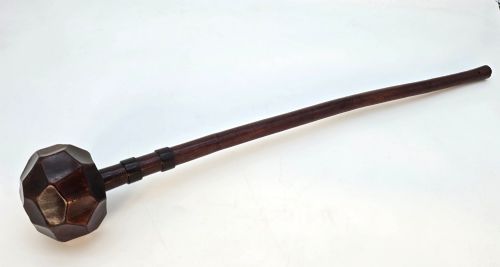
- Knobkerrie
- A traditional southern African club featuring a heavy rounded knob at the end of a wooden shaft, used for both hunting and combat. Zulu examples often showcase dense hardwood and smooth patination.
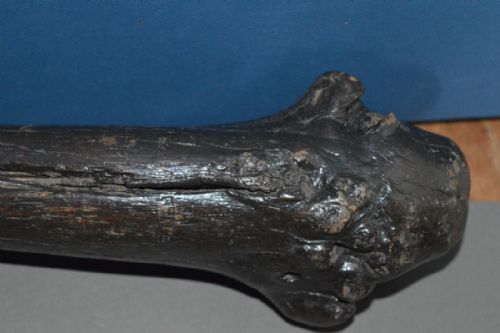
- Patina
- The surface sheen and colour depth acquired by wood through age, handling, and environmental exposure over decades or centuries. A dark patina often indicates considerable historic use.
- Canoe prow carving
- A sculptural wooden element attached to the front of a watercraft, frequently depicting animal or ancestral motifs. Sepik River examples showcase intricate Oceanic craftsmanship.
- Ethnographic art
- Cultural artefacts created by indigenous peoples, encompassing utilitarian items, ritual sculptures, and ceremonial masks. These pieces reflect the societal traditions of their makers.
Tribal Wooden Head Carving: Frequently Asked Questions
What is a tribal wooden head carving?
A tribal wooden head carving is a historic sculpture, mask, or ritual object originating from indigenous cultures in Africa, Oceania, and Asia.
These works range from reliquary guardian figures to ceremonial helmet masks, all fashioned from indigenous hardwoods.
How do I identify the age of a carving?
Age is determined by examining the wood type, tool marks, style, and the depth of the natural patina accumulated over time.
Historic pieces from the eighteenth and nineteenth centuries display organic wear patterns distinct from modern reproductions.
Where did these wooden carvings originate?
The pieces originate from diverse global regions including Central and West Africa, the Pacific Islands, and Indonesia.
Specific cultural groups such as the Fang, Zulu, Kanak, and Sepik river communities produced distinct regional art forms.
How should I care for antique wood?
Antique wood requires stable indoor humidity and protection from direct sunlight to prevent cracking or fading.
Avoiding harsh cleaning products preserves the historic surface patina and any original paint or natural fibre elements.