





Dark Wood Sculpture Head
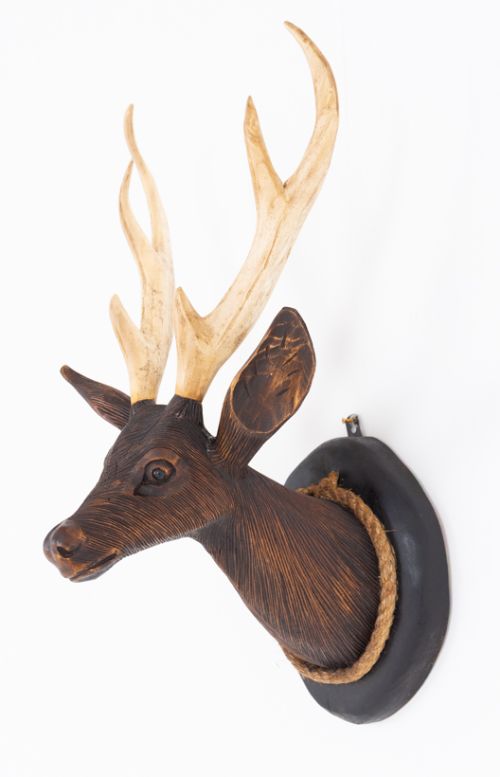
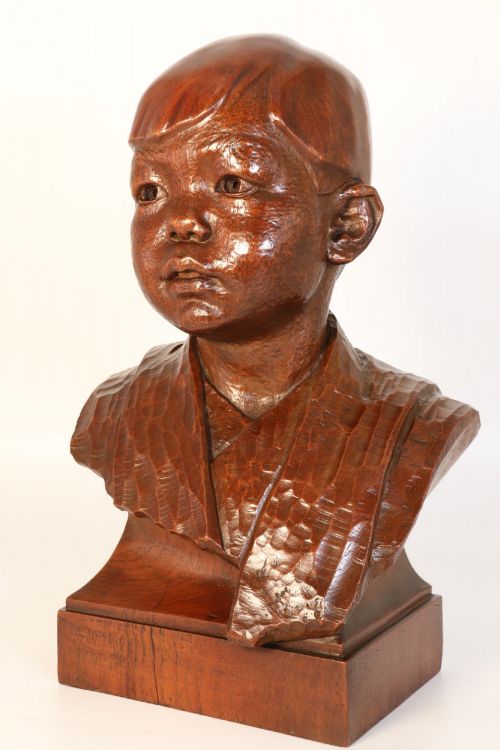
These dark wood sculpture head pieces range from tribal reliquary guardians to Black Forest animals, offering characterful focal points for a room.
Dark Wood Sculpture Head
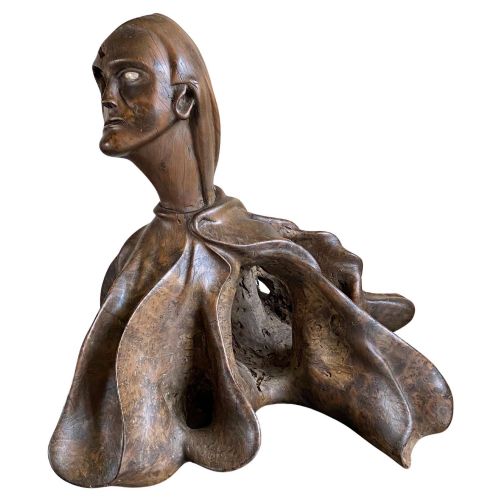
When you search for dark wood sculpture head, you encounter a diverse group of carved wooden busts, wall masks, and animal carvings spanning multiple centuries. These objects include European architectural fragments, religious figures, and African tribal art forms such as reliquary guardian heads and masks.
The versions you are most likely to meet on this page range from nineteenth-century Black Forest carved animal heads and walnut lions to earlier baroque oak cherubs and folk art human forms. Materials span walnut, oak, hardwood, and yew burr, reflecting both European craftsmanship and global traditions.
How they were made
Carvers shaped these pieces using hand gouges and chisels on dense timbers such as walnut, oak, and assorted hardwoods. The natural grain and figure of woods like yew burr were often exploited to add texture and depth to the carved surface.
Finishes vary from patinated bare wood to wax polish that highlights the tool marks and intricate details left by the maker. Structural elements sometimes incorporate additional materials like rope depending on the specific object type and origin.
Dark Wood Sculpture Head Retail Price Guide 2026
Typical asking prices for dark wood sculpture head among the pieces listed under this phrase on Sellingantiques today, from the lower quarter to the upper quarter. They describe what is for sale here now, not the wider market.
Several animals gaze out from the collection with intense expressions, including loyal dogs, fierce tigers, and watchful lions carved from solid walnut.
What varies in quality
The distinction between ordinary and exceptional pieces lies in the anatomical precision and expressive depth achieved by the carver. Masterpieces display confident, fluid handling of hair, muscle, and facial expression that brings the carved subject to life.
Condition and originality also dictate the standing of a piece, with undisturbed patination and minimal modern intervention commanding greater regard. The clarity of regional style markers, whether in Black Forest animal studies or African tribal forms, further separates routine items from significant works.
George Henry Paulin RBS·Boudewijn Tuerlinckx
The Dark Wood Sculpture Head Glossary
- Byeri reliquary guardian head
- A sculptural figure placed above a cylindrical box containing ancestral relics in the Fang tradition of Gabon. These carvings served to protect the sacred contents from unauthorized view.
- Black Forest style
- A distinctive genre of wood carving originating in Brienz, Switzerland, famous for realistic depictions of animals and foliage. Walnut and lime wood were frequently utilised for these highly detailed sculptures.
- Yew burr
- A growth on yew trees producing a highly figured, swirling wood grain prized by turners and carvers. Objects fashioned from this material possess unique, organic patterns.
- Architectural salvage
- Elements rescued from buildings scheduled for demolition or alteration, including carved wooden brackets and wall masks. These pieces retain the marks of their original structural context.
- Baroque period
- An artistic style prevalent from the seventeenth to mid-eighteenth century characterised by dynamic movement and theatrical emotion. Oak carvings from this era often feature exuberant scrollwork and dramatic facial expressions.
Dark Wood Sculpture Head: Frequently Asked Questions
How do I date a wooden sculpture head?
Dating relies on tool marks, timber choice, and stylistic conventions associated with specific periods like the eighteenth or nineteenth century. Examining the backing, fixings, and degree of wear helps confirm the age of the carving.
Comparison with documented examples from regional traditions or known makers provides further chronological context.
What is Black Forest carving?
Black Forest carving refers to nineteenth-century wooden sculptures, often depicting animals such as bears, dogs, and stags, produced primarily in Switzerland. These items are noted for their naturalistic detail and rich walnut finishes.
They functioned as decorative objects, tobacco boxes, or functional furnishings.
How do I clean an antique wood sculpture?
Dusting gently with a soft, dry cloth is usually sufficient for routine maintenance of antique wood surfaces. Avoid using water, household cleaners, or modern polishes that can damage the historic wax or patination.
Consult a professional restorer if the piece requires deeper cleaning or stabilisation.