






Vintage Carved Timber Bust
These vintage carved timber bust pieces bring character and presence to a room, ranging from folk art figures to library bookends.
Vintage Carved Timber Bust
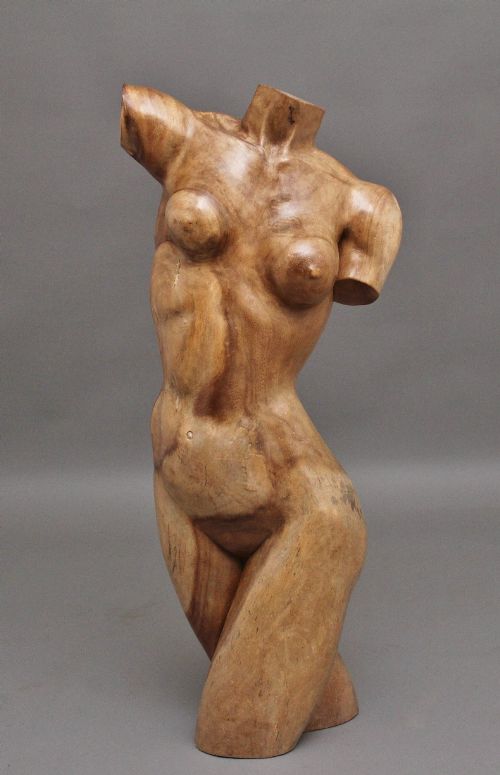
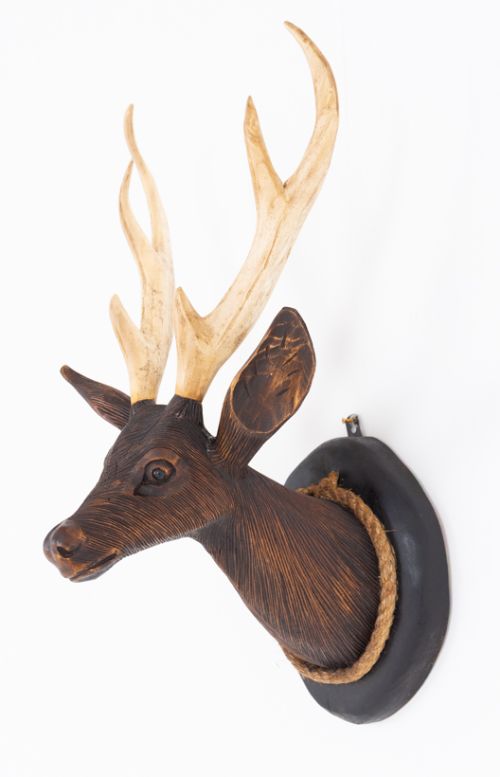
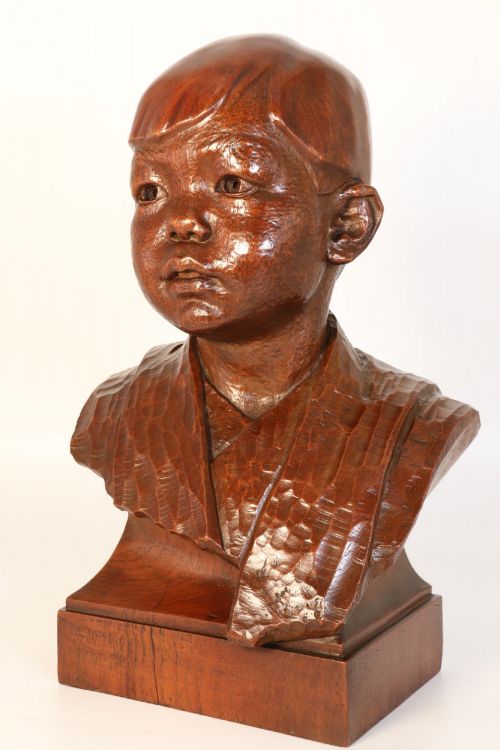
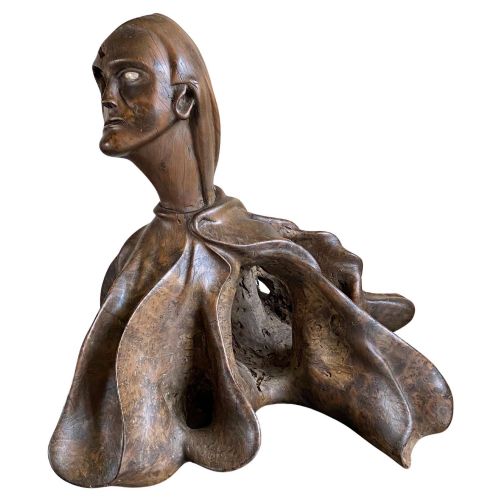
A vintage carved timber bust brings sculptural presence to a room through diverse forms. These pieces include life size torsos, human forms, stags heads, and milliners heads.
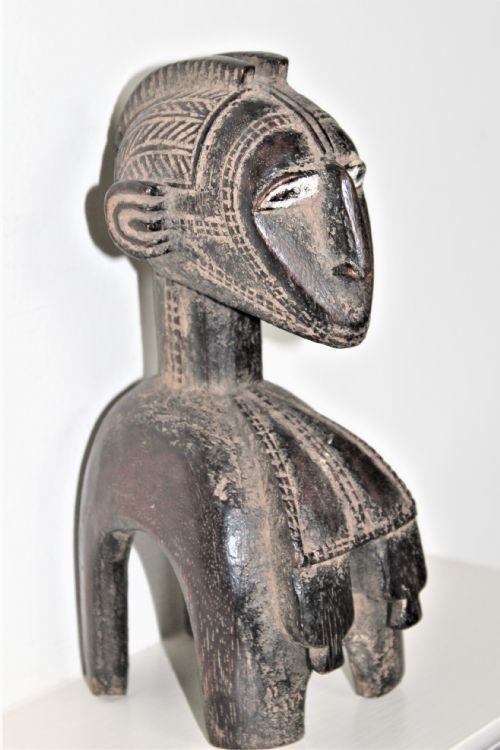
The selections span the Victorian period through to the early twentieth century. Objects range from folk art and tribal art to Black Forest style and Art Deco pieces.
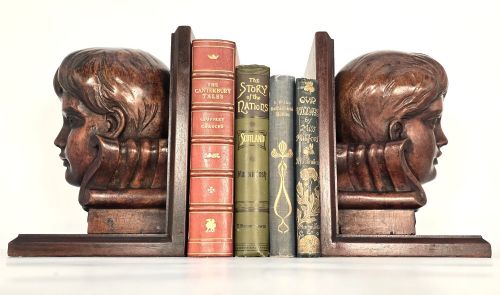
Buyers encounter sculptures designed as standalone displays, library bookends, and wall plaques. Origins stretch across British, European, African, and South American traditions.
How They Were Made
Carvers shaped these works from dense woods including mahogany, walnut, yew burr, and hardwood. Some examples incorporate bone inlay or applied rope details to enhance the surface texture.
Makers utilised hand carving techniques suited to the material, from smooth classical rendering to expressive folk art shaping. Certain pieces retain original pigments and surface patinas developed over decades of handling.
Vintage Carved Timber Bust Retail Price Guide 2026
Typical asking prices for vintage carved timber bust among the pieces listed under this phrase on Sellingantiques today, from the lower quarter to the upper quarter. They describe what is for sale here now, not the wider market.
Materials recorded in these listings include mahogany, walnut, yew burr, hardwood, bone inlay, and rope.
What Varies in Quality
The strength of the carving distinguishes the finest examples from simpler work. Anatomy, expression, and proportion show the confidence of the hand behind the tool.
Material selection alters the visual weight and depth of the piece. Dense timbers with rich grain patterns and well maintained original surfaces hold greater visual interest.
George Henry Paulin·V Ramirez
The Vintage Carved Timber Bust Glossary
- Patina
- The surface sheen and colour acquired by wood through age and handling. A rich patina shows decades of exposure and touch.
- Yew burr
- A growth on yew trees producing highly figured, swirling wood grain. Sculptors use this timber for dramatic texture.
- Black Forest style
- Carved wooden items originating from the Central European region known for animal and forest motifs. These pieces often depict stags and natural subjects.
- Folk art
- Objects created by self-taught or traditional makers outside academic artistic circles. These works prioritise direct expression over classical rules.
- Torchiere
- A tall stand or pedestal designed to support a light or sculpture. They lift display pieces to eye level.
Vintage Carved Timber Bust: Frequently Asked Questions
Where do I place a bust?
These sculptures suit tabletops, mantels, and dedicated stands where they can be viewed from multiple angles. Larger pieces sit well on pedestals or function as heavy bookends.
Keep wooden carvings away from direct heat sources and strong sunlight to protect the timber and original surface finishes.
How do I clean carved wood?
Dust the surface gently with a dry, soft cloth to remove everyday particles. Avoid using water, oils, or modern polishes that can damage old patinas.
Wax can be applied very sparingly if the timber appears dry, following the direction of the grain.
How do I date a carving?
Examine the tool marks, timber choice, and style of the piece alongside any signatures or labels. Victorian and early twentieth century works often reflect the prevailing design movements of their decade.
Wear patterns around handling areas and the natural ageing of the wood provide further clues to age.
What is folk art sculpture?
Folk art sculpture is created by makers working within regional traditions rather than formal academic studios. These pieces often display uninhibited proportions and direct carving methods.
Such works derive their appeal from the individuality of the maker's vision.