



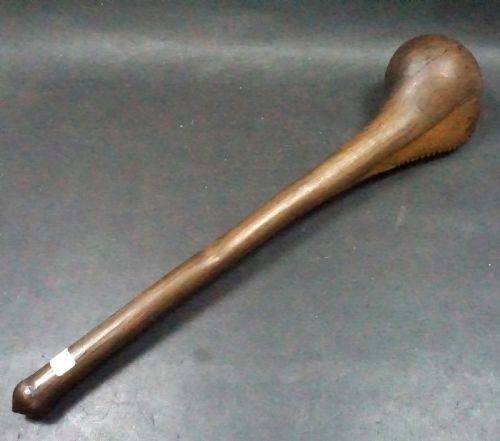


Indigenous Tribal Wood Carving
These indigenous tribal wood carving pieces bring raw, utilitarian craft from the nineteenth and early twentieth centuries straight into a modern interior.
Indigenous Tribal Wood Carving
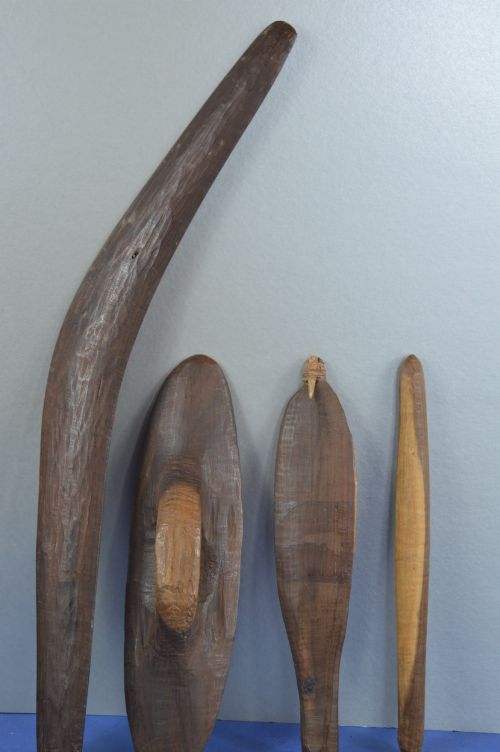
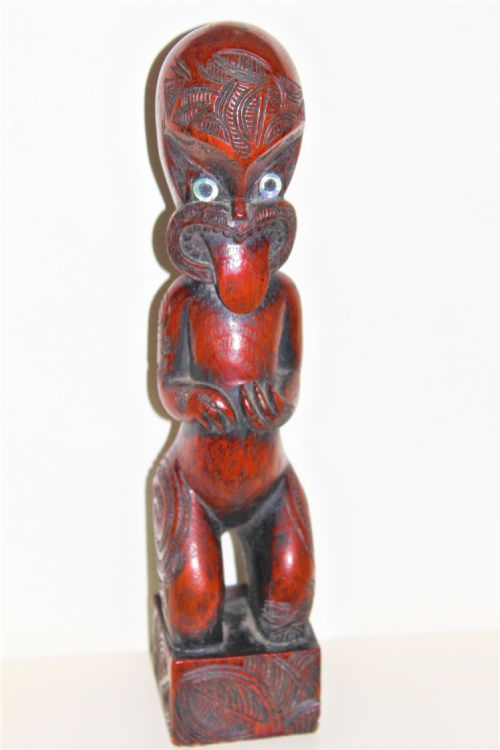
When you search for indigenous tribal wood carving, you are looking at functional objects and sculptural works shaped by makers across Africa, Oceania, the Arctic, and Australia. These pieces encompass weapons, vessels, figures, and hunting sets rooted in specific cultural traditions.
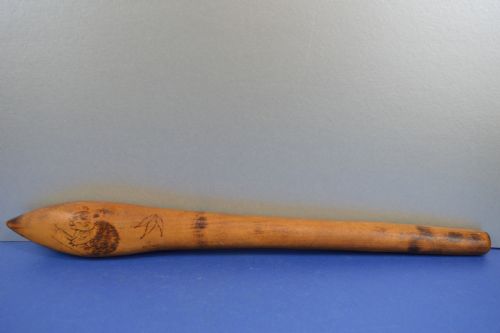
On this page, you are most likely to meet hardwood clubs, figures, and bowls originating from nineteenth and early twentieth-century periods. The selection spans Australian Aboriginal throwing clubs, Oceanic war clubs, and African fertility figures.
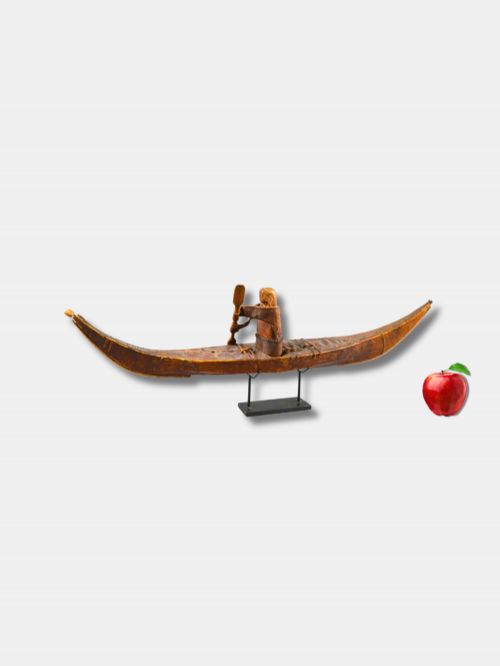
Every item carries the distinct marks of its regional origin, whether that is the dense grain of an African hardwood figure or the intricate construction of an Inuit kayak sculpture utilising bone and tanned seal skin.
Materials and Construction
The makers relied primarily on dense local hardwoods, shaping and smoothing the timber with hand tools to produce durable implements and figures. These wooden forms are frequently enhanced with organic additions such as bone, natural resin, plant fibre, and tanned seal skin.
Construction techniques vary according to regional utility, combining carved solid wood with lashed or fitted elements like the plant fibre bindings found on ethnographic artefacts. The juxtaposition of wood with bone and skin demonstrates a pragmatic approach to available resources.
Indigenous Tribal Wood Carving Retail Price Guide 2026
Typical asking prices for indigenous tribal wood carving among the pieces listed under this phrase on Sellingantiques today, from the lower quarter to the upper quarter. They describe what is for sale here now, not the wider market.
The listings span the nineteenth century up to 1930, featuring natural resin, bone, and tanned seal skin alongside dense hardwoods.
Assessing Quality and Execution
Quality in these works is defined by the confidence of the carving and the integrity of the original surface patina. A piece shaped with assured handling of dense hardwood displays a direct connection between the maker and the utilitarian function of the object.
Condition and completeness also separate examples, particularly where mixed media like plant fibre, bone, or tanned seal skin remain intact. The clarity of regional form and the retention of age-earned wear distinguish the finer items in the range.
Master carver Abegunde of Ede
The Indigenous Tribal Wood Carving Glossary
- Nulla-nulla
- An Australian Aboriginal wooden club or throwing stick used for hunting and combat. These heavy implements showcase traditional hardwood shaping.
- Knobkerrie
- A traditional Southern African wooden club featuring a heavy knob at one end. This form served as both a weapon and a utilitarian tool.
- Patina
- The surface sheen and coloration developed through handling, age, and use over decades. It serves as a visual indicator of a piece's history.
Indigenous Tribal Wood Carving: Frequently Asked Questions
What defines an indigenous tribal wood carving?
These pieces are hand-carved utilitarian, ritual, or sculptural objects made by indigenous communities worldwide, primarily utilising local hardwoods, bone, and natural fibres.
They reflect the specific cultural practices, artistic traditions, and daily requirements of the regions from which they originate.
How were tribal clubs used originally?
Weapons such as nulla-nullas, knobkerries, and paddle clubs served practical roles in hunting, tribal defence, and ceremonial displays of status.
Their dense hardwood construction made them effective implements in the field as well as significant cultural markers.
How should I display these carvings at home?
These sculptural objects pair well with minimalist interiors where their raw textures and dark timber tones can stand out clearly.
Stable placement away from direct heat sources ensures that mixed media elements like bone, resin, and seal skin remain preserved.
How can I tell the period of a carving?
Dating relies on identifying the specific tool marks, regional styles, and material combinations associated with nineteenth and early twentieth-century production.
Examine the natural wear and patina to understand how long the wood and secondary materials have aged.