

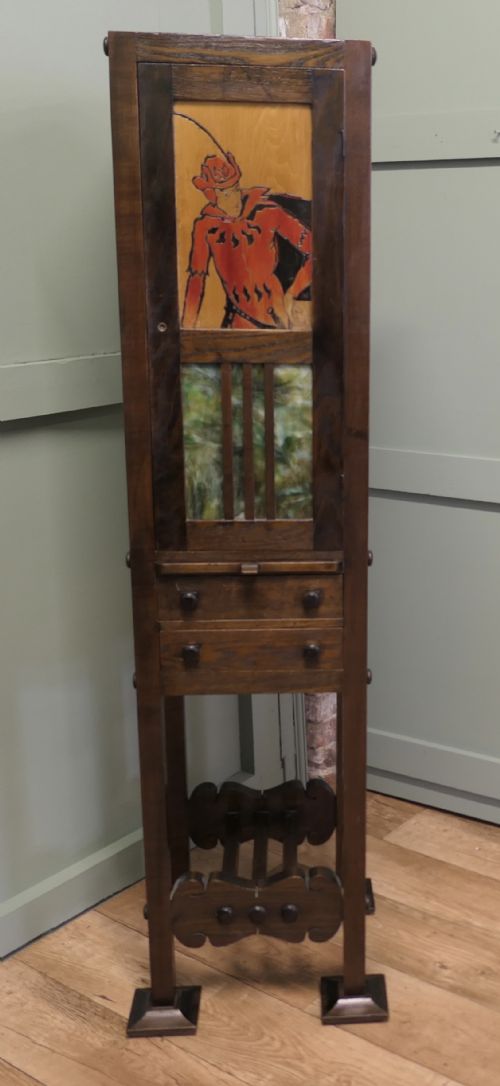
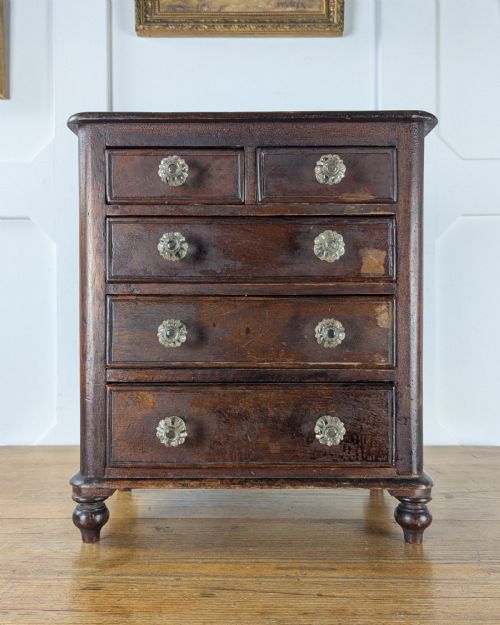

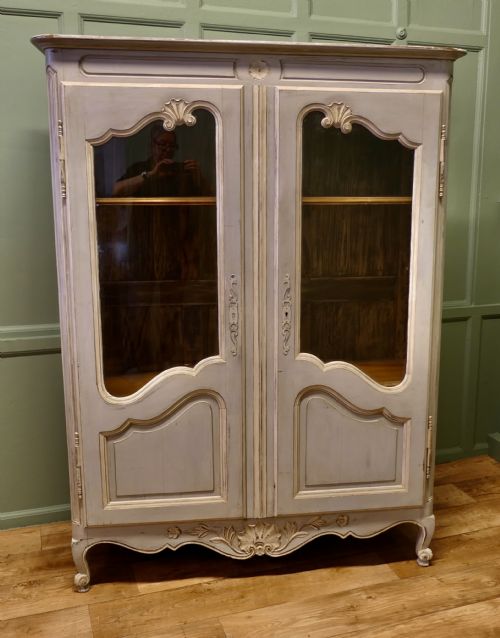
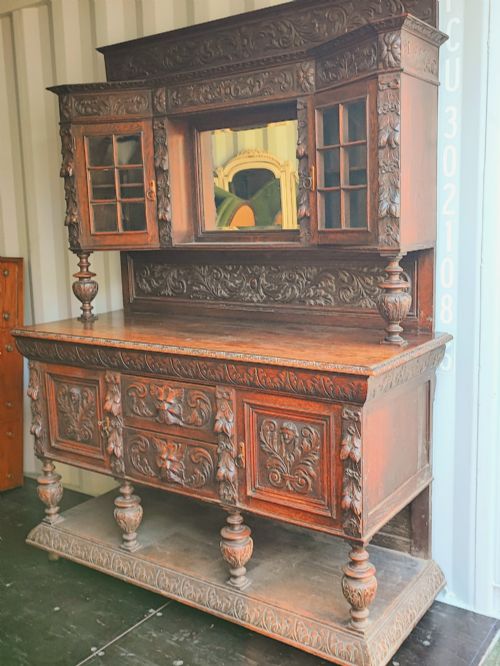
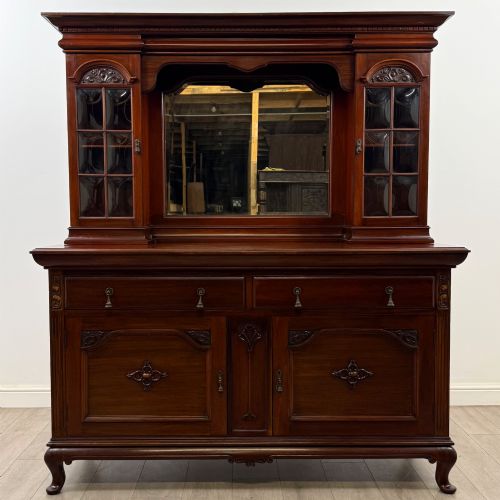


Antique Wooden Glass Cupboard
An antique wooden glass cupboard brings warmth and visibility to a room, storing treasured possessions safely behind glazed doors.
Antique Wooden Glass Cupboard
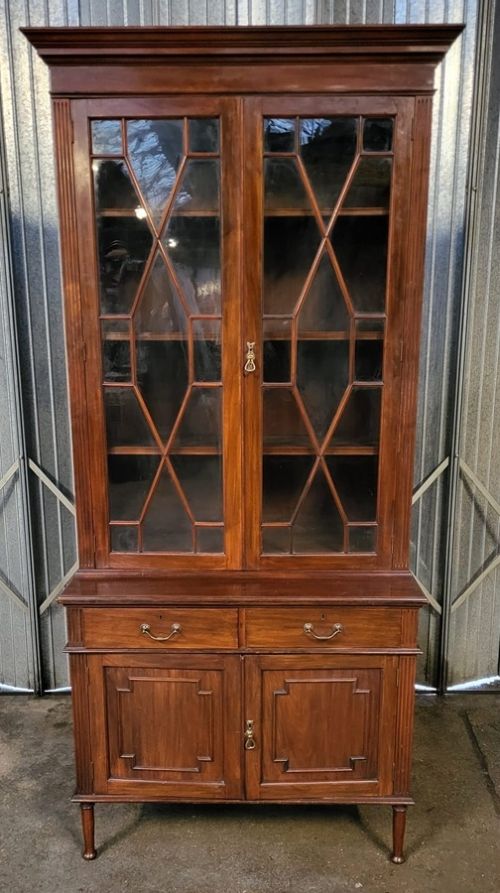
When searching for an antique wooden glass cupboard, buyers encounter a diverse selection of furniture designed for display and storage. The pieces available range from compact tabletop vitrines and wall-mounted units to large breakfront bookcases and corner cabinets.
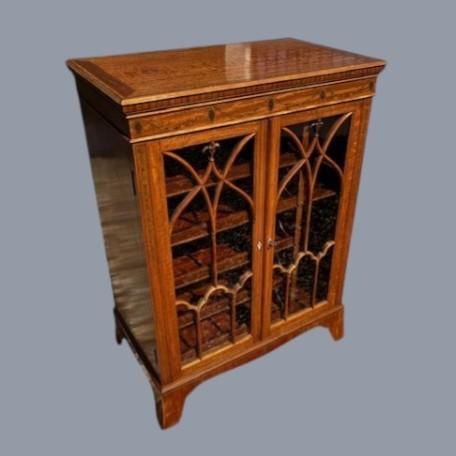
The nineteenth century and Edwardian eras dominate the selection, bringing substantial mahogany, walnut, and oak forms into domestic spaces. Alongside these, specific expressions such as Sheraton Revival and Arts and Crafts pieces appear regularly.
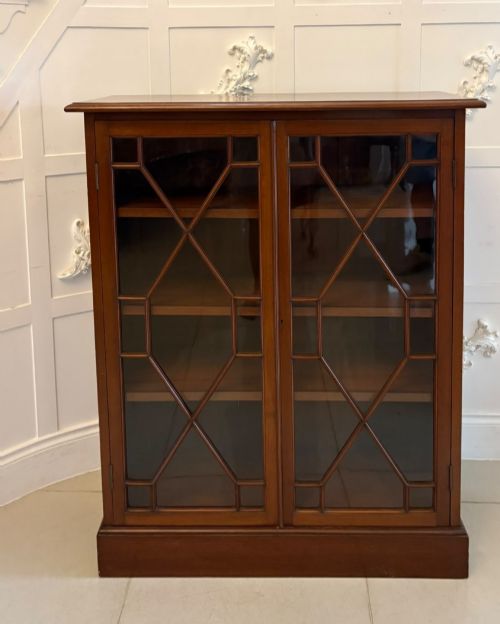
Most examples function as bookcases, display cabinets, or collector cabinets, uniting timber frames with transparent glazing to exhibit books and curiosities. Buyers are most likely to meet mahogany and oak constructions dating from the Victorian and Edwardian periods.
Materials and construction methods
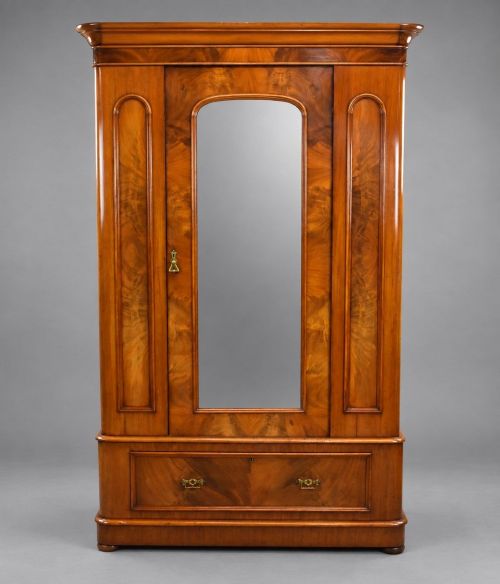
Makers relied primarily on timbers such as mahogany, oak, walnut, and satinwood to build the structural carcasses of these cabinets. Cabinetmakers often incorporated brass fittings, mirror plates, and delicate inlay work to enhance the visual appeal of the timber.
Glazing techniques allowed large panes of glass to be secured within wooden framing, creating clear panels for viewing the contents. Carving, painted finishes, and marquetry surface details frequently decorated the exterior surfaces of finer pieces.
Antique Wooden Glass Cupboard Retail Price Guide 2026
Typical asking prices for wooden glass cupboard among the pieces listed under this phrase on Sellingantiques today, from the lower quarter to the upper quarter. They describe what is for sale here now, not the wider market.
Listings feature woods such as mahogany, oak, walnut, and satinwood across Victorian, Edwardian, and earlier nineteenth-century periods.
Assessing quality in construction and design
Quality reveals itself in the selection of timber figures, the precision of joinery, and the refinement of decorative inlays like satinwood and marquetry. Superior pieces exhibit harmonious proportions and careful attention to secondary timbers used in internal shelving and drawer linings.
The integration of glazing bars, the execution of carved elements, and the retention of original hardware such as brass locks and keys distinguish better examples from simpler utilitarian cupboards.
Warings
The Antique Wooden Glass Cupboard Glossary
- Vitrine
- A glass-panelled cabinet designed specifically for displaying fine objects or porcelain. These display pieces often feature glazed sides and doors to maximise light penetration.
- Breakfront
- A large cabinet design where the central section projects forward from the flanking wings. This architectural arrangement creates depth and visual rhythm across the facade.
- Marquetry
- Decorative veneer patterns formed by fitting together pieces of various coloured woods and other materials. Craftsmen used this technique to create elaborate floral or geometric pictorial designs on cabinet doors.
- Sheraton Revival
- A late nineteenth and early twentieth-century style inspired by the neoclassical furniture designs of Thomas Sheraton. Pieces in this style typically display elegant tapered legs, satinwood, and subtle inlay work.
- Corner Cabinet
- A specialised storage unit constructed with a triangular footprint to fit snugly into the corner of a room. These cupboards efficiently utilise awkward spaces while providing display room.
Antique Wooden Glass Cupboard: Frequently Asked Questions
What is the difference between a vitrine and a bookcase?
A vitrine is primarily built for displaying decorative objects, featuring glass panels on the sides as well as the doors to let light reach the interior from multiple angles. Bookcases focus on housing volumes and typically feature wooden sides with a glazed door restricted to the front facade.
While both share glazed wooden construction, their internal arrangements reflect their distinct purposes for display versus library storage.
How do I date an Edwardian display cabinet?
Edwardian cabinets, produced roughly between 1901 and 1910, often incorporate Sheraton Revival influences such as satinwood inlay, bellflower motifs, and lighter mahogany frames. Construction methods from this era also show machine-assisted precision alongside traditional hand-finishing.
Comparing the hardware, secondary woods, and decorative styles against known period pieces helps confirm the manufacturing decade.
Where should I place a corner cabinet?
Corner cabinets are designed to fit directly into the ninety-degree angle of a room, making them an excellent choice for dining rooms or parlours with limited wall space. Their triangular footprint allows them to utilise dead space while offering functional storage.
Positioning them away from direct sunlight protects the timber and any displayed items from fading.
How do I care for antique wood and glass?
Maintain antique wooden surfaces by dusting regularly with a soft cloth and occasionally applying a traditional beeswax polish to nourish the timber. Avoid placing cabinets near direct heat sources or in damp environments to prevent the wood from warping and the joints from failing.
Clean the glass panes gently with a mild solution, taking care not to let moisture seep into the wooden frames or antique mirror backs.