


Antique Wooden Games Set
An antique wooden games set brings Victorian and Edwardian parlour entertainment straight to the table or lawn in solid wood and bone.
Antique Wooden Games Set
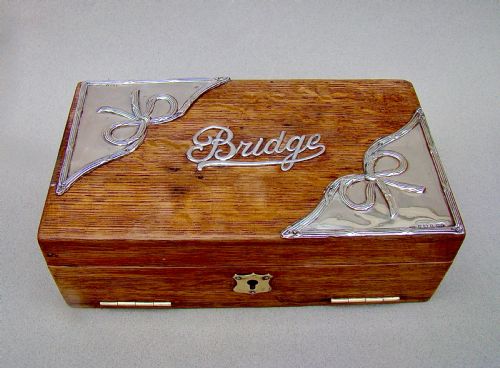
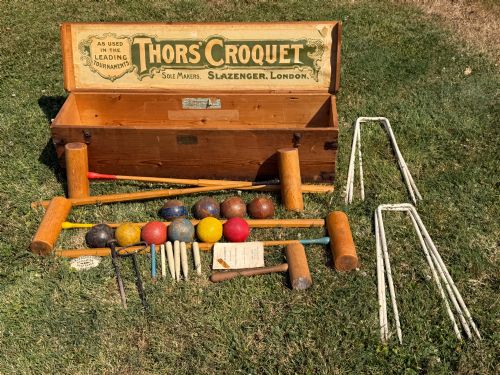
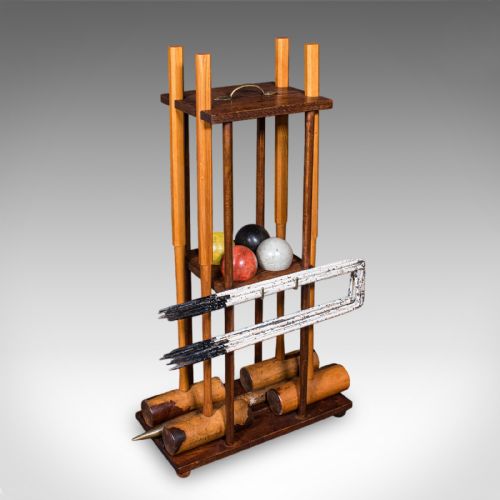
An antique wooden games set spans everything from folding travel chess boards and cribbage cribs to lawn croquet sets housed in fitted pine or mahogany boxes. Most examples appearing here date from the nineteenth century through to the Edwardian period, often incorporating fitted internal compartments for pieces.
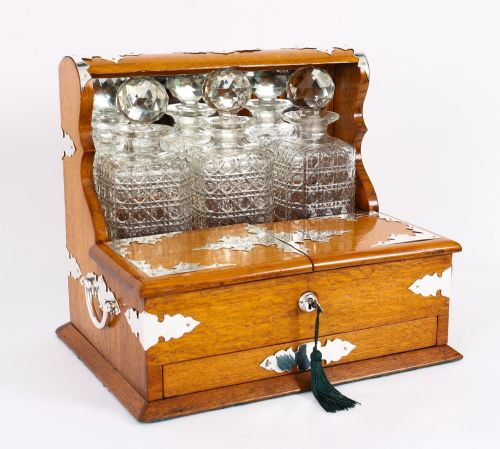
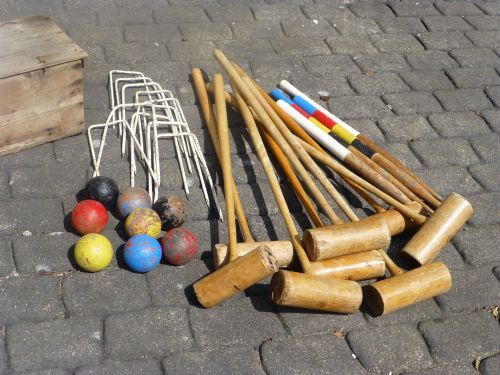
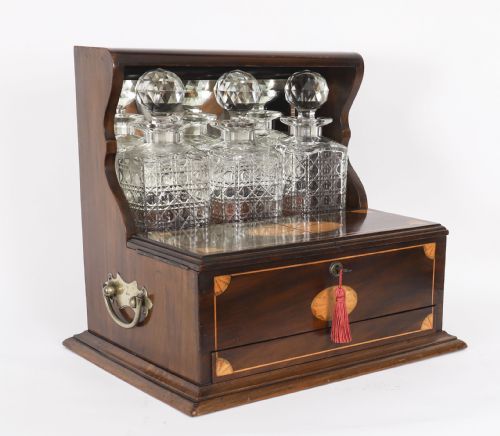
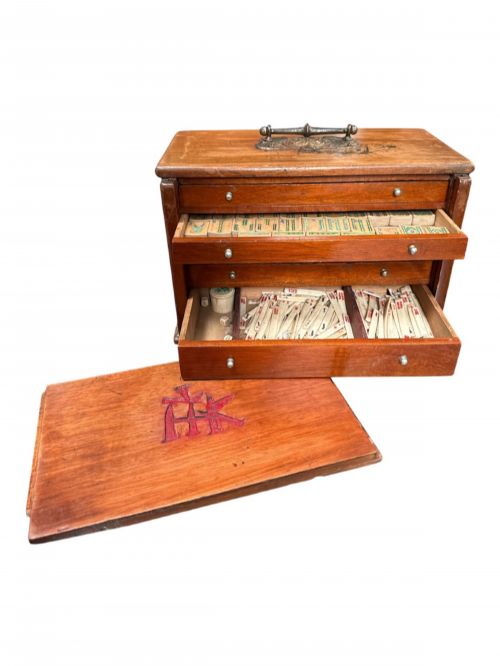
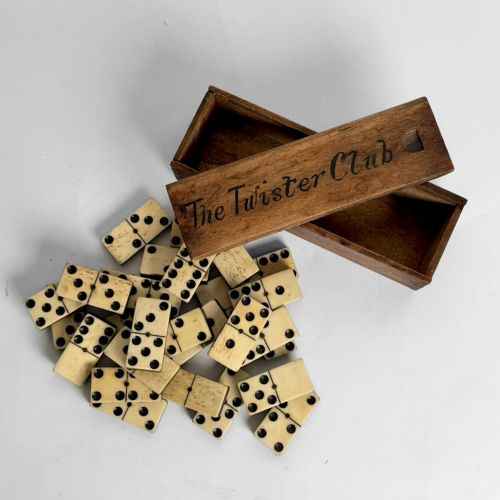
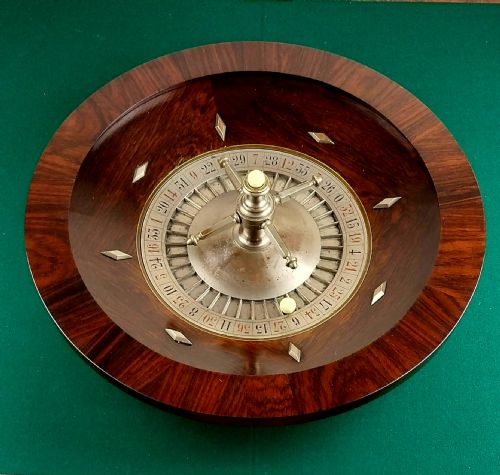
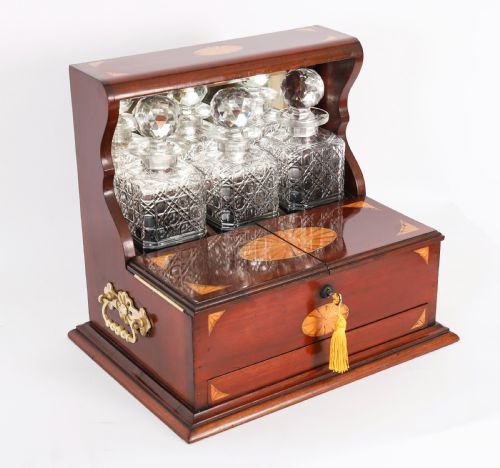
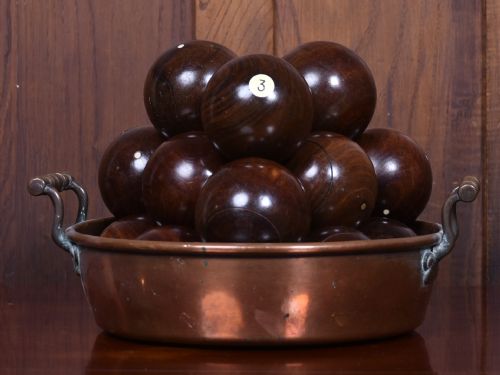
The assortment includes specialised boxes for dominos, roulette wheels, solitaire boards with glass marbles, and compendiums combining tantalus spirit decanters with cards and chess. Buyers encounter both indoor parlour pastimes and outdoor garden equipment such as bowls and croquet sets bearing maker stamps.
How They Were Made
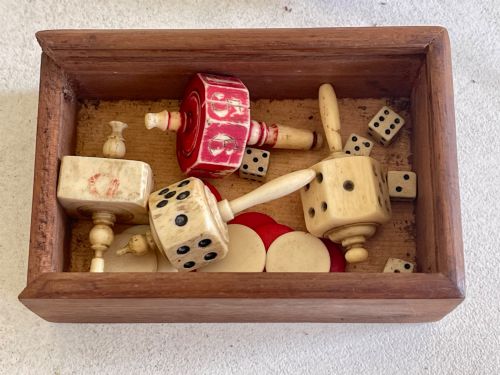
Cabinet makers utilised dense hardwoods like mahogany, rosewood, and golden oak for outer cases, frequently adding satinwood inlay or brass mounts. Internal components and playing pieces rely on boxwood, ebony, pine, and carved bone.
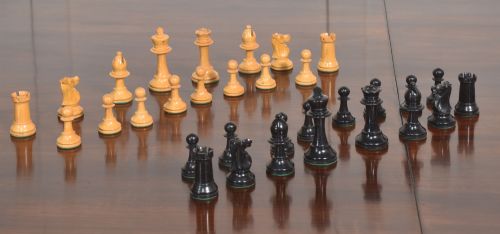
Turned elements define the chessmen, skittles, and roulette counters, whilst boxes feature dovetail joints and brass hinges designed to withstand regular domestic travel and storage.
Listings feature outdoor lawn games alongside indoor parlour pastimes, with materials ranging from carved bone and boxwood to solid mahogany.
What Varies in Quality
Quality rests upon the completeness of the original set and the presence of maker attribution stamps from firms such as Jaques or Ayres. Hand-carved Staunton pattern chess pieces and weighted designs display superior precision compared to generic factory turns.
The integrity of the housing box, original glass decanters in compendiums, and surviving sliding lids or fitted trays separate standard utilitarian examples from superior collector pieces.
Levi And Salaman·Slazenger·Aw Gamage·Gillows·British Chess Company
The Antique Wooden Games Set Glossary
- Staunton pattern
- The standard design for chess pieces introduced in the mid-nineteenth century, featuring distinct, recognizable forms with weighted bases. This style remains the benchmark for competitive play.
- Tantalus
- A locking wooden frame holding decanters to prevent unauthorized access to spirits, frequently combined with folding games boards in Victorian compendiums. The mechanism secures the stoppers until the front bar is unlocked with a key.
- Solitaire
- A single-player board game played by jumping marbles over one another until a single marble remains in the centre. Boards are typically turned from mahogany or other dense hardwoods with circular depressions.
- Cribbage set
- A scoring board utilising small pegs to track points earned during card play. These boards feature drilled tracks and are often hinged to store the playing cards inside.
Antique Wooden Games Set: Frequently Asked Questions
How do I date a wooden games box?
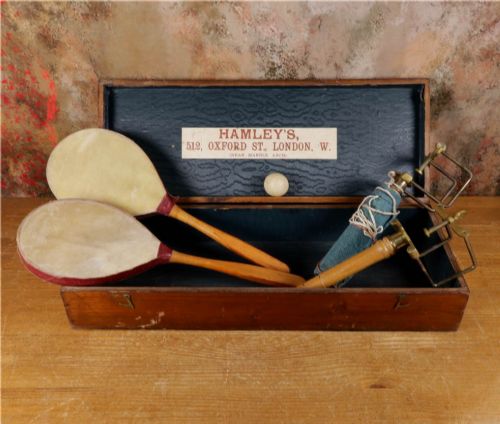
Dating relies on timber choices, brass hardware styles, and maker marks stamped directly into the wood or paper labels inside the lid. Mid-nineteenth century boxes often feature heavy mahogany construction and hand-cut dovetails.
Later Edwardian versions frequently incorporate machine-cut joints and factory branding from established sporting goods manufacturers. Comparing the hinge types and interior velvet linings against documented periods helps narrow the production year.
What is a games compendium?
A games compendium is a multi-game cabinet or box containing equipment for several pastimes, such as chess, draughts, backgammon, and cards, all housed in one fitted wooden case. These boxes were designed for upper-class Victorian and Edwardian households to entertain guests in the drawing room.
Some elaborate examples also include spirit decanters and glassware, functioning simultaneously as a portable bar and a recreation centre.
How should I care for antique wood and bone sets?
Keep wooden boxes and playing pieces away from direct sunlight and radiators to prevent the timber from warping or splitting. Apply a microcrystalline wax sparingly to nourish the polished surfaces without building up sticky residue.
Bone pieces require stable humidity levels to avoid drying out and becoming brittle over time. Store all components in dry, temperate conditions inside their original fitted compartments.
Are replacement pieces acceptable in old sets?
Replacement pieces can complete a functional set for play, though matching the exact timber species, patina, and turning style requires patience. Original sets retain higher collector interest when all pieces share identical wear and matching wood grains.
If substitutes are necessary, selecting period-appropriate hand-turned boxwood or bone ensures the set maintains its visual harmony during use.