


Antique Wooden Drops
These antique wooden drops are folding tables and wall dials spanning centuries of craftsmanship, offering practical charm for modern interiors.
Antique Wooden Drops
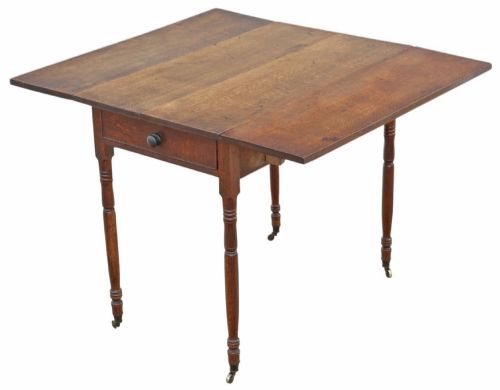
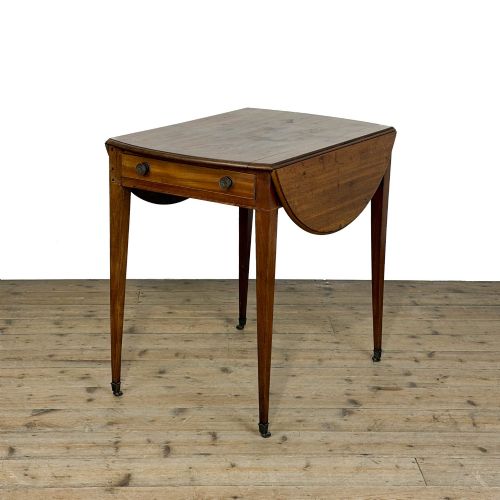
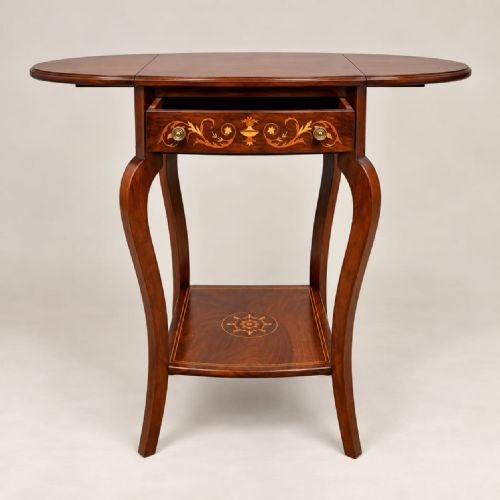
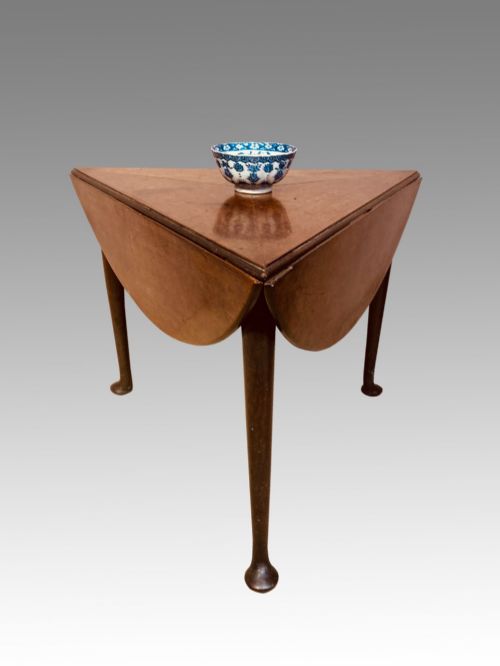
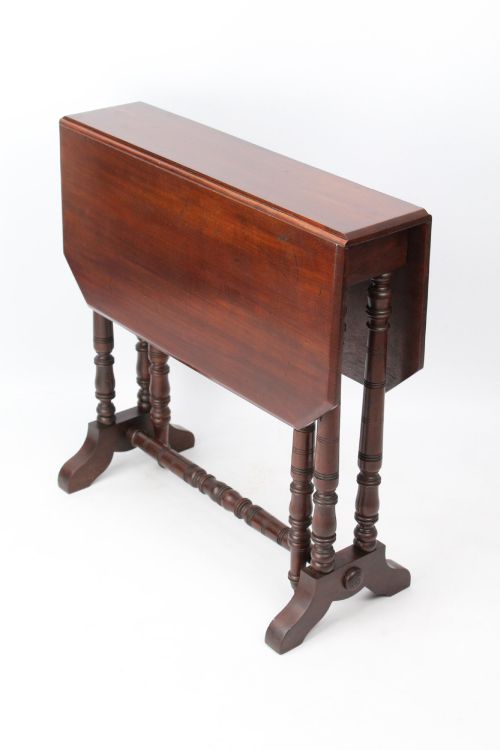
When searching for antique wooden drops, buyers encounter versatile folding tables and wall clocks spanning the eighteenth and nineteenth centuries. The selection on this page primarily comprises drop-leaf dining and occasional tables, including Pembroke and Sutherland designs.
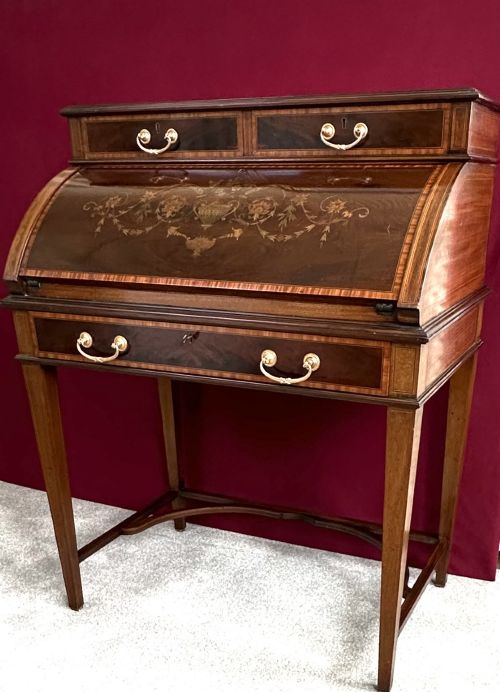
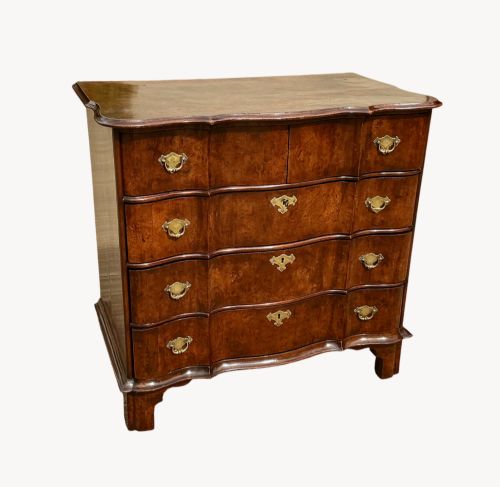
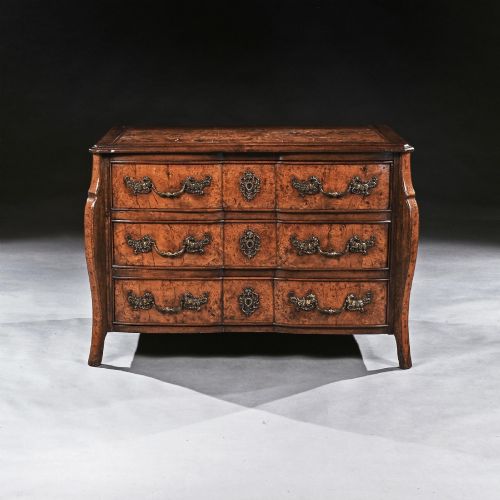
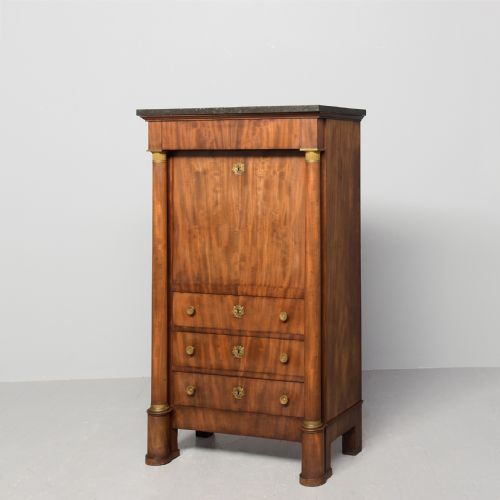
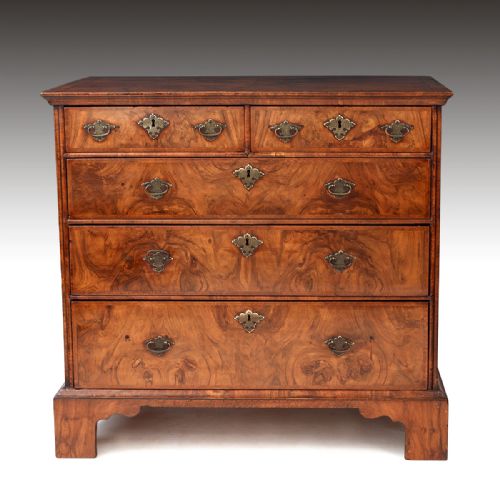
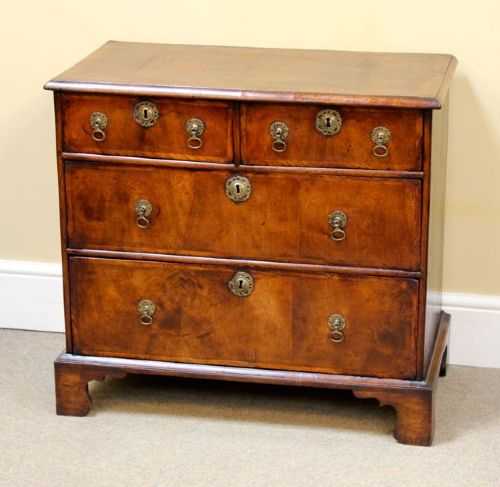
The inventory also covers functional household forms such as chests of drawers, bureaus, and dial wall clocks. Examples originate across British, French, and American traditions from the Georgian, Victorian, and Edwardian periods.
How they were made
Cabinetmakers utilised dense timbers such as mahogany, oak, walnut, and rosewood, frequently selecting figured veneers for visual depth. Brass hinges and inlays provide structural support and surface ornamentation on folding leaves and dial surrounds.
Joinery techniques focus on mobility and daily endurance, utilising gateleg mechanisms, drop flaps, and folding brackets. Timber surfaces receive traditional finishes that highlight natural grain patterns developed over centuries.
Railway waiting rooms relied on heavy fusee wall clocks to keep passengers punctual while travellers dined on nearby Pembroke tables.
What varies in quality
The grade of timber selection heavily influences the standing of a piece, particularly the depth of figure in walnut and mahogany veneers. Superior examples display careful grain matching across folding leaves and drawer fronts.
Construction precision determines longevity, evident in the smooth operation of drop-leaf hinges and folding actions. Original brass hardware and well-preserved surface patinas elevate the status of individual pieces.
ARTHUR BASIL REYNOLDS·George Clarke
The Antique Wooden Drops Glossary
- Pembroke table
- A small rectangular table with hinged leaves on either side, often fitted with a single drawer. It originated in the eighteenth century for breakfast or occasional use.
- Sutherland table
- A narrow table with exceptionally long drop leaves supported by swing legs. This form allows the piece to fold flat for compact storage against a wall.
- Gateleg table
- A table with hinged leaves supported by legs that swing outward like gates. This design provides robust support for dining surfaces when extended.
- Fusee dial clock
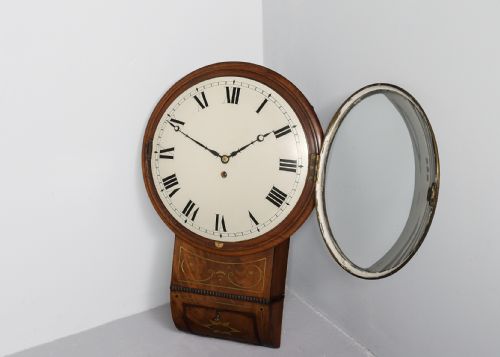
- A wall clock driven by a fusee movement, which uses a conical pulley and chain to ensure even tension as the mainspring unwinds. These dials often served in railway stations and public offices.
- Drop-leaf
- A tabletop design featuring movable flaps hinged to a fixed centre section. This configuration alters the surface area depending on functional requirements.
Antique Wooden Drops: Frequently Asked Questions
What is a Pembroke table?
A Pembroke table is a compact side or breakfast table featuring folding leaves on two opposing sides. These hinged flaps allow the surface area to expand or contract according to room requirements.
Cabinetmakers frequently equipped these pieces with a single drawer and slender legs, making them adaptable for parlour or bedroom use throughout the Georgian and Victorian eras.
How do Sutherland tables work?
Sutherland tables operate via hinged drop leaves supported by swinging legs that pivot from a central gate framework. When the leaves drop down, the entire table collapses into a very slim profile.
This clever mechanism made them popular in Victorian parlours where floor space was at a premium and furniture needed frequent rearrangement.
Where were fusee dial clocks used?
Fusee dial clocks were primarily utilised in public buildings, railway offices, and institutions requiring precise timekeeping. The fusee movement maintains consistent power delivery to the gear train.
These wall-mounted dials often feature robust mahogany or oak surrounds designed to withstand industrial environments.
How do I identify a Georgian drop-leaf table?
Georgian drop-leaf tables exhibit period-specific timber choices like solid mahogany or oak, often joined with pegged framing and hand-cut joinery. Their proportions reflect eighteenth-century domestic design.
Examining the underside reveals hand-planed surfaces and traditional hardware that distinguish them from later nineteenth-century reproductions.