




Georgian Timber Carvings
Georgian timber carvings bring substantial architectural presence and hand-chiselled character into a room.
Georgian Timber Carvings
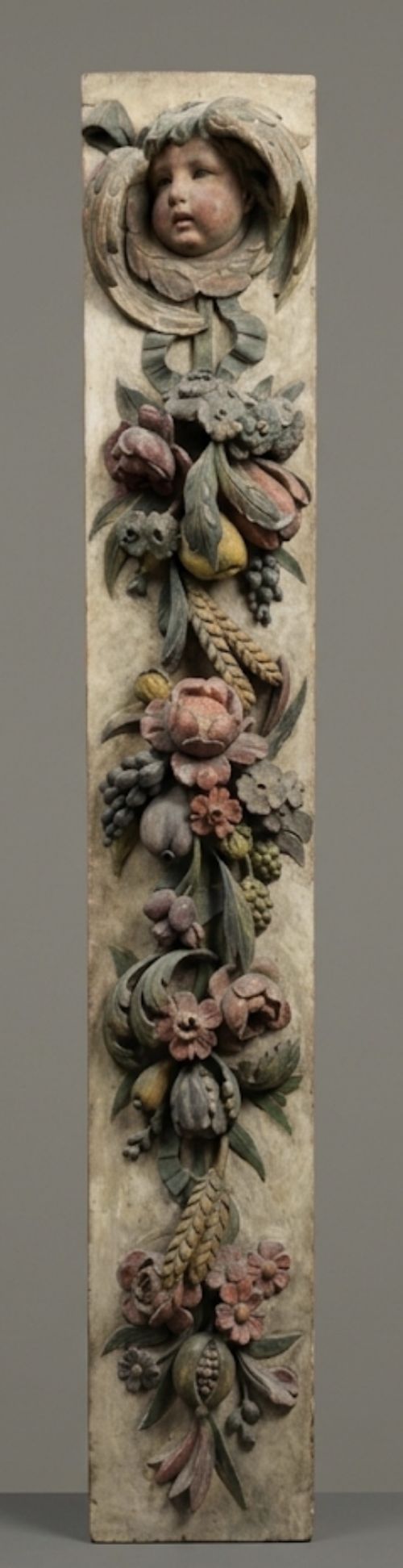
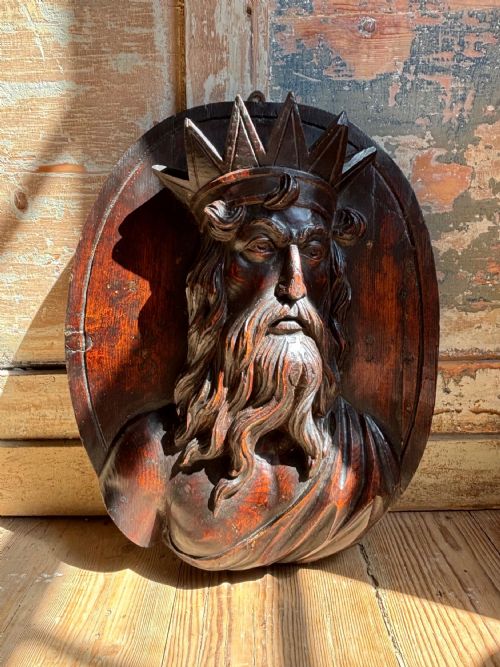
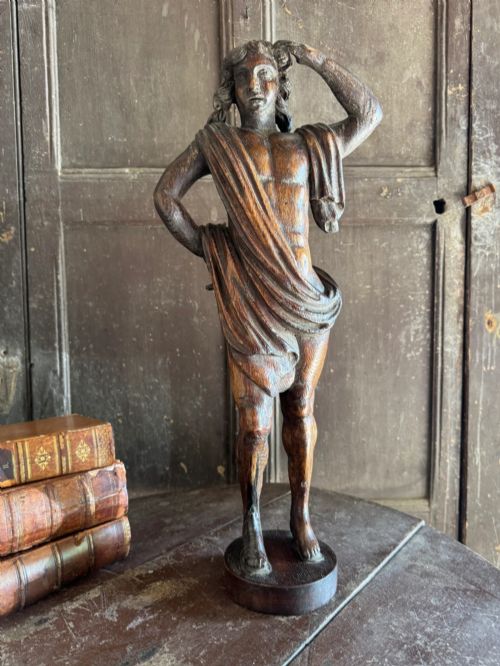
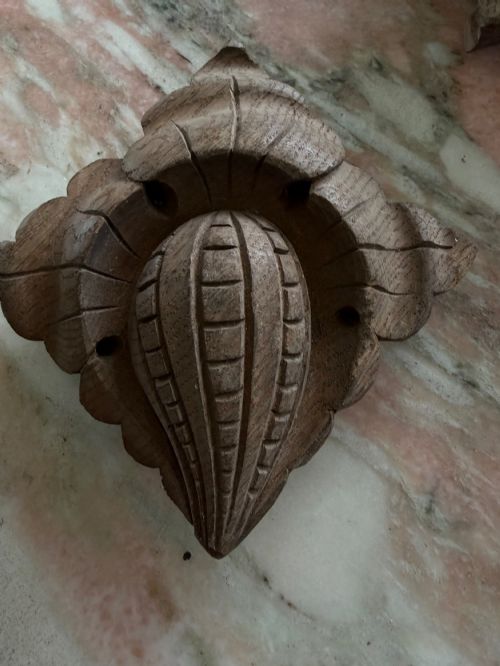
Georgian timber carvings comprise architectural salvage, wall plaques, ceiling panels, and figural sculptures rooted primarily in the eighteenth century. You encounter ceiling bosses, classical figures, and deep relief panels shaped from dense hardwoods.
The selections span architectural fragments and freestanding sculptures, capturing mythological figures, kings, queens, and folk art interpretations. Oak, walnut, and mahogany dominate the offerings, occasionally finished with polychrome paint or gilding.
Chippendale influences and classical styles appear frequently among the listings, alongside robust folk art pieces and Gothic finials. Buyers select these items to anchor a room with genuine period weight and historic texture.
What varies in quality
The choice of timber impacts the longevity and definition of the carving, with tight-grained walnut and mahogany holding sharper edges than softer woods. Surface preservation, including remnants of original polychrome or gilt layers, adds depth to the physical object.
A small wooden calf from the late eighteenth century proves that historic carvers occasionally paused to immortalise farmyard toys.
Thomas Chippendale
The Georgian Timber Carvings Glossary
- Polychrome wood
- Timber decorated in multiple colours of paint, frequently found on older panels and figures to enhance visual realism.
- Ceiling boss
- A projecting decorative block of carved wood placed at the intersection of ceiling ribs or beams.
- Giltwood
- Timber coated with a thin layer of gold leaf over a gesso base, common in decorative mirrors and appliqués.
- Architectural salvage
- Elements rescued from older buildings, including finials, panels, and fragments repurposed for interior display.
- Gesso
- A plaster-like mixture applied to wood surfaces to prepare them for gilding or painting.
Georgian Timber Carvings: Frequently Asked Questions
How do I hang a heavy carved wood panel?
Heavy wall plaques and ceiling panels require secure fixings anchored directly into wall studs or masonry to support the dense weight of historic timber.
Consult a professional restorer or installer to evaluate the back of the specific piece for appropriate load-bearing brackets.
Where were these carvings originally placed?
Many items originated as architectural elements inside grand houses, churches, or civic buildings, functioning as ceiling bosses, finials, or wall reliefs.
Other examples served as freestanding figures, furniture components, or decorative wall plaques within domestic interiors.
How do I clean historic timber carvings?
Dust the carved surfaces gently with a soft, dry brush to prevent dirt from settling deep into the recesses of the chisel marks.
Avoid using water, liquid cleaners, or household polishes, which can damage exposed historic finishes, polychrome paint, and gesso.
How can I tell eighteenth-century carvings apart?
Examine the tool marks, wood species, and stylistic cues such as classical proportions or Chippendale motifs to understand the period origin.
Oak and walnut pieces from the eighteenth century typically display hand-cut joinery and dense patination unique to their age.