






Georgian Carved Wall Panels
Georgian carved wall panels and related architectural fixtures bring remarkable historical presence and texture to interiors.
Georgian Carved Wall Panels
When you search for georgian carved wall panels, you encounter a selection spanning oak, pine, limewood, and walnut elements produced across the eighteenth and nineteenth centuries.
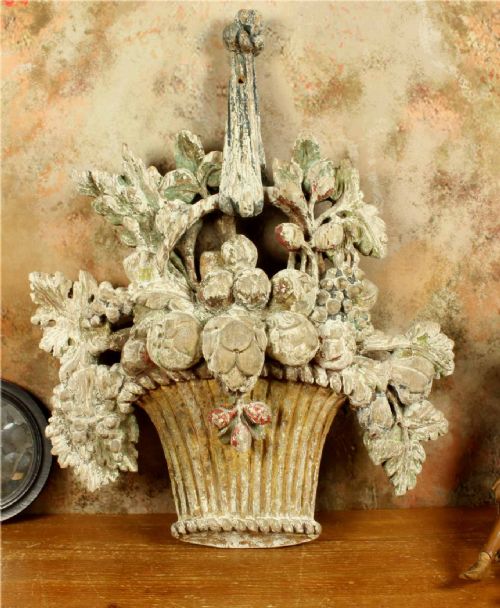
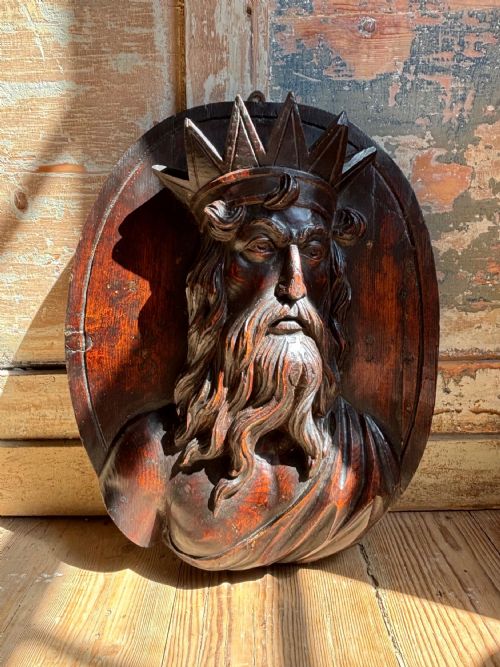
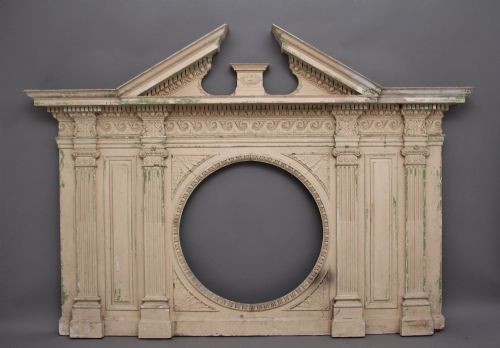
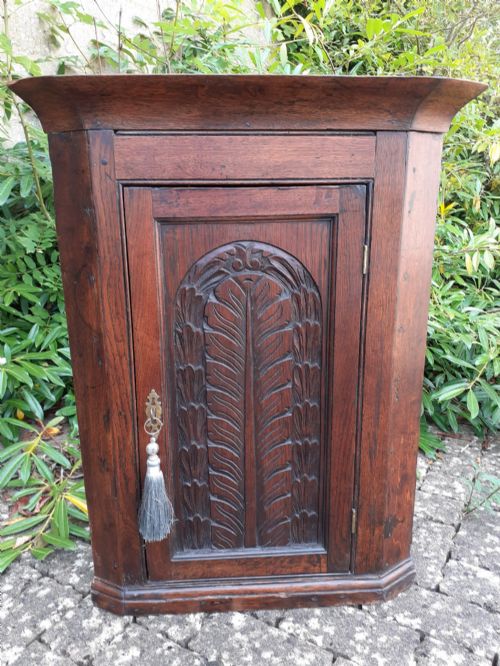
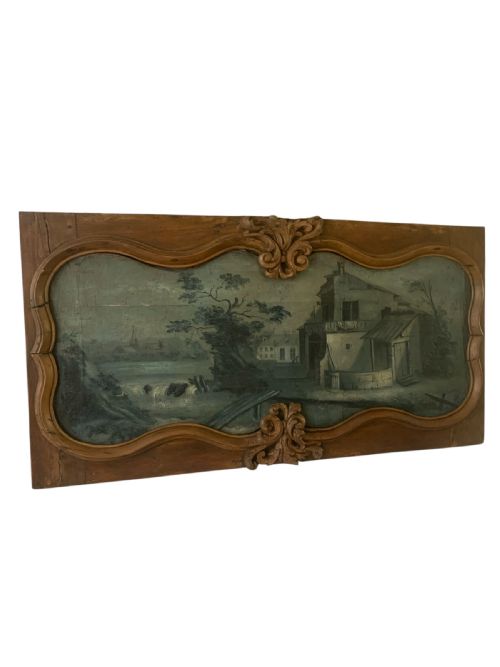
The objects listed under this description frequently manifest as hanging corner cupboards, architectural salvage, wall plaques, reliefs, and overdoor painted panels rather than flat wall wainscoting alone.
Originating from periods such as the eighteenth century, Regency, and Georgian eras, these pieces incorporate regional British character alongside Continental stylistic influences.
Materials and construction methods
Timbers like oak, walnut, mahogany, and limewood form the structural foundation, shaped through traditional hand-carving and joinery techniques.
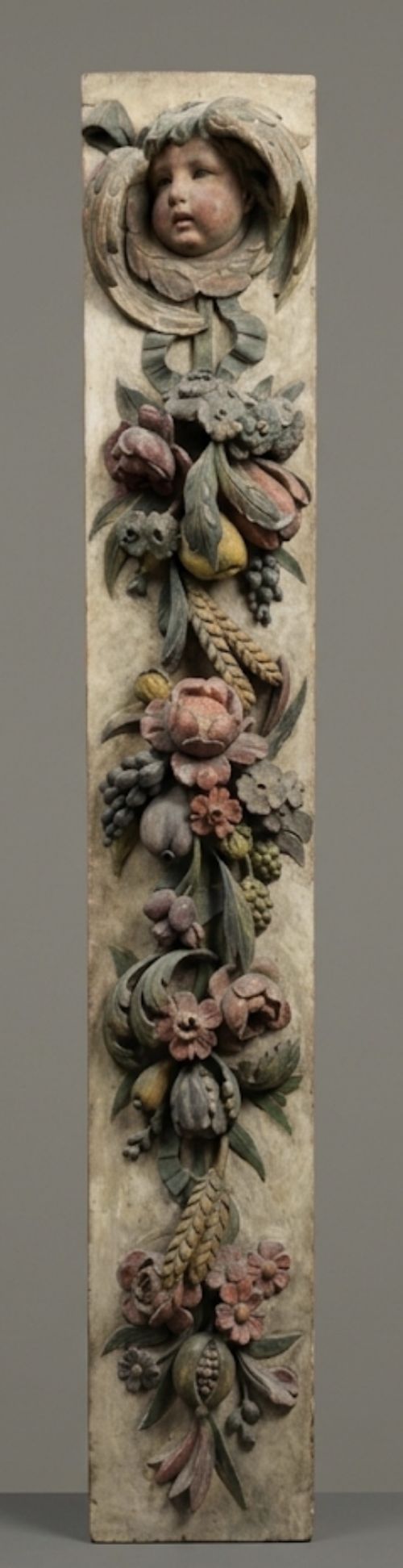
Surfaces are frequently enhanced with gesso, applied paint, polychrome decoration, or giltwood leaf to accentuate carved details like floral motifs and classical scenes.
Specialised decorative elements incorporate eglomisé glass panels, brass hardware, and inset hand-painted foliate sections.
Look closely to spot stray Ho Ho birds and squirrels hiding within intricate eighteenth-century giltwood frames.
Distinguishing quality in carved timber and gilt elements
The depth, sharpness, and undercut precision of the hand-carved wood separate ordinary joinery from exceptional sculptural work.
Original surface treatments, including untouched polychrome pigment, period paint layers, and genuine gilding, elevate an item above later refinished examples.
The integrity of architectural proportions and the subtlety of stylistic details, such as classical scenes or naturalistic foliage, indicate skilled craftsmanship.
Thomas Chippendale
The Georgian Carved Wall Panels Glossary
- Trumeau
- An architectural mirror or panel featuring a painted or glazed section above the main glass. These are frequently found in Regency decorative schemes.
- Eglomisé
- A process of applying gold or silver leaf to glass and etching a design from the reverse side. This technique appears on specific Regency and nineteenth-century mirror panels.
- Overmantel
- A decorative panel, painting, or mirror designed to sit directly above a fireplace mantel. Examples here span the eighteenth and nineteenth centuries.
- Ceiling Boss
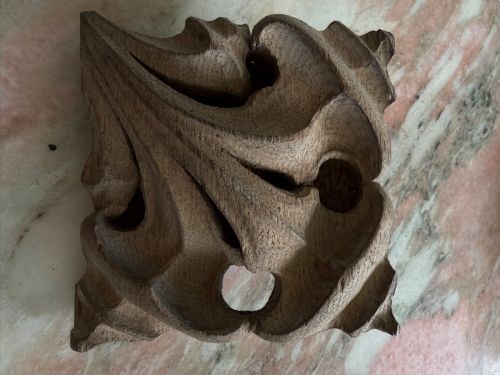
- A projecting block of carved wood placed at the intersection of ceiling ribs or beams. Eighteenth-century oak examples feature pierced leaf and rose motifs.
- Chippendale Style
- A design aesthetic drawing upon the mid-eighteenth-century pattern books of Thomas Chippendale. It is characterised by intricate wood carving and asymmetrical ornamentation.
Georgian Carved Wall Panels: Frequently Asked Questions
What periods do these pieces date from?
The inventory spans the eighteenth and nineteenth centuries, incorporating pieces from the Georgian, Regency, and Victorian eras.
Dating is determined by timber selection, construction methods, and stylistic indicators such as Baroque or Neoclassical carving patterns.
How were corner cupboards used?
Hanging corner cupboards provided practical storage in domestic rooms while utilising unused wall space.
They frequently display raised timber panels and oak construction characteristic of regional British cabinet-making.
How do I identify a trumeau mirror?
A trumeau incorporates a distinct upper section containing a painted scene or eglomisé glass panel positioned above the main looking glass.
These pieces date predominantly to the Regency period and combine wall decoration with reflective glass.
What is architectural salvage?
Architectural salvage comprises rescued elements such as ceiling bosses, carved wooden panels, and overdoor sections removed from historic buildings.
These items preserve hand-carved details from earlier centuries for contemporary decorative display.