
Antique Wooden Dresser Rack
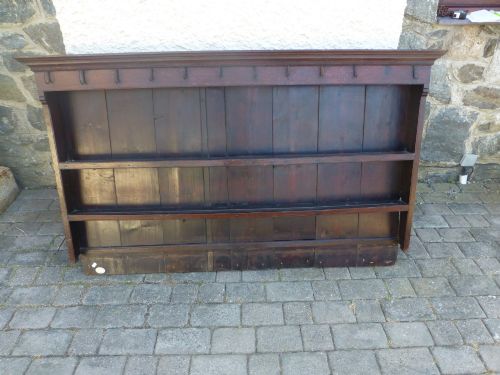
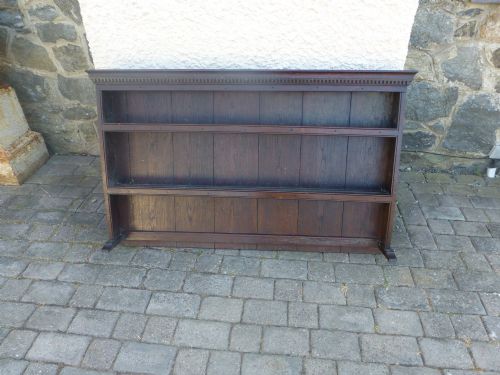
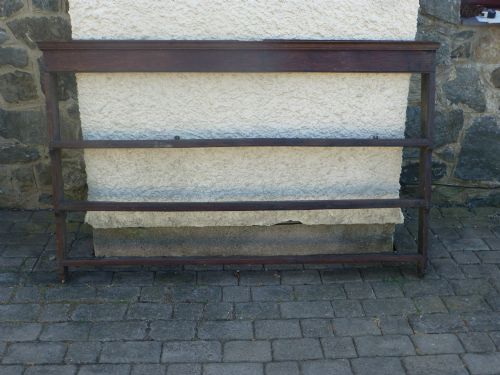
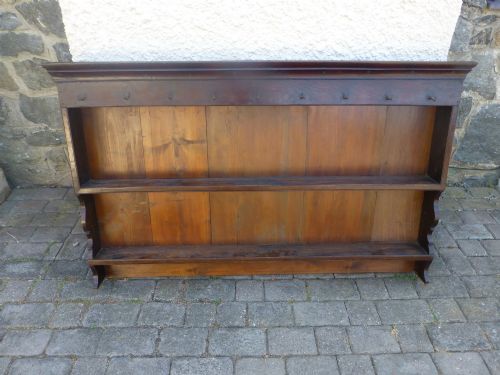
An antique wooden dresser rack displays pottery and plates on timber shelves shaped by centuries of domestic use.
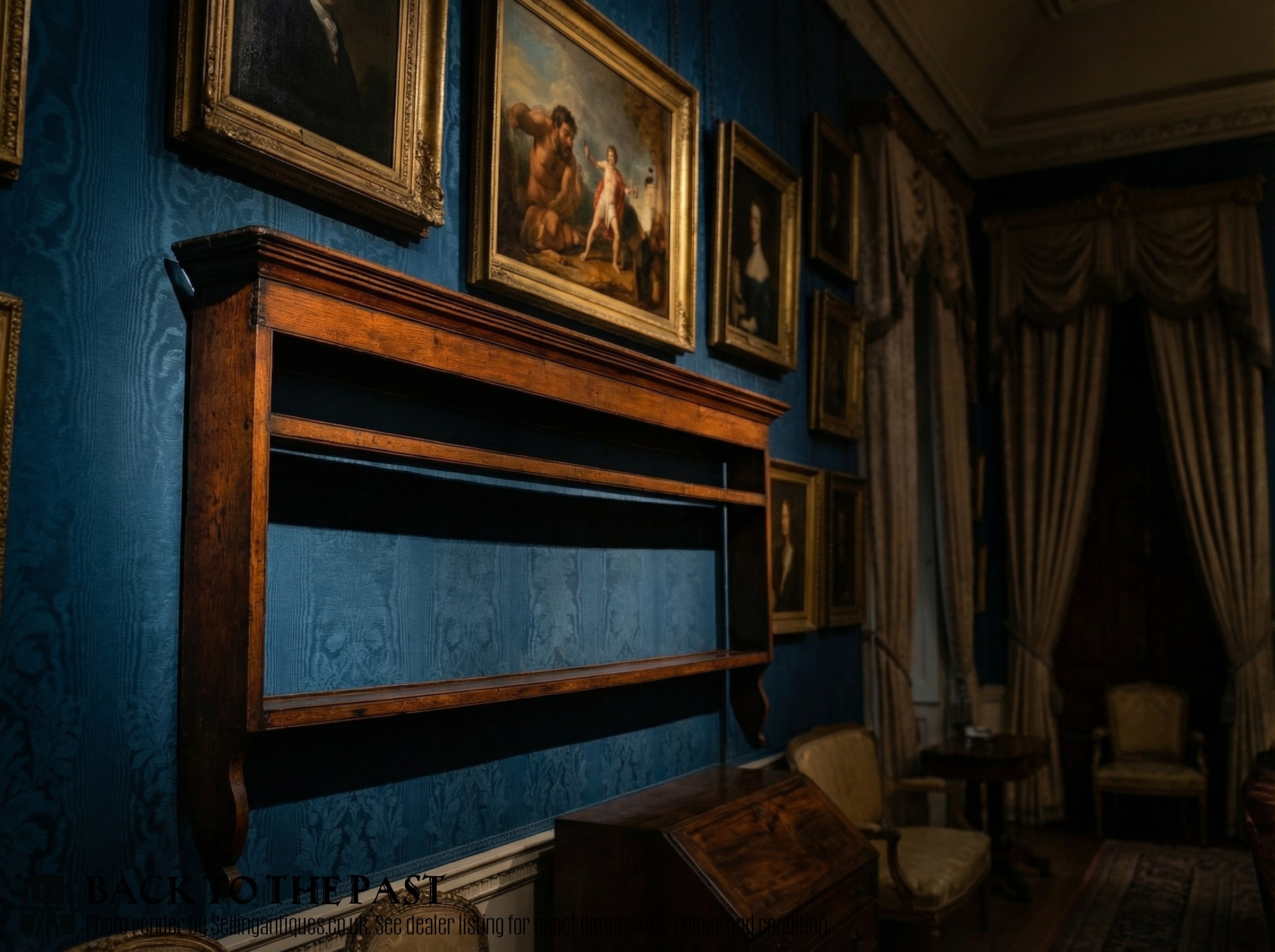
Antique Wooden Dresser Rack
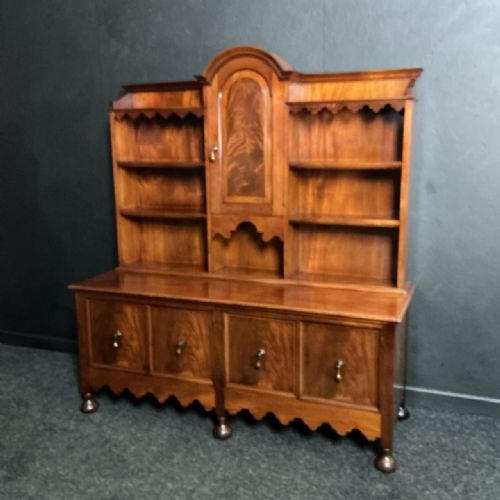
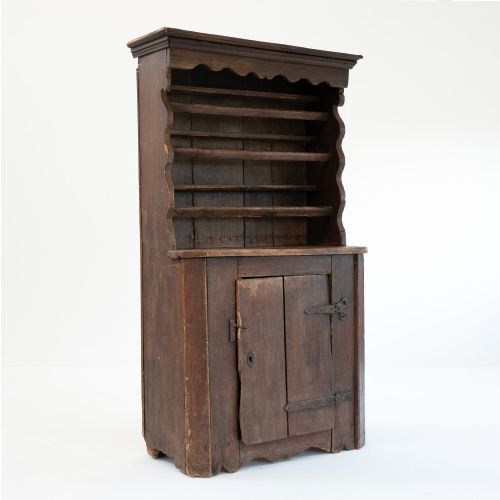
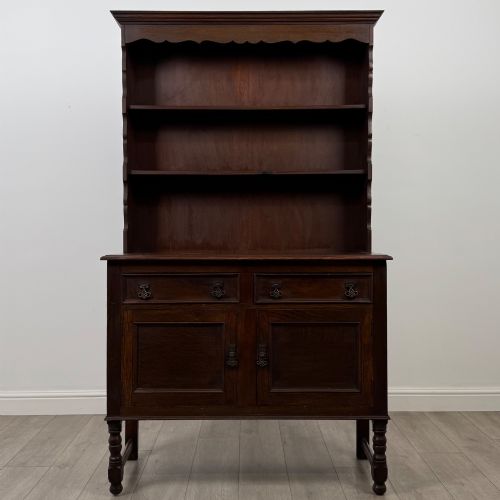
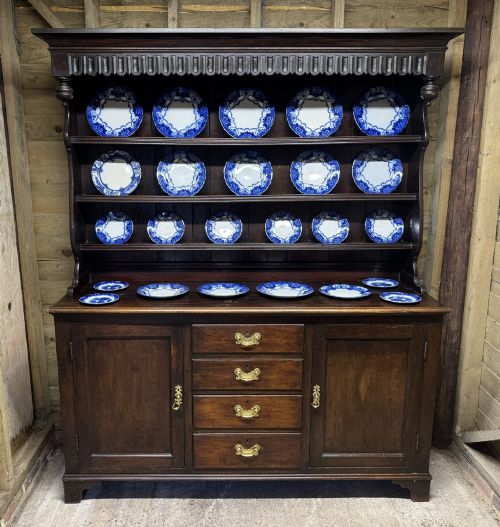
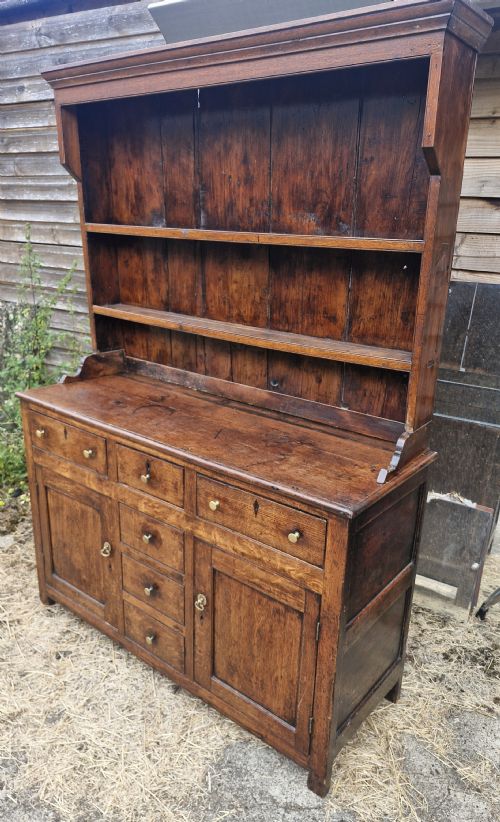
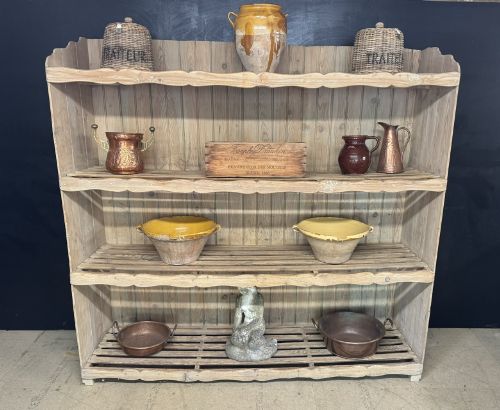
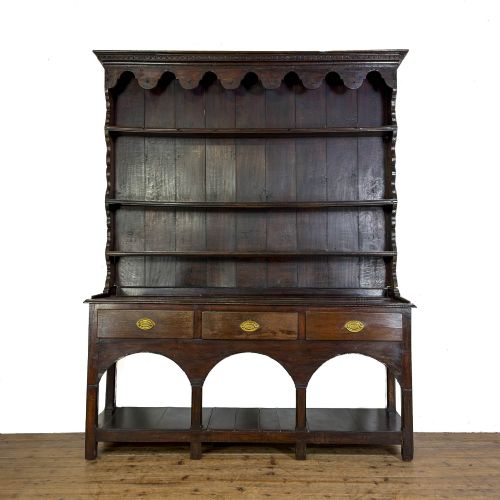
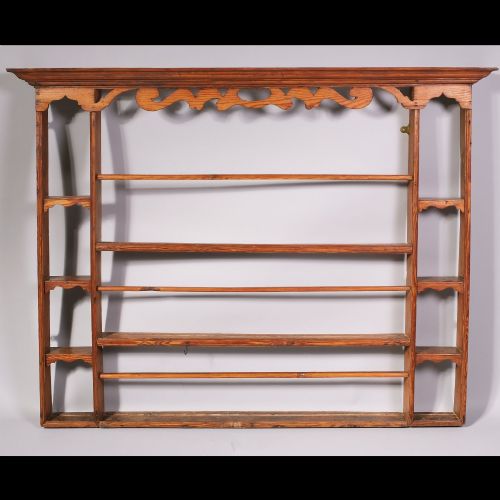
When you search for an antique wooden dresser rack, you are looking at open wall-mounted shelving or the upper plate-holding tiers attached to kitchen and cottage dressers. These pieces originate primarily from the eighteenth and nineteenth centuries, spanning Georgian, Victorian, and Edwardian periods.
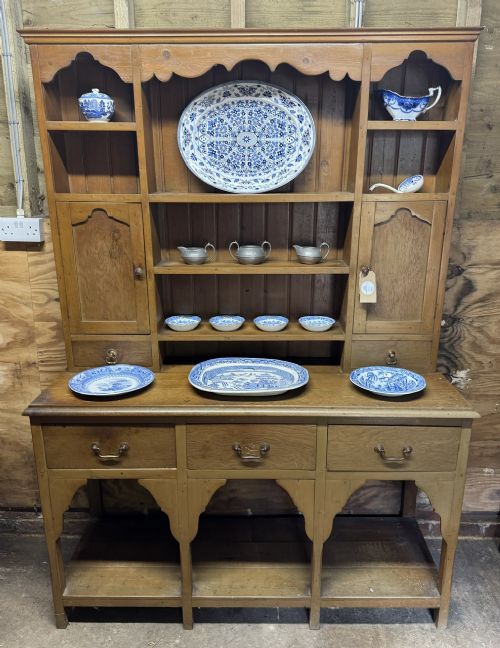
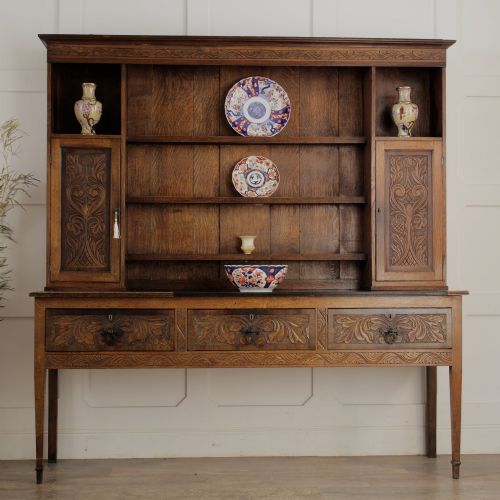
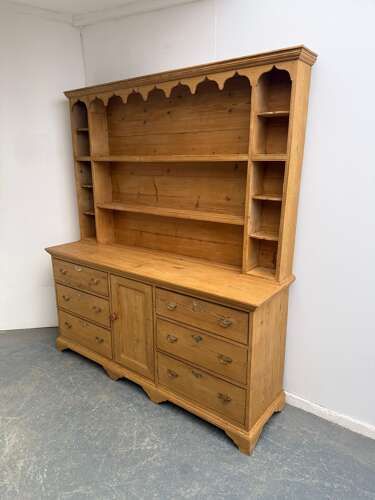
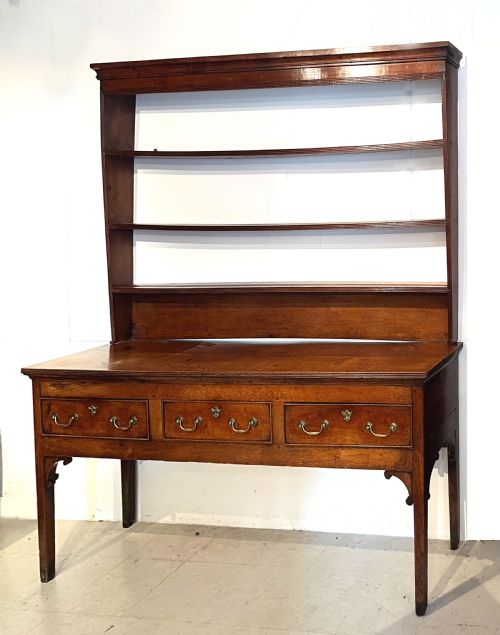
The versions most commonly met here are constructed from oak, pine, or elm, designed to display rows of delftware and ceramic plates against kitchen or dining room walls. They appear either as standalone wall racks or as the upper rack component belonging to a larger Welsh dresser base.
Materials and Construction
Joinery relies on solid timber construction using regional woods such as oak, pine, elm, and walnut, often shaped with pegged joints and boarded backs. Carpenters selected these timbers for structural strength to support heavy rows of ceramic plates and platters.
Surfaces exhibit hand-planed finishes, original paint layers, or wax patination accumulated over generations of household maintenance. Iron or brass fixings and brackets secure the wall-hanging structures.
Some country racks still hold the faint shadow marks of plates that rested in the exact same spot for a century.
Markers of Quality
Quality rests upon the integrity of the timber, the depth of the original patina, and the proportion of the moulding and plate grooves. Pieces retaining their original backing boards and undisturbed surface finishes stand apart from those stripped or heavily restored.
Subtleties in architectural detailing, such as shaped friezes, plate restraining rails, and integrated hooks, separate standard utility shelving from finer cabinetwork commissioned for country houses.
The Antique Wooden Dresser Rack Glossary
- Delft rack
- A wall-mounted wooden shelf unit specifically designed with grooved ledges to hold ceramic plates upright. These racks formed a central fixture in eighteenth-century and nineteenth-century kitchens.
- Welsh dresser
- A large dining room or kitchen item comprising a lower base of cupboards or drawers combined with an upper wooden rack. The form evolved regionally throughout Britain.
- Pot board
- The lower open slatted shelf of a dresser base traditionally used for storing pots and pans. It sits just above floor level on stout legs.
- Patina
- The surface sheen and colour developed by timber through age, handling, and repeated waxing. A genuine patinated surface marks unblemished historical age.
- Frieze
- The horizontal decorative band running along the top rail of a dresser rack. Carpenters often shaped or carved this upper section.
Antique Wooden Dresser Rack: Frequently Asked Questions
What is a dresser rack used for?
These racks served primarily to store and display ceramic plates, platters, and mugs within domestic kitchens. The grooved wooden ledges held tableware upright so plates dried efficiently and remained visible for daily use.
Over time, they transitioned from utilitarian kitchen storage into decorative display furniture for dining rooms and hallways, holding prized collections of antique ceramics.
How do I hang a wall rack safely?
Wall-mounted racks require secure fixing directly into structural masonry or timber wall studs using appropriate brackets and screws. Because solid oak and pine timber racks possess substantial weight, proper load-bearing support is essential.
Professional installation prevents movement and ensures the structure securely bears the added weight of displayed ceramic plates.
Are dresser racks separate from dresser bases?
Many dresser racks were manufactured as independent wall-hanging units, while others functioned as the upper half of a two-piece Welsh dresser. Surviving pieces often show evidence of where they once joined a lower sideboard base.
Collectors encounter both standalone wall shelves and reunited dresser combinations across Georgian and Victorian examples.
How do I care for antique pine and oak?
Maintain timber surfaces by applying traditional beeswax sparingly and buffing with a soft cloth to preserve the natural patina. Avoid placing wooden furniture near direct heat sources or in damp environments to prevent timber splitting.
Gentle dusting with a dry cloth keeps the surface clean without stripping historical wax layers.