




Oak Hanging Shelf
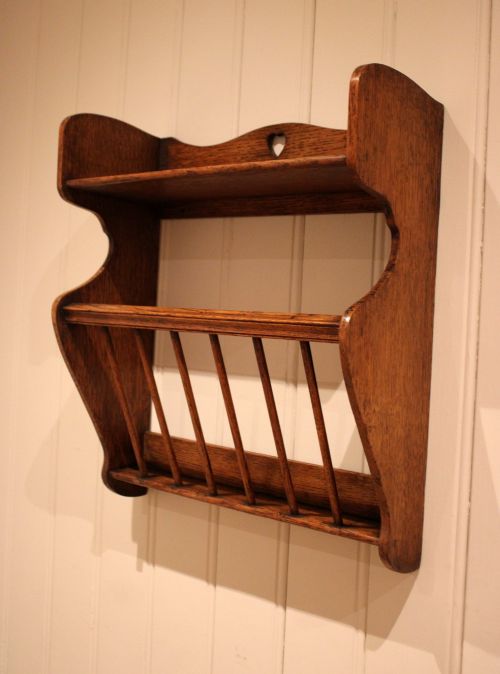
An oak hanging shelf clears the floor and organises the wall, taking the form of open plate racks, enclosed cabinets, and simple book ledges.
Oak Hanging Shelf
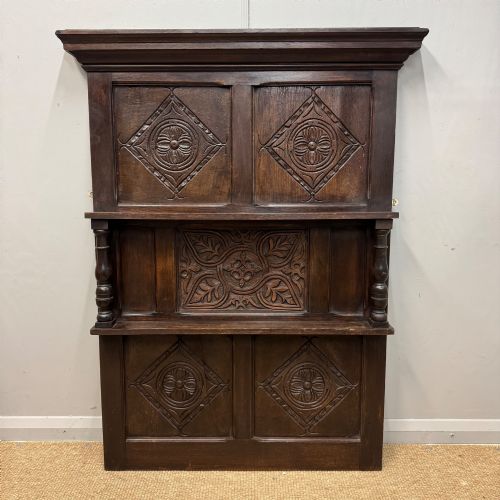
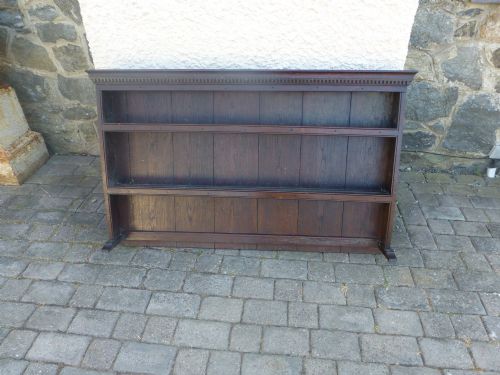
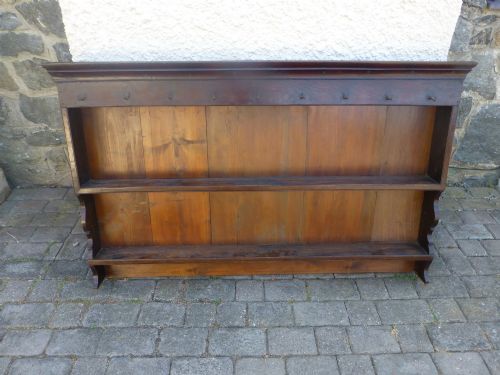
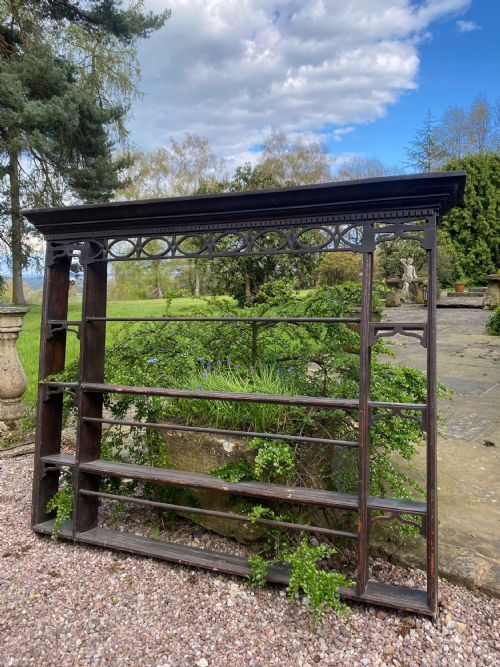
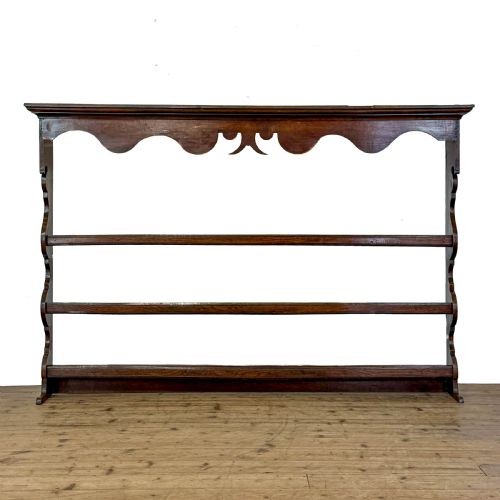
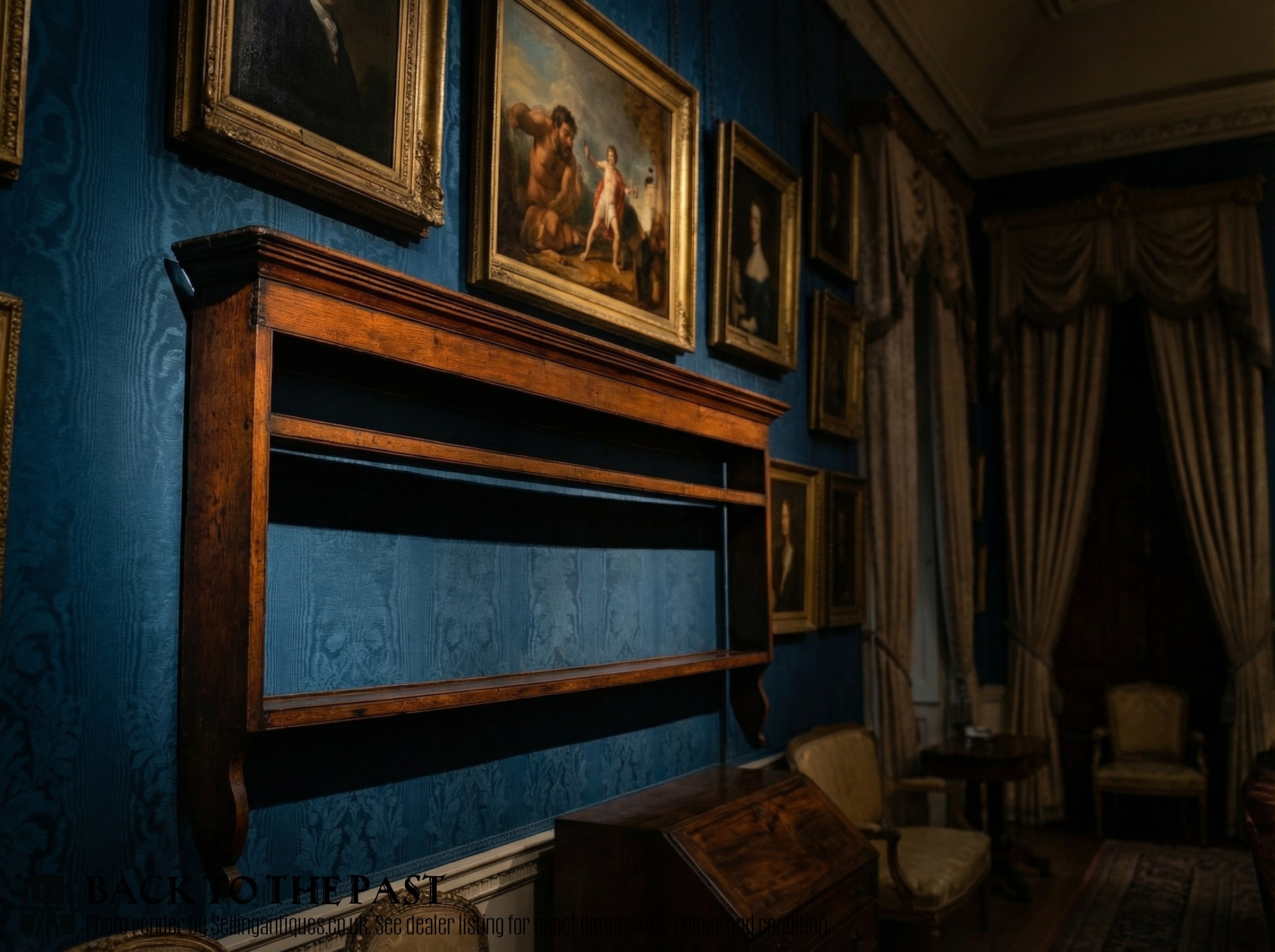
When you search for an oak hanging shelf, you encounter pieces designed to mount directly to the wall, saving floor space while displaying domestic goods. The selection spans robust 18th century Georgian delft plate racks alongside later 19th century Gothic Revival and Arts and Crafts examples.
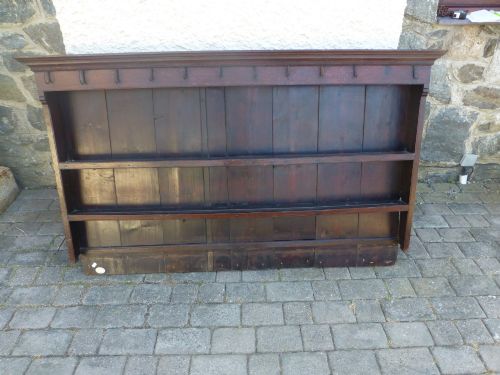
The version you are most likely to meet on this page is the open wall-mounted rack or simple tiered shelf, often originating from English country houses or provincial workshops. These range from substantial early country kitchen plate holders to refined Aesthetic Movement and Edwardian display cabinets.
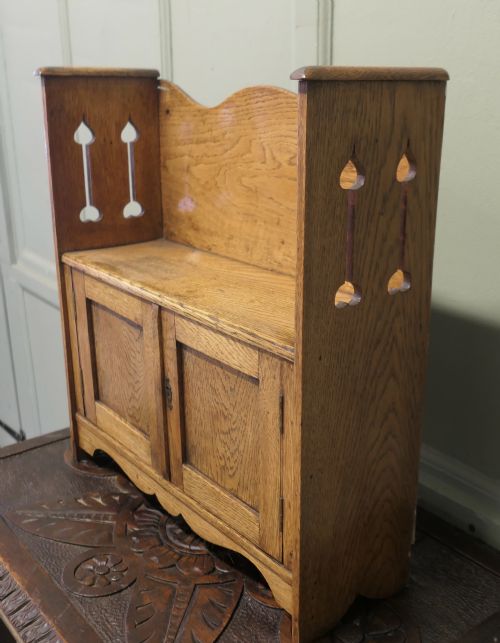
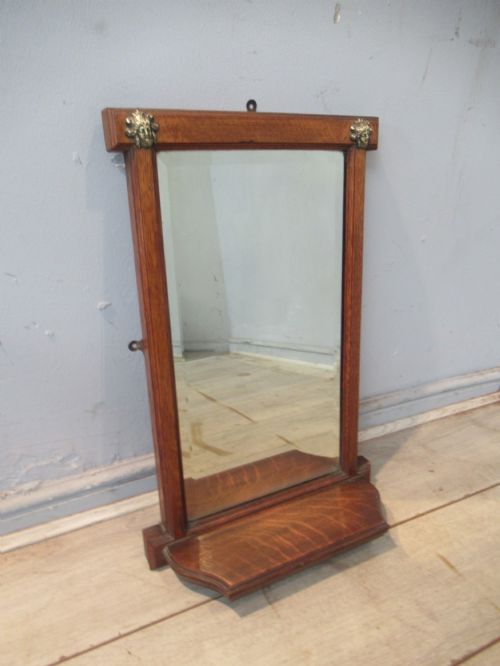
Beyond basic shelving, the form frequently incorporates specialised functions such as magazine racks, cloakroom mirrors, or small cupboards with shaped shelves. Their survival demonstrates how domestic wall storage adapted across Georgian, Victorian, and Edwardian interiors.
What varies in quality
The standard of a piece rests in the integration of its timber selection, where dense, well-figured oak boards provide both structural integrity and visual depth. Superior examples display thoughtful proportions and careful matching of grain across the backboards and shelves.
Carving execution defines the upper tier of the range, separating mechanical repetition from crisp, hand-cut detail seen in Gothic and Arts and Crafts iterations. Original hardware, such as hinges and brass hooks, elevates a piece beyond those altered or fitted with modern replacements.
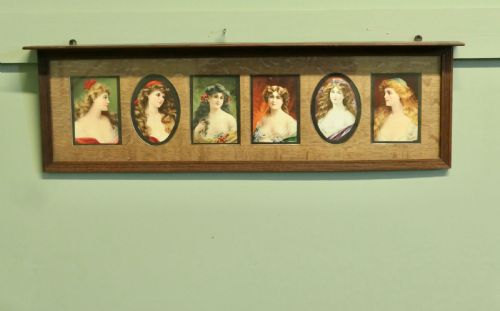
One surviving oak shelf mounts six Pre-Raphaelite portraits directly into its wooden frame.
John Moyr Smith
The Oak Hanging Shelf Glossary
- Delft rack
- A wall-mounted wooden shelving unit traditionally designed to display pottery plates upright against a grooved ledge.
- Gothic Revival
- A 19th century architectural and decorative style drawing on medieval forms, featuring pointed arches, tracery, and heavy carved ornament.
- Aesthetic Movement
- A late 19th century design current emphasising visual beauty and artistic craft over narrative or moral function.
- Overmantel
- A decorative structure, mirror, or set of shelves designed to be mounted on the wall directly above a fireplace mantelpiece.
Oak Hanging Shelf: Frequently Asked Questions
What is an oak hanging shelf used for?
These pieces served practical storage and display functions in kitchens, halls, and reception rooms. They held ceramic plates, books, shaving mirrors, and small decorative objects off the floor.
In domestic interiors, they maximised vertical wall space before fitted cupboards became standard. Their specific configurations determined whether they stored ceramics, displayed portraits, or held daily accessories.
How do I date an oak hanging shelf?
Dating relies on stylistic clues, construction methods, and timber characteristics. Georgian pieces typically show simpler, utilitarian plank construction built for kitchen utility.
Later Victorian, Gothic Revival, and Arts and Crafts examples incorporate distinct decorative carving, applied mouldings, or movement-specific hardware. Examining the joinery and backboards reveals the period of manufacture.
Are these shelves sturdy enough for heavy books?
Most antique wall shelves were built to carry domestic goods like ceramics, books, or light display items. Their load capacity depends on the depth of the boards and the strength of the wall fixings.
Heavier bookcases or cabinets require secure mounting directly into wall studs or masonry. Inspecting the original hanging brackets and back frame indicates how much weight the structure safely supports.