
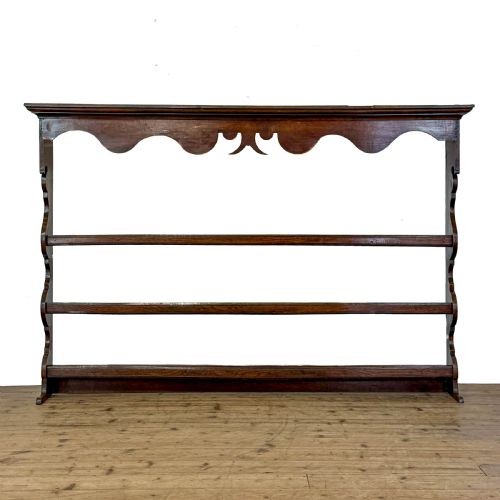


Traditional Delft Rack
A traditional delft rack holds ceramic plates against kitchen walls, offering practical display and deep period character.
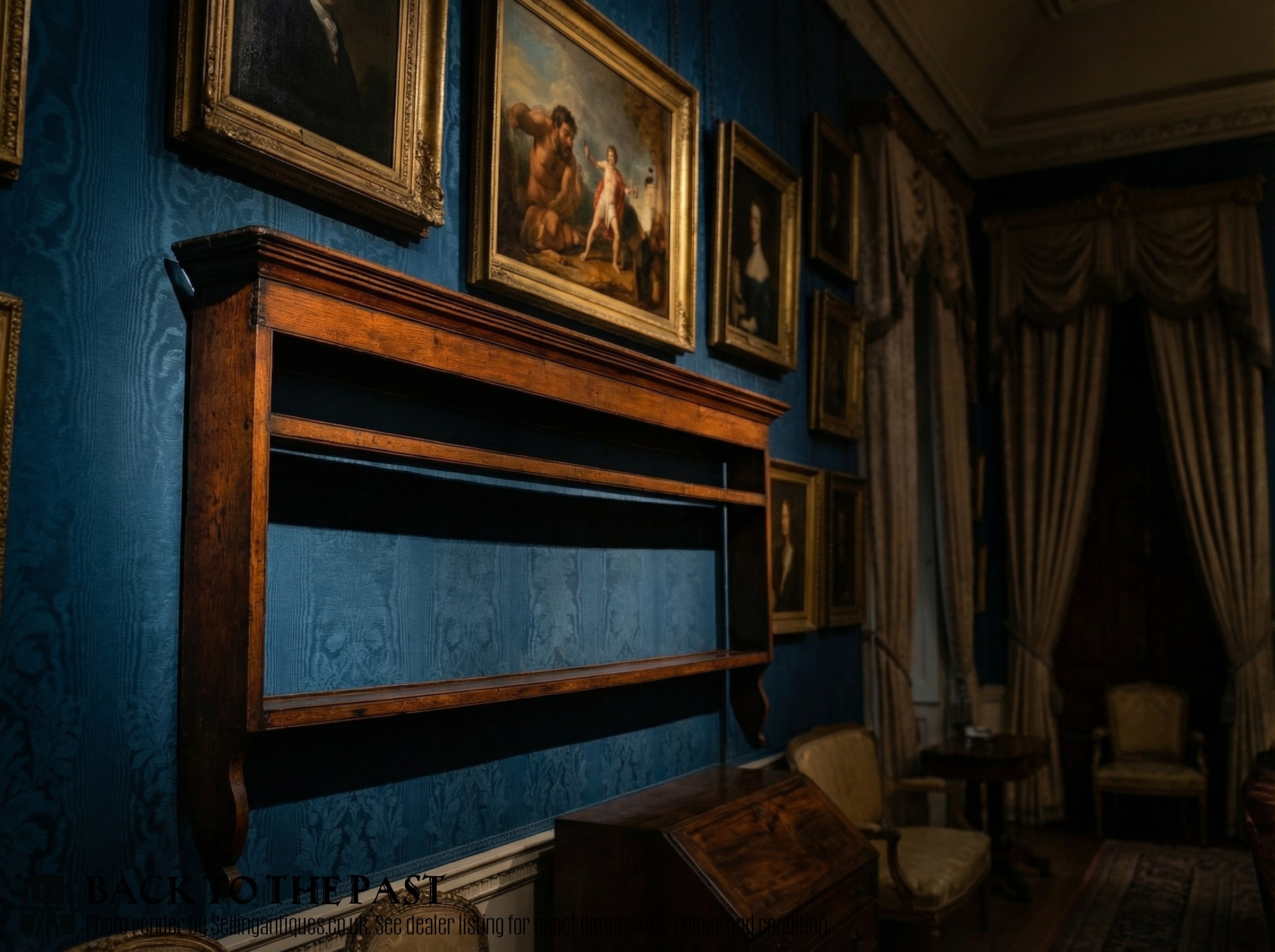
Traditional Delft Rack
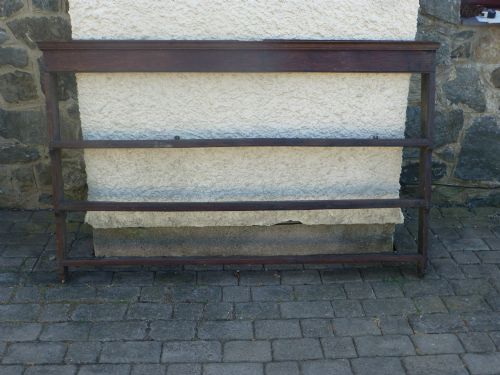
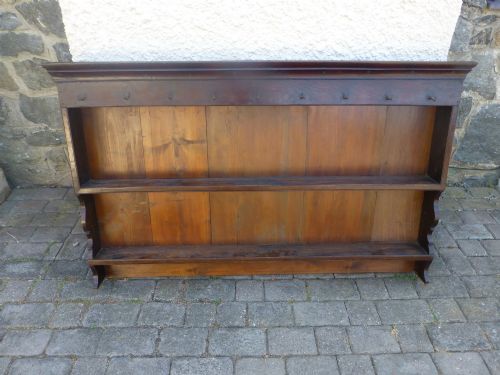
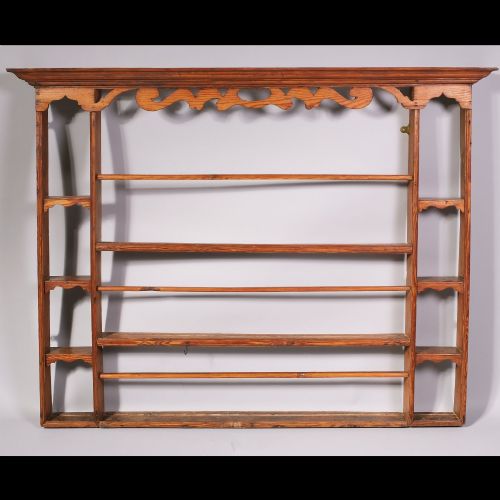
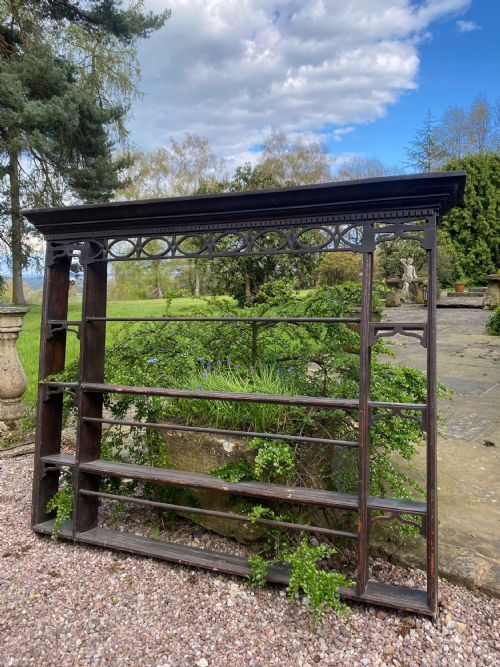
A traditional delft rack provides wall-mounted shelving specifically designed for displaying plates and domestic pottery. These pieces take the form of plate racks, wall shelves, dresser racks, and dressers originating from the eighteenth and nineteenth centuries.
The versions most commonly met on this page are eighteenth-century oak examples, often reflecting Georgian country styles or English country origins. They range from simple hanging racks to larger dresser rack components built to hold ceramics securely.
Makers fashioned these utilitarian items to mount directly onto kitchen or dining room walls, turning everyday storage into an architectural feature. The surviving pieces show diverse regional characteristics, including Dutch traditional influences alongside British country furniture traditions.
What varies in quality
Quality in a traditional delft rack depends on the selection of timber and the sophistication of the joinery. Finer examples display carefully chosen oak boards and balanced proportions that elevate a utilitarian kitchen item into accomplished country furniture.
The presence of decorative detailing, such as marquetry inlay or thoughtful architectural mouldings, separates standard utilitarian storage from superior cabinetwork. Original surfaces and honest timber patination also distinguish the most desirable pieces.
Listings feature oak and pine predominantly, representing eighteenth-century and nineteenth-century country furniture traditions.
The Traditional Delft Rack Glossary
- Delft rack
- A wall-mounted wooden shelf unit designed specifically to display ceramic plates and platters. These fixtures typically feature grooved plate rails and protective retaining laths.
- Dresser rack
- The upper superstructure of a kitchen dresser that lifts off the base unit and hangs separately on the wall. They provide open shelving for everyday crockery.
- Marquetry
- Decorative veneer work created by fitting together small pieces of contrasting wood to form geometric or pictorial patterns. This technique appears on select refined examples.
- Georgian
- A stylistic period spanning the eighteenth century characterised by classical proportions and regional British craftsmanship. Furniture from this era often combines sturdy construction with restrained ornament.
- Pine
- A softwood commonly utilised for utilitarian kitchen furniture and secondary elements. Its lighter weight made it suitable for wall-hung plate racks.
Traditional Delft Rack: Frequently Asked Questions
What is a traditional delft rack?
A traditional delft rack is a wall-mounted wooden shelving unit built to hold ceramic plates upright. These pieces served practical storage needs in historical kitchens while displaying household pottery.
Surviving examples date mainly from the eighteenth and nineteenth centuries, constructed primarily in oak or pine by regional cabinetmakers.
How were delft racks used?
Households mounted these racks on kitchen and dining room walls to dry and display ceramic plates safely. The grooved shelves kept earthenware upright and accessible during daily meal preparation.
They functioned as essential utilitarian furniture before built-in kitchen cabinetry became standard in modern homes.
Are these racks meant for modern plates?
Most historic racks accommodate standard dinner plates, though older grooves can be shallower than modern ceramic profiles. It is sensible to measure the depth of the display ledge and the height between shelves before placing contemporary heavy stoneware on display.
Lighter antique plates and decorative platters fit most traditional spacing configurations securely.