

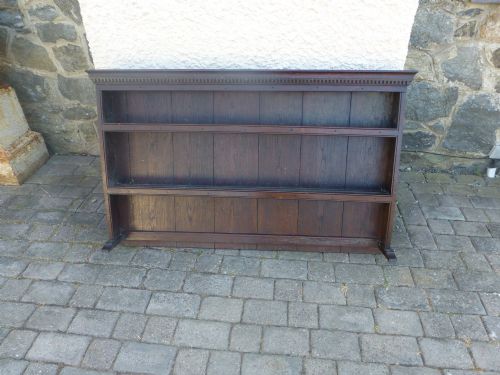
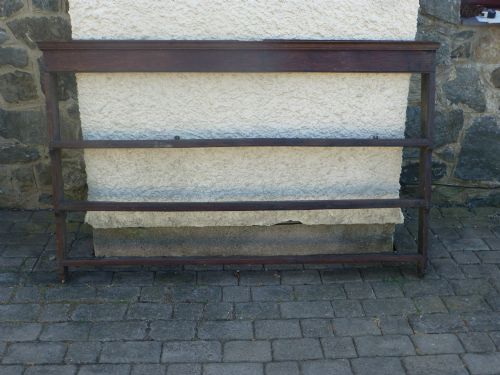
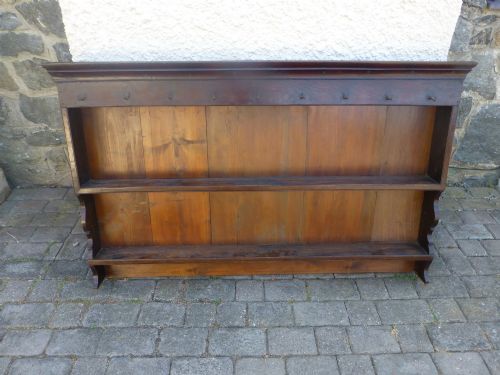
Antique Wooden Display Rack
An antique wooden display rack brings practical organisation to walls and floors, showing off books, plates and treasured items with period character.
Antique Wooden Display Rack
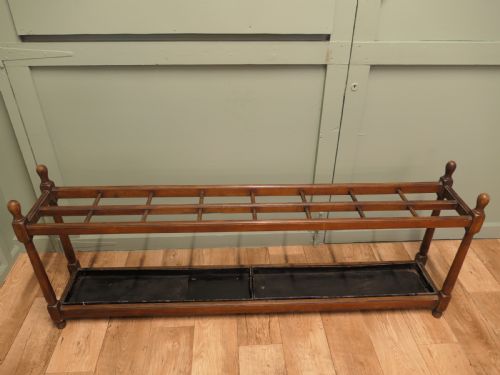
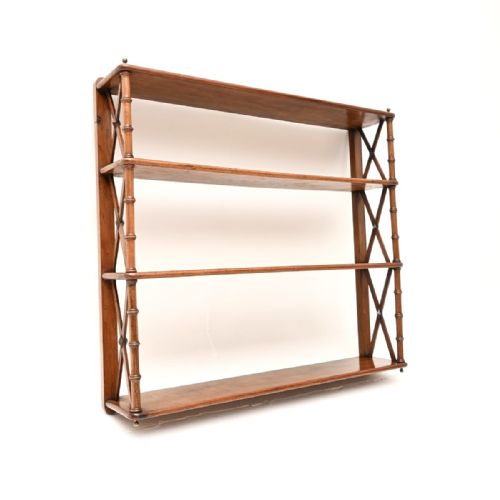
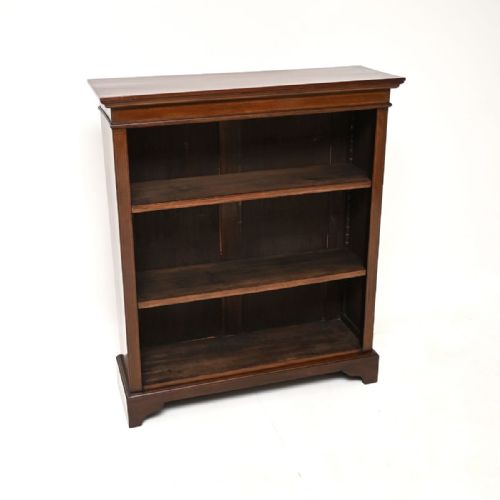
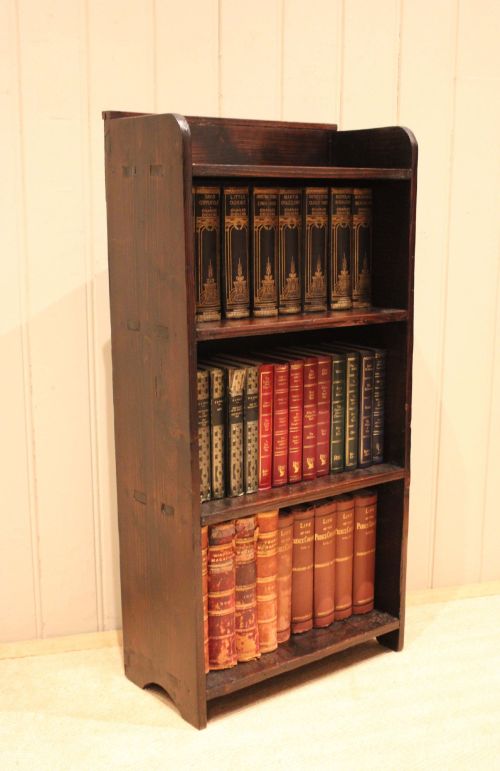
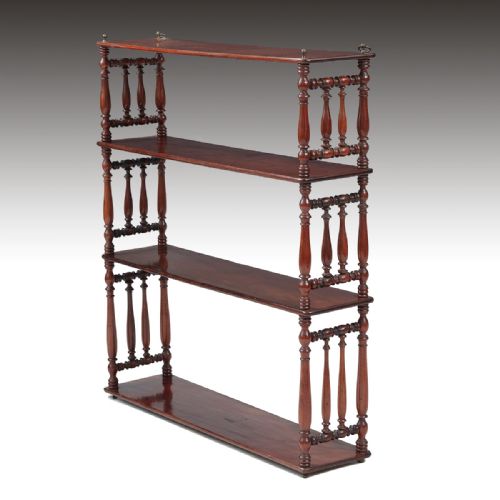
An antique wooden display rack encompasses practical household storage forms designed to present books, plates, and small possessions in domestic spaces. These include wall mounting bookcases, open bookshelves, hanging shelves, and plate racks intended to organise domestic rooms.
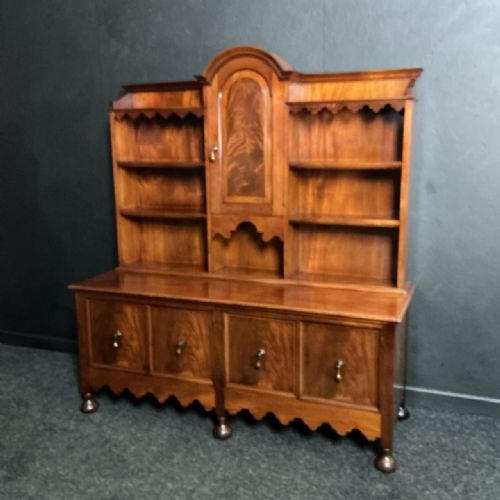
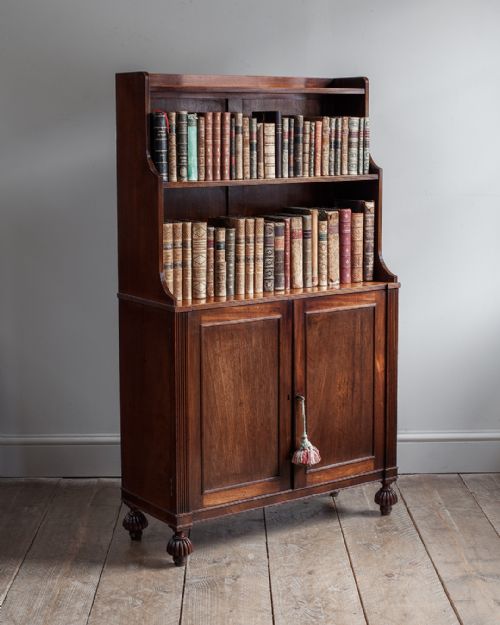
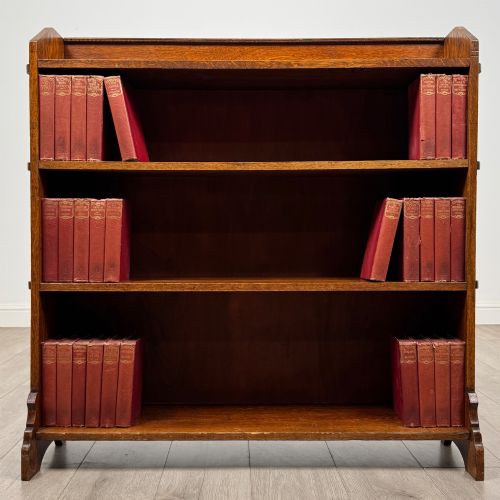
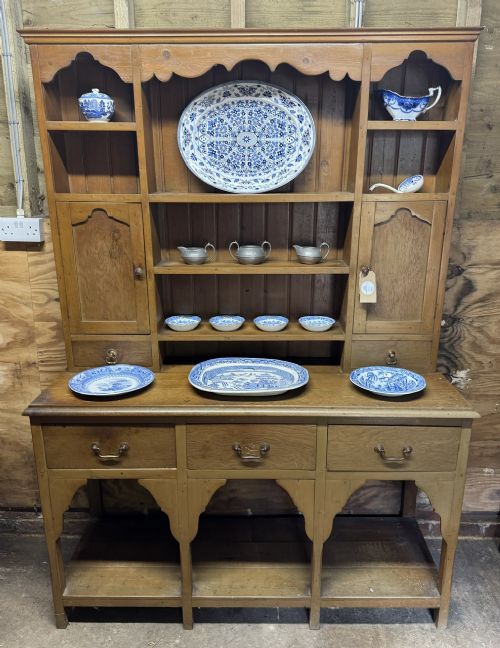
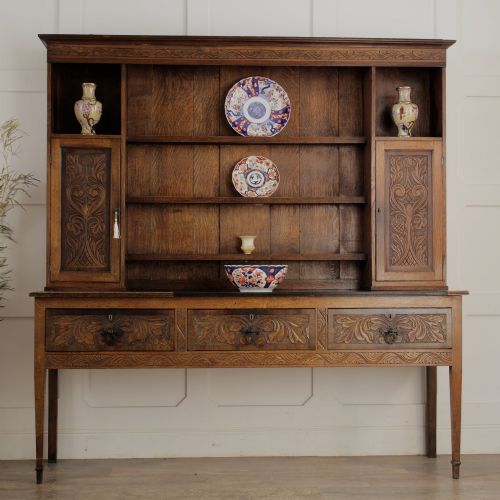
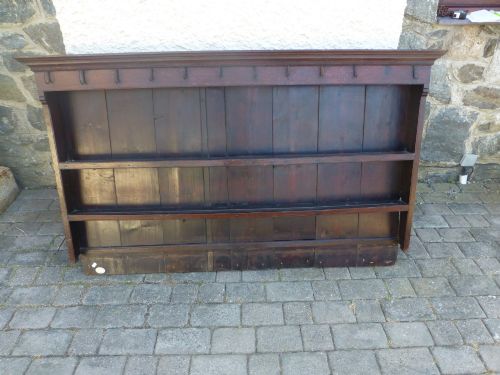
The selections span several centuries and regional traditions, featuring substantial Welsh dressers in oak and pine alongside lighter mahogany waterfall bookcases and walnut wall shelves. Buyers frequently encounter Edwardian open bookcases in golden oak and eighteenth-century oak delft plate racks.
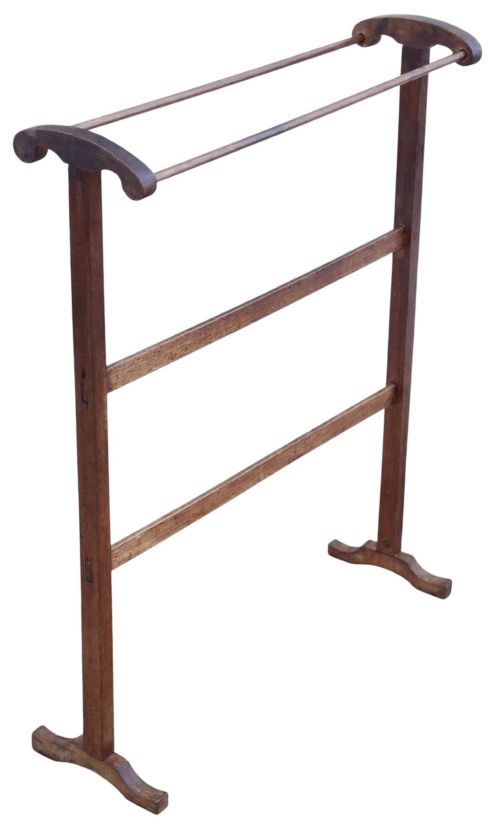
Makers adapted these forms for specific domestic tasks, producing dedicated book stands, spoon racks, magazine stands, and bakers racks from sturdy timbers. Each piece reflects the functional needs of its period, from Georgian country kitchens to Edwardian parlours.
How they were made
Cabinet makers utilised durable hardwoods and local softwoods, selecting oak, mahogany, walnut, pine, and satinwood for their structural strength and visual grain. Brass hardware, iron fixtures, and mother of pearl inlay occasionally complemented the primary timber construction.
Joining techniques relied on traditional cabinet-making methods suited to the weight of the objects held, creating sturdy shelves, dressers, and hanging racks. Surfaces often received hand waxing, polish, or paint finishes that preserved the original timber patina over generations of use.
Listings feature eighteenth-century oak, Georgian mahogany, Edwardian golden oak, and nineteenth-century pine across bookcases, plate racks, and dressers.
What varies in quality
Quality rests upon the choice of timber and the proportion of the design, where selected grain patterns and balanced dimensions distinguish finer commissions from utilitarian items. The integration of decorative elements, such as inlaid mahogany, carved oak details, or pierced cut-outs, elevates the piece.
The integrity of the construction and the retention of original surfaces govern the standing of these items. Pieces retaining their early patinated finish or structural honesty command greater interest among collectors seeking authentic period character.
The Antique Wooden Display Rack Glossary
- Delft rack
- A wall-mounted or dresser-integrated wooden rack specifically designed to display ceramic plates and platters upright. These rows protect tableware while keeping everyday ceramics visible in the kitchen or dining room.
- Waterfall bookcase
- A tiered set of open shelves where each upper shelf is shallower than the one below, creating a stepped profile resembling cascading water. This Regency form keeps books accessible and displays titles clearly.
- Whatnot
- A moveable set of open shelves supported by slender corner pillars, used for displaying ornaments, books, or magazines. Popular during the Victorian and Edwardian periods, these light stands fit easily into corners.
- Patina
- The surface sheen and mellowing developed by wood over decades of handling, polishing, and natural exposure to light. Original patination confirms the age and history of the timber.
- Spoon rack
- A narrow wall-mounted wooden rack featuring notches or slots to display spoons neatly. Georgian examples often keep culinary or table spoons orderly and in view.
Antique Wooden Display Rack: Frequently Asked Questions
How do I hang a wall rack?
Wall-mounted bookcases, plate racks, and hanging shelves require secure fixings into structural wall studs or masonry to support the weight of the timber and the objects displayed upon them.
Ensure that the hanging brackets or pre-drilled fixing points match the load capacity needed for heavy items like books or ceramic plates.
What is a delft rack?
A delft rack is a specialised wooden shelving unit designed with narrow grooves or retaining rails to hold ceramic plates upright against a wall or atop a dresser base.
Originating for the display of imported delftware pottery, these racks keep tableware accessible while turning functional kitchenware into wall decoration.
Where were dressers used?
Welsh dressers and country dressers served as the primary storage and display hubs in historical kitchens and dining areas, combining lower cupboards with upper open racks.
They held everyday ceramics, cooking utensils, and dried goods, keeping essential household items close at hand in domestic spaces.
How do I care for antique wood?
Maintain antique wooden display racks by keeping them away from direct heat sources and fluctuating humidity that can dry out or warp the timber.
Apply traditional beeswax occasionally to nourish the grain and preserve the surface sheen without building up heavy synthetic residues.