

Antique Wooden Desk Seating
These antique wooden desk seating options bring enduring craft and sturdy character to a study.
Antique Wooden Desk Seating
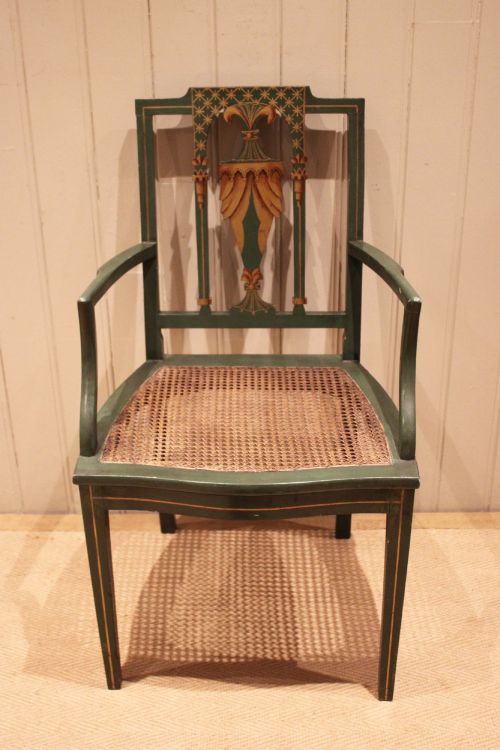
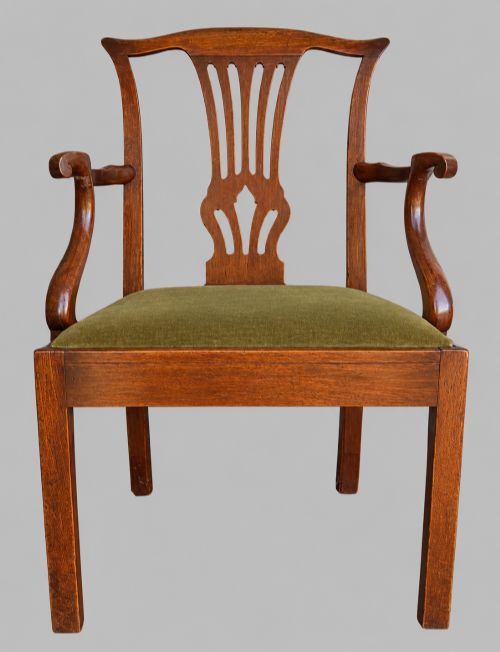
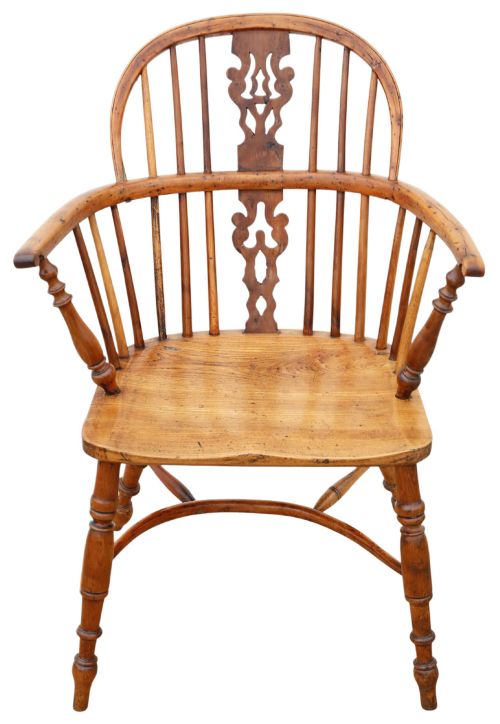
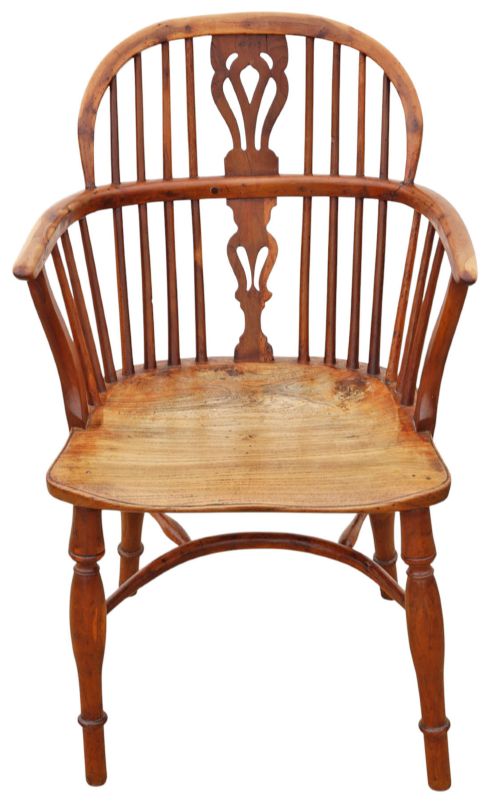
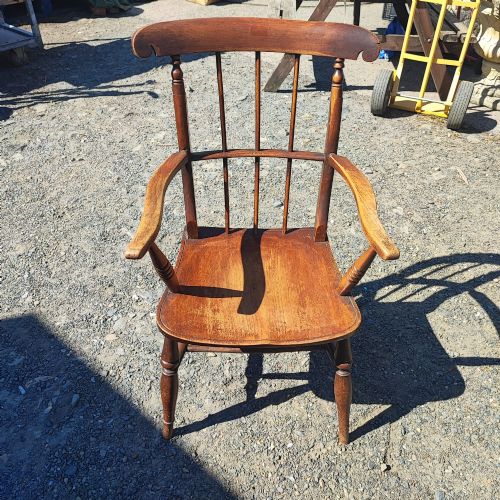
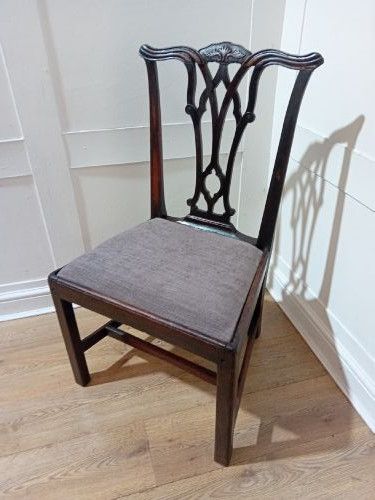
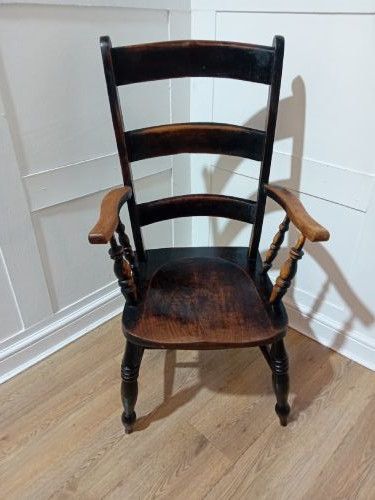
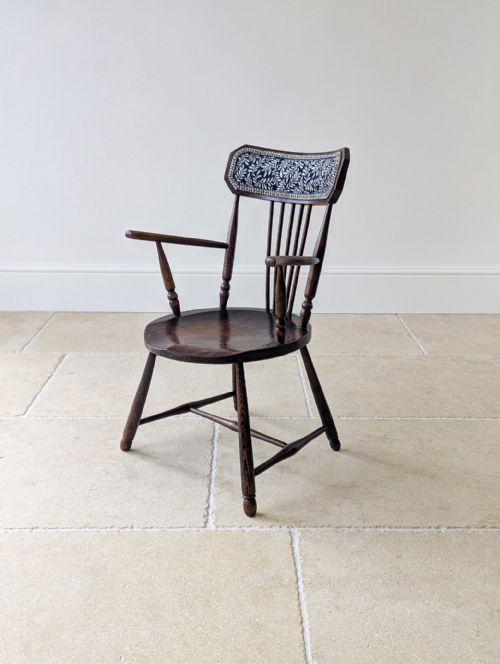
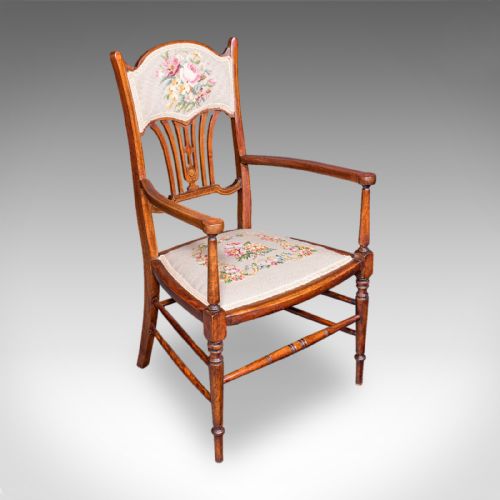
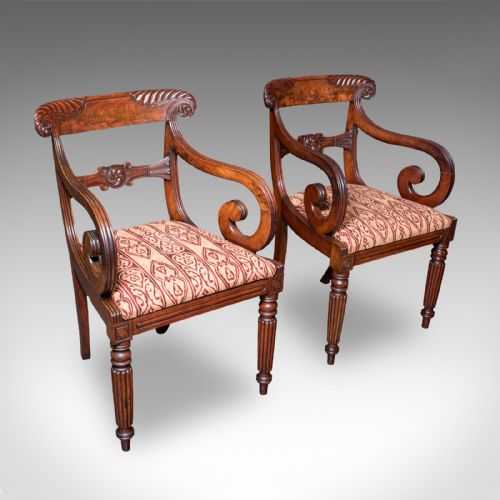
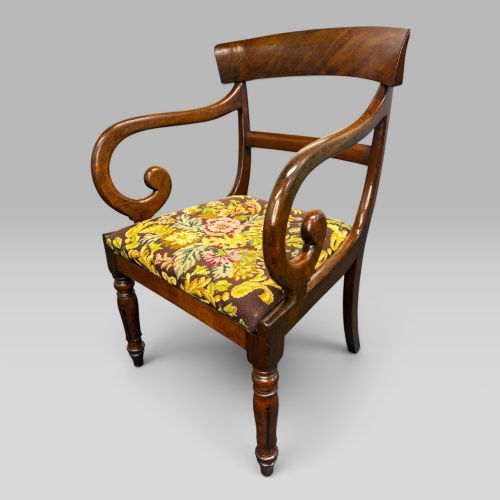
Antique wooden desk seating encompasses a broad variety of chairs designed for work, study, and administrative tasks across several centuries. Buyers searching for antique wooden desk seating encounter diverse forms ranging from robust country windsor armchairs to refined mahogany georgian and regency elbow chairs.
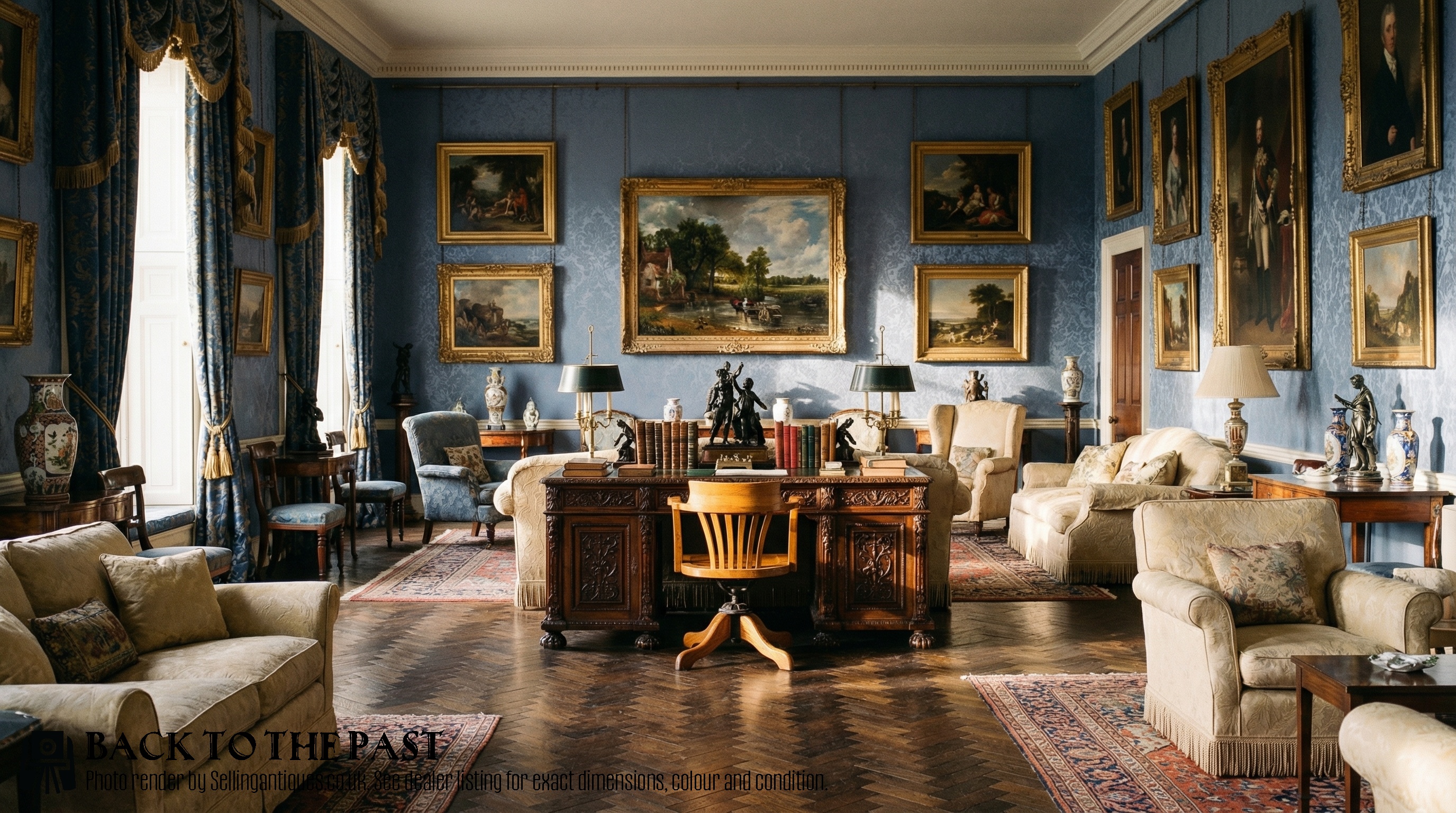
The selection bridges formal urban library armchairs and relaxed farmhouse seating adapted for writing tables. Period examples span the eighteenth, nineteenth, and early twentieth centuries, showing shifts in ergonomic design and aesthetic taste.
Materials and Construction Techniques
Joinery methods rely heavily on traditional turning, steam-bending, and wedged tenon joints to create rigid frameworks. Windsor chairs utilise combination woods, pairing flexible ash or beech bows with stable elm seats and sculpted yew arms.
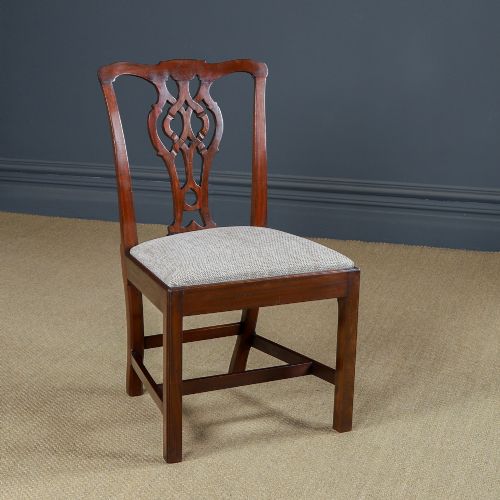
Cabinet makers deployed dense hardwoods like mahogany and walnut for formal office and library seats, often incorporating carved splats and curved backrails. Surface treatments depend on original or period-applied finishes, preserving the grain of fruitwood, oak, and beech.
Listings span the eighteenth, nineteenth, and early twentieth centuries, featuring elm, mahogany, beech, ash, yew, and oak.
Factors Distinguishing Quality
Superior quality rests in the integrity of the timber selection and the retention of original structural components. Heavy use often required historical repairs, so examples retaining untouched surface patination and tight joints command higher regard.
The Antique Wooden Desk Seating Glossary
- Windsor chair
- A chair built with a solid wooden seat into which the legs and back spindles are directly inserted. This construction method provides exceptional durability.
- Chippendale style
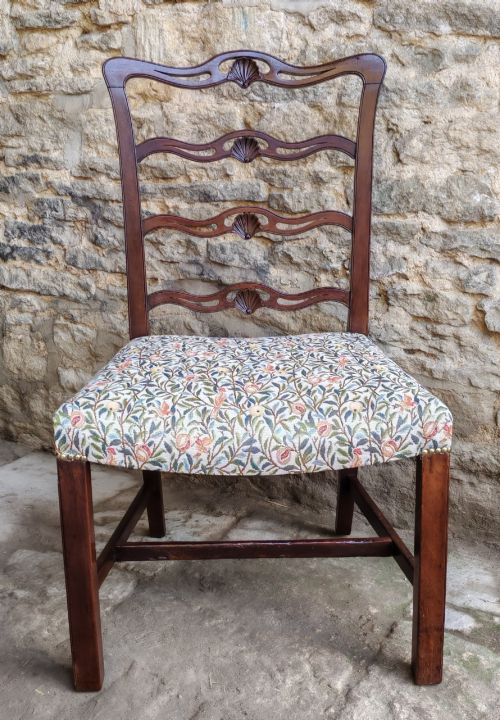
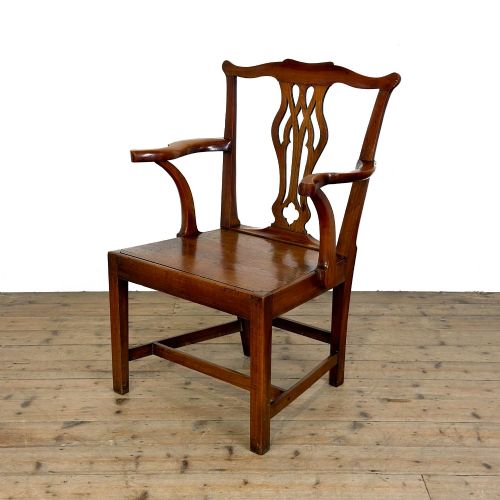
- A design aesthetic inspired by mid-eighteenth-century pattern books. It typically displays distinctive interlaced ladder-backs or carved ribbon splats.
- Elbow chair
- A seating piece fitted with side arms for support. These items frequently served as desk or carver chairs in period libraries.
- Vernacular
- Objects created by regional makers following local traditions rather than high-style metropolitan fashions. These pieces prioritise functional utility over ornamentation.
Antique Wooden Desk Seating: Frequently Asked Questions
How do I choose the right desk chair height?
Period seating often sits lower than modern office furniture due to historical desk dimensions and posture standards.
Buyers should measure their knee clearance and desk surface before purchasing an antique wooden desk seating option to ensure comfortable daily use.
Were these chairs originally meant for desks?
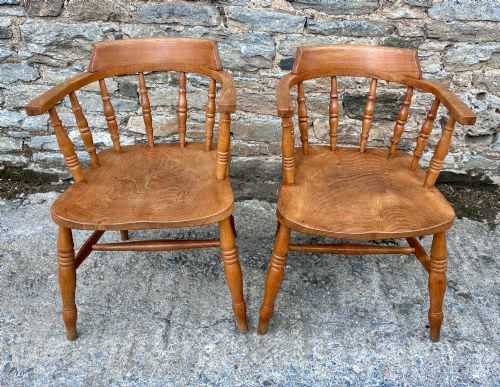
Many examples served multiple domestic functions in libraries, studies, dining rooms, and parlours rather than remaining fixed at a writing table.
Utility chairs like captains' chairs and smokers' bows transitioned easily between administrative tasks and general seating.
How do I distinguish an 18th-century Windsor from a Victorian copy?
Earlier versions display deep saddle-shaped elm seats shaped by hand with adzes, alongside weathered tool marks and naturally aged timber.
Later nineteenth-century interpretations often exhibit more uniform machine turning and standardised component sizing.
Can I use an antique wooden desk chair every day?
Solid construction in hardwoods like oak, mahogany, and elm makes these frames exceptionally durable for daily working routines.
Routine checks of the joints ensure the piece remains stable under regular movement.